DD
MM
YYYY

PAGES

DD
MM
YYYY

spot_img

PAGES

Home Blog Page 2633

Dangote Refinery Lowers Fuel Price to N970 Per Liter for Marketers

0

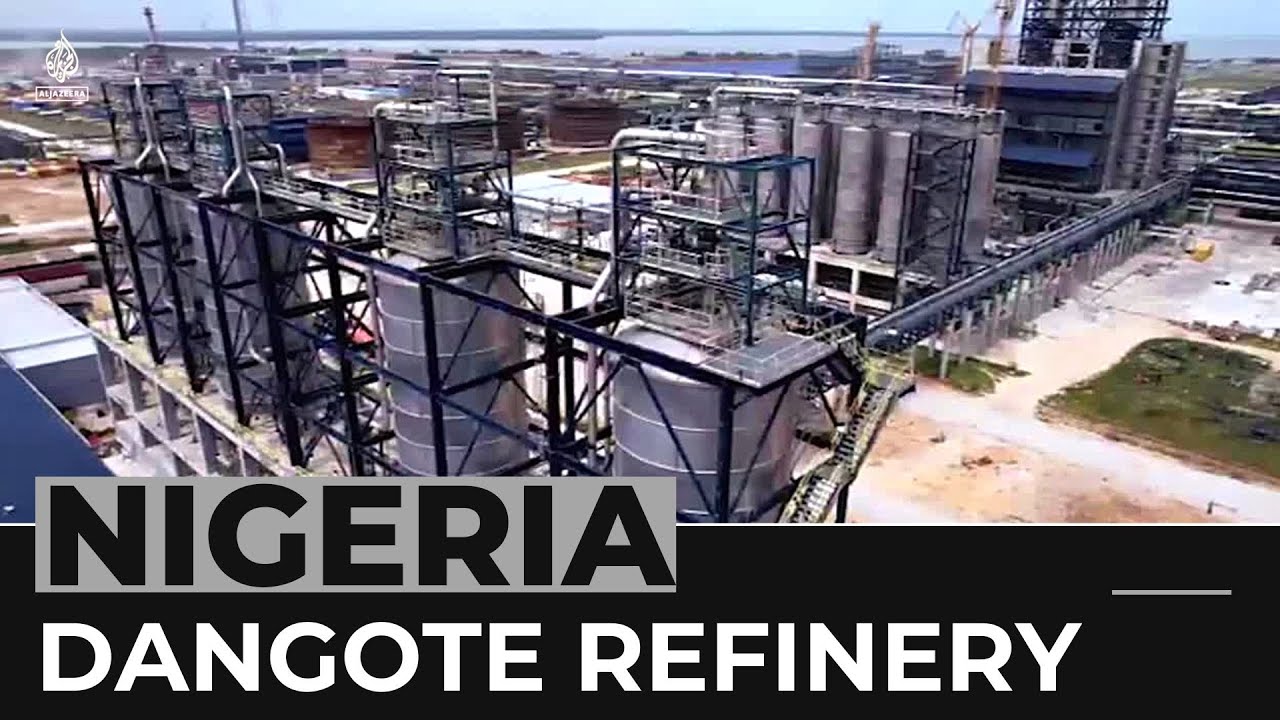
The Dangote Group has announced a reduction in the price of its Premium Motor Spirit (PMS), lowering it to N970 per liter from its previous rate of N990 per liter.

This adjustment comes as part of the refinery’s effort to support Nigerian consumers and marketers amid rising fuel price tensions. The announcement was made in a statement by Anthony Chiejina, the Group’s Chief Branding and Communications Officer, on Sunday.

Chiejina explained that this price reduction reflects the refinery’s commitment to offering competitive pricing while maintaining premium product quality.

He stated: “Dangote Petroleum Refinery has effected a reduction in the prevailing price of its Premium Motor Spirit (PMS) from N990/liter to N970/liter for the marketers. As the year comes to an end, this is our way of appreciating the good people of Nigeria for their unwavering support in making the Refinery a dream come true.”

The statement also reassured consumers of the quality of Dangote’s PMS, highlighting its environmentally friendly and sustainable properties. Chiejina added that the refinery is determined to ramp up production to meet domestic fuel consumption needs, reducing fears of supply shortages.

“While the refinery would not compromise on the quality of its petroleum products, we assure you of best quality products that are environmentally friendly and sustainable,” he said.

“We are determined to keep ramping up production to meet and surpass our domestic fuel consumption; thus, dispelling any fear of a shortfall in supply.”

The price reduction comes amidst ongoing tensions between Dangote Refinery and some marketers over the pricing of petrol. The Petroleum Products Retail Outlets Owners Association of Nigeria (PETROAN) criticized the refinery’s initial price of N990 per liter, arguing that importing PMS could be more cost-effective. PETROAN’s National Public Relations Officer, Joseph Obele, called for competition in the downstream sector to avoid monopolistic practices.

“The pricing from Dangote Refinery at N990 was inconsiderate, and we have finalized arrangements with foreign refinery partners to import high-quality PMS at a lower cost,” he said.

Obele refuted allegations from Dangote Refinery that PETROAN was planning to import substandard products, asserting that all products would meet regulatory standards.

However, Dangote Group countered these claims, asserting that significantly lower prices often indicate compromises in product quality or connections to oil theft. The company maintained that its products adhere to global regulatory standards, offering premium unleaded gasoline with 10ppm sulfur—a far superior quality compared to the 1,000ppm sulfur typically found in many imported fuels.

Kelvin Emmanuel, an energy and financial analyst, weighed in on the pricing debate, noting the quality gap between Dangote’s PMS and lower-cost imports.

He remarked: “The difference between Dangote selling at N970 and importers landing at N971 is significant. While they are landing substandard petrol of more than 1k ppm for sulphur, he’s selling premium unleaded gasoline of 10ppm sulphur that is accepted by regulators all over the world.”

Emmanuel likened the quality disparity to the contrast between luxury experiences, comparing a vacation in Bali to visiting a local destination (Oxbow Lake in Yenegoa), with far fewer amenities.

Dangote Refinery’s price reduction is seen as a strategic move to ease marketer concerns and foster stronger relationships within the sector. The Independent Petroleum Marketers Association of Nigeria (IPMAN) recently reached an agreement to lift petroleum products directly from Dangote’s facility, signaling improved collaboration.

The price adjustment also aligns with the refinery’s broader goal of addressing domestic fuel demands and reducing Nigeria’s dependency on fuel imports. However, industry analysts caution that Dangote Refinery’s competitive edge in quality and sustainability will need to be balanced with affordability to ensure long-term consumer and marketer support.

Tinubu’s Plan to Borrow $2.2bn May Expose Nigeria to External Currency Shocks, Says LCCI

0

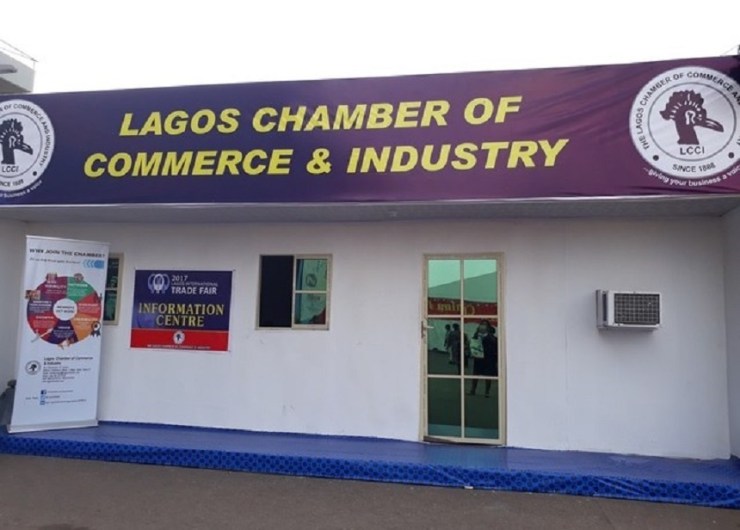
The Lagos Chamber of Commerce and Industry (LCCI) has voiced its concerns regarding the Federal Government’s plans to borrow $2.2 billion, emphasizing the risk of debt sustainability issues and its potential impact on critical infrastructure development.

This borrowing plan comes at a time when Nigeria’s fiscal challenges have deepened, driven by escalating debt servicing obligations, currency instability, and limited revenue generation.

The chamber, in a statement on Friday, signed by its Director-General, Chinyere Almona, warned that Nigeria’s growing debt profile, currently exceeding 50% of GDP, poses significant risks to economic stability.

Almona highlighted that debt servicing expenses have already begun to overshadow capital expenditure allocations. She noted that the concerns were driven by weak economic fundamentals and a lack of understanding of navigating through these challenges to a better economy in the near term.

She added that the country’s estimated debt-to-gross domestic product ratio of above 50 percent debt servicing expenses is set to swallow capital expenditure, and has already resulted in a debt of about $17 billion.

She stated, “The LCCI is taking the responsibility to, once again, warn about imminent debt sustainability issues and how that may further weaken the state of critical infrastructure in the country. The chamber has always advised against solely using debt financing without considering other options to fund budget deficits.

“A critical perspective of further borrowing is the risk of losing steam on infrastructure financing as debt servicing alone may rise above what is set aside for capital expenditure in the 2025 federal budget.”

The government’s increasing reliance on external borrowing, according to LCCI, also exposes the country to external currency shocks, particularly as the naira continues to weaken against the dollar.

Almona explained, “Another concern is the exposure to the external currency shocks that may result from the depreciation of the naira against the dollar in the course of servicing these accumulated debts.”

These challenges have been compounded by the Central Bank of Nigeria’s (CBN) struggle to stabilize the naira, despite various policy interventions aimed at boosting the foreign exchange supply, she added.

Recent data underscores the scale of Nigeria’s fiscal challenges. According to the 2025-2027 Medium Term Expenditure Framework and Fiscal Strategy (MTEF & FSP), Nigeria’s total debt servicing payments, including domestic obligations and interest payments on securitized borrowings, have already reached N5.51 trillion by August 2024, consuming 34.4% of the total budget.

Between January and August 2024, the cost of servicing foreign debts surged by 107.7%, reaching N3.8 trillion. This figure dramatically exceeds the N1.83 trillion budgeted for foreign debt servicing in the 2024 budget.

The surge in debt servicing expenses threatens to divert resources away from infrastructure projects critical to economic development.

Business leaders have urged the government to adopt alternative strategies to finance its budget deficit and stimulate economic growth. The government has been advised to intensify efforts to expand the non-oil revenue base through comprehensive tax reforms and foster growth in export-oriented sectors such as agriculture, manufacturing, and solid minerals.

Also, the government has been urged to privatize underperforming state-owned enterprises and enhance the efficiency of those retained under government control.

Increasing oil output, which has been constrained by theft and operational inefficiencies, is expected to significantly enhance government revenues.

The LCCI emphasized that stabilizing the naira and addressing structural issues in the foreign exchange market are urgent priorities. Almona explained that the government’s borrowing appetite must be managed prudently to prevent further weakening of the naira and to ensure that developmental objectives are not undermined by rising debt servicing costs.

She said funding critical business-supporting infrastructure like electricity supply, security for food production, logistics, and enabler manufacturing should be of utmost importance.

Virtual dollar cards for Africa: how to get one and use it for international payments

0

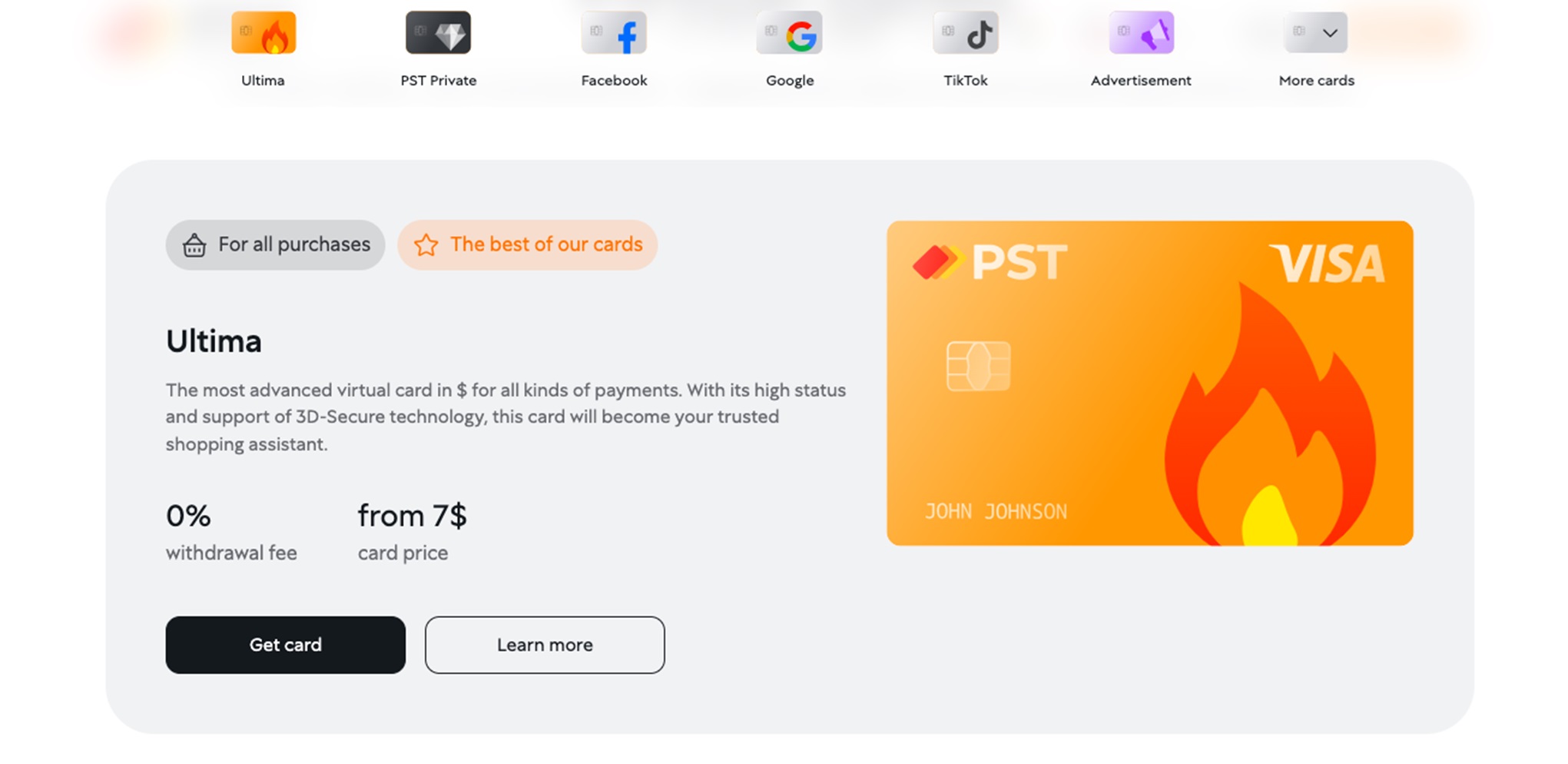
People in many African countries often face challenges when paying for international services and shopping due to restrictions imposed by local banks. Virtual cards provide a practical solution by overcoming these limitations and granting full access to global platforms and services. These cards are convenient, easy to use, and offer enhanced security. Among the many payment solutions available, the Ultima virtual card from the PSTNET platform stands out.

In this article, we’ll explore how to get and use this card and highlight its benefits.

What are virtual cards?

A virtual card is a digital version of a traditional bank card. It exists only online and is used for digital payments. Virtual cards are ideal for shopping on international platforms, paying for subscriptions, and accessing educational services because they are issued by banks in the United States and Europe. Unlike physical cards, virtual cards can be created in just one minute online without visiting a bank branch. Additionally, they cannot be stolen or lost.

Where can you use the Ultima card from PSTNET?

The Ultima card, powered by Visa/Mastercard, is widely accepted, making it a versatile tool for international payments.

The Ultima credit card has no spending or top-up limits, earning its title as an unlimited virtual card.

Here are the main categories where the card can be used:

  • Online Services and Subscriptions:
    Platforms like PayPal, Spotify, Netflix, and ChatGPT.
  • App Stores:
    Google Play, App Store, and PlayStation Store.
  • Online Shopping:
    Websites like Amazon, AliExpress, and eBay.
  • Travel:
    Purchase flight tickets and book accommodations on platforms like Booking.com or Airbnb.

One of the card’s major benefits is its zero transaction fees. There are no charges for transactions, blocked card operations, or withdrawals. The only fee is a 2% top-up fee, which makes it a cost-effective option for payments.

Protecting your funds with the Ultima Card

The Ultima card is equipped with a 3D Secure system, adding an extra layer of security for every transaction. This requires a unique code sent via SMS or a Telegram bot to confirm payments.

Even if someone gains access to your card details, they cannot use it without the confirmation code. The Telegram bot adds another level of security, as the messaging platform provides high privacy standards.

The card also offers two-factor authentication.

How to get the Ultima Card

Getting the Ultima card is straightforward. Here’s what you need to do:

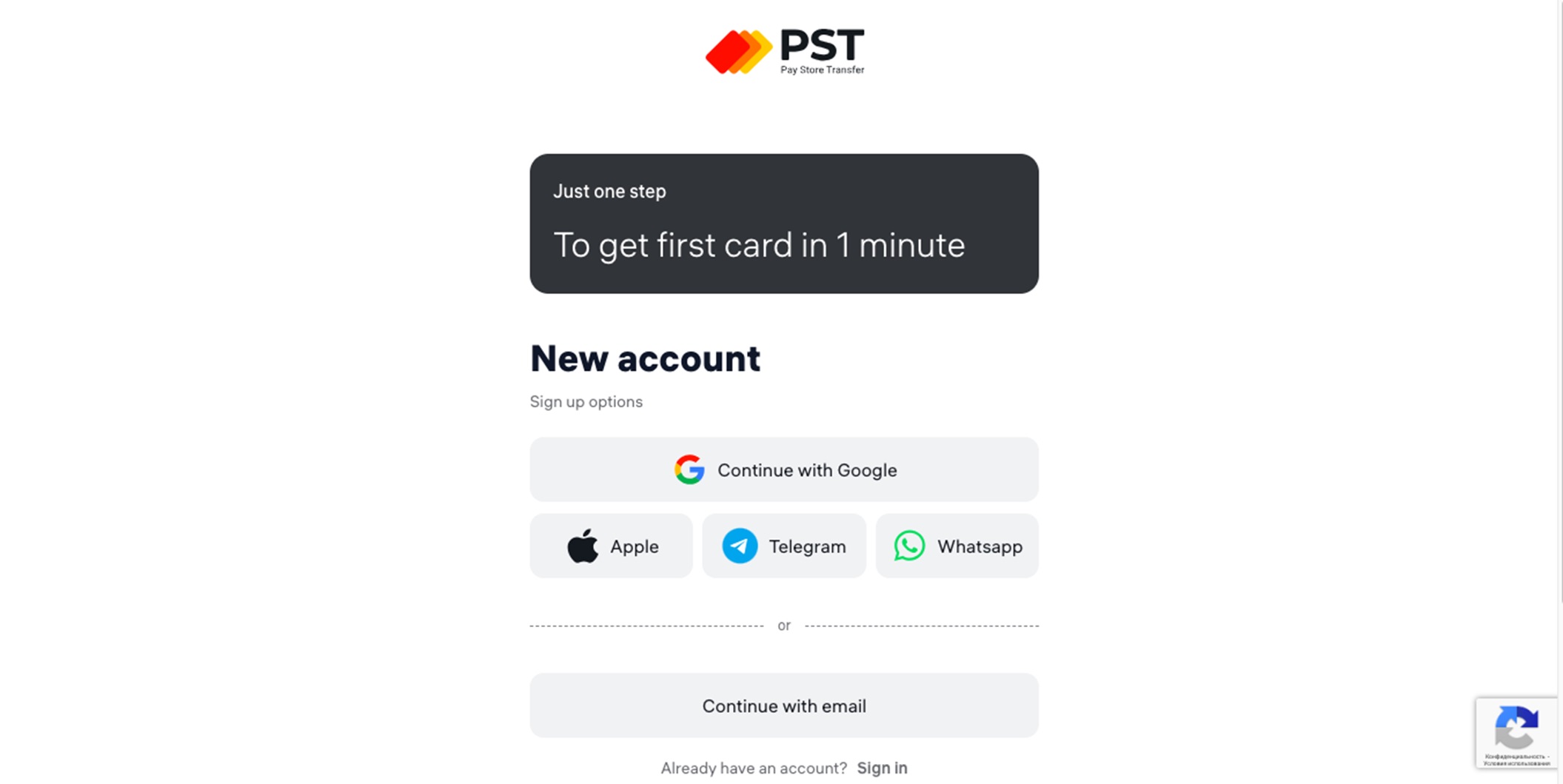
  1. Sign up on the PSTNET platform: You can register via Google, Telegram, WhatsApp, Apple ID, or email
  2. Access your dashboard: The system automatically creates an account, and the user-friendly interface helps you navigate quickly
  3. Issue the card: This process takes just a few clicks
  4. Top up the balance: Choose the method that suits you best

The card becomes active immediately after it is issued, allowing you to use it straight away

Pricing

The cost of the Ultima card depends on the plan you choose:

  • Weekly Plan: $7 per week
  • Annual Plan: $99 for the entire year (a 48% discount compared to weekly payments)

Compared to similar services on the market, the Ultima card remains one of the most cost-effective solutions.

How to top up your Ultima card

You can add funds to your card using several methods:

  1. Crypto: Supports 18 types, including BTC, USDT, and ETH, with automatic conversion to USD or EUR
  2. Bank Transfers: SEPA or SWIFT transfers
  3. Other Cards: Any Visa or Mastercard-based cards

Ultima cardholders can access 24/7 customer support for any inquiries. You can contact the support team via Telegram, WhatsApp, online chat on the PSTNET website

Conclusion

The Ultima virtual card is a versatile solution for people living in Africa. It is convenient, cost-effective, and secure. Most importantly, it solves local issues with paying for international services, opening up new opportunities for safe shopping, accessing educational platforms, and using various online services and software.

If you want to stay ahead in global financial trends, the Ultima card can be your reliable companion.

Stellar (XLM) and Cardano (ADA) Lead in Gains – DTX Exchange (DTX) Hits $8.3M in Presale and Eyes Explosive Debut

0

It has been an exciting week, from Bitcoin’s new ATH ($99,000) to altcoins exploding. Stellar (XLM) and Cardano (ADA) lead in gains, outpacing other top crypto coins. These are altcoins to watch as the bulls continue their rampage.

Also trading upward is DTX Exchange (DTX) soaring past $8.3 million in presale. With eyes on an explosive debut as the launch date approaches, it is a new DeFi project to watch. Besides its massive growth prospects, other things to anticipate are its hybrid trading platform and the intersection between DeFi and TradFi.

DTX Exchange (DTX): The Best New Crypto to Invest in?

DTX Exchange (DTX) is one of the shining lights in the presale world. One of its biggest attractions is its blend of traditional and decentralized finance. In addition to bridging the gap between the crypto world and the traditional financial systems, its hybrid trading platform will combine the best elements of CEX and DEX.

This unique hybrid exchange protocol drives massive interest and demand. In the fifth round of the ICO, almost $8.5 million has been raised in early funding, highlighting the rapidly growing community and investor trust. Other key aspects of the DTX protocol include smart contracts, distributed liquidity pools and an on-chain order book.

As it approaches its debut, industry experts say the token price of $0.10 is a steal. Heavily discounted, it is tipped for a 65x upswing after its debut, positioning it as a more compelling bet than Stellar (XLM) and Cardano (ADA).

Stellar (XLM): One of the Week’s Biggest Winners

Stellar (XLM) is a payment-based protocol and a top altcoin—one of the standout players this month. This month, the Stellar price skyrocketed over 190%, retailing above $0.27. In the past seven days, it soared 110%, leading the crypto market in gains.

Just 70% below its 2018 all-time high of $0.93, Stellar (XLM) is on track for a comeback. The altcoin price hovering above the 10-EMA ($0.21) and 10-SMA ($0.20) are key indicators suggesting further gains. Moreover, analysts anticipate further upswings.

Crypto analyst VipRoseTr has $0.28 as their next target, followed by $0.34 and $0.41. Traderview2, another expert, commented that as long as the $0.24 support continues to hold, the price might hit $0.30.

Cardano (ADA) Eyes Huge Gains This Bull Cycle

Cardano (ADA) hasn’t run out of steam since its breakout. Outperforming most top altcoins, the Cardano price soared over 120% in the monthly timeframe, changing hands above $0.81. The past seven days haven’t been less exciting either—over 35% gain.

Approaching a breakout above $1, Cardano (ADA) is one of the altcoins to watch. The 20-VWMA, 10-SMA and 10-SMA are technical indicators suggesting further gains, positioning ADA among the best cryptos to invest in.

Meanwhile, experts’ bullish forecasts are a reflection of its promising outlook. CryptoYapper, a crypto analyst, has $7 to $9 as their ADA price prediction for the next 6 to 12 months. Pablo_cro takes a more conservative approach, predicting a rally toward $5 during this bull cycle.

DTX Exchange (DTX): A Better Bet Than Stellar (XLM) and Cardano (ADA)?

DTX Exchange (DTX), one of the rising stars in the crypto world, is a new player at the crossroads between traditional and decentralized finance. Its hybrid trading platform—a blend of the best elements of CEX and DEX—sets it up for massive adoption and growth. Eyeing an explosive debut, it might be a better bet than Stellar (XLM) and Cardano (ADA).

Learn more:

Buy Presale

Visit DTX Website

Join The DTX Community

The China’s Supply Chain Competitiveness in Global Economy

0

If you are in New York, you can buy an iPhone case and get it delivered from China, for less than $2, including shipping and the cost of the product. How is that possible?

If you live in Berlin, you can get a better electric vehicle at half the cost sold by the local car companies. How is that possible?

If you are in Sokoto, your concern on that container is the burden of moving it from Lagos to Sokoto, and not the wahala from China  to Lagos.

Simply, China has the world’s finest supply chain apparatus, and they have used technology to improve their marginal cost on logistics and broad space of supply chain systems. From warehouses with no humans to ports manned by robots,  they have gained competitive advantages on making and shipping things than any nation on earth. This video shows a small case: an automated sorting for packaging and shipping in a warehouse in China.

The challenge: if you can even make the product, can you ship it efficiently as China does?