DD
MM
YYYY

PAGES

DD
MM
YYYY

spot_img

PAGES

Home Blog Page 2747

PaidHR Launches New Cross-Border Payroll Feature, Empowering African Businesses with Multi-Currency Salaries

0

PaidHR (formerly Pade HCM), a platform that helps African organizations manage their entire employee lifecycle, has launched a new cross-border payroll feature, allowing employees to receive salaries in 49 different currencies.

The cross-border feature will allow companies with employees in different countries to pay in their local currency, which is an important part of PaidHR’s expansion strategy. The solution features a wallet that allows employees to convert their pay into any preferred currency and spend directly.

This new development, follows the company’s recent pricing revamp, which removed upfront fees, and the launch of PaidHiring, an applicant tracking system. Notably, the cross-border payroll feature is designed to benefit remote workers who are paid globally, offering a hedge against macroeconomic challenges such as currency devaluation.

Speaking in the roll-out of the feature, PaidHR CEO Seye Bandele said,

“We are building HR management with an African context and some of our users have requested this feature. We are building a cross-border solution but for the employed. Before creating the wallet feature, we thought of a way to help users spend from where they earn”.

In addition to this feature, the startup has introduced a proprietary wallet service that includes bill payments and embedded finance products. “We are the Fintech for employees,” Badmus noted, highlighting the company’s commitment to streamlining financial services for workers.

PaidHR’s new cross-border payroll feature adds to its suite of products which helps organizations with onboarding, HRIS, payroll, compliance, performance management, asset management, disciplinary actions, and exit processes for their employees.

Founded in 2021, the company has disbursed over N30 billion in salaries for over 100 businesses. It partners with employers to simplify the way they manage their workforce.

In 2023, PaidHR disbursed ?11.473 billion worth of salaries to employees of its clients which includes Flutterwave, Famasi, Risevest, Max, and Dantata. The ?11.473 billion in salaries paid to employees, was a 41.1% increase from its 2022 figure of ?7.245 billion.

In 2023, the company launched Earned Wage Access (EWA), a feature that allows employees to draw an advance from their salaries before payday. EWA was developed as a result of a growing trend seeing employees demand much more freedom from their employers. The EWA app has features such as the ability to track company goals and objectives that have been set by their managers and measure how their performance is contributing to the goals. 

Since its inception, PaidHR has been on a journey to empower African businesses with the tools they need to thrive in a rapidly changing world. The company wants to be the backbone of the workforce in Africa and see that the lives of African employers and employees are improved, further positioning itself as a leader in the African HR tech space.

Nigeria’s Electricity Challenge: Bezos-backed GEAPP Announces Plan for A Multi-million Dollar Mini-grid Solar Project

0

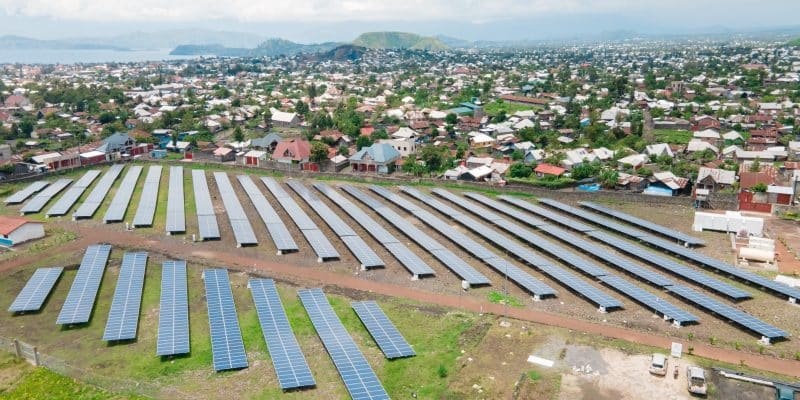
The Global Energy Alliance for People and Planet (GEAPP), a global climate initiative backed by the Rockefeller Foundation and the Bezos Earth Fund, is piloting an innovative solar mini-grid project in Nigeria.

This initiative is designed to address the country’s persistent power challenges, which have long hindered productivity and economic development. By establishing interconnected solar mini-grids, GEAPP aims to provide a reliable and sustainable energy solution, especially in areas that have suffered from inadequate electricity supply.

Launched in 2021 in collaboration with the Ikea Foundation, the Global Energy Alliance for People and Planet has made significant strides in advancing clean energy solutions. The first interconnected mini-grid was completed in December, with two more currently under construction and funding secured for a fourth.

These mini-grids, operated by private developers, are intended to supplement the inconsistent electricity from the national grid, ensuring that businesses and households have continuous access to power. Such initiatives are crucial in a country where frequent grid failures disrupt daily life and economic activities.

To enhance the cost-effectiveness and scalability of its projects, GEAPP has introduced the Demand Aggregation for Renewable Technology (DART) program. This initiative consolidates the requirements of multiple developers, allowing for the bulk procurement of solar equipment, thereby reducing overall costs.

Furthermore, the DART program administers a $25 million financing facility that enables developers to secure funding in foreign currency for importing equipment, with repayment made in Nigeria’s local currency, the naira, once the mini-grids begin generating revenue. This approach helps developers navigate Nigeria’s foreign exchange challenges and facilitates the growth of the renewable energy sector.

Fauzia Okediji, a utility innovation manager at GEAPP, highlighted the importance of the initiative during a segment on Bloomberg TV’s Wall Street Week, saying, “You have those kind of underserved communities that do require reliable power to power their homes and their businesses.”

The goal is to address the gaps in electricity access across Nigeria, especially for the approximately 86 million people who still lack access to electricity altogether.

Muhammad Wakil, GEAPP’s country delivery lead, emphasized the project’s significance during an interview at the Ogun State project site.

“We need hundreds or thousands of this kind of projects across Nigeria to end energy poverty. We have shown it’s a viable business model,” he said.

Wakil’s statement aligns with the growing campaign for widespread adoption of mini-grid solutions to address Nigeria’s chronic energy issues.

Nigeria’s Power Woes

Nigeria’s power sector is notorious for its inefficiency and inability to meet the needs of its population. With an estimated population of around 230 million, Nigeria’s electricity grid delivers only about 4,800 megawatts of power—roughly one-sixth of South Africa’s capacity, despite South Africa’s population being just a quarter of Nigeria’s. This disparity highlights the severity of Nigeria’s energy deficit.

The situation is further compounded by frequent grid collapses and widespread outages, which disrupt economic activities and make life challenging for millions of Nigerians. In just the past week, the national grid collapsed three times, bringing the total number of shutdowns this year to nine. These systemic failures underline the urgent need for alternative energy solutions.

For decades, Nigeria has struggled with inadequate power infrastructure, insufficient generation capacity, and technical challenges, including obsolete equipment and poor maintenance. Efforts to improve power supply have often been hampered by policy inconsistencies, lack of investment, and corruption.

The reliance on centralized power generation, which is heavily dependent on gas-fired plants, has made the grid vulnerable to disruptions from fuel shortages and technical failures. The ongoing issues with the national grid have made a strong case for decentralized energy solutions such as solar mini-grids, which can operate independently and provide reliable power to underserved areas.

Solar Energy Potential in Nigeria

Although deeply mired in energy challenges, Nigeria is endowed with abundant solar energy resources, offering a potential solution to its electricity woes. The country receives an average of six hours of sunlight per day, making it suitable for both concentrated solar power and photovoltaic generation. Estimates suggest that Nigeria has the capacity to generate approximately 427,000 megawatts (MW) from solar energy alone, a figure that dwarfs the current output of the national grid.

Energy experts believe that the country can significantly expand its energy mix, reduce its dependence on fossil fuels, and improve access to electricity, by harnessing this vast potential.

The development of solar energy in Nigeria has garnered increased attention in recent years, especially as the cost of solar technology has decreased and awareness of climate change has grown. The government’s efforts to promote renewable energy include policies such as the Renewable Energy Master Plan and the National Renewable Energy and Energy Efficiency Policy, which set ambitious targets for expanding the share of renewables in Nigeria’s energy mix.

However, progress has been slow due to challenges such as financing, regulatory hurdles, and the high initial costs of solar installations.

GEAPP’s solar mini-grid initiative represents a practical approach to overcoming some of these challenges by providing decentralized power solutions that can be scaled up. Mini-grids offer a flexible and modular solution, capable of delivering electricity to remote and off-grid communities where extending the national grid is not economically viable. The involvement of private developers also brings much-needed investment and expertise, which can accelerate the deployment of solar energy across the country.

Broader Electrification Efforts by The Government

In addition to GEAPP’s initiatives, the Nigerian government and international partners are pursuing other projects to improve access to electricity, particularly in rural areas. The Rural Electrification Agency (REA) has been instrumental in driving off-grid and mini-grid projects across Nigeria. Earlier this month, the REA’s Director-General announced a new rural electrification project funded by the World Bank, which is set to launch next month with a budget of $750 million. This initiative aims to bring electricity to 17.5 million Nigerians through a combination of grid extension, mini-grids, and stand-alone solar systems.

The World Bank-funded project underlines a growing recognition of the need for multi-faceted approaches to electrification that go beyond simply expanding the national grid. The focus on mini-grids and off-grid solutions is seen as crucial for reaching remote communities that are unlikely to benefit from grid extension in the near future.

However, while GEAPP’s solar mini-grid initiative represents a promising step toward solving Nigeria’s energy crisis, experts believe that much remains to be done to achieve sustainable and universal access to electricity. They note that scaling up such projects to reach the millions still without power will require overcoming regulatory, financial, and logistical barriers.

For instance, creating a favorable investment climate for renewable energy developers and ensuring that policies remain consistent and supportive will be essential for attracting the necessary funding. They also note the need for greater collaboration between the public and private sectors to share risks and maximize the impact of electrification projects.

Nigeria Finally Approves Exxon Mobil’s $1.3bn Assets Sale to Seplat Energy, Leaves Shell Hanging

0

Nigeria has finally approved Exxon Mobil Corp.’s $1.3 billion sale of its onshore oil and gas assets to the local energy firm Seplat Energy Plc, marking the end of a prolonged two-year delay, Bloomberg reports.

The move, however, comes in contrast to the rejection of a similar deal by Shell Plc, signaling a mixed stance towards international oil companies seeking to divest their onshore assets in the West African nation. The contrasting outcomes underline the government’s evolving approach to foreign investment in the oil sector, amidst rising environmental concerns and a push for local ownership.

The Nigerian Upstream Petroleum Regulatory Commission (NUPRC) confirmed the approval of the Exxon deal on Monday, with its Chief Executive Officer, Gbenga Komolafe, making the announcement during a conference in Abuja, Nigeria’s capital.

President Bola Tinubu, who also serves as the Minister of Petroleum, had hinted at the approval during his Independence Day speech on October 1, promising that it would be finalized within days. The decision allows Exxon Mobil to divest its onshore interests and focus on expanding its offshore operations, a strategy that aligns with the company’s recent announcement to potentially invest up to $10 billion in offshore projects in Africa’s largest oil-producing nation.

For Seplat Energy Plc, the acquisition represents a significant opportunity, with the potential to nearly quadruple its oil production to over 130,000 barrels per day. The company, which has positioned itself as a leader in Nigeria’s transition towards local ownership and control of the oil sector, will significantly strengthen its presence in the upstream segment through this deal.

Seplat has previously stated that acquiring Exxon’s assets aligns with its growth strategy of increasing production capacity and expanding its operational footprint.

The approval of Exxon’s asset sale is seen as a win for Seplat and a boost to local participation in Nigeria’s energy sector. However, the situation stands in stark contrast to Shell’s experience. The Anglo-Dutch multinational has faced ongoing hurdles in securing government consent to sell its onshore oil and gas assets to Renaissance, a consortium of Nigerian firms. The deal, valued at over $1.3 billion, was expected to facilitate Shell’s long-desired exit from onshore operations, which have become increasingly challenging due to environmental controversies and community grievances over oil spills.

For years, Shell has grappled with the fallout from frequent oil spills, which have led to widespread pollution in the Niger Delta. Local communities have accused the company of negligence, blaming it for the environmental degradation that has severely impacted their livelihoods. Shell, however, has often attributed these incidents to vandalism and oil theft, which result in damage to infrastructure and subsequent leaks.

The company’s desire to divest its onshore assets is largely driven by these escalating operational difficulties and the shifting dynamics of Nigeria’s energy industry, where international oil companies are gradually pivoting towards offshore investments.

The Renaissance consortium, which comprises ND Western, Aradel Energy, First Exploration & Petroleum Development Company (First E&P), Waltersmith Petroman Oil Limited, and Petrolin, had emerged as the local bidders for Shell’s assets.

Tony Attah, the CEO of Renaissance and a former Shell executive with three decades of experience in the oil and gas industry, was optimistic about concluding the transaction. Nevertheless, the failure to secure regulatory approval represents a significant setback for the consortium and raises questions about the criteria influencing government decisions on such asset sales.

Shell’s spokesperson, responding to the development, indicated that the company remains in discussions with the Nigerian government and is working to meet the regulatory requirements necessary to advance the approval process.

The divergence in outcomes for Exxon and Shell is considered a reflection of broader considerations by the Nigerian government. Exxon’s move to bolster its offshore investments seems to align with the administration’s goals of maintaining the country’s position as a major global oil producer while reducing onshore environmental risks. By contrast, Shell’s onshore operations, plagued by oil spills and local disputes, may have been viewed as less desirable for immediate approval.

Furthermore, President Tinubu’s administration, which took office in May 2023, appears keen on shaping a new regulatory environment that emphasizes local ownership and environmental responsibility. The Exxon-Seplat deal aligns with this vision, potentially signaling a shift towards encouraging partnerships that favor indigenous companies. The approval also comes amid Nigeria’s broader push to increase local content in its oil and gas industry, ensuring that a greater share of the sector’s wealth benefits the domestic economy.

Nigeria’s Daily Petrol Consumption Fell to 4.5m Liters In August As Subsidy Removal Takes A Toll

0

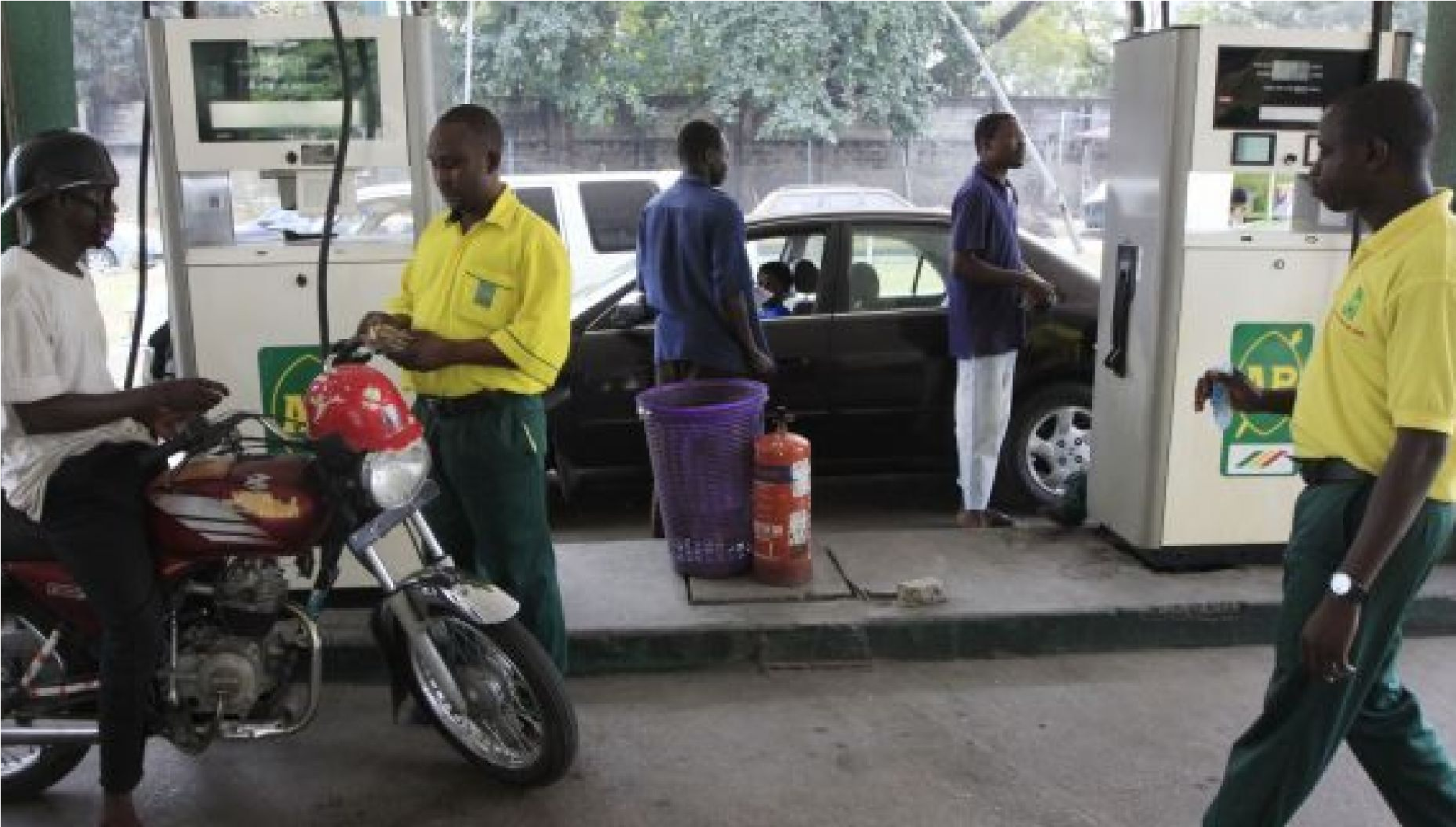
Under President Bola Tinubu’s administration, Nigeria has seen a drastic reduction in the daily consumption of Premium Motor Spirit (PMS), commonly known as petrol. As of August 20, 2024, data from the Nigerian Midstream and Downstream Product Regulatory Authority (NMDPRA) revealed that daily petrol consumption had plummeted to just 4.5 million liters.

This marks a sharp 92% drop from the 60 million liters consumed daily in May 2023, just before the president took office. The striking decline in fuel use is primarily attributed to the significant increase in petrol prices following the removal of long-standing subsidies, forcing many Nigerians to abandon their vehicles and seek more affordable transportation options.

The removal of petrol subsidies was one of Tinubu’s first major policy decisions upon assuming office on May 29, 2023. Citing the unsustainable financial burden of the subsidies, which had cost the country an estimated N12 trillion over a decade, the president argued that continued subsidy payments were untenable and had contributed to the nation’s mounting debt. In the aftermath, petrol prices surged from N195 per liter to approximately N1,300 per liter, triggering severe economic consequences for millions of Nigerians.

The drastic hike in fuel prices resulted in a cascade of economic effects, notably pushing inflation to a near three-decade high of 34.19% by June 2024, before it slightly eased to 32.7% in September. The elevated cost of living has exacerbated poverty levels, with the World Bank reporting that approximately 129 million Nigerians—56% of the population—are now living below the national poverty line. This figure represents a steep rise from the 40.1% recorded in 2018, underscoring the extent to which inflation has outpaced economic growth, leaving real GDP per capita below levels seen prior to the 2016 oil price-induced recession.

Thus, the sharp decline in petrol consumption has highlighted significant changes in consumer behavior and fuel accessibility across Nigeria.

An analysis of the NMDPRA’s Daily Truck Out Report for August 2024 revealed that out of the 36 states, only 16 received petrol allocations from the Nigerian National Petroleum Company Limited (NNPCL), leading to widespread scarcity. Niger state received the highest allocation, with 21 trucks amounting to 940,000 liters daily, while Lagos followed with 12 trucks totaling 726,001 liters. Kaduna, Oyo, and Kano were also among the states receiving relatively higher allocations. In stark contrast, states such as Gombe, Benue, Ekiti, and Kebbi received only one truck each, translating to severe shortages in many areas.

Although the changing dynamics of the removal of fuel subsidies is resulting in fuel scarcity across the country, the decline in fuel consumption has been largely attributed to unaffordable fuel costs. The economic strain resulting from the fuel price surge has led many Nigerians to abandon personal vehicles due to the prohibitive costs.

The shift in transportation habits is evident in the stories of individuals like Emmanuel, a 72-year-old retired health worker, who has had to adjust to the new reality.

“I parked it at my son’s house. I use public transport now,” Emmanuel told AFP. “It is not convenient, but it is what the economy demands.”

His experience is shared by many, as public transport becomes the more viable alternative amid skyrocketing fuel prices.

The impact on the automotive market has been equally significant, with car dealers in major cities like Lagos and Abuja observing an uptick in the sale of large, fuel-consuming vehicles. According to Maji Abubakar, a car dealer in Abuja, there has been a noticeable trend of people selling off their bigger cars and sports utility vehicles (SUVs) in favor of more fuel-efficient models.

“People are actually selling their big cars these days,” Abubakar told AFP. “The problem is that even if you put them on the market, there isn’t much demand for them.”

He further highlighted that it has been more than a year since he last sold a car with an eight-cylinder engine, attributing this shift primarily to the steep increase in petrol prices.

Although as an advantage, the increased fuel prices have had the unintended effect of potentially curbing illegal activities such as fuel smuggling–as the economic incentive for such activities diminishes with the higher domestic prices, it has also curtailed the ability of many Nigerians to afford driving, leading to low demand.

The economic fallout from the subsidy removal has raised questions about the sustainability of such policies amid widespread poverty and inflation.

A recent World Bank data underscores a worsening poverty situation, with more than half of Nigeria’s population now estimated to live in poverty. The organization’s report noted, “Since 2018, the share of Nigerians living below the national poverty line has risen sharply from 40.1% to 56.0%. This stark increase partly reflects Nigeria’s beleaguered growth record.”

The report added that “multiple shocks in a context of high economic insecurity have deepened and broadened poverty, with over 115 million Nigerians estimated to have been poor in 2023. Since 2018/19, an additional nearly 35 million people have fallen into poverty.”

Top Crypto Assets Poised for Explosive Growth: Fetch.AI, Dogwifhat, and FXGuys

0

Bitcoin (BTC) has made two attempts to break through the $65K resistance this month, but sharp pullbacks followed both efforts. While many altcoins lack bullish signals, three cryptocurrencies are gaining momentum: Fetch.AI (FET), Dogwifhat (WIF), and FXGuys ($FXG). Top analysts have highlighted breakout opportunities for FET and WIF while FXGuys makes headlines in the market.

Fetch.AI’s price has significantly risen recently, demonstrating its resilience despite minor market dips. Dogwifhat has outperformed the market, posting a 16.5% increase recently. Meanwhile, FXGuys has achieved remarkable success in its presale thanks to its goal of enhancing the forex trading experience through advanced features and community-driven tools.

This article explores how Fetch.AI, Dogwifhat, and FXGuys position themselves for a huge market gain.

Fetch.AI (FET): Buying Pressure Increases

Fetch.AI’s price has experienced notable fluctuations in market activity, largely driven by significant transactions from “whales.” Over the past few weeks, these influential market players have been buying and accumulating FET heavily. The project combines artificial intelligence with blockchain technology to support decentralized systems.

Captain Faibik predicts that FET is primed for an upside breakout from a broadening wedge pattern. He noted that the breakout retest has been confirmed on the daily chart and expects a major bullish rally. Faibik urged traders not to miss this opportunity, highlighting the potential for substantial short-term gains in FET.

>>>BUY $FXG TOKENS HERE<<<<

Dogwifhat (WIF): Witnessing Strong Market Demand

Dogwifhat’s has sustained upward movement, which indicates strong market demand, with a 16.5% rise over the past week. If the current momentum persists, WIF could see further gains. Trader Bitforce highlighted that after seven months of consolidation, WIF is breaking out of its large channel.

Similarly, another trader, Vutek, emphasized that WIF is making its second attempt to achieve a higher high against Bitcoin. This suggests WIF is nearing a critical point in its price action. It could trigger a sharp rise toward its all-time high (ATH) if it breaks through.

FXGuys ($FXG): Traders Can Trade On Multiple Platform

FXGuys, a new DeFi crypto, is making waves by merging decentralized finance with traditional finance to offer a comprehensive all-in-one trading ecosystem. On the platform, users can trade across multiple markets, including cryptocurrencies, forex, commodities, and equities. This approach gives FXGuys a competitive edge, attracting conventional traders and crypto enthusiasts.

FXGuys offers its traders an innovative staking mechanism that cultivates a self-sustaining ecosystem. Token holders actively participate in a system designed to indefinitely generate resources for the token. By locking their tokens, holders gain access to a share of the trading volume profits, with potential returns of up to 20% annually.

FXGuys is currently in stage one of its presale, with tokens priced at $0.03 after selling 68,000,000 tokens and raising over $1 million during its private round. This success has sparked excitement around the project. Analysts forecast $FXG could deliver a 100x return for early investors searching for promising cryptos to invest in the market.

Conclusion

If you’re looking for top cryptos to invest in, FXGuys, Dogwifhat, and Fetch.AI are three altcoins you should consider adding to your portfolio for potential gains. Experts recommend starting with FXGuys, thanks to its innovative features, impressive presale performance, and the growing buzz surrounding the project. With all signs of a breakthrough, FXGuys could be on the verge of something significant.


To find out more about FXGuys follow the links below:

Website | Whitepaper | Socials | Audit

 Exclusive FXGuys Promo Code:

USE PROP10 FOR 10% BONUS