DD
MM
YYYY

PAGES

DD
MM
YYYY

spot_img

PAGES

Home Blog Page 2758

Binance Expands Crypto Access in Africa With Mobile Money Integration

0

Binance, a leading cryptocurrency exchange platform, is integrating its crypto services with mobile money payments across Africa.

The cryptocurrency exchange will launch the service in West and Central African countries, which includes Benin, Cameroon, Ivory Coast, the Democratic Republic of Congo (DRC), Togo, and Senegal, enabling users to purchase cryptocurrency directly through mobile money payments.

Powered by local partnerships, this innovation underscores Binance’s commitment to expanding cryptocurrency access and driving financial inclusion across Africa. Spokeswoman for Binance Samantha Fuller, emphasized the company’s focus on advancing crypto adoption across the continent. She stated that the expansion into West and Central Africa is a significant step in Binance mission to increase crypto adoption for millions of people.

In her words

“We remain focused on advancing financial inclusion and delivering user-friendly solutions for crypto adoption across Africa. This expansion into West and Central Africa, is a significant step in our mission to increase crypto adoption, providing millions of people with more direct access to the global digital economy”.

It is however worth noting that Binance crypto-to-mobile money service currently supports only BUY transactions, simplifying the entry point for new users and ensuring a reliable, secure platform for acquiring digital assets. This initiative aligns with Binance’s broader vision of financial inclusion, leveraging the widespread use of mobile money in Africa to democratize access to cryptocurrency.

The integration of Binance’s cryptocurrency services with mobile payments across Africa brings several significant advantages to the continent which includes the following;

1. Increased Financial Inclusion

One of the most pressing issues across Africa is the large unbanked population, with millions of people having limited or no access to traditional financial services. Mobile money has already revolutionized how people in Africa handle money, especially in regions with low banking penetration. By integrating cryptocurrency purchases into mobile money platforms, Binance opens up access to a wider range of financial tools, allowing more Africans to participate in the global digital economy. It provides an alternative means of saving, transferring money, and accessing global financial services, even for those without a formal bank account. 

2. Empowering Entrepreneurs and Small Businesses

Mobile money and crypto integration can provide African entrepreneurs and small businesses with direct access to global markets. Stablecoins and other cryptocurrencies offer solutions for handling cross-border payments with minimal fees, faster transaction times, and reduced currency conversion risks. This is particularly important for African businesses trading with international partners or receiving payments from clients abroad. It could reduce reliance on costly and slow traditional banking systems, helping small businesses grow and operate more efficiently.

3. Mitigating Currency Volatility

Many African countries face issues of inflation and currency instability, which can erode savings and reduce purchasing power. Cryptocurrencies, particularly stablecoins (which are tied to stable assets like the US dollar), can provide an effective hedge against local currency fluctuations. By enabling users to purchase and hold cryptocurrency through mobile money, Binance gives Africans a more stable store of value and a way to preserve wealth in the face of economic challenges.

Binance’s integration of cryptocurrency services with mobile money payments in Africa represents a major leap toward financial inclusion and digital empowerment on the continent. By leveraging the popularity of mobile money, Binance can democratize access to cryptocurrencies, offer affordable financial solutions, and address real-world challenges like currency instability and cross-border payment inefficiencies.

This move not only boosts Binance’s footprint in Africa but also contributes to the broader goal of economic growth, innovation, and digital transformation across the region.

Buying Your First Car at an Auction: Top Reasons

0

Purchasing your first car is undoubtedly a very special experience. Becoming a vehicle owner is not only about achieving some kind of new status in life, it’s also about accepting huge responsibility and becoming a truly mature person. This is why it is important to make this process as smooth as possible.

When it comes to business, however, things usually get increasingly complicated. Buying a new car is quite pricey and requires a lot of paperwork, especially if you decide to take a loan from the bank to get your vehicle.

On the other hand, buying a used car requires a lot of attention in order not to get scammed, and it can also be pricey at times. This is where the Trenton car auction turns this game the other way around.

A Powerful Combination

If you think about it, purchasing a car at an auction combines the best of the two aforementioned methods. On the one hand, you get the opportunity to choose a car you want at a reasonable price.

On the other hand, the process is completely legal and often involves additional extremely important processes, like tech inspection. Besides, car auctions are very accessible. If you’re looking for your local auction, check out CARS4.BID for Trenton car auction locations, and you’ll find one in no time.

On top of that, you can find all the information about the car’s price and state there as well. So, there should be no surprises, and you’ll likely have the best experience while purchasing your first car. Here are some more reasons to look into this subject if you’re planning your first vehicle purchase now:

  • wide selection – diversity is a strong side of car auctions, as lots of sellers offer a wide variety of models in nearly every category, so the choice can be virtually unlimited;
  • great deals and prices – it’s not only about buying a used car, it’s also about bidding, and the best price always wins, so it’s almost always up to you how much you’ll spend on your first vehicle;
  • easy paperwork – not only are car auctions legal, but they also make sure that all papers are clear and in order;
  • free tech inspection – with a variety of cars offered at an auction and the number of potential sellers, auto inspection is one of the obligatory processes in car auctions, so you’ll get your first car checked for free;
  • insightful experience – finally, car auctions always involve lots of like-minded buyers and sellers, so you’ll learn a lot about car ownership here as well.

Buying your first car can be much easier than you think, so there’s no reason to put it away for better times. Becoming a driver can be an essential event in your life, and it’s a good investment. Car auctions, being safe and accessible, can greatly help you through this process, which can be challenging at times.

Making the First Steps

Owning and driving a car is one of those crucial factors that make you not just an adult, but also a mature individual. It’s not only about a skill or legal status but also about responsibility and opportunities.

A great car that you crave might help you go places, both literally and philosophically. Who knows, maybe you can start your own transportation business or go to another city where you can settle and eventually live your dream life.

Nvidia’s Ongoing Battle in Court

0

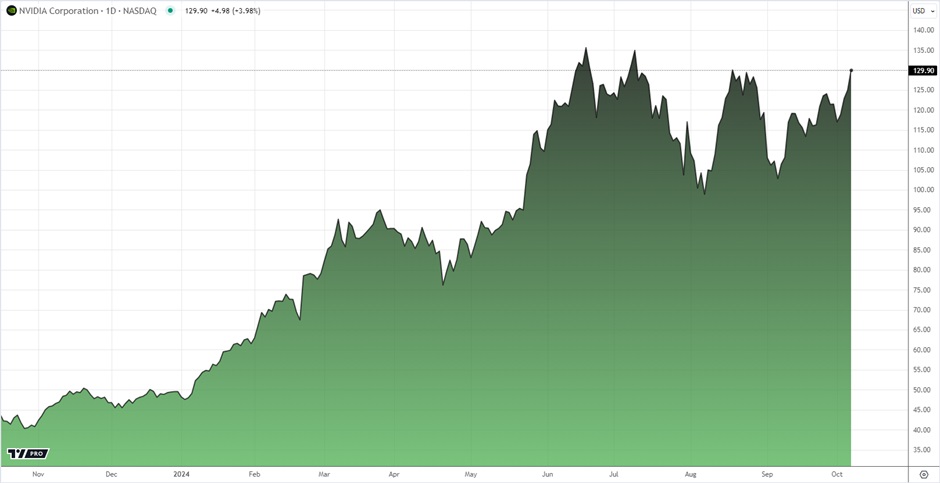
In recent months, interest in Nvidia from both investors and analysts has continued to grow with the boom in artificial intelligence. However, a looming trial has cast a shadow, creating ongoing uncertainty that has persisted for several years. The class-action lawsuit against Nvidia, filed in 2018, is still unfolding, and recent statements from the U.S. Securities and Exchange Commission (SEC) and the Department of Justice highlight their involvement in the case.

The lawsuit against Nvidia, initiated by the Schall law firm, accuses the company of misrepresenting financial results related to video card sales used for cryptocurrency mining. In particular, the plaintiffs allege that Nvidia did not disclose information about the dependence of its financial results on fluctuations in the cryptocurrency market. According to the plaintiffs, this led to a distorted understanding of the company’s income. The group of investors claims that in 2017-2018, Nvidia earned about $1.73 billion from selling equipment to crypto miners, $1.126 billion of which was reportedly misclassified under the gaming segment. This, they argue, obscured Nvidia’s growing reliance on the cryptocurrency market.

After cryptocurrency prices crashed in 2018, Nvidia stock took a major hit, intensifying investor concerns. Nvidia’s alleged failure to properly account for these risks has led to the SEC and the DOJ, which have expressed support for the class action and shown increasing interest in investigating the matter further.

The SEC and the DOJ stressed that valid private lawsuits are a crucial complement to criminal prosecutions and enforcement actions. Both agencies emphasized that supporting private lawsuits is essential to ensure compliance with financial market norms and standards. This case sets a precedent for other companies, reinforcing the importance of honest reporting and transparency to protect investors’ interests.

Nvidia, on the other hand, is defending itself, claiming the lawsuit is based on incorrect assumptions and misinterpretations of its business model and revenue streams. Just a few days ago, Nvidia stock rose on optimism surrounding the AI sector, and this positive trend appears to have been unaffected by the latest legal developments.

As the case proceeds, it’s important to consider the potential consequences for Nvidia. Uncertainty resulting from litigation could impact investor sentiment and lead to stock volatility. Thus, the market will closely monitor developments that might affect the company’s long-term outlook.

Traders and investors should stay vigilant and seize key opportunities on the chart. The free market replay feature can help analyze historical data and may be useful in assessing how the trial could influence the market. Since concerns over potential litigation often trigger price swings, traders can use this tool to build more informed trading strategies.

The lawsuit against Nvidia serves as a prominent example of legal challenges amidst growing attention from regulators and investors. The support from the SEC and the Department of Justice suggests that the case is a significant step toward ensuring financial market transparency. Only time will tell how this will impact Nvidia’s future and its attractiveness to investors. As Nvidia navigates the fast-growing AI sector, it will need to address both its financial and legal challenges, with success in one likely influencing the other.

IoT Kitchens: A Look at the Wireless Meat Thermometer

0

Let’s be real for a second: when it comes to cooking meat, I’ve had my fair share of undercooked chicken or steaks that could double as shoe leather. And look, we all know that cooking to the perfect temperature can make or break a meal, right? Enter the wireless meat thermometer—aka, the game-changer that’ll have you grilling, roasting, and baking like a pro in no time. Whether you’re a tech geek or someone who just loves a good steak, these little gadgets are the secret weapon you didn’t know you needed.

In this post, we’re diving deep into how wireless meat thermometers are transforming our kitchens—especially as we move towards the whole IoT (Internet of Things) vibe, where smart devices handle the hard work for us. Trust me, after this, you might just want to upgrade your cooking tools!

What Exactly is a Wireless Meat Thermometer?

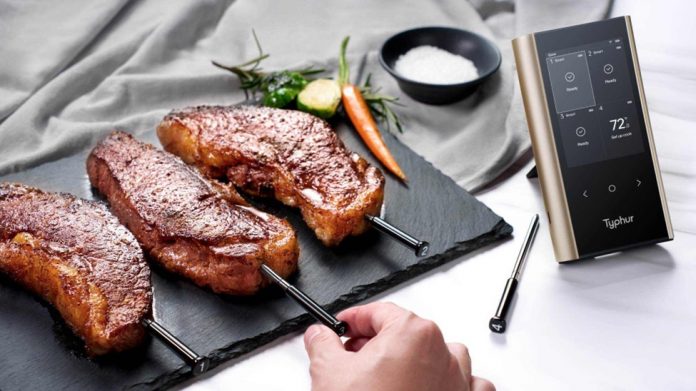
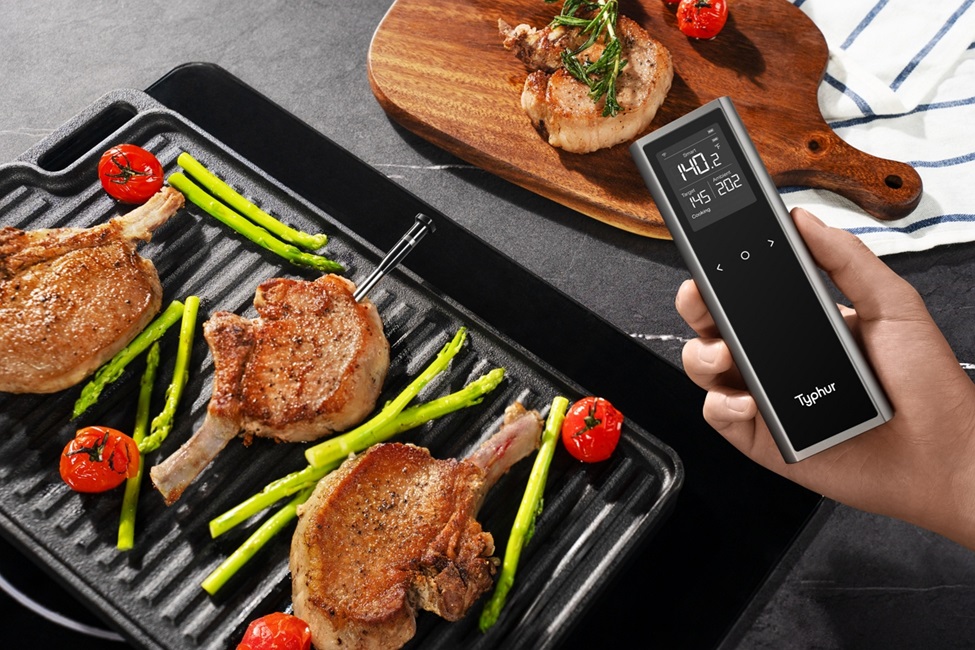
Alright, first thing’s first: what is a wireless meat thermometer? Think of it as your personal kitchen assistant that’s laser-focused on making sure your food is cooked perfectly—every single time. You insert the probe into your meat, and it sends real-time temperature data straight to your phone via Bluetooth or Wi-Fi. This means no more hovering over the oven or standing next to the grill, constantly checking if your roast or steaks have hit the right temp. You can be in the living room, sipping a drink, or even in the backyard, chatting with guests while your thermometer does the hard work.

And here’s the kicker—it doesn’t stop at just giving you a temperature reading. Many of these thermometers come with apps that’ll tell you exactly when to take your food off the heat based on your desired doneness. Medium-rare steak? Check. Juicy roast chicken? Check. They’ve got you covered.

How Wireless Meat Thermometers Fit Into the IoT Kitchen

The IoT kitchen is all about automating and simplifying cooking tasks—basically, making your life easier. With everything from smart fridges that tell you when you’re out of milk to ovens that preheat themselves, adding a wireless meat thermometer to the mix is a no-brainer.

Imagine this: you’re using your phone to preheat the oven, the wireless thermometer pings you when your meat’s at the perfect temp, and your smart fridge reminds you to pair that steak with the veggies you’ve got left. It’s like having a sous-chef, but you don’t have to share the credit for the meal.

Why You Should Care About Precise Cooking Temperatures

I’ll admit, before I started using a wireless meat thermometer, I was guilty of the “poke and guess” method for cooking meat. (Don’t judge me; I know I’m not alone in this!) But here’s the thing—there’s a huge difference between a steak that’s 135°F and one that’s 145°F, even though that’s just 10 degrees apart. One is perfectly medium-rare; the other is heading towards well-done territory.

Using a wireless meat thermometer eliminates the guesswork. You’re not just hoping your chicken isn’t pink in the middle or praying that your pork chops aren’t dry as sandpaper. You know when to take them off the heat, and that confidence makes a huge difference. Plus, if you’re hosting, you don’t want to spend half the evening worrying if the food is overcooked or undercooked. Been there, done that.

Personal Experience: My BBQ Game-Leveled Up

I remember my first experience using Typhur wireless meat thermometer—actually, it was a gift from my tech-savvy brother, and honestly, I didn’t think much of it at first. I figured it was just another fancy gadget to clutter up my kitchen drawers. But oh man, was I wrong.

It was a Sunday afternoon BBQ, and I had a big crowd coming over—burgers, steaks, chicken, the works. Normally, I’d be glued to the grill, poking at the meat every five minutes, flipping it back and forth, hoping it was cooked through. This time, I stuck the wireless thermometer into the thickest part of the steak, set the app for medium-rare, and walked away. No constant babysitting, no cutting into the meat “just to check.” The thermometer did its thing, and I didn’t have to stress about overcooking anything.

When the app pinged me that the steaks were done, I took them off the grill, and let me tell you—the results were perfect. Juicy, tender, and cooked exactly how everyone wanted them. Plus, I got to actually enjoy my time with my friends instead of stressing over the grill the whole time. Game. Changer.

Choosing the Right Wireless Meat Thermometer

So, if you’re sold on the idea but aren’t sure where to start, don’t worry—I’ve got you covered. Here’s what to look for when choosing a wireless meat thermometer:

  • Range: If you like to wander far from the grill (or have a big house), make sure the thermometer’s Bluetooth or Wi-Fi range is solid. Some thermometers only work within a limited distance, so if you’re in the backyard and your grill is inside, you don’t want to lose connection.
  • App Features: Some apps are super basic, just giving you temperature readings, while others are packed with features like recommended cooking times, doneness alerts, and even pairing suggestions (yes, for real). Look for one that matches your needs.
  • Durability: If you’re using it on a grill, oven, or smoker, it’s going to get hot—so make sure the thermometer you choose can handle high temperatures without melting or losing accuracy.
  • Multiple Probes: If you’re cooking different types of meat at the same time (maybe steak for the adults and chicken for the kids), having multiple probes is a lifesaver. You can monitor several items at once without constantly swapping out thermometers.

Why It’s Worth the Investment

Look, I get it—adding another gadget to your kitchen might seem like overkill. But if you love cooking (or just love eating good food), a wireless meat thermometer is more than just a gadget. It’s a tool that lets you cook with confidence, keeps you from ruining expensive cuts of meat, and makes entertaining a whole lot more fun. Plus, the integration with smart home devices makes it a seamless addition to any IoT kitchen setup.

Final Thoughts: Time to Upgrade Your Cooking Routine?

So there you have it—wireless meat thermometers are not just for tech enthusiasts or professional chefs. They’re for anyone who’s tired of overcooked or undercooked meals, and they fit perfectly into the growing world of smart, connected kitchens. Whether you’re grilling, roasting, or smoking meats, these handy devices will take the stress out of cooking and leave you with perfectly done food every time.

If you’re ready to take your cooking game to the next level, a wireless meat thermometer might just be the upgrade you didn’t know you needed. And who knows—maybe you’ll even be inspired to dive deeper into the world of IoT kitchens!

Have you tried a wireless meat thermometer yet? Let me know your thoughts or drop any tips you’ve picked up along the way in the comments. Happy grilling!

Meta Initiates A New Round of Job Cuts Across WhatsApp, Instagram, And Reality Labs

0

Meta has initiated a new round of job cuts affecting various departments, including WhatsApp, Instagram, and Reality Labs. Unlike the sweeping companywide layoffs seen in previous years, these layoffs appear to be targeted, aligning with team reorganizations and strategic shifts within the company.

Reports suggest that the restructuring involves redistributing resources and relocating specific teams, which has led to some employees losing their positions.

The latest layoffs came to light as some employees began sharing news of their departures on social media. Among them was Jane Manchun Wong, who is well-known in the tech community for her insights into unreleased app features. Wong joined Meta’s Threads team in 2023 but has now been among those affected by the restructuring.

“I’m still trying to process this but I’m informed that my role at Meta has been impacted. Thank you to everyone, especially my Threads and Instagram teammates, for my wild journey at Meta If anyone is interested in working together esp on software/security engineering, please reach out via my email, LinkedIn, etc noted on my personal website,” she said on Threads.

In response to the news, Meta spokesperson Dave Arnold stated that “a few teams at Meta are making changes to ensure resources are aligned with their long-term strategic goals and location strategy.” Arnold explained that the changes involve moving some teams to different locations and transitioning some employees into new roles. He emphasized the company’s efforts to help displaced workers find new opportunities within Meta but acknowledged that some roles were indeed being eliminated.

This round of layoffs follows a series of smaller job cuts earlier this year within Meta’s Reality Labs, the division focused on developing the company’s virtual and augmented reality technologies.

The broader pattern of downsizing at Meta began in 2022 when the company laid off 11,000 workers, a move that came after what many analysts saw as overestimations of the company’s growth potential in the post-pandemic period. In 2023, CEO Mark Zuckerberg announced a “year of efficiency,” resulting in an additional 10,000 employees losing their jobs as part of a drive to streamline operations and boost profitability.

The ongoing job cuts reflect Meta’s ongoing efforts to recalibrate its workforce amid a shifting tech landscape. Zuckerberg’s push for efficiency aims to reduce expenses and optimize productivity across Meta’s sprawling ecosystem, which includes popular platforms like Facebook, Instagram, WhatsApp, and the ambitious Reality Labs initiative.

However, the company’s efforts to adapt its workforce to new strategic goals have not come without pain. For employees who have been with Meta through its years of growth, the recent wave of layoffs marks a challenging turn as the company navigates economic headwinds and competitive pressures.

Meta’s restructuring also aligns with its evolving focus on emerging technologies. While Zuckerberg’s ambitious vision for the metaverse has faced scrutiny and skepticism, the Reality Labs division remains a central part of Meta’s long-term strategy, despite ongoing budget cuts and organizational changes. The division, responsible for developing virtual reality (VR) and augmented reality (AR) hardware and software, has faced setbacks, including job reductions that reflect a more cautious approach to investments in cutting-edge technologies.

The company’s workforce adjustments serve as a reminder of the tech industry’s broader trend of downsizing and reevaluation. As major companies recalibrate their operations in response to market realities, they often face difficult decisions about where to invest and where to cut. For Meta, this balancing act involves maintaining growth and innovation while managing expenses and navigating an uncertain economic environment.

The layoffs also underscore the challenges faced by tech companies emerging from the boom of the COVID-19 pandemic, which spurred a surge in digital adoption and optimistic hiring projections. As demand for digital services has normalized, companies like Meta have had to adjust their expectations, scaling back ambitious hiring plans and tightening budgets. The recent layoffs are a stark reflection of this adjustment, as the company aims to ensure its workforce is aligned with its evolving strategic priorities.

Meta’s pivot is a shift away from the rapid expansion that defined the tech sector in previous years, as businesses now aim to consolidate resources, prioritize high-potential projects, and streamline operations to better withstand economic fluctuations.

The company’s efforts to realign its workforce will likely continue, as it seeks to find the right balance between innovation and cost-effectiveness in a competitive industry.