DD
MM
YYYY

PAGES

DD
MM
YYYY

spot_img

PAGES

Home Blog Page 2982

Dangote’s Polypropylene Production Will be Catalytic for Nigeria’s Economy

0

Nations rise when great entrepreneurs emerge. Nigeria is supremely blessed that Dangote is living among us. Imagine if there was no Dangote, it would have been a nation of talk and talk, like I am doing, with no action. But with Dangote, there is a promise ahead. He has done it again:

“The Dangote Refinery is set to make a significant impact on Nigeria’s industrial sector by commencing polypropylene production by the end of October 2024. This move, poised to revolutionize the domestic supply chain, is expected to effectively curb the nation’s reliance on polypropylene imports, a critical raw material across industries such as packaging, textiles, and automotive manufacturing.”

Additionally, the Dangote Refinery’s capacity to meet local demand for polypropylene is expected to open doors for Nigeria to export surplus production to neighboring countries, potentially positioning the nation as a key supplier of the material in the West African region. The African market has long been reliant on imports from Asia and the Middle East, and with the Dangote Refinery in play, business leaders believe Nigeria could challenge these regions’ dominance in the market.

In the Igbo Nation, one of the most memorable lines is “otu onye ana-asi unu abiala [one person who is welcomed as MANY people]. Yes,  Dangote can use plural pronouns in Nigeria, in the world of business, because he has done many great things.

Indeed, it takes the killing of one leopard to be called a killer of leopards. I want to congratulate Alhaji for this voyage of rebuilding a nation through entrepreneurial capitalism, as he has killed many leopards of market frictions.

Dangote Refinery to Commence Polypropylene Production in October, Cutting Nigeria’s $267.7m Annual Import Cost

Dangote Refinery to Commence Polypropylene Production in October, Cutting Nigeria’s $267.7m Annual Import Cost

0

The Dangote Refinery is set to make a significant impact on Nigeria’s industrial sector by commencing polypropylene production by the end of October 2024. This move, poised to revolutionize the domestic supply chain, is expected to effectively curb the nation’s reliance on polypropylene imports, a critical raw material across industries such as packaging, textiles, and automotive manufacturing.

Polypropylene, a versatile polymer, is used extensively to create everything from plastic containers and automotive parts to fibers used in clothing and carpets.

Chairman of Dangote Group, Aliko Dangote, disclosed that the refinery is nearing full operational capacity and will soon meet local demand for polypropylene, a product that has historically been imported, costing Nigeria approximately $267.7 million annually. As Dangote noted, this transition to local production marks a major step toward reducing the strain on Nigeria’s economy caused by import dependence.

“Let me assure you of one thing,” he stated confidently, “Nigeria from October will not import any more polypropylene, which used to be about a quarter of a million tons. No more imports of polypropylene.”

The significance of this development cannot be overstated, particularly given the foreign exchange challenges faced by Nigeria’s industrial sector. For years, businesses involved in packaging, textiles, and automotive parts manufacturing have been grappling with delayed shipments due to foreign exchange shortages and long import timelines. This has forced many to adopt contingency strategies, such as stockpiling polypropylene to avoid disruptions in production.

Dangote addressed these issues directly, explaining how the refinery would eliminate such bottlenecks. He said the refinery is prepared to fully supply the market, and this will alleviate the struggles of local manufacturers who have been stocking up due to import delays.

Industry stakeholders are optimistic that the availability of domestically produced polypropylene will improve operational efficiency for manufacturers, enabling them to redirect their resources toward expanding production and improving competitiveness. This shift comes at a time when many industries have been under immense pressure, compounded by the depreciation of the naira and increasing import costs due to global supply chain disruptions.

Economic and Industrial Significance of Polypropylene

Polypropylene is indispensable in modern manufacturing due to its flexibility, strength, and resistance to chemicals and high temperatures. Its applications span various sectors, from the automotive industry, where it is used to make bumpers, battery cases, and interior trims, to consumer goods, such as food containers, furniture, and textiles.

Given the breadth of its applications, the economic impact of local polypropylene production will be profound. Experts believe that this development could stimulate the growth of related industries, especially Nigeria’s young automobile industry, by providing them with a reliable and affordable supply of raw materials.

According to industry analysts, the shift towards local production of polypropylene represents a major win for Nigerian manufacturers. Not only does it insulate them from global market volatility, but it also offers cost advantages that could help them compete more effectively both locally and internationally.

Additionally, the Dangote Refinery’s capacity to meet local demand for polypropylene is expected to open doors for Nigeria to export surplus production to neighboring countries, potentially positioning the nation as a key supplier of the material in the West African region. The African market has long been reliant on imports from Asia and the Middle East, and with the Dangote Refinery in play, business leaders believe Nigeria could challenge these regions’ dominance in the market.

This expansion into polypropylene production is in line with the Federal Government’s industrialization agenda, which aims to boost local production, reduce import dependence, and create a more resilient economy.

The commencement of polypropylene production at the Dangote Refinery marks a major milestone in Nigeria’s broader industrialization efforts. The refinery itself, billed as Africa’s largest, is expected to be a game-changer not just for Nigeria but for the entire continent. In addition to producing fuels, the refinery will serve as a significant petrochemical hub, generating other by-products essential for various industries, including plastics, fertilizers, and chemicals.

During a recent press briefing, Dangote reiterated the broader impact of the refinery’s operations.

“We are committed to ensuring that Nigeria not only meets its own needs but also plays a significant role in the regional and global markets. This is not just about self-sufficiency but about positioning Nigeria as a leader in industrial production across Africa,” he said.

For years, Nigeria has faced significant trade deficits, with a high percentage of its foreign exchange earnings allocated to importing raw materials like polypropylene. This has made the country vulnerable to global market fluctuations, as well as foreign exchange shortages that have hindered industrial output.

The expected cost savings from local polypropylene production will be significant, as manufacturers will no longer have to contend with the high costs associated with importing the material, which have been exacerbated by fluctuations in global oil prices and supply chain issues. Experts expect this to result in more affordable finished goods, which could, in turn, lead to lower prices for Nigerian consumers.

BigTech Fines, Back Taxes and Big Lessons: Americans invent, Chinese scale, Europeans regulate, Others merely consume!

0

The Americans invent, the Chinese scale and the Europeans regulate. Others merely consume. For those three players, everyone is pushing. Europe now wants to collect really big, and is asking Apple to pay $14.4 billion in back taxes:

“Europe’s top court has dealt a significant blow to Apple, ruling against the tech giant in a long-standing legal battle over its tax dealings in Ireland…The ruling upholds the European Commission’s original 2016 decision, which ordered Ireland to recover up to €13 billion ($14.4 billion) in back taxes from Apple. The Commission had accused Ireland of providing “illegal” tax benefits to Apple over two decades, enabling the company to pay significantly less tax than it would have under standard EU rules.”

Good People, what are African lawyers doing? If you guys do not have an office, the Ovim Nation has a space we can donate; just stay there and send summons to BigTech. There is a likelihood you can collect for Africa. Europe generates $billions on fines and goal-post shifting back taxes yearly.

LinkedIn Summary: Apple and Google were fined billions by European regulators on Tuesday in two landmark rulings that are seen as a “key victory” for the bloc and its scrutiny of Big Tech. In a case dating back to 2016, the Court of Justice of the European Union ruled that Apple must pay Ireland roughly $14.4 billion worth of unpaid taxes. Meanwhile, Brussels fined Google about $2.6 billion in a seven-year-old case that accused it of “abusing its monopoly power” to best rivals in shopping. The decisions were seen as major tests of the EU’s bid to rein in large tech firms on tax and antitrust matters.

  • Apple said Tuesday’s decision effectively enabled the bloc to set “a double tax” on a business already taxed in the U.S.
  • Google said it was “disappointed” by the ruling, but that it had already made changes to comply with an earlier decision.
  • Google is separately facing allegations from federal prosecutors that it maintains an illegal monopoly on the advertising technology market, in an antitrust trial now underway in Virginia.

Comment on Feed:

Comment 1: Ndubuisi Prof – The conclusion is based on the premise that because EU does something, this must be a lesson for Africa, and in particular Nigeria.

Ireland simply pursued a sovereign approach to having strong ‘Ease to Do business’ credentials.

But it is a member of the EU and Brussels has ruled. It can either abide by the decision or pull out.
Ireland has a former British colonial heritage, not French.

It’s approach is different. Irrespective Britain in no longer in EU, the dynamic of Ireland leaving EU would be like Nigeria deciding to leave ECOWAS.

Moreover everywhere has strong points and weak points and while Nigeria has challenges, this does not mean on all things, EU model is right and Nigeria model is wrong.

Nigeria already has close to the worst ‘Ease to do business’ credentials as any in Africa, and unlike Ireland in EU, it’s position in ECOWAS is not at risk by retaining what small number of policies that are useful, and building upon them to improve its ranking.

Nigeria needs to ignore EU and pay attention to Rwanda. If Goliath had sought advice from David rather than conflict, he may have lived and prospered.

My Response:  Good points. Of course, I wrote in figures of speech. No African country (except South Africa) can modulate the big tech considering how much we make for them.

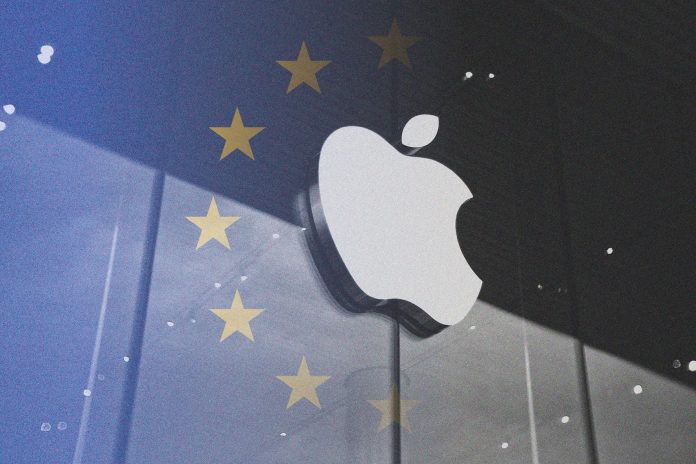
European Court of Justice Orders Apple to Pay $14.4bn in Back Taxes to Ireland

0

Europe’s top court has dealt a significant blow to Apple, ruling against the tech giant in a long-standing legal battle over its tax dealings in Ireland.

The decision, issued by the European Court of Justice (ECJ) on Tuesday, concludes a 10-year saga that has put the company’s tax strategy under the microscope. The ruling comes just as Apple was unveiling its latest range of products, including new iterations of the iPhone, Apple Watch, and AirPods, making for a dramatic day in the company’s business calendar.

The ruling upholds the European Commission’s original 2016 decision, which ordered Ireland to recover up to €13 billion ($14.4 billion) in back taxes from Apple. The Commission had accused Ireland of providing “illegal” tax benefits to Apple over two decades, enabling the company to pay significantly less tax than it would have under standard EU rules.

This case has long been emblematic of the EU’s broader push to regulate the practices of multinational tech firms, including in areas such as taxation, data protection, and antitrust.

Apple Responds, Shares Drop

Apple has been steadfast in its defense throughout the years, stating that it complied with all relevant tax laws. In its statement following the ECJ ruling, the company reiterated its position saying, “The European Commission is trying to retroactively change the rules and ignore that, as required by international tax law, our income was already subject to taxes in the U.S.”

This legal setback came at an inopportune time for the company, with Apple’s shares dropping by 1% in premarket trading on Tuesday morning in London, reflecting investor concerns about the ruling’s potential financial and reputational impact. Given the size of the tax bill, the outcome may affect Apple’s broader tax and financial strategies in Europe.

While the ruling puts a spotlight on Ireland’s tax policies, the Irish government has sought to downplay the broader implications, noting that the case pertains to an issue that is now of “historical relevance only.” The Irish government has long maintained that it does not provide preferential tax treatment to any company, Apple included.

However, the ruling reaffirms the European Commission’s stance that Ireland offered Apple a tax advantage that was not available to other companies.

In a statement, Ireland announced that it would begin the process of transferring the assets held in the escrow fund—where the contested €13 billion has been held pending the resolution of the case—back to the Irish state. This move follows the ECJ’s decision, affirming that the funds, which were accumulated as Apple’s unpaid taxes, must now be recovered.

The Road to the ECJ Ruling: A Decade-Long Legal Battle

The legal conflict between Apple, Ireland, and the European Commission dates back to 2014 when the Commission first opened an investigation into Apple’s tax arrangements in Ireland. The investigation revealed that Apple had been benefitting from what the Commission described as “illegal tax benefits,” with two of the company’s subsidiaries allegedly paying an effective tax rate of just 0.005% on their European profits in 2014.

In 2016, the European Commission took a firm stance, ordering Ireland to recover the €13 billion in back taxes from Apple. The Commission argued that Apple had exploited a loophole in Ireland’s tax system to minimize its tax liabilities across the EU, a practice the Commission said was in violation of the bloc’s rules on state aid.

Apple and Ireland both appealed the ruling, arguing that the tax arrangements were in line with international and Irish tax laws. In 2020, the EU General Court, the EU’s second-highest court, sided with Apple and Ireland, annulling the Commission’s decision. The General Court ruled that the Commission had not sufficiently proven that Ireland had given Apple an illegal advantage through its tax agreements.

However, the Commission was undeterred, launching an appeal to the ECJ, the EU’s highest court. The ECJ’s ruling on Tuesday overruled the General Court’s decision, siding with the Commission and re-establishing the claim that Ireland had, in fact, given Apple a tax advantage that contravened EU rules.

EU vs. U.S. Tech Giants

This latest ruling is not an isolated event, but rather a part of the EU’s wider conflict with U.S. tech giants over issues ranging from taxation to data privacy and market dominance. The Apple case began under the leadership of Margrethe Vestager, the EU’s competition chief, who has made it her mission to tackle what she sees as unfair practices by some of the world’s largest corporations. Vestager has been a central figure in the EU’s efforts to hold tech companies accountable, and the Apple case remains one of her most high-profile battles.

The case has also drawn attention to the complex relationship between U.S. companies and European regulators, with many in the U.S. arguing that the EU is unfairly targeting American firms. Meanwhile, the EU has continued to introduce laws aimed at reining in the power of tech giants, with Apple facing fines and investigations under new legislation like the Digital Markets Act (DMA).

In fact, Apple has been the subject of several antitrust investigations in Europe. Most recently, the company was hit with a €1.8 billion ($1.99 billion) fine in March for allegedly abusing its dominant position in the distribution of music streaming apps. The company is also facing ongoing scrutiny under the Digital Markets Act, a sweeping piece of legislation designed to regulate the behavior of the world’s largest tech companies, known as gatekeepers.

Both Apple, Alphabet (Google’s parent company), and Meta (Facebook’s parent company) are among the firms being closely monitored under this law, which aims to prevent monopolistic behavior in Europe.

Implications of the Ruling

The ECJ’s ruling against Apple sends a strong message to multinational corporations about the importance of complying with EU tax laws and state aid rules. For Apple, the ruling may represent a considerable financial setback, as it now has to pay €13 billion in back taxes. But beyond the immediate financial implications, the ruling reinforces the EU’s commitment to holding large corporations accountable for their tax practices, regardless of their size or influence.

As for Apple, this may not be the last time it finds itself in the crosshairs of European regulators. With ongoing investigations under the Digital Markets Act, as well as existing antitrust probes, the company could face additional fines and restrictions on its operations within the EU.

Rexas Finance (RXS) Makes Its Mark in the RWA Market, Presale Zooms Past $200,000 in Under 24 Hours

0

The RWA market, encompassing assets such as real estate, commodities, and financial instruments, offers vast potential. In a bear-case scenario, estimates suggest the tokenization of real-world assets could represent a market value of $3.5 trillion by 2030. However, in a more optimistic bull-case scenario, the market could swell to as much as $16 trillion. In this rapidly expanding market, Rexas Finance (RXS) is emerging as a major player. The project, which is focused on bridging the gap between traditional assets and blockchain technology, recently launched its token presale, and within the first 24 hours, the project raised over $200,000. This impressive milestone underscores the growing interest in both the RWA market and Rexas Finance’s innovative approach to facilitating asset tokenization. 

The Growing Real-World Asset Market

Blockchain technology simplifies tokenization processes, making it easier for a broader audience to invest and trade in them. Estimates of the potential market size for tokenized RWAs highlight the sheer scale of this opportunity. While a bear-case estimate values the market at $3.5 trillion by 2030, a bull-case scenario suggests it could reach up to $16 trillion.  This expansive market growth will likely be driven by a combination of increased adoption of blockchain technology, the digitization of various asset classes, and growing regulatory clarity in different jurisdictions. The RWA market’s scope includes real estate, commodities, bonds, art, and intellectual property—diverse asset classes that, when tokenized, allow for greater flexibility and liquidity. 

A Comprehensive Ecosystem for Tokenization

The key to Rexas Finance’s success lies in its holistic approach to asset tokenization. The platform is designed to cater to a variety of needs within the blockchain and digital asset space. Whether an individual is interested in investing in tokenized real estate, issuing tokens for their own assets, or participating in the growing NFT market, Rexas provides the infrastructure to do so. For real estate investors, the tokenization of properties through Rexas enables fractional ownership, making it easier for smaller investors to access high-value assets. Tokenizing real estate can increase liquidity and transparency in a market traditionally known for its illiquidity and high barriers to entry. In the creative realm, Rexas enables artists and creators to tokenize their work and offer it to a global audience. Through NFTs, creators can retain ownership of their intellectual property while monetizing their creations in new and innovative ways. This expands the potential for revenue generation and opens up new streams of income for artists.

Rexas Finance (RXS) Leading the Charge: The Zooming Presale

The presale of Rexas Finance’s native token, RXS, has been met with enthusiastic demand, as evidenced by the $200,000 raised in the first 24 hours of its launch. This early success signals strong confidence from investors in both the platform’s potential and the broader RWA market. The presale is in its first stage, offering attractive terms for early investors, who are drawn to the opportunity for significant returns. With a projected 6x return on investment during the presale, the allure is undeniable. Rexas Finance’s ability to attract substantial funding within such a short time frame highlights its appeal as a project that is well-positioned to succeed in the burgeoning RWA market. Investors are increasingly seeking out opportunities that leverage blockchain technology to disrupt traditional industries, and Rexas Finance delivers just that. 

Capitalizing on the Market Potential

The early success of Rexas Finance’s presale demonstrates the growing investor appetite for projects in the RWA market. With trillions of dollars in potential market value at stake, blockchain-based platforms like Rexas are well-positioned to capture a significant share of this value. For early investors, the RXS token presale presents a unique opportunity to get involved in a project that is both innovative and aligned with the future of asset tokenization. The promise of a 6x return on investment during the presale stage further sweetens the deal, making Rexas an attractive proposition for those looking to capitalize on the rise of RWAs.

Conclusion

With its comprehensive ecosystem, robust technology, and early success in fundraising, Rexas Finance is poised to play a key role in the future of the RWA market. Investing in Rexas Finance (RXS) not only offers the potential for significant returns but also provides a front-row seat to one of the most exciting developments in the blockchain space today.

For more information about Rexas Finance (RXS) visit the links below:


Website: https://rexas.com

Whitepaper: https://rexas.com/rexas-whitepaper.pdf

Twitter/X: https://x.com/rexasfinance

Telegram: https://t.me/rexasfinance