DD
MM
YYYY

PAGES

DD
MM
YYYY

spot_img

PAGES

Home Blog Page 3012

African Startups Hit New Heights With $420m Record Funding Surge in July 2024

0

According to a report by Africa:The Big Deal, a tracker on start-up funding in Africa, it reported that July emerged as a landmark month for startup fundraising across Africa, marking a significant resurgence in venture capital activity on the continent.

With an impressive $420 million raised (excluding exits), the month reportedly stands as the highest performing period in 14 months, surpassing the total funds raised in the entire second quarter (Q2) of the year.

A Surge in Fundraising Activity

A total of 47 ventures secured at least $100,000 in funding last month, making July the second-best month of the year in terms of the number of deals closed, trailing only behind May, which saw 40 grant announcements from major players like DEG, CCHub, and iHub. Among these, 16 ventures managed to raise over $1 million, consistent with the monthly average during the first half of the year.

The surge in fundraising activity was heavily influenced by two major deals that dominated the headlines in July which include global leader in solar energy solutions d.light, which secured a massive $176 million securitization facility, and leading Egyptian fintech company MNT-Halan which raised $157.5 million.

These two mega deals alone accounted for a significant portion of the month’s total, underscoring the impact of large-scale funding rounds on the overall ecosystem. In addition to these, NALA, a Tanzanian fintech startup, successfully closed a $40 million Series A round, further boosting the month’s impressive tally. Combined, these three deals represented a staggering 90% of the total funding raised in July.

Exits and Ecosystem Growth

In addition to the record-breaking fundraising, July also witnessed four notable exits, although these were not included in the overall funding figures. The most prominent of these was the acquisition of Quicket, a South African ticketing platform, by global giant Ticketmaster.

A Milestone Year for African Startups

The stellar performance in July has propelled the African startup ecosystem beyond a significant milestone, comfortably crossing the $1 billion mark in funding raised so far in 2024, with a total of $1.2 billion. This not only exceeds the total amount raised in 2020 but also brings the ecosystem within striking distance of the $1.4 billion raised in 2019.

This achievement underscores the resilience and growth potential of African startups, even in the face of global economic uncertainties. The continent’s tech scene continues to attract substantial investment, driven by a combination of innovative solutions, untapped market potential, and a growing appetite for risk among venture capitalists.

As the year progresses, all eyes will be on whether African startups can maintain this momentum and surpass the 2019 funding milestone. With several promising ventures in the pipeline and increasing investor interest, the outlook remains positive for the continent’s burgeoning tech ecosystem.

Conclusion

July 2024 has has no doubt set a new benchmark for African startup funding, showcasing the continent’s dynamic and rapidly evolving tech landscape. The impressive fundraising figures, driven by mega deals and consistent investment in innovative ventures, highlight the growing confidence in Africa’s potential as a hub for technological innovation and entrepreneurship.

As the ecosystem continues to mature, African startups are poised to play an increasingly significant role on the global stage, attracting both local and international investment in the process.

BMW Tests Humanoid Robots, as Business climate in German chemical industry darkens

0

The automotive industry is on the brink of a new era, one that intertwines the precision of machines with the dexterity and adaptability of human workers. Leading this charge is the German carmaker BMW, which has recently conducted tests with humanoid robots in their production lines.

At the BMW Group Plant in Spartanburg, South Carolina, a trial run was initiated with the latest humanoid robot, Figure 02, developed by the California-based company Figure. This robot represents a significant leap forward in robotics technology, designed to perform complex tasks autonomously with a level of dexterity that mirrors human capability.

Humanoid robots are designed to mimic human form and behavior, allowing them to perform tasks in environments structured for humans. They are typically equipped with sensors and algorithms that enable them to navigate complex spaces and interact with tools and interfaces designed for human use. This makes them particularly useful for tasks that require a level of adaptability and problem-solving similar to that of humans.

On the other hand, traditional industrial robots are built for speed, precision, and endurance. They excel in repetitive, high-volume tasks that require consistent performance over long periods. These robots are often larger and more powerful than their humanoid counterparts, and they operate in structured environments where human interaction is minimal or non-existent. Safety measures, such as cages or barriers, are usually implemented to separate these machines from human workers due to their speed and force.

One of the key differences lies in their interaction with human workers. Humanoid robots are designed to work alongside humans, often in collaborative scenarios where they can assist or take over tasks that are ergonomically challenging for their human colleagues. Traditional industrial robots, however, are typically segregated from human workers to ensure safety, given their operational speed and power.

The integration of such advanced robots into the manufacturing process is not just about replacing human labor but enhancing it. The tasks assigned to Figure 02 during the tests were ergonomically challenging for human workers, involving the insertion of sheet metal parts into specific fixtures as part of the chassis assembly process. By taking over these physically demanding tasks, humanoid robots can improve workplace ergonomics and reduce the risk of injury, thereby safeguarding the well-being of human employees.

BMW’s exploration into humanoid robots is part of their iFACTORY vision, which aims to revolutionize production through efficiency, digitalization, and sustainability. The successful test at Spartanburg has provided BMW with valuable insights into integrating multi-purpose robots into existing production systems, including how these robots communicate with both the production line software and human workers.

The potential applications for humanoid robots in car production are vast. They can navigate through factory halls, perform a variety of tasks ranging from simple to complex, and work alongside human colleagues, creating a collaborative environment that leverages the strengths of both humans and robots.

However, the introduction of humanoid robots into production lines is not without its challenges. It requires careful consideration of safety protocols, system communication, and the overall impact on the workforce. BMW is committed to accompanying this technology from its developmental stages to full industrialization, ensuring that the transition is as smooth and beneficial as possible.

The trial with Figure 02 is just the beginning. As technology continues to advance, we can expect to see more humanoid robots in various industries, reshaping the way we think about work, productivity, and collaboration. For BMW, the successful test marks a significant milestone in their journey towards the future of automotive manufacturing—a future were technology and human ingenuity drive progress in harmony.

Business climate in German chemical industry darkens

The German chemical industry, a pivotal sector in Europe’s largest economy, has experienced a rollercoaster ride in recent years. The industry has faced numerous challenges, from global economic slowdowns to supply chain disruptions, and the business climate has reflected these turbulent times.

In early 2024, there was a glimmer of hope as the business climate in Germany’s chemical industry showed signs of improvement. According to the ifo Institute, the business climate index rose to -10.5 points in March, up from -15.5 points in February. This uptick was attributed to a sharp improvement in business expectations, with the indicator climbing to -2.9 points from -14.9 points in the previous month. The German Federal Statistical Office reported a strong price-adjusted production growth of 4.6% in February 2024 compared to January 2024, and in March, the industry had expansionary production plans with a slowdown in job cuts.

However, the positive trend was short-lived. By June 2024, the ifo Business Climate indicator for Germany’s chemical industry had deteriorated significantly, falling to -28.3 points from -12.5 points in May. This decline was driven by a steep drop in business expectations, which plummeted to -25.6 points from -5.5 points. The industry expert Anna Wolf from the ifo Institute noted that although the order situation still left much to be desired, companies seemed to have weathered the worst of the crisis earlier in the year.

The debate among German politicians regarding military involvement in the Middle East reflects the complexity and sensitivity of international relations and defense policies. Recent discussions have highlighted a range of perspectives within Germany’s political landscape, with some advocating for support through arms exports and others expressing caution against direct military engagement.

The Bundestag, Germany’s federal parliament, is home to multiple parties with differing views on foreign policy and defense. The debate underscores the importance of parliamentary mandate and the need for consensus before any military action can be considered. This deliberation is not only about the immediate implications of such involvement but also about the broader principles of Germany’s foreign policy and its historical responsibilities.

As the world watches these developments, the outcome of this debate will have significant implications for international diplomacy and the geopolitical dynamics of the region. It is a reminder of the delicate balance nations must strike between their strategic interests and their commitment to peace and stability. The ongoing discussions in Germany serve as a testament to the democratic process where such critical decisions are weighed with careful consideration of all viewpoints and potential consequences.

The volatility of the business climate in the German chemical industry underscores the sector’s sensitivity to external economic pressures and internal industry dynamics. The fluctuating indices reflect the ongoing struggle of chemical companies to navigate a complex landscape of fluctuating demand, regulatory challenges, and innovation pressures.

Despite the current gloom, the German chemical industry remains a cornerstone of the country’s manufacturing sector and a key player in the global chemical market. With its strong focus on research and development, the industry is well-positioned to adapt to changing market conditions and continue its tradition of excellence in chemical production and innovation.

Cryptocurrencies Resume Upward Rally, Prices Rebound from Global Market Selloff

0

Cryptocurrencies have resumed their upward price rally, after experiencing a sharp massive decline earlier in the week due to a global market sell-off.

Recall that the crypto market on Monday 5, 2024, had experienced a significant downturn, erasing $270 billion in market value as major digital assets recorded sharp declines.

Lately, several of these digital assets have begun to gain lost ground with Bitcoin trading above the $60,000 price. According to Coin Metrics, the price of the flagship cryptocurrency was last higher by 11% at $61,232.36, rising above the $55,000 price.

Bitcoin, which had been trading close to $70,000 the previous week, briefly dipped below $50,000. Concerns began to mount late last week, particularly after the July jobs report came in weaker than expected. However, the price of the crypto asset has surged, currently trading at $60,585 at the time of writing this report.

The price of Ethereum surged 12% to $2,644, Dogecoin rose 5.72% to $0.105, and BNB increased 5.08 percent to $513.45 after leading declines in cryptocurrencies and related stocks Wednesday. Solana, on the other hand, has been one of the best-performing cryptocurrencies after Monday’s crisis, recording a notable performance. Other altcoins, like Cardano and Polkadot, are also on an upward trend.

The crypto market is attempting to stabilize after Monday’s sharp decline, triggered by the unwinding of the yen carry trade, which led to deleveraging across markets.  This rebound is indicative of growing confidence in digital assets, as market participants increasingly turn to cryptocurrencies to hedge against broader financial uncertainties and volatility. The surge in Bitcoin’s value highlights its potential role as a hedge during times of market stress and shifting investor sentiment.

As the market rebounds, investor optimism has been revived by positive news regarding the institutional adoption of cryptocurrencies. Major companies and financial institutions continue to invest in Bitcoin and other cryptocurrencies like Solana, which has spurred massive purchases.

However, in the broader global market, analysts predict that this week’s huge selloff, triggered by an unwinding of yen-funded trades, is far from over and could eventually spread to credit markets, impair some banks, and possibly hurt the U.S. dollar.

By Thursday, market volatility had subsided but stock markets struggled for direction and investors tried to guess how many more yen-funded leveraged trades remained to be unwound.

Commenting on the global market sell off which impacted banks and the US dollar, chief global strategist for LPL Financial Quincy Krosby said,

“The concern is if anything blows up and loans can’t get paid back. One of the things we’re watching is if any banks are under pressure right now because they’ve been lending too much, either to hedge funds or retail investors. It’s buried under the larger equation of how we look at the carry trade.”

Beyond Intelligence, Dedication and Perseverance are Very Critical for Success [video]

0

Good People, greatness is achieved not because of special talent, but rather due to dedication, perseverance and commitment. Show me a person with tenacity and persistence, I will show you laurels of successes. Other dogs gave up, but one dog stayed focused, preserved, and won the “meal”.

Can you see how the dog improved its tactics, as it learned from previous failures. Indeed, failure is not an opposite of success, but part of success. Without those failures, it would not have figured out how to ace the last lap.

We overestimate intelligence and brainpower (whatever that means). But the people who rule this world are not the smartest at passing exams. Rather, they are the few people who are absolute in their dedication to causes, and with capacity to learn from previous setbacks to advance their missions.

Like I wrote a few days ago, passion has no economic value, because being passionate about something means largely nothing for financial security, if you do not have the talent (natural capabilities) or skill (acquired capabilities) necessary to unlock value therein. Of course, if you nurture the talent, the passion will bring uncommon dedication and perseverance which will lead to excellence. When those components converge, greatness evolves. Like that dog, great meals await on the table of the future!

The Middle East is Taking a Different Shift

0

The Middle East, a region that has long been at the center of geopolitical dynamics, is experiencing a shift in its landscape. Recent events have brought to light the complexities and the ever-evolving nature of the region’s political, social, and economic fabric.

Recent developments have seen an increase in tensions, with the U.S. Navy and Air Force deploying fighter jets to the region amid escalating concerns between Iran and Israel. This move comes as a response to the heightened state of alert following high-profile assassinations that have rattled the region. The White House has indicated that cease-fire talks between Israel and Hamas are nearing fruition, despite the looming fears of a widening conflict.

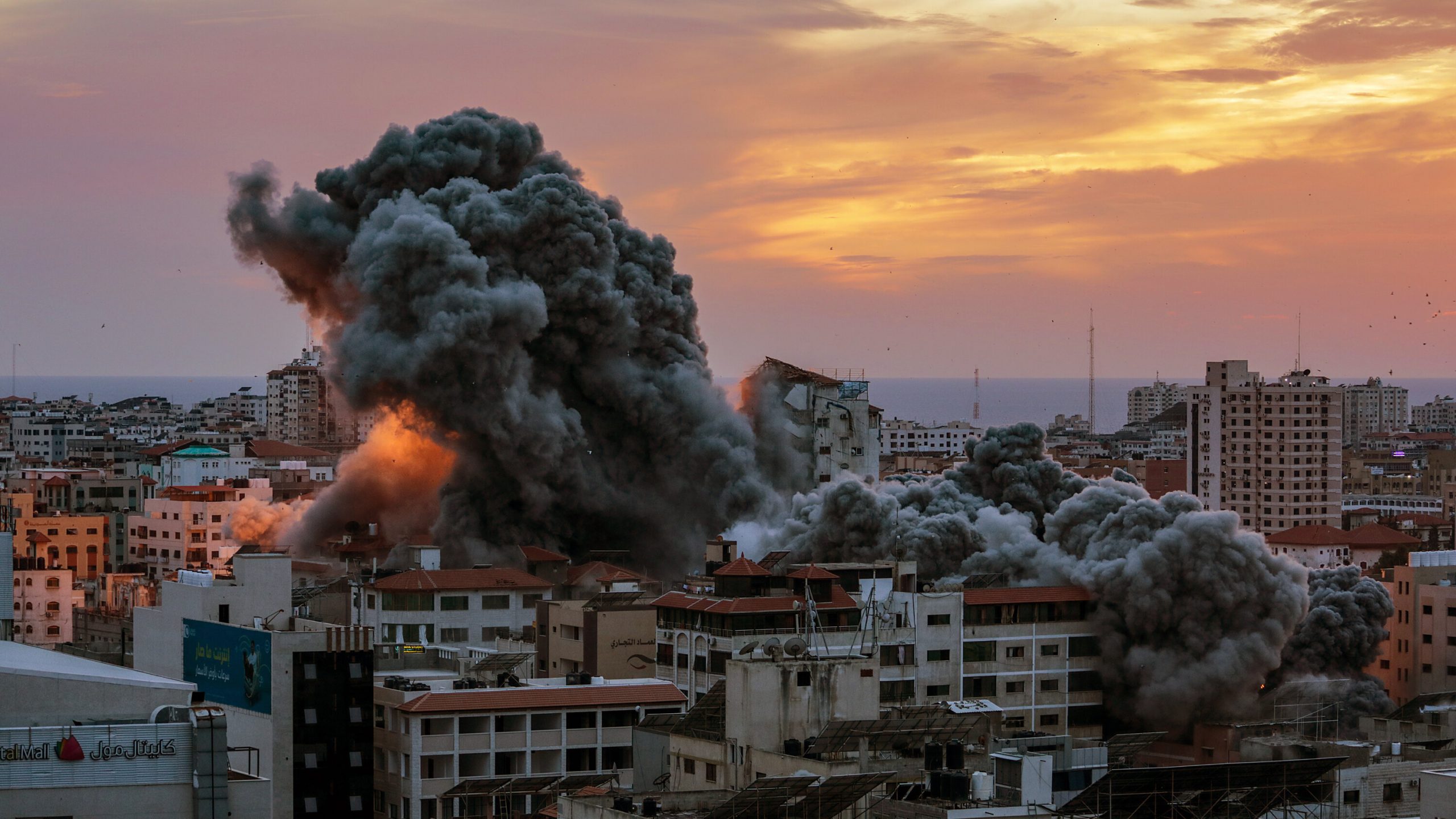
The situation is further complicated by the tragic loss of life resulting from Israeli strikes on two schools in Gaza, which the Israeli army claims were Hamas centers. These incidents underscore the delicate balance of military action and the protection of civilians, a subject that remains a point of contention and sorrow.

The BBC reports growing calls for foreigners to leave Lebanon as war fears escalate, highlighting the precarious situation that could lead to broader regional instability. Al Jazeera’s coverage includes a range of potential responses from Iran to the recent tensions, suggesting a critical juncture that could shape the future of the Middle East.

At the forefront of this transition is the move away from an overreliance on oil revenues, which have long been the backbone of the region’s economies. The volatility of oil prices has made economic diversification not just a strategic option but a necessity for financial stability and socio-economic growth.

This pivot is evident in the significant investments being made in renewable energy sources. The region’s abundant solar and wind resources are being harnessed at an unprecedented scale. For instance, Saudi Arabia’s Vision 2030 includes the development of NEOM, a planned smart city that aims to be a hub for innovation and trade, and the 2.6 GW Al Shuaibah solar plant, expected to commence operations in 2025[^1]. Similarly, the UAE’s solar farm is a testament to the region’s commitment to clean energy.

The global shift towards renewable energy, driven by environmental concerns and the competitiveness of renewables, is reshaping the demand for Middle Eastern oil. This, coupled with the emergence of new energy producers like the U.S. shale industry, is challenging the traditional dominance of the Organization of Petroleum Exporting Countries (OPEC) and propelling the region towards a strategic reorientation of its energy and economic policies.

The Gulf Cooperation Council (GCC) countries are not standing idle in this global energy transition. Nations such as Bahrain, Kuwait, Oman, Saudi Arabia, and the UAE have set ambitious net-zero emission targets, aligning with global efforts to combat climate change and decarbonize the energy sector.

As the Middle East navigates through this period of change, it is building resilience against the challenges posed by the evolving global energy landscape. The region’s transformation is not just about energy; it’s about creating a sustainable future that maximizes socio-economic benefits while achieving decarbonization objectives.

The Middle East Monitor also provides insights into the on-ground realities, reporting on the handover of bodies of Palestinians killed during the Gaza war and the appointment of a new political chief for Hamas. These events reflect the ongoing struggle and the search for leadership and direction in these turbulent times.

The Middle East is indeed taking a different shift, one that requires careful observation and understanding. The international community watches closely, hoping for resolutions that lead to peace and stability in a region that has seen too much conflict. The path forward remains uncertain, but it is clear that the actions taken today will have profound implications for the future of the Middle East and its people.