DD
MM
YYYY

PAGES

DD
MM
YYYY

spot_img

PAGES

Home Blog Page 3097

Bitcoin Resumes Upside Momentum, Rallies Above $63,300 Amid Bullish Sentiments

0

The price of Bitcoin has resumed its upside momentum, after it rallied above the $63,000 price, amid bullish market sentiments.

Following its resumption to the upside after trading its lowest at $56,000 price the previous week, analysts predict a bullish rally. On-chain analysts and capital market experts predict the rally to continue for longer periods as Whales, institutional investors, and retail investors have started to buy BTC again.

Also, following the assassination attempt on the former US President and the current Republican presidential candidate Donald Trump, the price of Bitcoin began its rally immediately after the incident. The broader market rally saw a significant jump in prices of ETH, SOL, BNB, and TON.

“Over the weekend, Bitcoin surged over $62,000 as Donald Trump’s chances of reclaiming the White House in November increased, pushing BTC’s price up,” said Edul Patel, CEO of Mudrex.

Notably, over 38,900 crypto traders were liquidated out of $113 million leveraged positions out of which over $90 million were short positions. Bitcoin alone accounted for $47 million in liquidation that occurred in the last 24 hours, according to Coinglass data.

Matrixport predicts BTC buying activity will sustain for a longer period, making it less reliant on macroeconomic events. The forecast came in response to more than $1 billion in inflow into spot Bitcoin ETF in the U.S. in a week. The ETF inflows were closely linked to cooling inflation and slowing labor market in the United States.

It is however worth noting that Bitcoin didn’t climb alone. It pushed up other cryptocurrencies as well, including some Trump-themed tokens that led the surge in PolitiFi meme coins Sunday night.

Super Trump (SSTRUMP) surged by 11.5% in the last 24 hours after lodging a 34.5% rally throughout the past week. MAGA VP (SMVP) climbed by 3.8%, MAGA Coin BSC (SMAGA) was up by 11.2%, and MAGA PEPE (SMAGAPEPE) increased by over 3%. Trump Inu (STINU) also surged by 6%, and even the controversial TrumpCoin ($DIT) saw a spike of 5.5% on the last day.

Major meme coins also saw a significant increase in their prices over the weekend. The largest meme coin by the market cap Dogecoin was up over 3% in the last 24 hours and is currently trading at $0.1176. Meme coins PEPE and Dofwifhat saw the most gains in the last 24 hours with both trading 6% higher.

After a turbulent start to July, the overall sentiment surrounding the broader crypto market has flipped bullish in the last 72 hours. After consecutive macroeconomic indices published in the latest US Non-Farm Jobs and Consumer Price Index (CPI) data, resurgent bull traders switched towards an optimistic outlook for an imminent Fed rate cut. 

Michael Saylor, co-founder of MicroStrategy business intelligence giant, which has become a leader in accumulating Bitcoin over the past four years, making it part of its development strategy, has addressed the crypto community with a bullish BTC tweet.

He recently tweeted “Don’t miss the flight”. Saylor has been a strong advocate for Bitcoin’s bullish movement, urging traders to acquire more BTC.

Fuelled by positive headwinds from anticipated US Fed rate, and crypto-friendly candidate Donald Trump’s lead in the US 2024 Presidential Elections race, Bitcoin has emerged as one of the biggest gainers amid the current bullish market phase. In conclusion, Bitcoin’s recent price action and technical indicators point towards a bullish outlook with a viable target of $65,000.
The Nigeria’s Malthusian Challenge As It Plans to Import Food

0

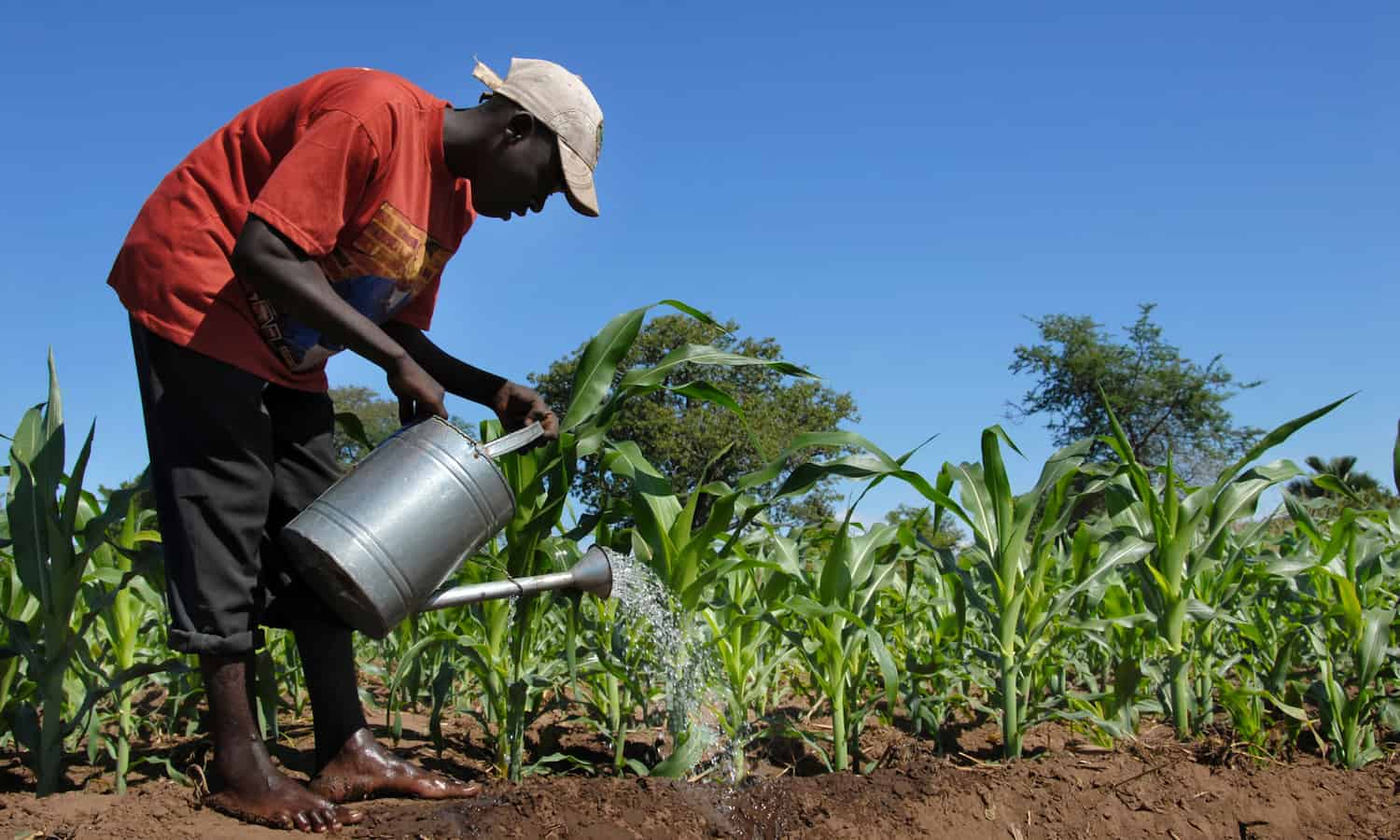
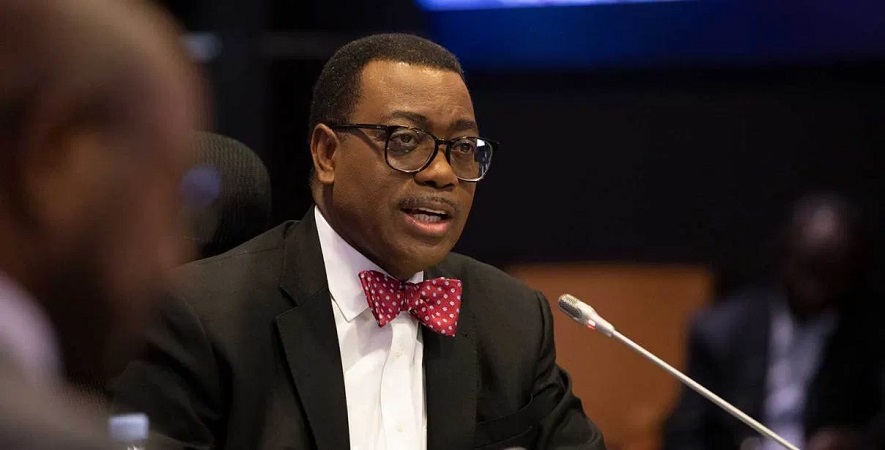
“Nigeria cannot rely on the importation of food to stabilize prices. Nigeria should be producing more food to stabilize food prices while creating jobs and reducing foreign exchange spending, which will further help stabilize the Naira,” – Dr. Akinwunmi Adesina, President of the African Development Bank

This is simply unfortunate considering the enormous resources the Buhari administration pumped into Nigerian agriculture.  If those funds could not turn things around, we are in real trouble.

Personally, I have expected that with all the efforts of the last government, on agriculture, that we could check agriculture DONE. But here, now we are to import to eat, it seems we might have funded briefcase farmers! Let me wish Nigeria good luck on this Malthusian challenge where the population rate is growing faster than food availability.

Dr. Akinwunmi Adesina, President of the African Development Bank (AfDB), has expressed deep concerns about Nigeria’s move to import duty-free food, labeling it as “depressing” and warning against its potential long-term consequences.

Nigeria is grappling with a severe food crisis compounded by inflation rates soaring to 41%. This dire situation has sparked intense debate over the federal government’s policy to import food to stabilize prices.

Speaking at the Council of Anglican Provinces of Africa retreat in Abuja, Dr. Adesina noted that relying on food imports is not a sustainable solution for Nigeria’s food security issues.

Nigeria cannot import its way out of food insecurity – AfDB President

Nigeria cannot import its way out of food insecurity – AfDB President

0

Dr. Akinwunmi Adesina, President of the African Development Bank (AfDB), has expressed deep concerns about Nigeria’s move to import duty-free food, labeling it as “depressing” and warning against its potential long-term consequences.

Nigeria is grappling with a severe food crisis compounded by inflation rates soaring to 41%. This dire situation has sparked intense debate over the federal government’s policy to import food to stabilize prices.

Speaking at the Council of Anglican Provinces of Africa retreat in Abuja, Dr. Adesina noted that relying on food imports is not a sustainable solution for Nigeria’s food security issues.

“Nigeria cannot rely on the importation of food to stabilize prices. Nigeria should be producing more food to stabilize food prices while creating jobs and reducing foreign exchange spending, which will further help stabilize the Naira,” Adesina stated.

He further stressed, “Nigeria cannot import its way out of food insecurity. Nigeria must not be turned into a food import-dependent nation.”

Dr. Adesina highlighted the vast potential of Africa’s food system, pointing out that Africa holds 65% of the world’s remaining uncultivated arable land. This land is crucial for feeding an estimated 9.5 billion people by 2050.

“It is clear therefore that unless we transform agriculture, Africa cannot eliminate poverty,” Adesina insisted.

He noted that the food and agriculture market in Africa is projected to reach $1 trillion by 2030, underlining the importance of leveraging agricultural resources to transform rural areas and diversify economies.

Last week, Nigeria’s Ministry of Agriculture announced plans to allow duty-free importation of food items such as maize, rice paddy, and wheat for 150 days. This measure aims to stabilize food prices in the market but contradicts President Tinubu’s earlier stance that Nigeria should produce its own food rather than rely on imports.

However, this policy shift has drawn criticism, particularly from local farmers’ associations.

The President of the All Farmers Association of Nigeria (AFAN) warned that food importation would erode the gains made in rice, maize, and wheat production. Similarly, the Rice Farmers Association of Nigeria (RIFAN) urged the federal government to support local rice farmers instead of resorting to imports.

The Escalating Food Crisis

The Nigerian food crisis has defied all efforts by the federal government, resulting in an unaffordable cost of food. Food prices in Nigeria have skyrocketed over the past year, with food inflation just over 40%, pushing millions into poverty and hunger.

An estimated 32 million people are expected to face severe hunger and malnutrition this year. The price of a 50kg bag of rice has surged significantly, reaching over N90,000. Year-on-year, the price of 1kg of loose rice has increased by almost 170%, according to the National Bureau of Statistics (NBS) Food Price Watch.

The government’s efforts, such as the closure of borders by the past administration helped increase local production, but it has not been enough to meet the demand.

The Deputy Chairman of AFAN, Lagos chapter, Mr. Shakin Agbayewa, highlighted that local production can only meet 57% of the 6.5 million metric tons of rice consumed annually in Nigeria.

“In Nigeria today, we consume close to 6.5 to seven million metric tons of rice on a yearly basis. Unfortunately, our local production is about 57 per cent, thanks to the closure of the border by the past administration. We still have a shortfall of about 43 percent,” he said.

As part of its food import plan, the government will move imported rice paddy to idle rice mills across the nation to increase supply and reduce prices. However, this move has sparked further debate about the best approach to achieving food security.

Over the years, the government’s initiative to restrict food import has failed to boost local food production due to multifaceted challenges ranging from insecurity to lack of sustainable farming techniques.

While Dr. Adesina focuses on long-term agricultural development, some economists who weighed in on the issue, warned that given the current hunger crisis emanating from insufficient local food produce, the government must allow food importation in the short term.

“He is making a policy statement but he called the food crisis ‘temporary’. The food crisis is beyond temporary, I dare say it’s now a national security issue. I don’t want imports, same way I don’t want to take an injection in my bum, but it is what it is,” economist Kalu Aja stated.

Exploring Russia’s Plan for Military Regeneration

0

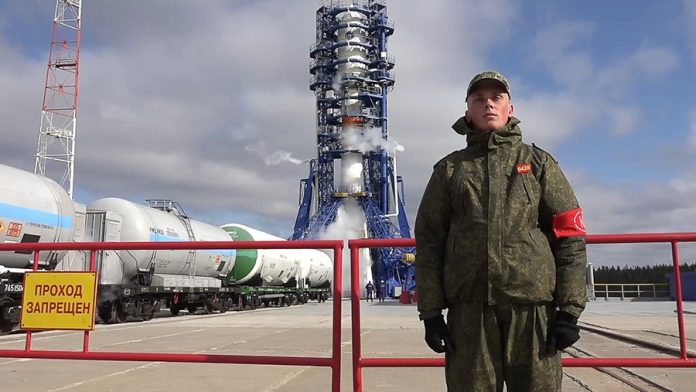
Russia’s plans for military regeneration are ambitious and multifaceted, aiming to address the significant losses and operational challenges faced during the ongoing conflict in Ukraine.

key components of these plans include:

Force Structure Reforms: Russia is reorganizing its military districts, including the redivision of the Western Military District into separate Moscow and Leningrad districts. This restructuring aims to enhance command and control capabilities.

Recruitment and Training: To replenish its ranks, Russia is focusing on recruiting more troops and improving training programs. This effort is crucial to maintaining operational effectiveness despite heavy personnel losses.

Modernization of Equipment: The Russian military is working to replace and upgrade its weapons and equipment. This includes developing new technologies and improving existing systems to address the shortcomings exposed by the war.

Asymmetric Capabilities: Enhancing asymmetric capabilities, such as cyber warfare and electronic warfare, is a priority. These capabilities are seen as force multipliers that can offset conventional weaknesses.

Military-Industrial Complex: Strengthening the military-industrial complex is essential for sustaining long-term military operations. This involves boosting domestic production of military hardware and reducing reliance on foreign imports.

Despite these efforts, Russia faces significant challenges. The ongoing conflict strains resources and complicates the implementation of reforms. Additionally, the effectiveness of these plans will depend on the ability to integrate new recruits and technologies into the existing military structure.

Here is some steps NATO could take to further support Ukraine:

Enhanced Military Aid: NATO could increase the supply of advanced weaponry and defense systems to Ukraine. This includes anti-aircraft systems, drones, and artillery to bolster Ukraine’s defensive capabilities.

Training and Advisory Programs: Expanding training programs for Ukrainian forces can help them adopt modern military tactics and improve their operational effectiveness. NATO could also provide more advisors to assist with strategic planning.

Financial Support: Establishing a substantial fund to support Ukraine’s military and economic stability over the next few years would be beneficial. This could help Ukraine rebuild and sustain its defense infrastructure.

Cybersecurity Assistance: Given the increasing cyber threats, NATO could enhance its support in cybersecurity to protect Ukraine’s critical infrastructure from cyberattacks.

Political and Diplomatic Support: NATO can continue to advocate for Ukraine on the international stage, ensuring sustained political pressure on Russia and rallying global support for Ukraine’s sovereignty.

Russia’s military has several key weaknesses that have been exposed during the ongoing conflict in Ukraine:

Rigid Command Structure: The Russian military’s top-heavy command structure limits flexibility and rapid decision-making on the battlefield. This centralized approach often results in slow responses and ineffective coordination.

Corruption and Mismanagement: Corruption within the ranks has led to issues such as the black-market sale of military equipment parts and misallocation of resources. This undermines operational effectiveness and readiness.

Outdated Strategies: Many of Russia’s military strategies are based on outdated doctrines from World War II, which are not well-suited to modern warfare’s technological and logistical demands.

Poor Training and Discipline: There is a lack of proper training and discipline among troops, which affects their performance and morale. This is compounded by a weakened corps of trained and professional units.

Equipment Deficiencies: The Russian military faces significant equipment shortages and quality issues, particularly with precision-guided munitions, unmanned aerial vehicles (UAVs), and communication systems.

Logistical Challenges: Weak supply chains and logistical support have hindered the Russian military’s ability to sustain prolonged operations and maintain effective combat readiness.

Cultural Issues: The military culture, characterized by a disregard for soldier welfare and a lack of honest communication, complicates the ability to adapt and learn from battlefield experiences.

Jumia Market Cap Surpasses $1 Billion Amid Renewed Investors’ Confidence in The Company

0

Jumia, the leading e-commerce platform in Africa, has seen its market surpass $1.33 billion. This milestone comes as Wall Street analysts and investors express renewed confidence in the company’s growth potential.

Jumia’s share price closed trading at $12.08 on Friday, compared to $8.46 on July 8, lifting its market value to $1.32 billion. The recent uptick in Jumia’s stock price reflects growing optimism about its ability to capitalize on the expanding e-commerce market in Africa.

The rally marks a notable shift in fortunes for the company, which has experienced a rollercoaster ride as a publicly traded company since its debut on the New York Stock Exchange in April 2019. Although Jumia’s share price skyrocketed to an all-time high of $62.4 in February 2021 amid the meme stock frenzy, it has since shed over 70% of its market value. This decline comes as the company’s board and management team work diligently to orchestrate a turnaround.

After a string of poor performances, the company took the drastic decision to fire its long-time co-CEOs, Jeremy Hodara and Sachs Poignonnec, in late 2022, and appointed Francis Dufay who previously held the CEO role at one of Jumia’s top markets, Ivory Coast, to run the company.

Under the previous management, Jumia never turned a profitable quarter since it went public in 2019 despite the former co-CEOs consistently mentioning how the company was intentional about its path to profitability during quarterly calls. After battling several fraud allegations, public relations crises, and increasing losses in back-to-back quarterly reports, investors’ confidence waned in Jumia’s ability to become a profitable business.

The new CEO Dufay inherited a struggling business that was no longer growing, putting it at risk of running out of money. Under Dufay’s leadership, he focused on reducing Jumia’s operating losses and setting the company on a clear path to profitability.

He implemented several cuts across the company, including laying off 900 or 20% of employees. He also reined in some profligacy, including forcing 60% of Jumia’s top management team to work from the African continent instead of an office in the United Arab Emirates to save costs. The cuts also hit executive compensation.

So far, Dufay’s changes seem to be working. Jumia’s operating losses were down 60% in 2023, year, especially advertising spend, which declined 71.7%, compared to 2022.

In May 2023, Jumia saw its losses decline, and met its end-of-the-year target in its first quarter (Q1) report for 2023, following the implementation of strategy from new management. Reports revealed that the e-commerce platform reached the lowest losses in four years after the new management Jettisoned the blueprint of the previous management.

These changes have no doubt made an impact on the company. At the end of Q1 2024, the company, which has never turned a profit, reduced its operating losses by 71%.

Also, its revenue grew by 18.5% despite rapid currency devaluation and macroeconomic problems in its key markets, especially Nigeria, which represents more than a third of its annual sales. The company also posted a 19% revenue growth year-on-year in Q1 2024 to $49 million, despite a 5% decline in active customer base in the same quarter.

Its quarterly active customers group declined from 2 million to 1.9 million due to cost-cutting measures such as reduced customer incentives and free shipping expenditures. However, this helped the company to retain a higher-quality customer base with increased repurchase rates.

Jumia Group’s CEO, Francis Dufay, believes the company is off to a great start this year as it continues to execute strategic priorities focused on strengthening Jumia’s core business and improving cash efficiency while establishing a leaner organization primed for growth.

As Jumia continues to execute its strategic initiatives and expand its footprint across the African continent, market watchers remain bullish on the company’s long-term prospects. The rise in market cap underscores the increasing recognition of Jumia’s potential to drive significant value in the rapidly evolving e-commerce landscape in Africa.