DD
MM
YYYY

PAGES

DD
MM
YYYY

spot_img

PAGES

Home Blog Page 3102

Nigerian Naira and the Economic Urgency for Nigeria to Transform

0

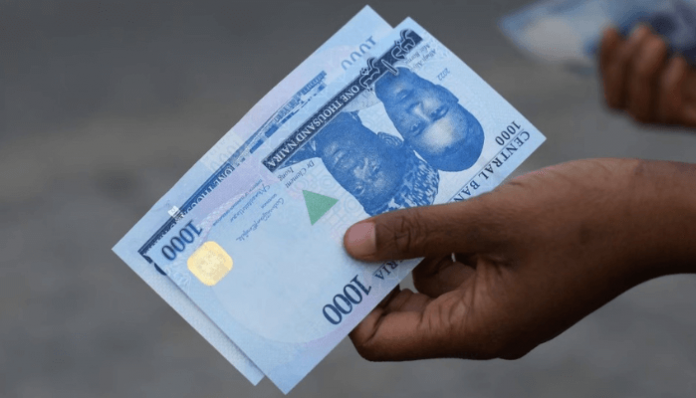
From  1973 to 2015, US$1 exchanged at worst for N200. But between 2015 and 2024, it got up to N1,600/$.  The implications are huge for any business in Nigeria. Of course, the citizens, especially the savers, have lost enormous purchasing power. Pension and retirement accounts have lost massive “purchasing” value. If you retired as a school headmaster in 2012, and were to be paid N4 million, if they did not pay it by 2015, and you are getting it now, you have effectively lost more than 60% of that money.

As that happens, the Nigerian manufacturer loses grounds even as competition heats up across the borders. The largest textile factory in West Africa is being established in Benin Republic (i.e. Cotonou); that country has about 14m people. By the time they are done, the small remaining textile factories in Nigeria will close because there is no way to compete.  The ECOWAS quasi rule of origin clause which offers free movements of goods in ECOWAS largely tariff free is not enforced by Nigeria as expected.

Today, the BUSIEST port in West Africa is Togo’s Port of Lome. They laugh at Nigeria because Togo now runs a bigger port than Nigeria since Nigerian importers use Lome port due to its top-grade facilities (get things cleared fast). So, they charge Nigerian importers international duties while Nigeria charges those people largely free ECOWAS duties. Togo has less than 9m people.

So, besides looking at China, the United States, etc, even our neighbours have solved Nigeria. Also, the trio of Mali, Niger and Burkina Faso have taken their businesses to Morocco and Algeria; you can import things via  Western Sahara/Mauritania, and Algeria, into those three countries. Like that, they have stopped trading with Nigeria and the implications are huge! 

Get this: the CFA Franc (currency they use in Cotonou’s Benin Republic and most Francophone countries) has gained 10x against the Naira in the last nine years. In 2015, 1 CFA franc in Cotonou would have given you N0.25 (or 25 kobo); today, you will get N2.50. If you run the numbers, that is a 10X appreciation over the Naira in less than ten years! 

So, instead of being fixated with China and the US, Nigeria may need to focus on how to compete regionally as our neighbours are outsmarting us.

West African currency, ECO, will Not Improve Intra-Trade in West Africa Without Foundational Infrastructures

USA Elections Vs Blockchain Rally Between Republican and Democrats

0

The 2024 U.S. elections are shaping up to be significantly influenced by the growing interest in blockchain and cryptocurrency. Both Republicans and Democrats are recognizing the importance of crypto voters, who could play a crucial role in deciding tight races.

Historically, Republicans have been more supportive of pro-crypto legislation. For instance, they spearheaded the passage of the Financial Innovation and Technology for the 21st Century (FIT21) Act, which aims to provide clearer regulations for cryptocurrency projects. However, recent developments show a shift among Democrats as well. In May 2024, a bipartisan coalition, including many Democrats, voted to overturn a restrictive SEC rule, indicating a growing acceptance of crypto within the party.

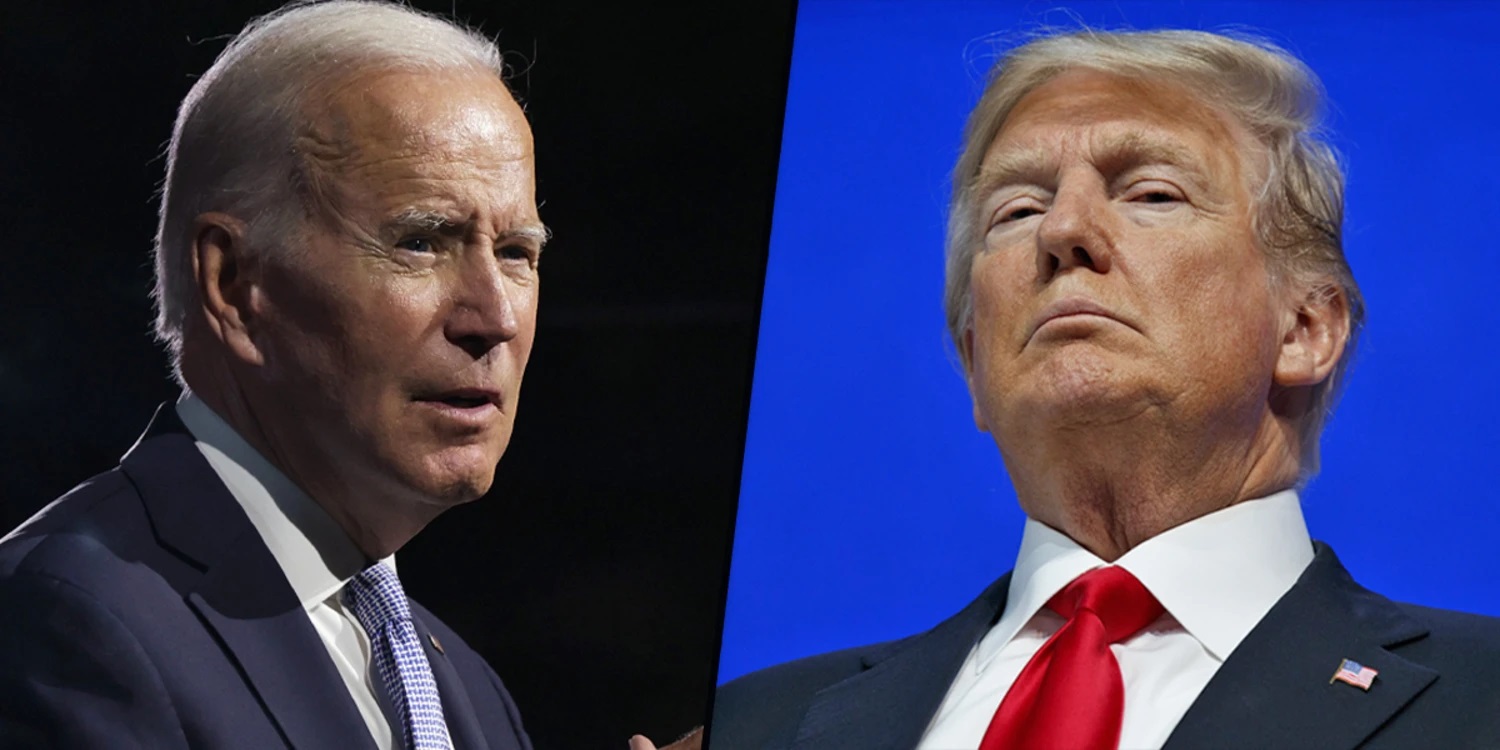
Former House Speaker Nancy Pelosi has recently avoided explicitly endorsing President Joe Biden as the Democratic nominee for the 2024 election. In a series of interviews, Pelosi emphasized that the decision to run is ultimately up to Biden, urging him to make a decision soon due to the limited time left before the election.

Pelosi’s comments have sparked discussions within the Democratic Party, as she remains a significant figure whose opinions are highly regarded. Despite her reluctance to fully endorse Biden, Pelosi’s spokesperson clarified that she supports whatever decision Biden makes, highlighting the importance of focusing on the broader goal of preventing a potential Trump presidency.

The U.S. House of Representatives recently attempted to overturn President Biden’s veto of the repeal of the SEC’s Staff Accounting Bulletin 121 (SAB 121), but the effort fell short. The House needed a two-thirds majority to override the veto but did not achieve this threshold. SAB 121, issued by the SEC, has significant implications for banks and financial institutions, particularly those involved in the custody of digital assets.

Here are some key effects:

Balance Sheet Impact: SAB 121 requires banks and financial institutions to record both a liability and a corresponding asset for the crypto assets they safeguard on behalf of customers. This means that these assets must be included on their balance sheets at fair value.

Increased Capital Requirements: By bringing customer crypto assets onto their balance sheets, banks face higher capital requirements. This can be a substantial burden, especially for institutions with significant digital asset holdings.

Compliance Costs: Implementing the requirements of SAB 121 involves significant compliance costs. Banks need to update their accounting systems and processes to accurately reflect these assets and liabilities.

Risk of Insolvency: There is a concern that SAB 121 could increase the risk of insolvency for banks. If a bank holding significant crypto assets becomes insolvent, the distinction between customer assets and bank assets could become blurred, potentially putting customer assets at risk.

Operational Challenges: Banks must ensure they have robust systems in place to manage and safeguard these digital assets. This includes cybersecurity measures, accurate record-keeping, and effective risk management practices.

SAB 121 is a controversial rule that requires banks to hold customers’ crypto assets on their balance sheets, which has been criticized for increasing capital requirements for banks handling digital assets. Despite bipartisan support for the repeal, the House vote did not gather enough support to overturn the President’s decision.

This outcome means that the SEC’s guidance on crypto asset accounting remains in effect, continuing to impact how banks and financial institutions manage digital assets. The debate over SAB 121 highlights the ongoing tension between regulatory bodies and the evolving cryptocurrency industry.

Polls suggest that crypto voters could be a key swing bloc in the 2024 elections. A significant number of these voters prioritize candidates who support clear and favorable crypto regulations. Interestingly, while crypto owners tend to support Democratic candidates for Congress, they lean towards Donald Trump over Joe Biden in the presidential race.

TRX Gas-Free Transactions, Is Bonk Ready To Bounce Back? New Altcoin Outshining The Rest

0

While most investors are facing losses, a handful of tokens are still making waves in the market. Investors who are eager for the kind of positive returns they experienced in early 2024 are eyeing three tokens right now: TRON, Bonk and Rollblock.

TRON (TRX) is promising gas-free transactions for stablecoins by the end of the year. This will dramatically increase the traffic on this already popular blockchain, which should see TRON’s crypto token extend an already positive year of returns.

Bonk Coin (BONK) is holding a vote to burn a large number of tokens. Since these events are often the catalyst for a price increase, investors are watching the potential impact on the Bonk price.

Rollblock (RBLK) is becoming one of the best altcoins of 2024, having already raised $1 million during 3 successful presale rounds. This GambleFi juggernaut is adding feature after feature to its platform. Luckily for investors, Rollblock is still only in the 3rd stage of its presale, with many analysts predicting 100x returns by the time their full rollout is done in 2024.

TRON Cutting Gas Fees Will Speed Up Its Growth And Adoption

TRON’s crypto coin is among the few tokens to buck the recent downturn. While most other major tokens were falling, TRON was enjoying a 30% price increase, driven by the promise of eliminating transaction fees.

TRON games are hugely popular, but developers are limited by the cost of bidding for bandwidth on the underlying blockchain. By eliminating this barrier to development, TRON will greatly increase the number and quality of TRON games and other apps on its platform.

The TRON ecosystem already has more than 2 million active users and processes around $40 billion in stablecoin transactions each day, surpassing many traditional payment processors.

Bonk’s Burn Plan Has Investors Eyeing Bonk Coin For A Quick Return

Bonk recently saw a surge of over 30% while the broader crypto market struggled. The spike coincided with the Bonk DAO’s announcement of a significant token burn plan, driving trading volume for Bonk Coin up by 169% to $483 million.

Despite previous overwhelming community support for token burns, evidenced by over 99.9% approval in April, sentiment around Bonk has shifted. After reaching an all-time high with a market cap of $2.8 billion, Bonk’s market cap has since retraced to approximately $1.5 billion, reflecting a less optimistic outlook compared to its earlier performance.

Rollblock Shatters Expectations With The Successful Launch Of Their Gamefi Platform

According to crypto analysts, the best altcoin option right now is Rollblock, a GambleFi platform going from win to win as it rolls out its online casino.

Rollblock already has more than 150 active games from 10 separate online gaming providers. They have games to satisfy every type of player, from traditional staples like poker to a dizzying array of exciting new slot games. Rollblock has also recently announced that they will soon offer one of the most comprehensive sports betting platforms, with odds on everything from NBA basketball to Formula 1 racing. This is expected to add thousands of new users to the platform, which already has over 4,000 active players in less than two months.

Crypto investors are most interested in the huge range of crypto integrations on Rollblock’s platform. Rollblock shares up to 30% of the weekly revenue with its players through buyback and burns and staking with market-beating APYs. These opportunities let investors generate new income streams, optimizing their portfolios in the process.

Analysts predict that the $450 billion gambling industry will expand to $750 billion by 2028, with most revenue moving online. Rollblock’s focus on crypto integration is positioning it to be a major player as crypto gambling becomes the norm and traditional gambling is left in the dust.

Fortunately, Rollblock is still only in the 3rd of its presale, with the token at a generous price of $0.0158. Analysts expect that this price will rally a massive 720% before the presale is complete, with some projections calling for a 100x return in 2024.

Discover the Exciting Opportunities of the Rollblock (RBLK) Presale Today!

Website: https://presale.rollblock.io/

Socials: https://linktr.ee/rollblockcasino

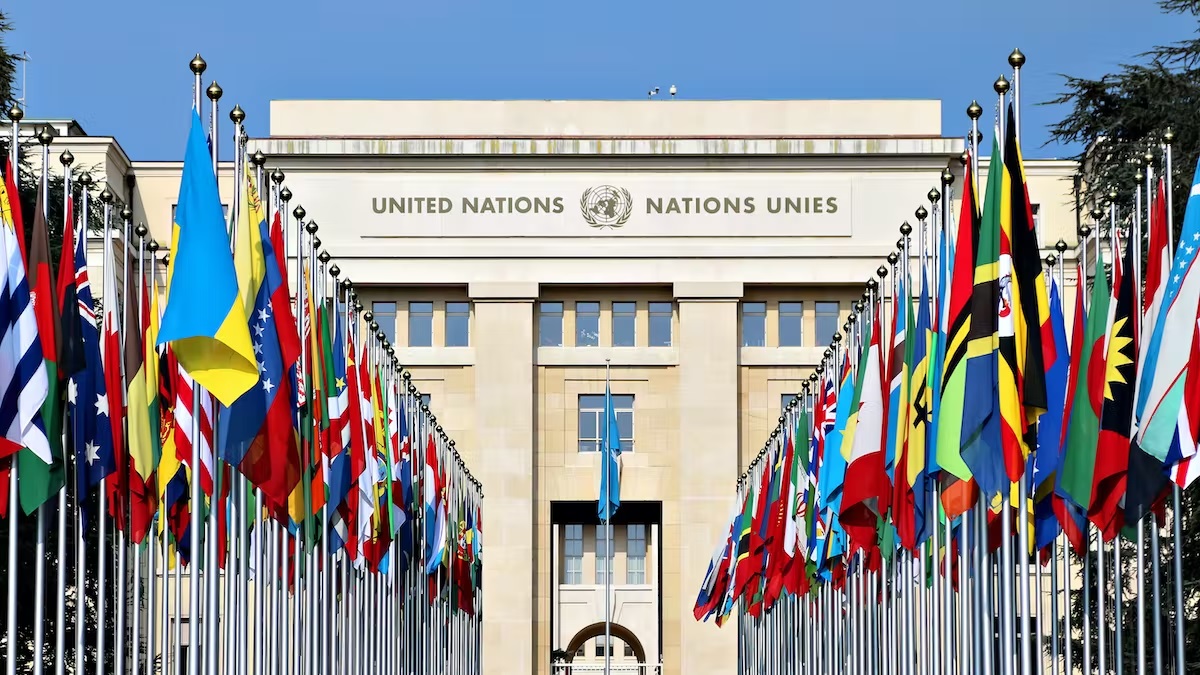
Implications of United Nations Blockchain Programme

0

The United Nations (UN) has been exploring the potential of blockchain technology across various sectors, aiming to enhance transparency, accountability, and efficiency in its operations. The United Nations Development Program (UNDP) has launched a blockchain-based pilot program in Cambodia called the Universal Trusted Credentials (UTC). This initiative aims to enhance digital trust and financial inclusion for Micro, Small, and Medium Enterprises (MSMEs) by leveraging blockchain technology.

The UTC system allows MSMEs to create digital identities and trusted credentials, which can help them access a wider range of financial services. This is particularly beneficial for businesses that struggle with traditional financing due to a lack of verified data. By using blockchain technology, the program ensures that all transactions and credentials are secure and transparent. This can build trust between MSMEs and financial institutions, potentially leading to more investment and economic growth.

The pilot in Cambodia is part of a broader plan to roll out the UTC system in 10 countries. This could create a global ecosystem that standardizes digital credentials, making it easier for MSMEs to operate internationally. The program is supported by the Dfinity Foundation, which provides the Internet Computer blockchain infrastructure. This collaboration highlights the importance of partnerships between international organizations and tech companies in driving digital innovation.

Here are some key implications of the UN’s blockchain initiatives

Blockchain’s immutable ledger can significantly improve transparency and accountability in financial transactions and record-keeping. For instance, an internal UN blockchain could document financial transactions, making them more auditable and reducing the risk of fraud.

Improved Efficiency in Humanitarian Aid

Blockchain technology has been successfully piloted in humanitarian aid programs. The World Food Programme (WFP) used blockchain to facilitate cash-based transfers for Syrian refugees in Jordan, allowing them to purchase food with a simple eye scan. This system has already distributed over $1 million, demonstrating blockchain’s potential to streamline aid distribution.

Digital Identity and Inclusion

Blockchain can provide secure digital identities, which is crucial for people in regions with weak administrative systems. This can help in ensuring that aid reaches the intended recipients and can also empower individuals by giving them access to services and opportunities.

Sustainable Development Goals (SDGs)

Blockchain applications can contribute to achieving the UN’s Sustainable Development Goals. For example, blockchain can enhance supply chain transparency, ensuring that goods are sourced ethically and sustainably. It can also support decentralized finance (DeFi) initiatives, providing financial services to underserved populations.

While the initial focus is on financial inclusion, the success of the UTC system could lead to its application in other areas, such as healthcare, education, and government services, further enhancing digital transformation in Cambodia and beyond.

Despite its potential, blockchain technology also presents challenges. These include the need for significant technical infrastructure, regulatory considerations, and the importance of ensuring data privacy and security. The UN continues to explore these aspects to maximize the benefits while mitigating the risks.

Overall, the UNDP’s blockchain pilot program in Cambodia represents a significant step towards leveraging technology for economic empowerment and digital inclusion. It has the potential to transform how MSMEs interact with financial systems, fostering a more inclusive and transparent global economy.


Abia State Government Disburses N1 Billion Interest-Free Revolving Loan to Empower Small Entrepreneurs 

0

Abia State, under the leadership of Governor Alex Otti, has announced the disbursement of a N1 billion Interest-Free Revolving Loan aimed at empowering 10,000 Nano and Small Scale Entrepreneurs across the state.

This initiative, revealed on Friday, is part of Governor Otti’s campaign promises to provide essential financial support to entrepreneurs, fostering business growth and economic development.

“In fulfillment of our campaign promises, we are pleased to announce the official disbursement of a N1,000,000,000 Interest-Free Revolving Loan. The initiative aims to empower 10,000 Nano and Small Scale Entrepreneurs across the 184 wards in the 17 Local Government Areas (LGAs) of Abia State,” said Governor Otti in a statement.

Governor Otti emphasized the importance of this initiative in addressing the financial difficulties faced by small-scale business owners in both rural and urban communities.

“Our focus is on enhancing business awareness at the grassroots level, recognizing that this approach is crucial for combating endemic poverty and addressing our worrisome unemployment rate,” he added.

The Abia State Cooperative Support Scheme, the framework through which the loans will be disbursed, aims to support a diverse group of beneficiaries.

“The selected beneficiaries for this batch include farmers, petty traders, and artisans from various parts of the state,” the governor explained.

“Our model emphasizes productivity, job creation, and poverty reduction. Beyond the current beneficiaries, our target is to directly impact approximately 100,000 businesses over the next thirty-six months. We remain optimistic that today’s recipients will diligently repay their loans, enabling others to benefit,” Otti added.

He also hinted at potential future collaborations with international partners and donor agencies to expand the scheme.

To ensure the effective implementation and sustainability of the scheme, the state has adopted a community-based approach.

“We have strategically leveraged community-based cooperative societies for loan disbursement. Members must understand the consequences of deliberate loan defaults; a depleted resource pool affects the chances of other members benefiting,” the governor stressed.

Governor Otti highlighted that this initiative is part of a broader strategic development agenda aimed at improving the welfare of Abia State citizens.

“Our administration rejects a scenario where a select few monopolize community resources while the majority wallow in poverty. We are committed to improving the welfare of our citizens at the grassroots level,” he said.

The governor extended special thanks to stakeholders and Hon. Ishmael Onuoha, the Coordinator of the scheme and Senior Special Assistant to the Governor on Cooperative Societies, for their hard work in ensuring the success of the initiative.

Addressing the State’s Underdevelopment

Abia State has faced significant challenges over the years, primarily due to underdevelopment and mismanagement by previous governments. The lack of adequate infrastructure, poor economic policies, and corruption have left many communities in the state impoverished.

Since taking office over a year ago, Otti’s administration has been proactive in tackling these issues. Besides the revolving loan scheme, the government has initiated various other projects aimed at revitalizing the state’s economy. These include infrastructural developments, healthcare improvements, and educational reforms.

One notable project is the ongoing road rehabilitation across key urban and rural areas to improve connectivity and facilitate commerce. The state government has also embarked on modernizing healthcare facilities to ensure that residents have access to quality medical services.

In education, the government is making efforts to renovate dilapidated schools and provide learning materials to enhance the quality of education.