DD
MM
YYYY

PAGES

DD
MM
YYYY

spot_img

PAGES

Home Blog Page 3117

Nigerian House of Reps Calls for Suspension and Investigation of Controversial Samoa Agreement

0

The Nigerian House of Representatives has urged the federal government to halt the implementation of the $150 billion Samoa Agreement, citing concerns over the inclusion of controversial provisions related to LGBTQ rights.

This call for suspension and investigation follows a motion of urgent public importance sponsored by Sani Madaki, the minority whip, alongside 87 other lawmakers.

The Samoa Agreement, according to the European Council, is a comprehensive framework governing the European Union’s (EU) relations with 79 countries in Africa, the Caribbean, and the Pacific (ACP). The agreement, signed on November 15, 2023, in Samoa, Oceania, covers six priority areas: democracy and human rights, sustainable economic growth and development, climate change, human and social development, peace and security, and migration and mobility.

It is set to replace the Cotonou Agreement, which has been in place since 2000.

Controversy Surrounding the Agreement

The recent signing of the Samoa Agreement by the Nigerian government has sparked controversy, primarily due to reports suggesting the inclusion of provisions supporting LGBTQ rights. These claims have been hotly contested and have led to significant public and legislative debate.

The federal government, through Mohammed Idris, the Minister of Information and National Orientation, has clarified that the agreement does not contravene Nigeria’s 1999 Constitution or other existing laws. Idris explained that the agreement focuses solely on the economic development of the country and does not contain any provisions regarding same-sex marriage.

However, this explanation has failed to quell the raging agitation of Nigerians, especially in the north, over the agreement.

Nigeria’s Economic Crisis and the Search for Financial Relief

Economic experts have pointed out that Nigeria’s current financial crisis played a significant role in the decision to sign the Samoa Agreement. Nigeria has faced severe economic challenges, including dwindling revenue streams from its primary income sources such as oil exports.

This situation has left the country in a financial bind, struggling to meet its budgetary requirements and finance critical development projects. As a result, the government has been forced to look for financial support and partnerships wherever possible to stabilize the economy and ensure sustainable development.

The economic downturn has been made worse by global oil price fluctuations, rising debt levels, and a devalued currency. These factors have collectively strained the national economy, making it difficult for the government to fund essential services and infrastructure projects. In this context, international agreements such as the Samoa Agreement present an opportunity for Nigeria to secure much-needed economic aid and development partnerships.

During the legislative session, the motion to suspend the Samoa Agreement was presented by Sani Madaki, who argued that the agreement violates Nigeria’s laws on LGBTQ rights and same-sex marriage. Supporting the motion, Ghali Tijani from Kano stated that the House should reject the agreement entirely. Bello Kumo, the majority whip, called for the federal government to rescind the deal and apologize to Nigerians.

However, not all lawmakers were in agreement. Kingsley Chinda, the minority leader and co-sponsor of the motion, urged his colleagues not to be judgmental but rather to support an investigation into the agreement. He highlighted the need for proper information dissemination and criticized the federal government for not involving the lawmakers in the decision-making process.

Julius Ihonvbere, the majority leader, defended the agreement, stating that there is no provision in the Samoa Agreement that supports LGBTQ rights. His comments were met with interruptions and shouts of “no” from other lawmakers, indicating deep-seated divisions and misunderstandings about the content of the agreement.

Nigeria’s Anti Same-Sex Law

Nigeria’s stance on LGBTQ rights is firmly established by the Same-Sex Marriage Prohibition Act (SSMPA) passed in 2014, which criminalizes same-sex marriage and LGBT rights. This legal framework underpins the uproar surrounding the Samoa Agreement, as any suggestion of support for LGBTQ rights is seen as a direct violation of Nigerian law.

In response to the controversy, the federal government has strongly denied the inclusion of any LGBTQ provisions in the Samoa Agreement. The Minister of Information, Mohammed Idris, labeled the allegations as “despicable and wicked,” asserting that the document does not support same-sex marriage or LGBTQ rights.

The government has announced its intention to lodge a formal complaint with the NPAN Ombudsman against Daily Trust Newspaper, which reported the matter first, over what it describes as irresponsible reporting, and to seek redress through lawful means.

The Financial Sector and Crypto Liquidity Will Continue to Surge Into 2025

0

The financial sector is witnessing a transformative era as it intersects with the burgeoning world of cryptocurrencies. As we move towards 2025, the trends indicate a continued surge in crypto liquidity, reshaping the landscape of investment and asset management. The integration of advanced technologies such as AI and machine learning is poised to enhance price prediction and order execution, leading to more sophisticated and efficient financial markets.

Crypto liquidity refers to the ease with which cryptocurrencies can be bought or sold in the market without affecting their price. High liquidity indicates a stable market with the ability to handle large transactions efficiently. The surge in crypto liquidity suggests a maturing market, one that is becoming increasingly attractive to institutional investors and casual traders alike.

A pivotal development in this trajectory is the potential approval of a spot bitcoin ETF, which could significantly impact the adoption and legitimacy of bitcoin as an institutional-grade investment. This approval could unlock the vast retirement fund market to the crypto asset class, potentially driving a massive inflow of capital into the market. The implications of such an approval are far-reaching, offering a more accessible path for advisors and institutions to gain exposure to bitcoin, and by extension, other cryptocurrencies.

The crypto market trends of 2024 have laid the groundwork for what we can expect in the following year. Decentralized Physical Infrastructure Networks (DePIN) are emerging as a key trend, connecting everyday world infrastructure services with blockchain technology. Projects like Filecoin and Arweave are revolutionizing cloud storage, while Helium and Hivemapper are innovating in the realms of internet access and data collection, respectively.

Furthermore, the expansion of decentralized finance (DeFi) solutions continues to gain momentum, with a focus on regulatory compliance and global market access. The shift towards lower-risk DeFi strategies, such as staking and secured lending, indicates a maturing market that prioritizes stability and sustainability.

By 2025, several key developments are expected to enhance crypto liquidity:

Enhanced Market Depth: With more institutional investors entering the market, there will be a significant increase in capital and liquidity.

Cross-Chain Liquidity: The ability to transfer assets across different blockchain networks will improve.

Institutional Market Making: Large financial institutions will play a more active role in providing market liquidity.

Evolution of Decentralized Exchanges (DEXs): Technological advancements will continue to improve the efficiency and security of DEXs.

The implications of this surge are profound. It promises a more inclusive financial ecosystem where transactions are transparent, efficient, and secure. The potential for crypto assets to offer diversification in investment portfolios is also significant, as they are often uncorrelated with traditional financial markets.

However, challenges such as regulatory uncertainty, security concerns, and market manipulation risks remain. Addressing these challenges requires a concerted effort from market participants, regulators, and technology providers to develop robust solutions that ensure the market’s integrity and resilience.

As we look towards 2025, the financial sector must brace itself for the continued impact of cryptocurrency. The surge in crypto liquidity is not just a testament to the growing acceptance of digital currencies but also an indicator of the potential for more innovative and inclusive financial solutions.

Crypto Theft Surges in First Half of 2024, Doubling Previous Year’s Total

14

According to a report from Blockchain research firm TRM labs, in the first half of 2024, crypto theft increased significantly in the first half (H1) of 2024, doubling the previous year’s total.

The report revealed that $1.38 billion worth of cryptocurrency was stolen between January 1 and June 2024, surpassing the $657 million stolen during the same period in 2023. Similar to last year, a few major heists were responsible for the bulk of the stolen crypto, with the top five hacks accounting for 70% of the total amount lost in the first half of this year.

More money was stolen during each of the first six months of 2024 than in the corresponding months in 2023, with the median hack of 150% larger.

TRM Labs identified private key and seed phrase compromises as the primary attack vectors in 2024. These seed phrases are sequences of random words that hold the information needed to access or recover a crypto wallet. This year, the largest heist so far involved the theft of over $300 million worth of bitcoin from the Japanese crypto exchange DMM Bitcoin.

Hackers utilized stolen private keys or address poisoning, where attackers send a small amount of cryptocurrency from a wallet with a similar-looking address to trick victims into sending funds to the wrong wallet.

On the other hand, crypto addresses, being long and complex strings of characters, are difficult to memorize or manually enter without errors, making them vulnerable to such tactics.

TRM Labs reported that with the growing rate of crypto theft, there have been no fundamental changes in the crypto ecosystem’s security which could explain the increase in the amount stolen. The number of attacks and attack vectors remained relatively consistent year over year. However, the firm noted that higher average crypto prices in the first half of this year likely contributed to the increased value of stolen cryptocurrency.

It is worth noting that Crypto companies have consistently been prime targets for hacks and cyberattacks. These exchanges which hold large amounts of assets, have continued to face heightened attacks from hackers. As more people and businesses adopt cryptocurrencies, the value of digital assets has increased, making them more attractive to hackers.

In 2014, the crypto exchange Mt. Gox filed for bankruptcy after a series of hacks resulted in the theft of up to 950,000 bitcoins, worth over $54 billion at today’s prices.

More recently, in November, approximately $115 million was stolen from HTX exchange and Heco Chain, two platforms linked to high-profile entrepreneur Justin Sun. TRM Labs emphasized that crypto firms can defend against hacks and exploits through a multi-layered defense strategy, including regular security audits and robust encryption.

According to a 2022 prediction by Gartner, it disclosed that the number of large enterprises using cryptocurrency as a digital means of exchange for payment, stored value, or collateral will rise to at least 20% this year, highlighting a trend that poses new financial risk management challenges for organizations and their CFOs.

Meanwhile, despite increased security measures, exchanges are still vulnerable to large-scale attacks. As technology continues to advance, these hackers are continually developing more sophisticated methods to steal cryptocurrencies, such as phishing, malware, and ransomware.

TRM Labs has emphasized the need for exchanges to Educate employees and implement a comprehensive incident response strategy, which are crucial measures to protect companies from cyber threats.

Can AI Revolutionize the Mobile App Experience?

0

Artificial Intelligence (AI) has become ubiquitous in nearly all areas of technology, with the promise of transforming industries and enhancing consumer experiences. AI’s integration into mobile applications can transform users’ interactions with apps.

That includes enhancing personalization and user interface (UI) design and optimizing performance and security.

This article will tackle how AI is reshaping the mobile app landscape, exploring its current applications, future potentials, and implications for developers and users alike.

Understanding Artificial Intelligence in Mobile Apps

The advent of AI has opened up innovative possibilities for improving mobile applications. It offers capabilities that enhance user experiences, streamline operations, and drive innovation.

What is Artificial Intelligence?

Artificial Intelligence entails simulating human intelligence in machines programmed to think, understand, and problem-solve like humans. In the context of mobile apps, AI encompasses various technologies and techniques that enable apps to execute tasks traditionally requiring human intelligence, such as:

Machine Learning (ML)

Machine Learning algorithms enable mobile apps to analyze large datasets, learn from patterns, and make data-driven predictions or decisions. In mobile apps, ML powers personalized recommendations, predictive text input, and anomaly detection, among other functionalities.

Natural Language Processing (NLP)

NLP enables mobile apps to understand, interpret, and generate human language. Virtual assistants like Siri (Apple) and Google Assistant leverage NLP to comprehend user queries, execute commands, and provide relevant information. NLP facilitates chatbots in customer service apps, enabling automated responses and natural language interactions with users.

Computer Vision

Computer Vision in mobile apps enables devices to interpret and understand visual information from images or videos. AI-powered apps can perform tasks such as facial recognition for unlocking devices, object detection for augmented reality applications, and image classification for photo organization and editing.

Current Applications of AI in Mobile Apps

AI technologies have already transformed various mobile app functionality and user experience. Existing applications of Artificial Intelligence within mobile apps include:

Personalization and recommendation systems

Personalization is a prominent AI application in mobile apps. AI algorithms analyze user behavior, preferences, and historical data to tailor content and recommendations for each user.

Examples include:

  • Streaming services: Platforms like Netflix and Spotify use AI to recommend movies, TV shows, and music based on users’ past viewing and listening habits.
  • E-commerce: Amazon and other online retailers use AI to suggest products a person might be interested in based on their browsing history.
  • News apps: News aggregators like Google News and Flipboard use AI to curate news articles and stories that align with users’ interests and reading habits.

Virtual assistants and chatbots

AI-powered virtual assistants and chatbots enhance user interaction by providing instant support and facilitating tasks through natural language processing (NLP).

Examples include:

  • Siri and Google Assistant: These virtual assistants use AI to comprehend and respond to voice commands, helping users perform tasks like setting reminders, sending messages, and searching the web.
  • Customer service chatbots: Many businesses integrate AI chatbots into their mobile apps to provide 24/7 customer support, answer queries, and resolve real-time issues.

Enhanced User Interface (UI) and User Experience (UX)

AI is used to optimize the UI and UX of mobile apps by analyzing user interactions and making data-driven improvements to design and navigation.

Examples include:

  • Adaptive interfaces: Apps like Airbnb use AI to adapt the interface based on user behavior, making navigation more intuitive and personalized.
  • User engagement: AI analyzes user engagement patterns to suggest app design and functionality improvements, ensuring a smoother and more enjoyable user experience.

Predictive analytics and user behavior analysis

AI-driven predictive analytics allows mobile apps to anticipate user needs and preferences, enhancing engagement and retention.

Examples include:

  • Fitness apps: Apps like MyFitnessPal use AI to predict user fitness goals and suggest personalized workout plans and dietary recommendations.
  • Mobile games: Game developers use predictive analytics to anticipate player behavior, optimizing in-game offers and content to maintain engagement and reduce churn.

Image and voice recognition

AI-powered image and voice recognition technologies enable innovative functionalities in mobile apps, making interactions more seamless and natural.

Examples include:

  • Photo apps: Google Photos uses AI to organize and tag photos based on content, allowing users to search for images using keywords.
  • Voice commands: Apps like Shazam use AI to recognize and identify music tracks based on short audio samples, enhancing the user experience with quick and accurate song identification.

Security and authentication

While having a Virtual Private Network (VPN) is necessary, AI enhances mobile app security by providing advanced authentication methods and real-time threat detection.

Examples include:

  • Biometric authentication: Apps like Apple Pay and banking apps use AI for facial recognition and fingerprint scanning, ensuring secure user authentication.
  • Fraud detection: Financial apps use AI to monitor transactions for unusual activity, identifying and preventing fraudulent behavior in real-time.

Health and fitness monitoring

AI is crucial in health and fitness apps. It provides custom insights and recommendations based on a user’s data.

Examples include:

  • Wearable integration: Apps like Fitbit and Apple Health use AI to analyze data from wearable devices, offering personalized health insights and activity recommendations.
  • Symptom checkers: Apps like Ada use AI to assess user-reported symptoms, providing potential diagnoses and health advice.

Augmented Reality (AR) and Virtual Reality (VR)

AI enhances AR and VR experiences in mobile apps by providing real-time object recognition, environment mapping, and interactive content.

Examples include:

  • Gaming: Pokémon GO uses AI to overlay digital creatures onto the real world, creating an engaging and interactive gaming experience.
  • Retail: Apps like IKEA Place use AI to let users visualize furniture in their homes through AR, enhancing the shopping experience.

Language translation

AI-powered language translation apps provide real-time text and speech translation, breaking down language barriers.

Examples include:

  • Google Translate: This app uses AI to translate text, speech, and images in real-time, facilitating communication across different languages.
  • Duolingo: The language learning app uses AI to tailor lessons to individual users’ progress and learning style, making language acquisition more effective.

Financial management

AI enhances financial apps by providing personalized financial advice, budgeting tools, and investment insights.

Examples include:

  • Personal finance apps: Apps like Mint use AI to track spending patterns, create budgets, and provide financial recommendations.
  • Investment apps: Apps like Robinhood use AI to offer personalized investment suggestions based on user preferences and market trends.
Image by Steve Johnson on Unsplash

Implications for Developers and Businesses

Integrating AI into mobile apps presents numerous opportunities and challenges for developers and businesses. Embracing AI requires strategic planning, investment in skills and resources, and a commitment to ethical and user-centric practices.

Skills and expertise

Developers must acquire skills in AI, machine learning, data science, and NLP to effectively leverage AI technologies within mobile apps. Continuous learning and adaptation to evolving AI frameworks and tools will be essential for staying competitive.

Data privacy and ethical considerations

Businesses must prioritize data privacy, transparency, and ethical AI practices when collecting, storing, and utilizing user data within mobile apps. Compliance with regulations (e.g., GDPR, CCPA) and user consent for data usage are critical considerations.

Competitive advantage and innovation

Early adopters of AI technologies in mobile apps will have the edge by delivering superior user experiences, personalized services, and innovative functionalities. AI-driven insights and predictive analytics will inform strategic decision-making and product development.

Collaboration and integration

Collaboration between app developers, AI specialists, UX/UI designers, and data scientists will drive innovation and the seamless integration of AI capabilities into mobile apps. Cross-functional teams will foster creativity, problem-solving, and agile development processes.

Challenges and Considerations

While the potential advantages of integrating AI into mobile apps are immense, there are also significant challenges and considerations. Developers and businesses must address these issues to ensure successful implementation.

Complexity and integration costs

Integrating AI into mobile apps requires significant investment in technology infrastructure, AI frameworks, and talent acquisition. Businesses must weigh the costs versus benefits and assess the scalability of AI-driven solutions.

Data privacy and security risks

AI-powered mobile apps collect and process vast amounts of user data, which raises concerns about data privacy, security vulnerabilities, and regulatory compliance. Robust encryption, secure data storage, and user consent mechanisms are essential safeguards.

Algorithm bias and fairness

AI algorithms may exhibit biases based on training data, leading to unintended discrimination or skewed recommendations. Developers must implement measures to mitigate bias, ensure algorithmic fairness, and promote diversity in training datasets.

User acceptance and trust

Building user trust in AI-driven mobile apps requires transparent communication, clear privacy policies, and user-friendly interfaces. Educating users about AI functionalities and benefits can foster acceptance and adoption.

The AI-Driven Future of Mobile Apps

Artificial Intelligence offers unprecedented opportunities for personalized interactions, enhanced efficiency, and innovative functionalities. From advanced personalization and predictive analytics to improved security and automation, AI technologies will reshape how individuals interact with mobile apps and how businesses deliver value.

Embracing AI-driven strategies, addressing challenges, and prioritizing ethical considerations will be crucial for developers and businesses seeking to harness AI’s full potential in the evolving mobile app landscape.

With MiCA, Crypto Regulations Foundation can be more Solidified

0

The European Union’s Markets in Crypto Assets Regulation (MiCA) has been a topic of significant discussion within the cryptocurrency community. As the regulation is set to take effect in 2024, it promises to bring legal certainty and compliance challenges, along with global implications for the crypto sector.

MiCA represents a major milestone for the crypto industry, as it invites crypto market participants into the regulatory perimeter for the first time. This move is widely regarded as a step towards long-term stability for crypto markets, enhanced protections for users, and a more attractive investment environment for entrepreneurs.

One of the key aspects of MiCA is its approach to stablecoins, which are cryptocurrencies designed to minimize the volatility typically associated with digital assets by pegging their market value to an external reference, such as a fiat currency or a basket of assets. Under MiCA, stablecoins, or “e-money tokens” (EMTs) as they are referred to when linked to the value of a fiat currency, will have to hold suitable reserves and be well-governed.

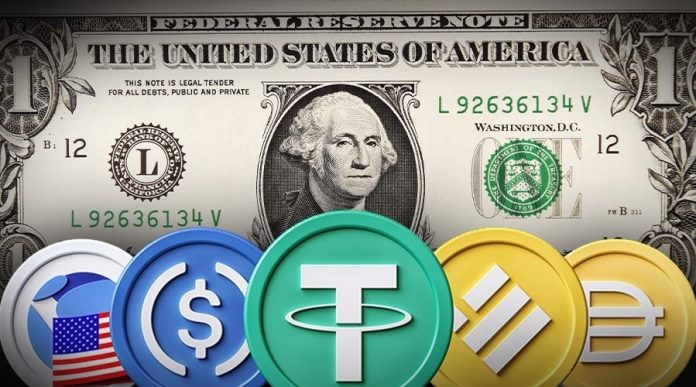
However, the regulation has also introduced restrictions on stablecoin issuance and transactions, which have raised concerns among industry participants. The current caps on issuance and transactions for certain USD-referenced “e-money” tokens — including USDT, USDC, and BUSD — are set at 1 million transactions by volume or 200 million euros by notional value. These limits are considered too small to support current levels of activity and could lead to major disruptions in the functioning of the crypto ecosystem.

The restrictions on stablecoins have sparked a debate on whether they should be revisited. Critics argue that the caps are far too restrictive and do not reflect the growing role of stablecoins in the digital economy. Stablecoins have become integral to enabling critical use cases, such as cross-border payments and interactions with smart contracts, forming a central component of the lending and yield-generating ecosystem.

Moreover, stablecoins serve as a bridge between the fiat-based world of traditional finance and digital assets, offering a reliable store of value for investors and a safe haven from more volatile assets. They are particularly important for those in countries facing hyperinflation or other local currency debasing risks.

As MiCA moves towards implementation, there is a call for a balanced approach that acknowledges the potential risks associated with stablecoins while also recognizing their importance in the broader financial ecosystem. The regulation’s drafters are urged to revisit the restrictions on stablecoin issuance and transactions to ensure that they are aligned with the current and future scale of crypto market activities.

The conversation around MiCA and stablecoin regulations is ongoing, and it is clear that the crypto community is seeking a regulatory framework that supports innovation while ensuring market stability and user protection. As the implementation date draws closer, all eyes will be on the EU to see how it navigates these complex issues and sets a precedent for crypto regulation worldwide.

These provisions aim to enhance market integrity, ensure consumer protection, and foster innovation within the crypto-assets market. As MiCA is set to take effect in 2024, it will be interesting to see how these regulations shape the future of the cryptocurrency industry in Europe and beyond.