DD
MM
YYYY

PAGES

DD
MM
YYYY

spot_img

PAGES

Home Blog Page 3146

Amid U.S. and European Sanctions, China’s Electric Vehicle Market Booms: Zeekr and Nio Set Records in First Half of 2024

0

China’s electric vehicle (EV) market is experiencing unprecedented growth, defying the impact of U.S. and European sanctions and forcing a competitive shift in the global auto industry.

Geely-owned Zeekr reported record deliveries in June, solidifying its position as the leader among U.S.-listed Chinese companies focusing solely on pure electric cars. With 20,106 cars delivered last month and 87,870 vehicles in the first half of 2024, Zeekr slightly surpassed Nio’s 87,426 deliveries for the same period. Nio also achieved a personal best with 21,209 deliveries in June, showing a strong recovery from earlier in the year.

Despite the geopolitical tensions and economic pressures from Western sanctions aimed at curbing China’s technological advancements, Chinese EV manufacturers have thrived. Xpeng, while lagging behind its peers, managed 52,028 deliveries in the first six months, including 10,668 in June. Li Auto, known for its hybrid vehicles, led the market with 47,774 deliveries in June and a total of 188,981 for the first half of the year.

Huawei’s Aito brand, a joint venture with Seres, reported 184,286 deliveries in the first half, further showcasing the resilience and growth of China’s automotive sector. Meanwhile, Xiaomi, primarily recognized for its electronics, has also made significant strides in the EV market, delivering over 10,000 cars in June, and more than 25,000 since the launch of its electric SU7 in March.

Despite Zeekr’s strong delivery numbers, its shares fell by 3.2% in U.S. trading, while Li Auto and Nio saw their shares rise by over 6%. Xpeng shares also increased by nearly 5.2%. BYD, another significant player, delivered 1.6 million new energy passenger vehicles in the first half of the year, marking a 29% increase from the previous year.

Interestingly, BYD’s growth was driven more by plug-in hybrid cars, which saw a 39.5% increase compared to a 17.7% increase for battery-only cars.

However, the preference for hybrid vehicles over purely electric ones highlights the ongoing concern of range anxiety among Chinese consumers. Wan Gang, the architect of China’s electric car strategy, emphasized the need for car companies to improve the battery charging process to alleviate these concerns.

Market Driven by Articulated Industry Policies

China’s new energy vehicle (NEV) sales have surged, accounting for 47% of all passenger cars sold in May, up from 32% at the start of the year. This increase is partly driven by government initiatives, including a trade-in policy to incentivize NEV sales and competitive pricing strategies adopted by companies. The Beijing auto show, which concluded on May 5, also saw the unveiling of new models aimed at capturing market share.

The remarkable growth in the Chinese auto market, particularly in the NEV sector, is a reflection of the efficacy of the Chinese government’s strategic policies to promote its domestic auto market.

The government has implemented a series of measures, such as subsidies for electric vehicle purchases, investment in charging infrastructure, and favorable regulatory frameworks, which have significantly boosted consumer confidence and demand. These policies not only make electric vehicles more accessible to a broader segment of the population but also stimulate local innovation and competition among manufacturers.

Vibrant Spending Power of the Chinese Populace, Boosting the Market

The vibrant financial disposition of China’s populace is instrumental to its booming auto market, underlining the importance of a large population with strong spending power. With a population exceeding 1.4 billion and a rapidly growing middle class, the Chinese market presents an enormous consumer base with increasing disposable income.

This demographic trend has led to heightened consumer demand for both electric and hybrid vehicles, driving sales and encouraging further investment in the auto sector. The combination of government support and consumer spending power creates a robust environment for sustained growth and innovation.

A Shift in Global Competition

The rapid expansion of China’s electric and hybrid vehicle market is poised to trigger a significant shift in the global auto industry. As Chinese automakers like Zeekr, Nio, and BYD continue to set new benchmarks for production and sales, international manufacturers will face increased competition.

The advancements in battery technology, production efficiency, and consumer adoption in China are likely to influence global trends, pushing other countries to accelerate their transition to new energy vehicles. This shift not only reshapes the competitive landscape but also sets new standards for sustainability and innovation in the auto industry.
Ethiopian Airlines Confirms Nigerian Government’s Withdrawal from the ‘Air Nigeria’ Project

0

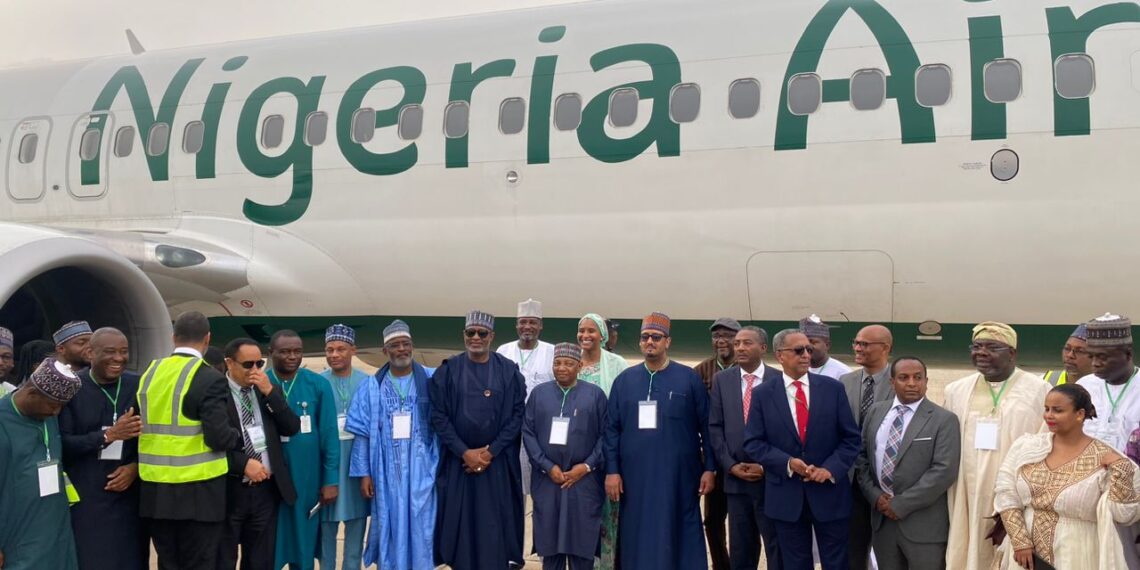
Ethiopian Airlines has confirmed that the Nigerian government is no longer pursuing the proposed Nigeria Air joint venture. This revelation came from the Group’s CEO, Mesfin Tasew, during a media briefing in Dubai, according to a report by Ethiopian Tribune.

This update comes shortly after the Federal Government of Nigeria suspended the Nigeria Air project indefinitely.

“The Nigerian government has lost interest in partnering with a foreign airline,” Tasew announced, confirming the end of the Nigeria Air project initiated by the past administration.

The Nigeria Air Backstory

In May 2024, Festus Keyamo, the Minister of Aviation and Aerospace Development, announced the suspension of the Nigeria Air project during a ministerial briefing commemorating the first year of President Bola Tinubu’s administration. Keyamo criticized the partnership with Ethiopian Airlines, arguing it would be detrimental to Nigerian airlines and risk creating a monopoly by a foreign entity in Nigeria’s aviation industry.

The Nigeria Air project was initially launched in May 2023 with high hopes under the stewardship of then Minister of Aviation, Hadi Sirika. The launch, which occurred just before President Muhammadu Buhari’s administration ended, was meant to revitalize the national carrier and boost the country’s aviation sector. However, optimism quickly faded as concerns emerged about the plane used for the launch and the specifics of the deal.

Controversial Deal Structure

Sirika had outlined that Ethiopian Airlines would hold a 49 percent equity stake in Nigeria Air, with the Nigerian government retaining only 5 percent. The remaining 46 percent was to be owned by a consortium of three Nigerian investors. This allocation raised eyebrows, with many critics arguing that the deal heavily favored Ethiopian Airlines, potentially compromising the benefits to Nigeria.

Investigative Revelations and Legislative Scrutiny

The launch of the Nigeria Air came with a lot of concerns about transparency, as it was hurriedly executed. Investigative journalist David Hundeyin’s exposé intensified the controversy, revealing potential fraudulent elements and a lack of transparency in the project.

His findings highlighted irregularities that increased public skepticism and prompted the House of Representatives to intervene. In June 2023, the House called for the suspension of Nigeria Air operations, labeling the deal a fraud and demanding a thorough review.

Following the legislative intervention, the government, through Minister Keyamo, suspended the Nigeria Air project in September 2023. Keyamo reiterated the government’s commitment to establishing a national carrier under terms beneficial to Nigeria. He emphasized that the suspended project was misrepresented as a Nigerian initiative when it was largely driven by Ethiopian Airlines.

The Aviation Minister was understood to be acting based on broader public and stakeholder sentiment that a true national carrier should belong to Nigeria in both ownership and operational benefits.

He criticized the initial ownership structure, stating, “Nigeria Air must be indigenous, it must be wholly Nigerian, and must be for the full benefits of Nigeria. Not that 50 percent of the profit is for another country.”

Thus, The Nigerian government’s decision to terminate the partnership with Ethiopian Airlines is seen as part of its commitment to creating a national carrier that aligns with national interests and promotes local growth in the aviation sector. The suspension of the Nigeria Air project is seen as a way to ensure that future ventures are transparent, equitable, and genuinely beneficial to Nigeria’s economy and its people.

Former Aviation Minister Hadi Sirika is currently being prosecuted by the Economic and Financial Crimes Commission (EFCC) on charges of alleged money laundering, contract fraud within the ministry, and issues related to his handling of the Nigeria Air project.

Dangote Refinery Begins Export to West Africa, Disrupting Market for European Refiners

0

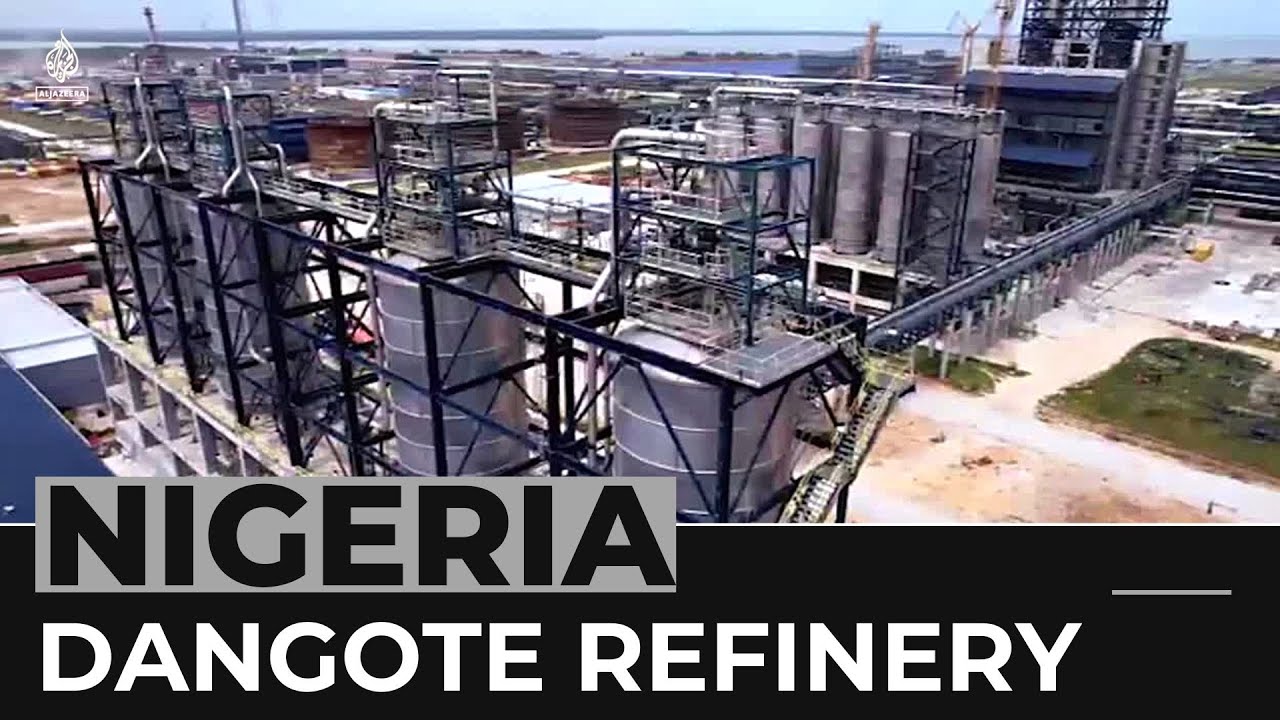
Nigeria’s new Dangote oil refinery is rapidly disrupting the landscape of gasoil exports in West Africa, significantly impacting European refiners.

The $20 billion refinery, heralded as a game-changer for Nigeria’s oil industry, is capturing market share from European suppliers despite facing substantial domestic challenges.

According to traders and shipping data cited in a report by Reuters, the refinery has been producing a lower grade of gasoil than initially planned, as it awaits the restart of units essential for cleaner fuel production. However, this delay has not stopped the refinery from finding eager buyers in neighboring West African markets.

In May, gasoil exports from the refinery surged to nearly 100,000 barrels per day (bpd), almost double the exports of April, with most shipments directed to other West African countries and one shipment reaching Spain. Preliminary June data indicates a decline in gasoil volumes, although total oil product exports, including fuel oil, naphtha, and jet fuel, remained robust at 225,000 bpd.

Shifts in West African and European Markets

The Dangote refinery has shifted market dynamics in West Africa, reducing the region’s dependency on European refiners. According to Kpler data, EU and UK gasoil exports to West Africa plummeted to a four-year low of 29,000 bpd in May. Simultaneously, Russian exports to the region dropped to an eight-month low of 87,000 bpd.

A European distillates trading source told Reuters, “The refinery has shifted the balance in West Africa,” noting the significant impact on European markets.

The Dangote refinery’s ability to produce and export substantial volumes of gasoil is expected to continue altering trade flows.

While Dangote has been selling some high-sulfur gasoil within Nigeria, a dispute has arisen with local fuel retailers over responsibility for the distribution of this dirtier fuel. The Petroleum Industry Bill 2021 mandates a sulfur content of 50 parts per million (ppm) to align with sub-regional ECOWAS standards adopted in 2020. However, the regulator allowed the sale of gasoil with sulfur content above 200 ppm locally until June 2024, giving local refineries and importers time to meet the new standards.

As European countries, including key hubs like Belgium and the Netherlands, enforce stricter regulations on high-sulfur gasoil exports, the Dangote refinery has found markets in regions with more lenient fuel standards. This strategic adaptation enables the refinery to maintain high export levels despite regulatory challenges.

Domestic Challenges: Sourcing Crude Oil

The ambitious project, however, faces significant domestic hurdles, particularly in sourcing crude oil. Nigeria’s oil production has been plagued by inefficiencies and disruptions, creating a substantial obstacle for the Dangote refinery. Despite its vast capacity, the refinery has struggled to secure a steady supply of crude oil, a critical component for its full operational capability.

Nigeria, once a leading oil producer, has seen its production levels decline due to a combination of aging infrastructure, theft, vandalism, and regulatory uncertainties. These issues have exacerbated the refinery’s difficulties in sourcing sufficient crude oil to ramp up operations to full capacity. Consequently, the refinery’s plans for full-scale operations have been delayed, impacting its potential to meet both local and regional demand comprehensively.

Aliko Dangote, Chairman of the Dangote refinery, stated in May that the refinery’s capacity is designed to supply products not just to Nigeria but to West and Central African countries, given its scale. This capacity aligns with reports suggesting that the refinery could significantly reduce the continent’s $17 billion oil import bill and potentially lead to the closure of some European refineries.

In 2023, West Africa emerged as the largest regional recipient of Europe’s gasoline exports, accounting for about one-third of the continent’s average exports of 1.33 million bpd.

While the refinery is pushing its ambition to export refined petroleum beyond West Africa, the region alone has been described by analysts as a huge market that could sustain the refinery’s plan for economic growth, if it successfully tackles the challenge of insufficient crude oil supply.

As Nigeria Upgrades Withholding Tax Regime, We Must Update the TRUST Component

2

The team upgrading Nigeria’s withholding tax regime has gotten an approval with the summary presented by the Chairman: “A SIMPLIFIED AND BUSINESS FRIENDLY WITHHOLDING TAX REGIME HAS BEEN APPROVED”. Well done team, as we continue to reform the tax system. 

Nonetheless, let me drop these words: people willingly pay taxes when taxes are working in their lives. Where am I going? I want, as part of this tax reform, for the team to put efforts on how to deepen the TRUST of the Nigerian people on this matter. 

See, I am not sure people really hate to pay taxes in Nigeria. Yes, as a primary school kid, my grandmother gave me money to give to the principal, to send to legendary ex-Governor of Imo State, Chief Mbakwe,  because the governor was on TV, and asked the citizens to send him funds to develop Imo State.

This experience was not an isolated one. The Peoples Club of various branches in South East Nigeria was the IMF and World Bank then. Governors went to them, and asked for funds, and men will return with FREE cash raised to help the government execute projects. 

But when Nigeria institutionalized corruption, the Peoples Club stopped giving, and the citizens moved back. So, a “reform” on the tax system that will bring that old TRUST back will be the most potent as Nigeria continues to struggle to increase its tax tickets.


A SIMPLIFIED AND BUSINESS FRIENDLY WITHHOLDING TAX REGIME HAS BEEN APPROVED

Background

Withholding tax was introduced into the Nigeria tax system in 1977 to serve as an advance payment of income tax on specified transactions. It was designed to provide the government with regular revenue flow and to serve as a means of curbing tax evasion.

Challenges

As the regime expanded over time to cover more transactions, various ambiguities and complications crept in. This resulted in many businesses, especially SMEs, being exposed to excessive burden of compliance and a strain on the working capital of low-margin businesses.

Other unintended consequences include:

1) Ambiguities regarding persons required to comply, eligible transactions, applicable rates, and timing of the obligation for remittance, among others.

2) Treatment of the deduction as a separate tax, thereby adding to the list of multiple taxes and cost of doing business.

3) Challenges regarding obtaining refunds for excess withholding tax.

4) Lack of exemption threshold making the cost of compliance by taxpayers and cost of enforcement by the tax authority uneconomical.

5) Some emerging and contemporary issues are not properly addressed.

6) The overall structure of the withholding tax regime promoted tax inequity.


Key changes

As part of the ongoing fiscal policy and tax reforms, a new withholding tax regime has been approved. The key changes introduced are to address the identified challenges and specifically include: 

1) Exemption of small businesses from Withholding Tax compliance

2) Reduced rates for businesses with low margins

3) Exemptions for manufacturers and producers such as farmers

4) Measures to curb evasion and minimise tax avoidance

5) Ease of obtaining credit and utilisation of tax deducted at source

6) Changes to reflect emerging issues and adopt global best practices

7) Clarity on the timing of deduction and definition of key terms


The approved regulation is expected to be published in the official gazette in the coming days.

Exchange for Fractionalization of Real Estate Investment – Tekedia Live

0

Join us today as we discuss how you can use N100 to invest in that N20 billion real estate project. It is a new vista in the world of real estate investment. Yes, technology is making it possible to fractionalize assets and unlock opportunities for all.

What can we learn from this redesign, and how can you participate? Join the #best school as our faculty, UGO PETERS, CEO of HXAfrica takes us into that evolving journey.

This is Tekedia Mini-MBA; register and get big discounts for the next edition here.