DD
MM
YYYY

PAGES

DD
MM
YYYY

spot_img

PAGES

Home Blog Page 3165

Amid Public Criticism, Nigerian Senate President Signals Willingness to Approve Presidential Jet Purchase if Requested

0

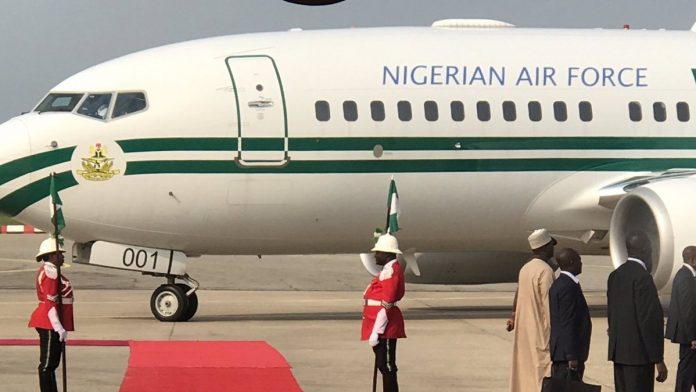
Senate President Godswill Akpabio announced at Thursday’s plenary that the Senate would approve the purchase of a new presidential jet if President Bola Tinubu requested it.

However, Akpabio clarified that there is currently no request for such a purchase before the Senate.

“We care about the President and we care about the Nigerian people. We will approve things that will benefit the Nigerian people,” Akpabio stated. “If his vehicle is bad, we will repair the vehicle. If his plane is bad, we will approve money for the repair of the plane. So that is not an issue. There is nothing before us. I don’t think you should worry about it.”

Akpabio also addressed what he described as “anticipated blackmail,” referring to false reports suggesting he would not approve a request for a new presidential jet. He accused some individuals of pre-emptively spreading misinformation to influence potential future decisions.

“Somebody called me from BBC; that what I said in Senator Mongunu’s house was false and should be disregarded. That I was now saying that I will not approve,” he recounted. “That is what you can call anticipated blackmail. The professors of the story know very well that maybe there is a problem with the presidential fleet and that where they will go will be the parliament.”

Akpabio emphasized that there was currently no correspondence from the President regarding the purchase of a new plane. He assured that the Senate would responsibly consider any future requests that are in the best interest of the country.

Akpabio reaffirmed the National Assembly’s commitment to addressing issues that benefit the country’s governance, regardless of external pressures or anticipatory blackmail.

He stressed the importance of maintaining the President’s safety, citing historical incidents where the malfunctioning of official aircraft led to tragedies.

“We shouldn’t ever sit and allow such to be at the ocean. It wouldn’t be,” he said, referring to past fatal accidents involving leaders’ aircraft.

Public Criticism Over Prioritizing Presidential Needs

The Nigerian public has criticized the National Assembly’s perceived prioritization of the President’s needs over pressing issues affecting ordinary citizens. Many Nigerians are particularly concerned about the ongoing minimum wage saga, with several states declaring that the proposed N62,000 per month is not sustainable. This situation has fueled public discontent, as citizens struggle with high living costs while lawmakers appear willing to expedite approvals for presidential amenities.

Legislative Matters and Executive Communications
The plenary session also included the receipt of executive communications from President Tinubu, who is seeking Senate confirmation for various nominations and the extension of the implementation period for the capital component of the 2023 budget and supplementary budget from June 30 to December 31, 2024.

Tinubu nominated DIG Hashimu Argungu (Rtd) as Chairman of the Police Service Commission, Onyemuche Nnamani as Secretary, and DIG Taiwo Lakanu (Rtd) as a member. Additionally, he nominated Olatunji Bello as CEO/Executive Vice Chairman of the Federal Competition and Consumers Protection Commission (FCCPC).

Debates in the House of Representatives

Meanwhile, a heated debate occurred in the House of Representatives over Tinubu’s request to extend the implementation period for the 2023 budgets. House Minority Leader Kingsley Chinda opposed the extension, arguing it would be morally wrong to run three to four budgets concurrently. He suggested that important projects in the supplementary budget should be moved to the main budget.

Former House Leader Alhassan Ado Doguwa supported Chinda’s position, noting the moral implications of managing multiple budgets simultaneously. Despite Speaker Abbas Tajudeen’s appeal to support the extension, citing security-related issues in the supplementary budget, many lawmakers expressed discomfort with the request.

Implications of Germans leaving Lebanon and Alignment on Global Politics

0

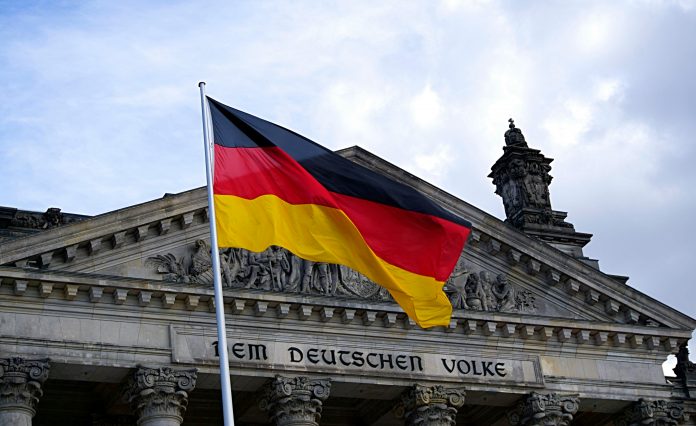
The recent advisories from Germany’s Foreign Office, urging its citizens to leave Lebanon, underscore the escalating tensions in the region and their potential implications on global politics and alignment. This move follows similar warnings from other nations, including Canada and Australia, highlighting a concerted international concern over the safety of their citizens amid rising hostilities.

The advisories come in the wake of increased tensions between Israel and Hezbollah, with Germany noting the possibility of air traffic being halted, which would prevent departures from Lebanon by air. Such developments not only affect the immediate safety of foreign nationals but also signal a broader geopolitical shift that could have far-reaching consequences.

The situation is a stark reminder of the delicate balance of power in the Middle East and the ripple effects that regional conflicts can have on global political dynamics. Countries with citizens in volatile regions must navigate the dual responsibilities of ensuring their safety while also considering the diplomatic repercussions of their advisories and actions.

The call for departure is a precautionary measure, reflecting concerns over the safety of nationals and the unpredictable nature of conflict zones. The implications of such advisories are multifaceted. On one hand, they serve as a warning signal to the international community about the severity of the situation, potentially influencing diplomatic relations and global politics. On the other hand, they highlight the challenges of protecting citizens abroad while maintaining diplomatic engagement in conflict-prone areas.

The alignment of multiple countries in issuing travel warnings also points to a broader consensus on the risks present in the region. It is a reminder of the delicate balance nations must strike between safeguarding their citizens and engaging in international diplomacy. Such situations demand a nuanced understanding of global politics, where decisions are often made swiftly in response to evolving threats yet have long-lasting effects on international relations and regional stability.

The underlying tensions in Lebanon are a complex tapestry of historical, political, and social factors that have contributed to the current state of instability. At the heart of these tensions is the conflict between Israel and Hezbollah, a powerful political and military organization based in Lebanon with strong ties to Iran.

The recent escalation in violence can be traced back to the ongoing hostilities between Israel and Hezbollah, which have intensified since the war in Gaza began. The situation worsened with Israel’s airstrikes on Nabatieh, a city in southern Lebanon, marking a significant increase in direct confrontations. This has raised fears of a broader conflict that could engulf the region in an all-out war.

Another layer of tension stems from Lebanon’s internal challenges, including weak governance and a crippled economy. These issues have been exacerbated by the spillover effects of the Syrian civil war, which have further destabilized the country and strained its resources. The presence of pro-Iranian militias and the influence of external powers have also played a role in deepening the divide within the region.

As the situation develops, it will be crucial to monitor the responses from various stakeholders, including the countries involved, international organizations, and the global community at large. The outcomes of these advisories will likely influence future policies and the approach to international crises, emphasizing the need for proactive measures and robust contingency planning in foreign affairs.

Do Refillable Vapes Work Better Than Disposable Kits?

0

There are many reasons why refillable vapes aka non-disposable vapes work better than vape kits . You are in the right place if you’re new to vaping. You will find premium vaping kits at the best disposable vape shops.

The purpose of this blog is to help you increase your understanding about Vaping Devices, their varieties, and compare Disposable Vape Products with Refillable Vape Products. The UK government, however, prefers to use vaping products such as refillable disposable and non-disposable vape in order to create a smoke free environment.

Vape Kits Introduction:

E-cigarettes are devices that inhale aerosols/vapours created by heating liquids. Vape kits, which usually include various vape components, can also be used. The electronic devices are designed to turn e-liquids into vapours. They have convenient and user-friendly settings and provide a satisfying vaping experience for many people.

Many vaping kits are available in the UK market. Vapers can choose from these according to their needs, preferences, and experience level. Vaping kits consist of the following: a tank, a pod, a coil and / or nozzle. Users can purchase these accessories at incredibly low prices along with premium products.

Vaping kits can be divided into two categories to provide a satisfying vaping experience. This allows vapers to select the kit that best suits their needs and level of customisation. These premium vaping products also allow for alterations to be made, resulting in a tailored and satisfying vaping experience.

Vape Device Variations:

The UK Vape shops A huge range of Vape Kits You can choose one that suits your preferences. This article will explain the different types of vaping products, including refillable vapes, non-disposable vapes, and disposable devices. It also compares these two to provide a great vaping experience.

o) Refillable Vape Kits

The vaping industry has many categories of refillable kits that let vapers personalise the way they vape. Refillable and reusable vaping devices are available that allow you to refill vape juice in a convenient and easy way. They also give you the most satisfying experience with refilled vapes that feel like disposables.

The customisation capabilities and experience of the vapers who will be using them are also taken into consideration. Vape Kits Some of these are listed below.

Starter Vaping Kits:

The vaping products have been specifically designed for beginners and offer them a convenient and smooth vaping experience. These vaping devices are popular among those who want a simple and easy vaping experience.

If you’re a beginner or have quit smoking, it is best to start your vaping adventure with a starter kit. Below are some starter devices that we have available.

  • Innokin T20 S Starter Kit
  • Smok G Priv 4 Starter Kit 230W
  • Aspire K3 Quick Starter Kit
  • EZ Watt Starter Kit By Innokin
  • Other & Others

Intermediate Kits:

These intermediate vape kits come with rechargeable devices and refillable cartridges. They are ideal for people who are ready to move on from their initial vaping phase. Vaping devices can be customized to suit the needs of different vapers. The intermediate devices also include pod kits that have open pods. This allows you to replace or refill your pod with vape liquid according to the preferences of the user.

The pod kits that come with closed pods do not fall under the category of refillable vapes because the ratios for the vape juice ingredients cannot be changed as the pods have been pre-filled and are only replaceable once they are empty.

Our vast range of vape devices are available in various customizations to ensure a satisfying experience. Below are some of the vape products we stock.

  • Puff Stix Refillable Device Pod
  • Voopoo Drag Kit H40
  • Oxva Origin 2, Pod Kit
  • There are Many Other Benefits

Advanced Vaping Kits

The vape devices are a combination of personalisation and convenience. They provide a satisfying and exciting experience. The advanced vaping kits are similar to mod kits and have a complex set-up. They’re perfect for experienced users.

Customisation options include temperature adjustment, airflow control, wattage controls, ranges of coil resistance, among others. Here are some commonly used vaping devices:

  • Geekvape Aegis Mini Mod
  • Geekvape S100 Aegis Solo 2 Mod
  • There are many others

Disposable Vaping devices:

The device is also available in a vaporizer variant. Disposable vape kits These innovative products offer a seamless and satisfying experience without the need for customisation. The innovative Vape Kits Crystal Legend Vape has a variety of integrated components. These include precharged, high capacity batteries, and vape tanks prefilled with vape juice. This makes for a more convenient vaping experience.

Disposables are more convenient than most facilities because they come with pre-primed vape coils, and an array of delicious flavours. These TPD compliant vaping devices are also designed for all vapers.

Rechargeable Disposable kits:

The pre-filled compact vape device has a built in rechargeable battery that allows for longer vaping sessions. Chargers are available for rechargeable devices. Disposable vape kits Vapers can enjoy their vaping experience without having to worry about any hassle.

Disposable vs Refillable Vape:

You may be wondering why disposable vapes are better tasting. Imagine you’re looking for a hassle-free and effortless vaping experience. If you are looking to customize and alter your vape, then refillable kits would be a better choice. This is an explanation of the differences between disposable and non-disposable vape.

Comparison of Refillable Vaping Devices and Disposable Vaping Kits

Customisations

  • Refillable Vaping Devices: You can say that.
  • Disposable Vaping Kits: You can also find out more about the No.

Requirements for Maintenance

  • Refillable Vaping Devices: You can say that.
  • Disposable Vaping Kits: You can also find out more about the No.

Refilling of E-liquid

  • Refillable Vaping Devices: No (excluding closed Pod Kits).
  • Disposable Vaping Kits: You can also find out more about the No.

Advanced Settings

  • Refillable Vaping Devices: You can say that.
  • Disposable Vaping Kits: You can also find out more about the No.

A Long-Term Economical Investment

  • Refillable Vaping Devices: You can say that.
  • Disposable Vaping Kits: You can also find out more about the No.

Easy-to-use Setup

  • Refillable Vaping Devices: You can also find out more about the No.
  • Disposable Vaping Kits: You can say that.

Offer Varied E-liquid Customisations:

You can customise vape juices with refillable devices to suit your preferences. Add ingredients to satisfy your desire. If you’re a regular vaper, for example, you may want to add nicotine to your liquid. Disposable vape kits, on the other hand, have vape tanks prefilled with vape liquid that don’t allow you to choose your own e-liquid. It is therefore said that vaping refillable kits are better than disposable devices.

Vaping – Various Alternatives for Satisfactory Vaping
You can customize your vaping kit to suit your vaping style by using refillable products. By modifying the settings of your device, you can customize your vaping according to the style that suits your needs, whether it is MTL or DTL. You can also adjust the airflow and refill the e-liquid. Disposable vapes, on the other hand, have pre-filled tanks and pre-charged batteries. They also have many built-in features that do not require customisation. Refillable devices have a better personalisation feature than disposable devices.
Pocket-friendly Kits:These disposable vaping devices, like the Crystal Legend Vape, come in a small, lightweight package. They are easy to use, and you can discard the vaping kit after you have used it. Refillable vaping kits are refillable, reusable and convenient.

Southern Nigeria Governors Advocate for State-Negotiated Minimum Wage

0

The Southern Governors’ Forum, comprising the 17 governors from Southern Nigeria, has called for each state to negotiate a new minimum wage with labor unions, as negotiations between the federal government and labor unions continue.

This move, detailed in a communique issued at their recent meeting in Abeokuta, Ogun State, highlights the need for a wage structure that reflects both the cost of living and the financial capability of individual states.

Background of Minimum Wage Negotiations

The minimum wage debate in Nigeria has been a contentious issue for years. The N30,000 monthly minimum wage, which expired in April 2024, was a landmark achievement when it was instituted, aimed at improving the living standards of workers across the country. However, the implementation has been inconsistent, with several states failing to adhere to the agreed wage.

The N30,000 minimum wage expired in April 2024, intensifying once again, fresh negotiations for minimum wage – especially as the economic situation of the country has drastically deteriorated in the last decade – with high inflation squeezing the spending power of workers across the country.

The Governors’ Proposal

The Southern Governors’ Forum discussed the pressing issue of minimum wage demands by labor unions and unanimously agreed that a one-size-fits-all approach is not feasible. They advocated for a flexible system where each state could negotiate wages with labor unions based on their specific economic circumstances.

The communique stated, “The Forum discussed the minimum wage issues demanded by labor and unanimously agreed that the minimum wage should be reflective of the cost of living and ability to pay, and each State be allowed to negotiate their minimum wage.”

Economic Realities and Challenges Standing Against New Minimum Wage

Several states have struggled to meet the previous N30,000 minimum wage, let alone consider an increase. This financial strain is compounded by economic challenges, including insufficient federal allocations and internal revenue constraints. Many states argue that setting a higher minimum wage, such as the N62,000 proposed during negotiations, would be unsustainable and lead to non-compliance, potential layoffs, and legal disputes.

Despite these challenges, there are success stories that suggest higher minimum wages are achievable with proper fiscal management. Edo State, for example, has successfully implemented a N70,000 minimum wage.

Economists have pointed at Edo State, noting the implementation of its N70,000 minimum wage to underscore the possibility for other states to follow suit if they can address issues of financial mismanagement and cut down on wasteful spending. They note that by reallocating resources and prioritizing essential services, states can create a more sustainable economic environment for higher wages.

Calls for Fiscal Federalism and Governance Reforms

The Southern Governors’ Forum also emphasized the need for strengthened fiscal federalism and the devolution of powers. They expressed concerns over the current practice where mineral licenses are issued and explorations conducted without involving state governments, leading to environmental degradation and lost revenue opportunities for states.

The governors called for reforms to ensure that states are better equipped to manage their resources and finances, which could, in turn, support higher wage structures.

However, the debate over the minimum wage is far from over, although the Southern Governors’ Forum has taken a stand by advocating for state-specific wage negotiations, reflecting a more pragmatic approach to addressing economic disparities. But as discussions continue, the success of states like Edo in implementing higher wages will serve as a benchmark for others, even though its feasibility is farfetched.

However, economists believe the overarching need for comprehensive governance reforms and better fiscal management remains critical to achieving sustainable economic growth and improved living standards for all Nigerian workers.

IMF Report Reveals Nigeria and Other Developing Countries’ Digital Infrastructure Deficit for AI Deployment

1

A new report by the International Monetary Fund (IMF) has highlighted a significant gap in digital infrastructure that hampers the deployment of Artificial Intelligence (AI) technology in Nigeria and other developing countries.

This revelation comes despite Nigeria’s recent efforts, such as unveiling its AI strategy and launching its first Multilingual Large Language Model (LLM) in April.

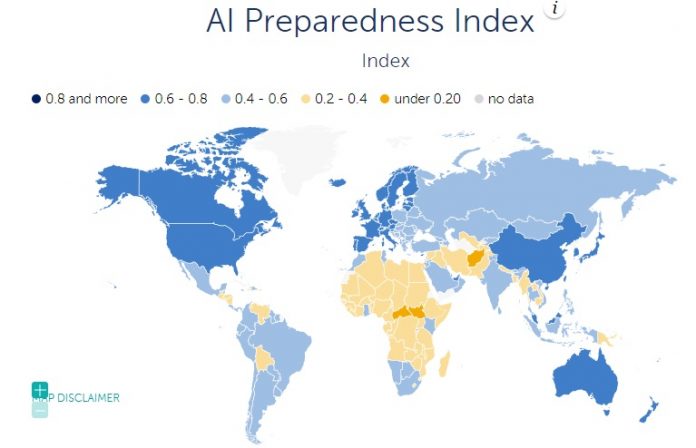
The IMF’s ‘AI Preparedness Index’ tracks 174 economies based on their digital infrastructure, human capital, labor policies, innovation, integration, and regulation. According to the report, most developing economies, including Nigeria, are lagging in terms of digital infrastructure for AI, making them the least prepared for the technology.

An interactive map from the Index highlights that most African countries, except Namibia, Botswana, and South Africa, have little preparedness for AI, indicated by a yellow marking, while countries with substantial preparedness are marked in blue.

Global Inequality and AI

The IMF report notes that wealthier economies are better equipped for AI adoption compared to low-income countries, which could exacerbate existing global inequalities.

“Under most scenarios, AI will likely worsen overall inequality, a troubling trend that policymakers can work to prevent. To this end, the dashboard is a response to significant interest from our stakeholders in accessing the index. It is a resource for policymakers, researchers, and the public to better assess AI preparedness and, importantly, to identify the actions and design the policies needed to help ensure that the rapid gains of AI can benefit all,” the IMF stated.

Benefits of AI for Economies

Highlighting the potential benefits of AI for economies, the IMF noted that AI could complement worker skills, enhance productivity, and expand opportunities.

“In advanced economies, for example, some 30% of jobs could benefit from AI integration. Workers who can harness the technology may see pay gains or greater productivity—while those who can’t, may fall behind. Younger workers may find it easier to exploit opportunities, while older workers could struggle to adapt,” the report added.

Policy Directions for Better AI Preparedness

To better prepare for AI, the IMF suggests that emerging markets and developing economies should prioritize investing in digital infrastructure and providing digital training for workers.

For advanced economies, the focus should be on expanding social safety nets, investing in worker training, and prioritizing AI innovation and integration. The IMF emphasized the need for global coordination to strengthen regulation, protect people from potential risks and abuses, and build trust in AI.

Nigeria’s AI Initiatives

In response to the AI preparedness challenges, Nigeria’s Ministry of Communications, Innovation, and Digital Economy recently organized a 4-day co-creation workshop with over 120 AI experts. This workshop culminated in the formulation of the country’s National AI Strategy.

At the end of the workshop, Communications Minister Dr. Bosun Tijani announced the launch of Nigeria’s first Multilingual Large Language Model (LLM). This AI tool was developed through a partnership between Nigerian AI company Awarritech, global tech company DataDotOrg, the National Information Technology Development Agency (NITDA), and the National Centre for AI and Robotics (NCAIR).

Despite these initiatives, the IMF’s report underscores that much more needs to be done. The current lack of digital infrastructure poses a significant barrier to fully leveraging AI’s potential in Nigeria. Policymakers are urged to ramp up efforts to build a robust digital infrastructure and ensure that the workforce is equipped with the necessary digital skills. Only then can Nigeria and other developing countries hope to reap the benefits of AI and mitigate the risks of increasing inequality.

Broader Implications for Africa

The gap in digital infrastructure and AI preparedness is not unique to Nigeria but is a widespread issue across the African continent. Despite various efforts by African governments to tap into the evolution of AI, there remains a significant disparity compared to developed countries. This gap underscores the need for a deeper commitment by African governments to invest in digital infrastructure and human capital.

Against this backdrop, many believe the IMF report serves as a wake-up call for African policymakers to accelerate their efforts in building the necessary infrastructure and skills base to harness the potential of AI. The benefits of AI, such as enhanced productivity, job creation, and economic growth, are substantial, but without the requisite infrastructure, these benefits will remain out of reach for many African countries.