DD
MM
YYYY

PAGES

DD
MM
YYYY

spot_img

PAGES

Home Blog Page 3169

BlockDAG Dev 56 Supercharges X1 Miner App With Key Security And Performance Upgrades Amid 20,000x ROI Projections

0

BlockDAG (BDAG) remains a standout in cryptocurrency, thanks to its innovative updates and impressive presale accomplishments. The latest Dev Release 56 improves the X1 Miner app, strengthening BlockDAG’s role in the crypto mining industry. With a total of $53.8 million raised from 18 presale batches, BlockDAG‘s future is looking bright. The price per coin has now reached $0.0122, reflecting a remarkable 1120% increase from the initial batch. The investment community is buoyed by predictions that the coin’s value could climb to $20 by 2025.

Unveiling BlockDAG’s Ecosystem: Potential for a 20,000x ROI

BlockDAG’s dynamic ecosystem significantly boosts the creation and implementation of decentralized applications (dApps) across various industries, including logistics, finance, and digital identity. With its intuitive tools and APIs, BlockDAG simplifies the development process. Essential to this ecosystem, BDAG coins are required to access different dApps, enhancing active participation and engagement across the network. This strategic approach drives innovation and establishes BlockDAG as a pivotal force in decentralized digital services.

The presale statistics are impressive, with rapid growth from an initial $0.001 per BDAG coin in the first batch to $0.0122 in the latest eighteenth batch. The initiative has brought in $3.4 million from selling over 8,000 miners and $53.8 million from distributing more than 11.7 billion coins. This solid foundation has piqued significant interest in the crypto community, bolstering BlockDAG’s market presence and setting it up to revolutionize decentralized applications and digital finance. The anticipated expansion could potentially lead to a monumental 20,000x ROI by 2025.

Dev Release 56: Significant Enhancements to X1 Miner

BlockDAG’s latest Dev Release 56 announces substantial improvements to the X1 Miner, which is nearing the completion of its development. The beta version of this miner is poised to transform the mining experience within the BlockDAG network, emphasizing enhanced security and improved performance for efficient operation.

Security enhancements are a top priority, with ongoing thorough vulnerability assessments to identify and mitigate potential risks. Implementing new encryption protocols robustly secures user data, while enhancements in authentication processes strengthen defenses against unauthorized access. Additionally, increased real-time monitoring swiftly addresses any suspicious activities.

The development team is fine-tuning resource management on the performance front to ensure the X1 Miner operates optimally. Adjustments to mining algorithms are boosting both the speed and accuracy of mining, efforts to reduce latency expedite block validations, and scalability improvements ensure the system can grow along with the network.

As these updates are finalized, BlockDAG is preparing for rigorous testing phases. Beta testing invites selected users to test the X1 Miner under real-world conditions, providing critical feedback, while stress tests are conducted to verify the system’s resilience under extreme conditions.
Final Insights

BlockDAG’s Dev Release 56 represents a significant leap forward in enhancing the cryptocurrency mining experience. With these latest updates to the X1 Miner app, BlockDAG maintains its leadership position in the industry, offering users an increasingly secure and efficient mining process. With robust presale achievements and a thriving ecosystem, BlockDAG continues to cement its dominance in the cryptocurrency market, presenting enticing opportunities for both newcomers and seasoned investors.


Join BlockDAG Presale Now:

Website: https://blockdag.network

Presale: https://purchase.blockdag.network

Telegram: https://t.me/blockDAGnetworkOfficial

Discord: https://discord.gg/Q7BxghMVyu
Shits In Nigeria’s Foreign-Anchored Investments and Implications in Q2 2024

0

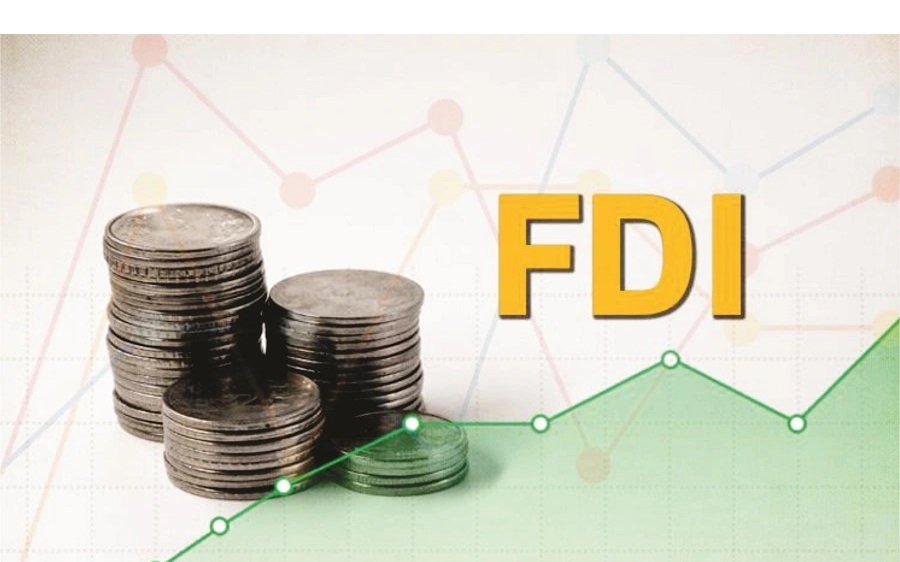
The second quarter of 2024 has been a pivotal period for Nigeria’s economic image on the global stage, particularly concerning foreign portfolio investments (FPI) and foreign direct investments (FDI). A noticeable shift has occurred, with several FPIs and FDIs relocating their bases, which has sparked a conversation about the underlying factors and the implications for Nigeria’s economy.

Foreign Direct Investment Trends

Nigeria has experienced fluctuations in FDI over the years, with a significant increase in 2021 followed by a decline in 2022. The trend in 2024 suggests a continued challenge in attracting and retaining FDIs. The reasons for this shift are multifaceted, including economic policies, global market dynamics, and internal challenges such as infrastructure and regulatory environments.

Foreign Portfolio Investment Movements

The movement of FPI is often more volatile, reacting swiftly to changes in economic indicators and investor sentiment. In the first two months of 2024, Nigeria saw a surge in foreign portfolio inflows, with over $2.3 billion recorded, compared to the total of $3.9 billion in the previous year. This influx, however, does not negate the concerns raised by the shifting base of some investments.

Implications for Nigeria’s Economy

The relocation of FPIs and FDIs can have several implications for Nigeria’s economy. It can affect the country’s balance of payments, currency stability, employment rates, and overall economic growth. The shift can also influence investor confidence, which is crucial for future investment prospects.

Nigeria’s ambitious fiscal reforms and budget implementation play a pivotal role in shaping the economic environment. The effectiveness of these reforms and the ability to meet revenue targets are essential for maintaining investor confidence and attracting FDI. The Central Bank of Nigeria’s (CBN) monetary policy stance and its success in achieving price stability significantly impact investment flows. Investors seek clarity and consistency in policy, transparency in market operations, and stable financial systems.

The adequacy of infrastructure funding and the persistent security challenges in Nigeria are major concerns for investors. These factors directly affect the country’s ability to attract and retain both FPI and FDI, as they influence the overall investment climate. International economic trends and geopolitical factors also contribute to the shifting investment landscape. These include oil prices, global investment patterns, and the economic policies of other countries that compete for the same investments.

The exchange rate plays a significant role in determining the attractiveness of Nigeria’s investment opportunities. Appreciation of the local currency can encourage inflows, while instability and depreciation can deter investors. Political stability and the quality of institutions are critical determinants of FDI. Issues such as corruption, human capital development, and trade openness significantly influence the decision-making process of foreign investors.

In response to these developments, it is essential for the Nigerian government and policymakers to analyze the root causes and implement strategies to create a more favorable investment climate. This could involve policy reforms, incentives for investors, improvements in infrastructure, and strengthening of the regulatory framework to enhance transparency and efficiency.

The Way Forward

For Nigeria to improve its foreign investment image and reverse the current trend, a concerted effort from both the public and private sectors is necessary. By addressing the concerns of foreign investors and creating a stable and attractive investment environment, Nigeria can hope to see a positive shift in FPI and FDI movements in the future.

The second quarter of 2024 has indeed presented challenges for Nigeria’s foreign investment image. However, it also offers an opportunity for introspection and strategic planning to bolster the nation’s appeal to global investors. With the right measures, Nigeria can navigate through these challenges and emerge as a more robust and competitive player in the international investment arena.

Starlink Rolls Out Cheaper Data Plan in Kenya, Intensifies Competition for Internet Service Providers

0

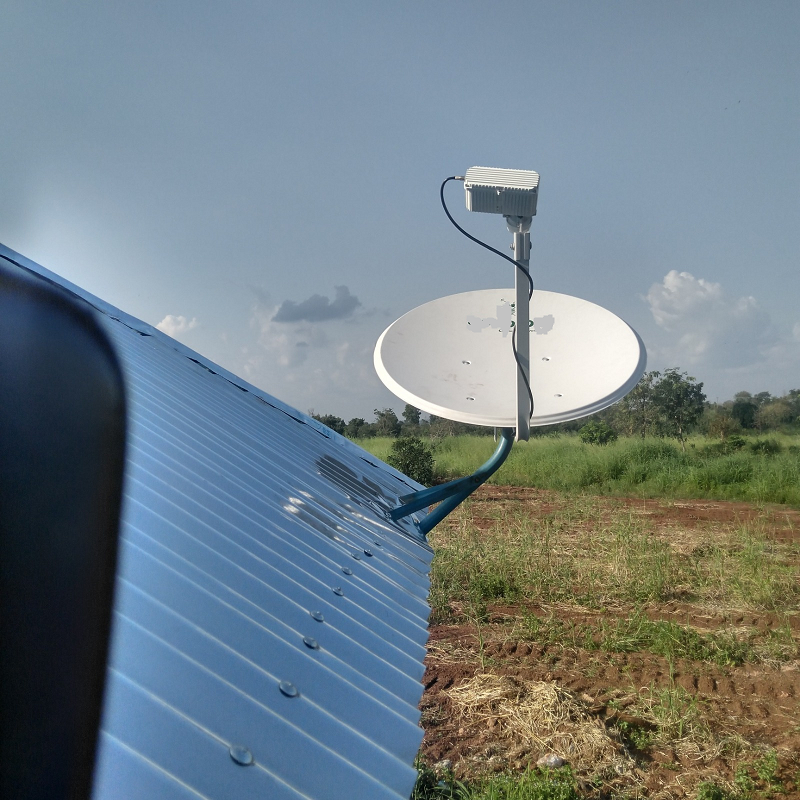
Elon Musk-owned satellite internet provider Starlink has rolled out a cheaper data plan in Kenya, intensifying competition amongst established internet service providers in the country.

This development is poised to challenge the dominance of local giants like Safaricom and Airtel who have a strong grip on the market.

According to its website, Starlink unveiled affordable high-speed internet with 50GB of data for KSh 1,300/month, less than half of Airtel’s data plan for the same package (KSh 3,000). Safaricom’s monthly package of 45GB costs KSh 2,500.

Starlink wrote,

“Affordable, high-speed Internet with 50GB of data included for KSh 1,300/month (opt-in for additional data at KSh 20/GB). Now accepting mobile money (M-Pesa, Airtel)”.

According to the Communications Authority of Kenya, Safaricom currently commands a 63.7 percent market share of mobile broadband subscriptions, followed by Airtel with 31.5 percent.

Safaricom in particular has established a substantial market presence, largely driven by its mobile money service M-Pesa and extensive network coverage. Airtel, although not as dominant as Safaricom has also carved out a significant market share with competitive pricing and service offerings. Other internet service providers are Telkom Kenya with 1.8 percent; Finserve, Equitel with 1.5 percent and Jami Telecommunications also with 1.5 percent.

Following Startlink’s entry into the Kenyan market in July 2023, the satellite internet provider reduction in its Internet Price comes as the company aims to capture a part of the market long dominated by Airtel and Safaricom.

Notably, the Internet service which has been known for providing high-speed internet in remote and underserved areas worldwide, and now offering a lower-cost data plan, aims to make its services accessible to a broader segment of the population, including those who have been reliant on more expensive or less reliable options. This will likely intensify competition in the sector.

Possible Impact of Starlink Reduction in Internet Price on The Kenyan Telecoms Sector;

1. Price War: The introduction of an affordable Starlink plan is likely to trigger a price war. Safaricom and Airtel may need to revise their pricing structures to remain competitive, potentially lowering their profit margins.

2. Service Improvement: To retain customers, Safaricom and Airtel might need to enhance their service offerings. This could include improving network coverage, increasing data speeds, and offering better customer support.

3. Innovation: The competition could spur innovation, pushing Safaricom and Airtel to develop new products and services to differentiate themselves from Starlink. This could benefit consumers through better and more varied service options.

Notably, looking at the broader market implications, this disruption goes beyond just Safaricom and Airtel. It reflects the broader trend of increased competition in the African telecom market driven by the entry of global players.

The World Is A Marketplace, AI Will Enable Smarter Business

0

In the Logic and Philosophy course (GST 103 ??) as an undergraduate in Federal University of Technology Owerri (FUTO), the professor explained one of the most important postulations of Pythagoras: the universe is numbers. Thales, Heraclitus and other philosophers had different explanations, ranging from water, to fire.

That lecture that day reminded me what happened in my first course in Physics in senior secondary when Mr. Aham introduced us to the study of matter in relation to energy, focusing on Natural Philosophy, and linking all to mathematics, the science of numbers. Simply, logic rules the world and all knowledge converges in philosophy, which means if you get a PhD in Chemistry, you have simply mastered the philosophy (the PHD title) in chemistry!

If we connect Pythagoras postulation and what AI is doing, we can see that AI is helping us to understand our world better, because if the world is made up of numbers, it does mean that the business of man and woman, is making sense of numbers. Hello… computing and now with … intelligence. Very exciting….

Join us tomorrow as we discuss how to master, understand, and utilize numbers, in whatever you do, to WIN. This is the #best school, and we have just opened registration for a new edition of Tekedia Mini-MBA here.

If you attend our program, after 12 weeks, you will see your world as a market, like the Igbo Nation will say “uwa bu ahia’ [the world is a marketplace]. Yes, let us do business because …. that is the world! Register today

Widespread Adoption of Cyber Insurance Among Organizations Spurs Cybersecurity Investments – Report

0

In a recent report by Sophos, a global leader of innovative security solutions for combating cyberattacks, titled “Cyber Insurance and Cyber Defenses 2024: Lessons from IT and Cybersecurity leaders”, it disclosed that there is a widespread adoption of cyber insurance among mid-sized and large organizations.

In the survey, cyber insurance adoption has surged among organizations with 100-5,000 employees, with 90% of these businesses having some form of cyber coverage. The survey, encompassing various sectors and regions, underscores the growing importance of cyber insurance as a crucial element in organizational risk management strategies.

Among companies with less than $50 million in annual revenue, 92% have cyber insurance, while 93% of organizations with annual revenues of over $1 billion also have coverage. Based on adoption rate by sector, the energy, oil/gas, and utility sector boasts the highest rate of cyber insurance at 97% with 68% of these organizations using standalone cyber insurance policies.

This high adoption rate in these industries reflects the stringent regulatory environment and significant potential liability, compounded by the widespread use of legacy technology and infrastructure controls.

On the other hand, the central/federal government sector and the IT, technology, and telecom sectors report the lowest adoption rates, both at 81%. Despite this, over four in five organizations in all sectors surveyed have cyber insurance, highlighting its status as a standard risk management tool.

In terms of countries, Singapore reports the highest adoption rate at 96%, with 68% of organizations having standalone cyber policies. In contrast, Brazil has the lowest adoption rate at 83%. France stands out for having the highest percentage of organizations with cyber coverage at 48%.

Motivations For Cyber Insurance Adoption

The primary driver for adopting cyber insurance is the general awareness of the business impact of cyberattacks and cybercrime, cited by 48% of respondents. Close behind, 45% of respondents view
cyber insurance as a critical part of their cyber risk mitigation strategy.

Additionally, 42% of respondents indicated that cyber insurance enables them to work with clients and business partners who require it, reflecting a growing trend of insurance as a business prerequisite. Board or senior management requests influenced 38% of purchases, illustrating the significant
business impact of cyber incidents.

Regulatory requirements, though the least common driver overall (34%), vary considerably by sector. In IT, technology, and telecoms, 48% of respondents cited regulatory requirements as a factor, compared to 25% in local government and 26% in construction and property.

A striking 97% of organizations that purchased a cyber insurance policy in the past year reported investing in improving their cyber defenses to optimize their insurance position. Nearly two-thirds (63%) made major investments in their cyber defenses, while 34% made minor investments.

Conclusion

The survey confirms that cyber insurance has become a critical component of risk management for organizations across various sizes, sectors, and regions. With high adoption rates and significant investments in cyber defenses, businesses are increasingly recognizing the importance of safeguarding against cyber threats and mitigating potential risks through comprehensive insurance coverage.

Cyber insurance is reportedly now an established pillar in most cyber risk mitigation strategies. By making investments in cyber defenses, businesses can unlock considerable cyber insurance savings, while enjoying reduced likelihood of experiencing any form of cyber attack.