DD
MM
YYYY

PAGES

DD
MM
YYYY

spot_img

PAGES

Home Blog Page 3364

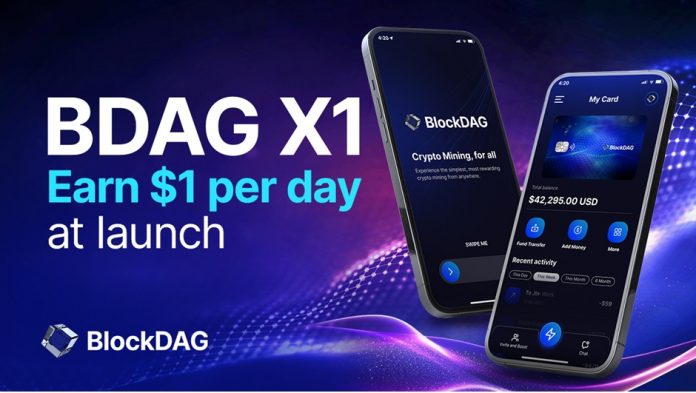
BlockDAG’s X1 App: Transforming Mining Amidst Avalanche and Solana Trends, Scoring $2.5M in Miner Sales

0

AVAX has reached a billion Avalanche transactions, signaling growth in DeFi. Solana (SOL) remains resilient amidst market shifts, hinting at a potential price rebound. Meanwhile, BlockDAG is set to introduce its X1 mining app, driving $2.5 million in sales and boosting its market position. With the X1 beta launch imminent and presale hitting $26 million, BlockDAG is poised to revolutionize mining, offering a user-friendly and innovative platform. 

Avalanche Surpasses One Billion Transactions

Avalanche has achieved a significant milestone, surpassing one billion transactions on its network, emphasizing its growing influence in the decentralized finance (DeFi) sector. This achievement underlines Avalanche’s capabilities in managing high transaction volumes and its commitment to enhancing scalability and security.

Avalanche’s innovative consensus mechanism continues to be a cornerstone of its success, boosting the network’s security and fostering compatibility with other platforms. Each transaction on the Avalanche network strengthens its role as a transformative force in the blockchain and DeFi industries, paving the way for a durable digital finance framework.

Solana (SOL) Exhibits Strength Despite Market Challenges

Despite a recent 9% pullback, Solana (SOL) maintains market focus. While failing to break the $160 resistance, SOL shows potential for recovery after dipping below $146. Staking activities surge, indicating investor confidence and mitigating further declines. Technical indicators suggest bullish momentum, reinforcing optimism for SOL’s price trajectory.

Technical indicators, including MACD and daily RSI, reveal a positive outlook for Solana, with growing staking involving over 3.3 million SOL indicating robust market sentiment. These factors could soon drive Solana’s price to new heights, highlighting its potential for recovery.

Reinvent Mining Experience With BlockDAG’s X1 App

BlockDAG is revolutionizing the crypto mining industry with the scheduled launch of its X1 mobile mining app set for June 1st, following impressive sales of $2.5 million from over 5500 advanced home mining rigs. The upcoming X1 app is set to change how cryptocurrency is mined by integrating advanced, energy-efficient mining features into smartphones, ensuring mining doesn’t exhaust battery or data resources.

Designed for ease of use, the X1 app offers a straightforward sign-up process and an intuitive user interface. It includes a novel referral system that boosts mining capabilities by encouraging users to invite others. Additionally, engaging with the app daily by tapping a ‘lightning button’ enhances the mining rate, promoting frequent use and interaction.

The app features a transparent ranking system that tracks progress and unlocks new benefits, making the mining process more rewarding and widely accessible. This innovative approach is poised to set new standards in mobile mining technology.

With the beta version of the X1 application scheduled for release on June 1st, excitement is mounting, and BlockDAG’s presale figures have already topped $26 million in its batch 12. This momentum is expected to continue as more investors discover the potential of this leading cryptocurrency which is attractively placed at $0.0075.

Concluding Thoughts

Avalanche and Solana are shaping the future of the DeFi and cryptocurrency markets, with Avalanche reaching a billion transactions and Solana displaying strong resilience in the face of market dips. Amid these developments, BlockDAG distinguishes itself with its trailblazing X1 mining app, which has already garnered $2.5 million in sales and promises to redefine cryptocurrency mining. BlockDAG’s pioneering strategy has led to presale earnings surpassing $26 million, positioning it as a compelling investment with the potential for returns up to 30,000X in the blockchain space.


Join BlockDAG Now!

Website: https://blockdag.network

Presale: https://purchase.blockdag.network

Telegram: https://t.me/blockDAGnetworkOfficial

Discord: https://discord.gg/Q7BxghMVyu
Nigerian Government to Utilize Pension and Life Insurance Funds for Infrastructure Development

0

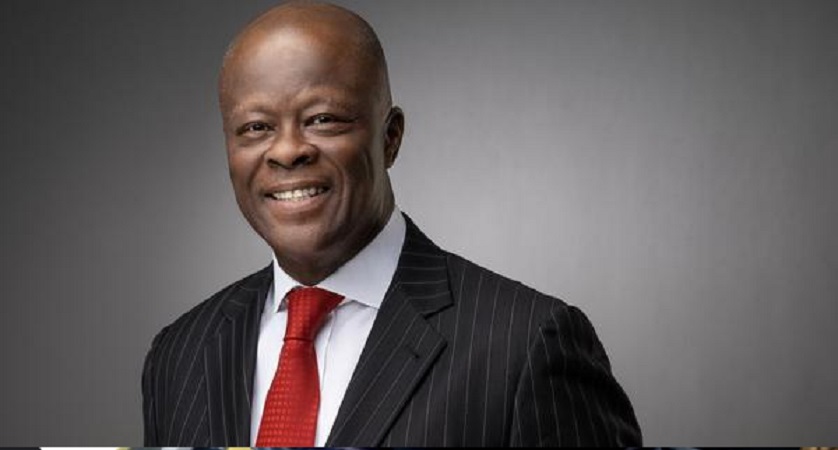
In a move to address the country’s infrastructure needs, the federal government of Nigeria has unveiled a plan to utilize locally available funds, particularly from pensions and life insurance, to develop essential infrastructure. 

This announcement was made by the Minister of Finance and Coordinating Minister for the Economy, Wale Edun, during a briefing with State House reporters on Tuesday. The briefing followed a two-day meeting of the Federal Executive Council (FEC) presided over by President Bola Tinubu.

Highlighting the availability of substantial local funds, Edun stated, “There is upwards of N20 trillion available, and much of it is in short-term funding that doesn’t need to be. Pension money is long-term. People save over their lifetime for their pension.” 

This fund, he explained, would be directed towards infrastructure projects, including housing and long-term mortgage provision.

Edun noted the importance of utilizing local funds before seeking foreign investment, especially pension, life insurance, and investment funds.

“Nigeria is resilient, Nigerians are resilient. And the fact is that even before we start looking to foreign investors, we start looking to foreign funding, there is available in Nigeria, long term funds to fund infrastructure projects, and it’s within the pension, life insurance and investment fund industry generally,” he said.

The initiative aims to leverage these funds in partnership with the private sector. Edun elaborated, “In conversation, in consultation, collaboration and cooperation with the private sector, we are now able to announce and with the full knowledge and support of all parties, that there will be an initiative to fund growth through investment in infrastructure, including housing, provision of mortgages, long term mortgages, 25-year mortgages at relatively low interest rates.”

The government’s role, according to Edun, will initially include support mechanisms such as guarantees, especially in the current high-interest rate environment. However, as interest rates stabilize, the government’s direct involvement is expected to decrease, allowing private sector expertise to drive economic growth.

The plan aims to address both supply and demand in the housing market. This initiative is expected to significantly impact the construction industry and the overall economy.

“On the supply side, construction of houses will be funded. On the demand side, mortgages will be made available so that those constructing houses have an outlet and Nigerians who are saving so much by way of pension funds have the added bonus of access to affordable mortgages,” Edun explained. 

The minister underscored the importance of this initiative within the broader context of President Tinubu’s macroeconomic reforms. He noted that these reforms are beginning to yield positive results, which bolsters the government’s commitment to this ambitious infrastructure development strategy.

Edun disclosed the plan as the Minister of State, Federal Capital Territory (FCT), Hajiya Mariya Mahmud, announced the FEC’s approval of several key infrastructure projects. These include the development of a bus terminal and transportation facilities, awarded to Messers Planet Project Limited at a cost of N51,025,172,424.90. Additionally, the FCT received approval for the construction of the Appeal Court, Abuja Division, costing N7,259,530,881.14, and the upgrading of Kwali-Ibu, valued at N7.6 billion.

The plan to borrow from domestic funds was activated as Nigeria works to meet the requirement of a fresh $750 million World Bank loan. The country is reportedly contemplating reinstating previously suspended fiscal measures, including telecom taxes and excise duties, to meet the World Bank’s requirement for the loan.

However, the federal government has been advised to prioritize its approach to infrastructural development, considering the backdrop of scarce resources and a rising public debt profile that is consuming the bulk of the nation’s revenue.

This advice follows the government’s move to begin the construction of the 700 km Lagos-Calabar Coastal Highway, expected to gulp N15 trillion, at N4 billion per kilometer. Many Nigerians, led by prominent members of the opposition parties, have called on President Bola Tinubu’s government to abort the project and use the fund for more pressing needs, especially the rehabilitation of deplorable roads across the country.

Atiku Raises Alarm Over Nigeria’s Government’s Plan to Tap N20tn Pension Funds for Infrastructure

0

In a strongly-worded statement, former Vice President Atiku Abubakar has expressed deep concern over the Federal Government’s proposal to utilize pension funds for financing critical infrastructure projects across Nigeria. 

This reaction follows a disclosure by the Finance Minister and Coordinating Minister of the Economy, Wale Edun, during a briefing with State House correspondents after the Federal Executive Council (FEC) meeting at the Presidential Villa on Tuesday, May 14.

Edun revealed that the government aims to unlock N20 trillion from the nation’s pension funds and other domestic savings to spur economic growth and fund infrastructure development. According to him, while the initiative is expected to eventually attract foreign investment, the immediate focus will be on domestic savings. However, he did not provide specific details regarding the proportion of pension funds to be redirected towards these projects.

However, Atiku was quick to denounce the move, describing it as a potential disaster for the nation’s pensioners. 

“This initiative must be halted immediately!” Atiku declared in a social media post on Wednesday. “It is a misguided plan that could have disastrous consequences for Nigeria’s hardworking men and women who have toiled, saved, and now depend on their pensions after retiring from service.”

The former Vice President highlighted the legal implications of the government’s proposal, pointing out that it contravenes the Pension Reform Act of 2014 (PRA 2014) and the revised Regulation on Investment of Pension Assets issued by the National Pension Commission (PenCom). He stressed that the Federal Government must adhere strictly to these regulations, which stipulate that no more than 5% of total pension fund assets can be invested in infrastructure projects.

“As of December 2023, total pension fund assets stood at approximately N18 trillion, with 75% invested in FGN Securities. There is no free pension fund exceeding 5% of the total value for Mr. Edun to manipulate,” Atiku noted. “This plan represents another attempt to perpetrate illegality by the Federal Government.”

He warned that diverting such substantial amounts from pension funds could undermine the financial security of retirees and erode trust in the pension system. 

“The government must not gamble with the livelihoods of retirees,” he stated. “Pension funds are the savings of hardworking Nigerians, and any move to divert these funds without proper oversight and adherence to legal limits is both unethical and dangerous.”

Economists and financial experts have echoed Atiku’s concerns, warning that tapping into pension funds could set a dangerous precedent. This is particularly alarming given the federal government’s current spending priorities. On Wednesday, Vice-President Kashim Shettima announced that President Bola Tinubu’s administration has allocated N90 billion to subsidize the cost of the 2024 Hajj pilgrimage. This decision has further intensified worries about the government’s ability to judiciously manage scarce resources.

Proffering a solution, Atiku emphasized the need to create a conducive environment, urging the government to explore other avenues for funding infrastructure projects, such as restoring investor confidence and leveraging private sector resources. 

“There are no easy ways to address the challenges of funding infrastructure development in Nigeria,” Atiku said. “Mr. Edun must introduce the necessary reforms to restore investor confidence in the Nigerian economy and leverage private resources, skills, and technology.”

The backlash sparked by this move by the Federal Government to unlock N20 trillion from pension funds for infrastructure projects stems from past episodes of mismanagement of public funds that have created distrust. 

The emphasis this time is on adhering to legal frameworks and exploring alternative funding solutions as the government seeks to address the nation’s infrastructural challenges without compromising the financial security of its retirees.

The Nigerian government’s bad reputation in paying pensioners has created a huge trust gap. Thus, the focus will be on whether the government can balance its ambitious infrastructure goals with the need to protect and preserve the hard-earned savings of Nigeria’s retirees. 

The Trump Campaign’s Crypto Policy Agenda

0

The political landscape is often a reflection of the evolving economic and technological advancements, and the recent news about former President Donald Trump’s involvement with Bitcoin Magazine CEO David Bailey to shape a crypto policy agenda is a testament to this. The collaboration signals a significant shift in the political discourse surrounding cryptocurrencies, particularly as they become increasingly mainstream.

Cryptocurrencies can provide an alternative financial system that is more resilient to local economic crises. In situations where national currencies are volatile or subject to inflation, cryptocurrencies can offer a stable store of value or means of exchange, helping to stabilize the economy.

The blockchain technology that underpins cryptocurrencies offers enhanced transparency and security. Transactions recorded on a blockchain are immutable and publicly verifiable, which can help combat fraud and corruption. Additionally, the security features of blockchain can protect against cyber threats, adding an extra layer of safety to financial transactions.

The Trump campaign’s decision to consult with a leading figure in the cryptocurrency community, David Bailey, indicates a proactive approach to understanding and potentially integrating digital currencies into the national economic framework. This move could represent a departure from Trump’s previously expressed skepticism towards cryptocurrencies. It also highlights the growing importance of digital assets in the financial sector and the need for clear regulatory frameworks.

The proposed crypto-friendly policies, which include a comprehensive executive order to be potentially signed on the first day of Trump’s return to office, suggest a strategic alignment with the interests of the crypto community. This development has sparked discussions about the role of cryptocurrencies in shaping future economic policies and their potential impact on various sectors, including technology, finance, and governance.

Moreover, the involvement of the cryptocurrency community in the political process, as evidenced by Bailey’s announcement, raises intriguing questions about the influence of digital asset proponents on policy-making. The crypto community’s response to this collaboration will be crucial in determining the trajectory of crypto policies in the United States.

As the 2024 presidential elections approach, the stance of political candidates on cryptocurrencies could become a pivotal factor for voters within the crypto space. The Trump campaign’s engagement with Bailey and the broader crypto community could set a precedent for other politicians to consider the implications of digital currencies on national and global economies.

The partnership between Donald Trump and David Bailey to develop a crypto policy agenda reflects the dynamic interplay between politics and the rapidly evolving cryptocurrency sector. It underscores the necessity for informed and forward-thinking policies that can accommodate the complexities of digital currencies while fostering innovation and economic growth.

Omniretail, Moniepoint, Others Make Financial Times List of Africa’s Fastest Growing Companies in 2024

0

In a recent report of Africa’s fastest-growing companies in 2024 by the Financial Times, OmniRetail, a Nigerian unified consumer goods distribution platform, Moniepoint, and several other Nigerian companies made the list.

This year’s list is the third edition which was compiled in conjunction with Statista, ranked companies according the their absolute growth rate, compound annual growth rate (CAGR), 2022 Revenue, and 20219 revenue.

The list comes amidst a background in which many economies are still recovering from the COVID-19 pandemic.

Nigeria’s B2B e-commerce startup Omniretail, which improves the inefficiencies of traditional trade, emerged as the first on the list. The company had an absolute growth rate of 66,294.88% and a compound annual growth rate of 772.39%. The startup grew its revenue by 772.39% in 2022 to $139.8 million.

Nigeria Fintech company Moniepoint occupied the fourth position with an absolute growth rate of 41,644.81% and a compound growth rate of 647.37%.

Also, Afex Commodities Exchange Limited, a Nigerian company that provides commodity brokerage services closed out the top five rankings, with an absolute growth rate of 5,733.12% and a compound annual growth rate of 287.82%.

Commenting on the ranking report of Africa’s Fastest Growing Companies in 2024, FT wrote,

“Nigeria, one of the continent’s three biggest economies, spent 2023 in an economic crisis as prices spiraled upwards and the naira went into freefall. Nevertheless, it still had the second highest number of companies in our ranking of Africa’s fastest-growing, compiled in conjunction with research company Statista. South Africa, where growth has also been lackluster, was home to the highest number. This year, our ranking has a wider geographical spread of companies than before. The big newcomer is Morocco, with 12 companies in the top 125 against just three last time”.

Of the 125 companies that made it to this year’s list, South Africa dominated with 42 companies, followed by Nigeria with 25 companies, while Kenya and Morocco had 12 companies each.

The twenty-five Nigerian companies that were listed on the ranking include; Omniretail, Moniepoint, Afex Commodities Exchange Limited, My Credit Investments Limited, Alpha Morgan Capital Managers Limited, Thrive Agric Limited, Bisedge Limited, The Seamless Company Limited, West African Soy Industries Limited, Sundry Markets Limited, Veritas Homes and Properties Limited, and Paga Group Limited.

The rest are United Capital Plc, Fidson Healthcare Ple, R.T Briscoe Plc, Tripple Gee & Company PIe, BUA Foods Plc, Black House Media Group Limited, Comercio Partners Limited, Wacot Rice Limited, John Holt Plc, Amel International Services Limited, Academy Press Plc, Cutix Plc and Transcorp Hotels Plc.

In this year’s FT ranking, Selassie, the head of the IMF’s Africa department, acknowledges that Covid-19 set economies back. He said, “I worry about the effect that the pandemic has had on poverty, particularly in the most fragile countries”.

Meanwhile, he points out that many businesses have managed to survive, and even prosper, noting that much of the private sector, particularly the private sector that’s not directly reliant on government business, has shown incredible resilience”.

Notably, the FT-Statista list revealed the type of companies that, even in hard times, have managed to grow, often by disrupting markets.