DD
MM
YYYY

PAGES

DD
MM
YYYY

spot_img

PAGES

Home Blog Page 3374

BlockDAG Shines Bright at Piccadilly Circus: CoinMarketCap Listing Success Tops Shiba Inu Adoption & Polygon Price

0

BlockDAG has taken the crypto world by storm with its highly successful presale, raising $25.4 million and preparing for its twelfth batch, and through a high-profile showcase at London’s Piccadilly Circus. This strategic visibility effort underscores BlockDAG as 30,000x potential crypto, setting it apart from the competition. As the Polygon (MATIC) price continues to face resistance and Shiba Inu adoption rates are high, BlockDAG’s rapid accumulation of interest and capital highlights its innovative edge and promising future in the cryptocurrency market. 

Challenges Facing Polygon (MATIC) Price

Despite a broader market upturn, the Polygon (MATIC) price remains unable to surpass its significant resistance level, and it is consistently facing intense sell-offs at this point. The Polygon (MATIC) price has recently seen a notable correction, emphasising a prolonged bearish outlook in the crypto market.

The Cross EMA 50/200-day indicator presents a Death Cross, further dampening sentiment around the Polygon (MATIC) price. Technical indicators like the MACD suggest a decrease in buying enthusiasm, with trends showing neutrality and hinting at ongoing price uncertainty. Future movements for the Polygon (MATIC) price hinge on whether it can overcome these persistent challenges and breach key resistance points.

Shiba Inu Adoption Amid Market Fluctuations

Despite market volatility and challenges in breaking resistance levels, Shiba Inu’s adoption remains impressive. The New Adoption Rate metric indicates a consistent influx of new market participants, suggesting a strong interest in the Shiba Inu market.

This trend is further supported by the growth in small Shiba Inu addresses, which signifies renewed confidence among investors. Additionally, the Address Birth-Death Ratio reveals a healthy increase in new users compared to inactive ones, underscoring the ongoing engagement and growth within the Shiba Inu community. This sustained interest highlights Shiba Inu’s potential resilience and appeal in crypto.

BlockDAG Charms Piccadilly Circus with 30,000X ROI

BlockDAG recently celebrated its CoinMarketCap listing with a high-profile appearance at London’s Piccadilly Circus, enhancing its visibility and affirming its position as a strong market contender.

This platform has captivated the crypto community with its innovative features and impressive presale numbers, accumulating $25.4 million and selling over 8.9 billion coins. It is priced at just $0.007 in its eleventh presale batch and is expected to soar to $0,0075 in the twelfth batch.

BlockDAG transcends the typical cryptocurrency model by merging the practicality of traditional financial tools with the advanced benefits of blockchain technology. Influencers have been pivotal in boosting BlockDAG’s profile, with predictions that the coin could soar to $10 by 2025, making it  30,000x potential crypto. These endorsements and anticipation of a $2 million giveaway have significantly heightened FOMO, propelling BlockDAG’s ongoing presale excitement.

To accommodate increasing investor interest, BlockDAG has rolled out ten new payment methods, including major cryptocurrencies like BTC, USDT (Tron Network), Doge, SHIB, Solana, XRP, Polygon (MATIC), Kaspa, Fantom, and Cardano. This expansion simplifies investment, allowing crypto enthusiasts to convert various digital assets into BlockDAG coins.

Last But Not Least

While the Polygon (MATIC) price faces bearish trends and Shiba Inu adoption signals market resilience, BlockDAG sets a new standard for investment potential in the cryptocurrency sphere. With its innovative approach and broadening acceptance of diverse payment methods, BlockDAG keeps up and leads the charge towards offering a 30,000x potential crypto investment, distinguishing itself as the premier choice for forward-thinking investors in a competitive landscape.


Invest in the BlockDAG Presale Now:

Website: https://blockdag.network

Presale: https://purchase.blockdag.network

Telegram: https://t.me/blockDAGnetworkOfficial

Discord: https://discord.gg/Q7BxghMVyu
Biden Administration Plans 100% Tariff Hike on Chinese Electric Vehicle Imports

0

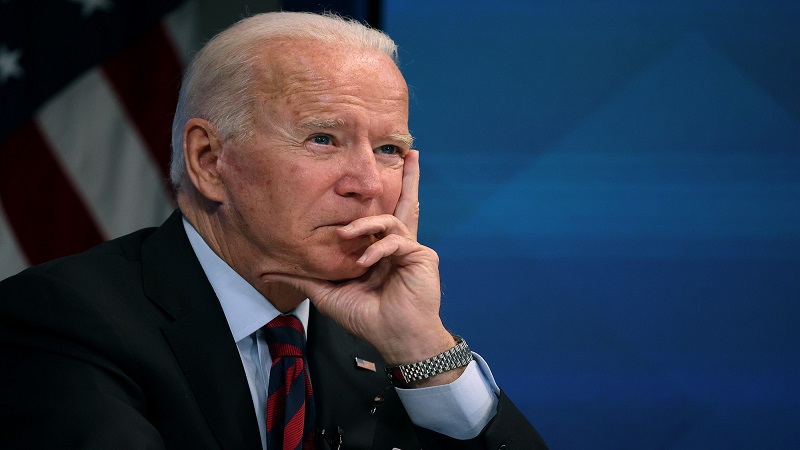
In a move aimed at safeguarding American industry, the Biden administration has moved to announce plans to significantly raise tariffs on Chinese electric vehicle (EV) imports from 25 percent to a whopping 100 percent, the FT has reported, citing sources.

This decision, set to be officially announced on Tuesday, underscores the administration’s intensified efforts ahead of the upcoming US election to shield domestic industries from perceived threats posed by foreign competition.

Sources familiar with the situation revealed that the sharp escalation in tariffs is driven by mounting concerns that China could inundate the US market with cheap EVs, potentially jeopardizing the American car industry. 

President Joe Biden, keen on appeasing union members in key swing states, has made protecting jobs a focal point of his agenda, prompting a series of actions aimed at bolstering domestic industries.

The Biden administration has been engaged in a three-year-long review of tariffs imposed by former President Donald Trump on Chinese imports as part of the broader trade war initiated in 2018. The decision to ramp up tariffs on EVs coincides with the conclusion of this review, overseen by the US Trade Representative (USTR).

China’s industrial prowess comes with cheaper manufacturing that has made its products more affordable, threatening goods and services in the US as the Asian giant’s export grows.

Against this backdrop that has seen most Americans choosing Chinese-made goods over their domestic products, Washington is moving to use tariffs and import restrictions to protect domestic manufacturers.

During a recent visit to Pennsylvania—a crucial swing state in the upcoming election—President Biden expressed his desire to triple tariffs on Chinese steel and aluminum, signaling his administration’s intent to take a tough stance on trade issues. Moreover, the USTR has initiated an investigation into unfair practices within the Chinese shipbuilding industry following a petition from the United Steelworkers union.

The decision to increase tariffs on EVs reflects growing concerns within the Biden administration regarding China’s dominance in the green industrial sector, particularly in areas such as solar panel production. Wendy Cutler, a former trade official and vice-president of the Asia Society Policy Institute, highlighted the administration’s proactive approach to prevent a repeat of the decimation witnessed by the US solar industry due to unfairly traded Chinese imports.

“The Biden administration is trying to get ahead of the curve and ensure that the US car industry does not suffer the same fate as the US solar industry, which was virtually decimated by unfairly traded Chinese imports,” Cutler was quoted by the FT as saying.

While Chinese automakers had previously absorbed the costs of existing tariffs to gain a competitive edge over their US counterparts, the proposed tariff hike presents a significant obstacle to this strategy. Cutler noted that quadrupling the tariff rate would effectively shield US auto manufacturers from unfair competition posed by Chinese vehicles, safeguarding American jobs and industries.

“A quadrupling of this tariff rate, however, would more effectively shield US auto manufacturers from unfairly traded Chinese vehicles before they can gain a foothold in the US market,” Cutler said.

In addition to tariff measures, the Biden administration has allocated substantial subsidies for EV and battery production in the US, signaling a broader strategy to foster investment in domestic clean tech sectors. This initiative is part of a larger effort to reindustrialize regions affected by economic decline, reduce carbon emissions, and reduce dependence on Chinese supply chains.

Furthermore, President Biden recently ordered an investigation into whether Chinese “connected vehicles,” including EVs, pose a national security risk to the US. These tariffs represent the latest in a series of actions demonstrating the Biden administration’s resolve to impose costs on China while simultaneously engaging in efforts to stabilize bilateral relations, particularly in areas such as climate cooperation.

China, in recent times, has learned to reciprocate tariff imposition, restrictions, and other bilateral moves made by Washington. It is not clear how Beijing will respond to this latest US’ move.

Analyzing Jack Dorsey’s Bold Prediction of $1M BTC Price

0

In the ever-evolving world of cryptocurrency, predictions about the future value of Bitcoin are commonplace. However, when a figure as prominent as Jack Dorsey, the former CEO of Twitter and a well-known advocate for digital currencies, makes a forecast, it garners significant attention. Dorsey’s recent prediction that Bitcoin will reach at least $1 million by 2030 has sparked a wave of discussions among investors, tech enthusiasts, and financial analysts.

Dorsey’s prediction is rooted in his belief in the collaborative ecosystem of Bitcoin and its growing mainstream adoption. He suggests that the collective efforts of everyone involved in Bitcoin—not just developers and miners, but also users and investors—are contributing to the overall improvement and value increase of the cryptocurrency.

This optimistic outlook aligns with other industry leaders, such as Cathie Wood of Ark Invest, who has projected that Bitcoin could soar as high as $1.5 million by the same year. Such forecasts are based on a variety of factors, including the limited supply of Bitcoin, increasing institutional interest, and the potential for Bitcoin to become a widely accepted form of payment and store of value.

The idea of Bitcoin reaching $1 million is not without its skeptics. Critics point to the cryptocurrency’s volatility, regulatory uncertainties, and the environmental concerns associated with mining. Despite these challenges, Dorsey’s vision for Bitcoin extends beyond its price. He is fascinated by the ecosystem and movement surrounding Bitcoin, emphasizing the decentralized nature of the technology and its potential to empower individuals financially.

Dorsey’s involvement in the cryptocurrency space has been significant since stepping down as Twitter’s CEO. His financial services firm, Block (formerly known as Square), has been actively investing in Bitcoin and supporting blockchain technology. Dorsey’s advocacy for a decentralized internet and his backing of projects like Nostr, which aligns with his vision for censorship-resistant social platforms, further demonstrate his commitment to the principles underlying Bitcoin and blockchain.

As we approach 2030, the trajectory of Bitcoin remains uncertain. While some see Dorsey’s prediction as overly optimistic, others believe it is a realistic possibility given the rapid pace of technological innovation and the increasing integration of cryptocurrencies into the global financial system. What is clear is that the conversation around Bitcoin’s future is as dynamic and multifaceted as the cryptocurrency itself.

Whether Bitcoin will indeed reach the heights predicted by Dorsey is a question that only time can answer. Until then, the speculation and debate will undoubtedly continue, as will the efforts of countless individuals working to shape the future of this groundbreaking digital asset.

EFCC Accuses Banks of Collusion with POS Operators to Limit ATM Cash Availability

1

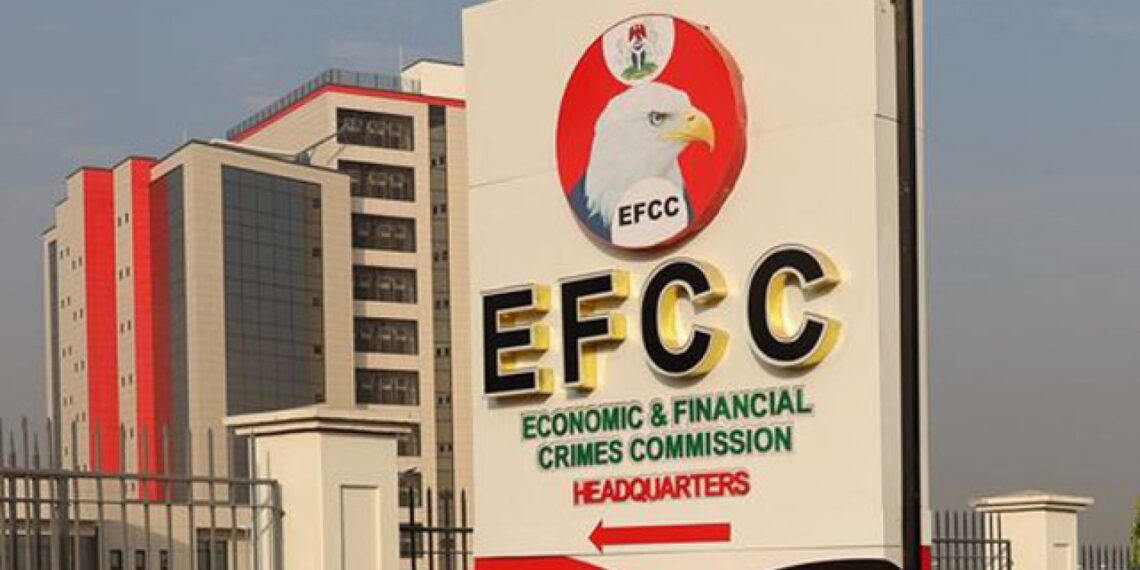
The Economic and Financial Crimes Commission (EFCC) has levied accusations against banks, alleging collusion with Point-of-Sale (POS) operators to restrict cash availability at Automated Teller Machines (ATMs). 

This accusatory finger points towards what the EFCC terms as “financial illegality,” where POS operators purportedly amass substantial cash from banks, leaving ATMs shortchanged and inconveniencing Nigerian consumers.

The EFCC, through its official communication channel on X, declared its stance on Saturday, May 11, 2024. Acting Zonal Director of the Ibadan Zonal Command of the EFCC, ACE I Hauwa Garba Ringim reiterated this position during a recent stakeholders’ meeting with Compliance Officers of Banks in Oyo State. 

Ringim emphasized the imperative to halt illicit dealings and the trading of naira with POS operators, calling for a cessation of this unfair practice that deprives Nigerians of convenient access to their funds.

“What we notice and see around lately is that Nigerians can only withdraw a small amount of their money with the banks in Automated Teller Machine (ATMs) but POS operators evidently go around with huge amounts of money gotten from the banks. This is not fair to Nigerians and we must fight it head-on,” said Ringim.

Moreover, Ringim cautioned banks’ compliance officers against disclosing EFCC’s financial probes to their clientele, citing the potential jeopardy it poses to ongoing investigations. He underscored the importance of maintaining confidentiality to avoid tipping off suspects, which could impede the agency’s efforts to gather crucial evidence for prosecution.

The EFCC’s concern over this collusion extends to its broader fight against economic and financial crimes, where it perceives an unhealthy support system for fraudsters within the banking sector. The agency urged Compliance Officers to promptly respond to its requests, providing certified true copies of relevant documents to expedite investigation processes and bring corruption cases to a swift resolution.

In response, Compliance Officers acknowledged the necessity for effective collaboration between the EFCC and financial institutions, expressing their commitment to uphold new dynamics in combating financial crimes.

This cautionary stance by the EFCC comes hot on the heels of its recent action freezing over 300 accounts suspected of involvement in illicit forex trading, a move aimed at curbing activities that could destabilize the national currency. Notably, a significant portion of the suspected individuals are identified as both Bureau de Change operators and POS operators, highlighting the interconnectedness of these illicit financial activities.

However, the anti-graft agency’s allegation of collusion against banks comes amid growing concern emanating from lack of cash in ATMs, while the bulk is given to POS operators – forcing consumers to pay for cash withdrawal.

Following the recent directive from the Nigerian government mandating POS operators to register with the Corporate Affairs Commission (CAC) as part of its regulatory oversight to fortify the financial sector, financial experts have raised concerns that the government is inadvertently, endorsing the trading of the naira as a commodity.

By formalizing the procedures of POS operators, it is believed that the government created a breeding ground for artificial arbitrage, which in turn undermines the stability of the currency and diminishes consumer confidence. 

“POS can’t take over function of cash deposits and withdrawal from licensed commercial and microfinance banks,” financial analyst, Kalu Aja said. “Are we so debased in expectations of service that licensed trillion naira banks with billions of naira investment in retail branches and ATMs have no cash but a chap with an umbrella down the street has cash?”

‘No country can tax itself to prosperity’: KPMG Critiques Timing and Implementation of Cybersecurity Levy

0

In its intervention in Nigeria’s fiscal discourse, KPMG, a globally recognized firm offering audit, tax, and advisory services, has voiced significant concerns regarding the federal government’s proposed 0.5 percent cybersecurity levy. 

The firm’s critique, articulated through a detailed analysis, sheds light on the timing and potential implications of the levy within the current economic context. It noted that while several reports suggested that the government could generate approximately N3 trillion annually from the levy, there has been no formal disclosure to the public regarding the cost and benefit analysis.

KPMG wasted no time in addressing the elephant in the room—the timing of the cybersecurity levy. In no uncertain terms, the firm labeled the levy as “ill-timed under the current economic realities.” It pointed out that while the idea itself wasn’t novel, implementing it amidst ongoing economic reforms risks compounding the financial strain already felt by businesses and individuals alike.

The firm said: “Though the cybercrime levy is not new as it has been in existence since 2015, the question is why implement it now given the prevailing economic challenges? The timing of any reforms is essential to the success of such reforms. This underscores the current public resistance to the implementation of the levy.

“This is certainly not the right time to implement this levy. Hopefully, the National Insurance Commission (NAICOM) and the Nigerian Communications Commission (NCC) will consider this before introducing their own guidelines with respect to those businesses under their purview.”

The firm’s reservations didn’t stop at timing. It delved deeper into the rationale behind the levy. Drawing on economic theory, KPMG emphasized that taxing the populace excessively does not lead to sustainable growth—a cautionary tale for policymakers navigating Nigeria’s turbulent economic situation.

By echoing sentiments often expressed by economists and fiscal experts worldwide: “No country can tax itself to prosperity,” KPMG warned against the allure of higher taxes as a panacea for economic woes, stressing the need for a more nuanced approach to revenue generation and economic management.

KPMG stated, “Undoubtedly, Nigeria faces significant revenue challenges. This has, therefore, constrained, and continues to constrain, the country’s capacity for achieving sustainable growth. Given this context, the government may go to any length to mobilize the required revenue.

“However, research has shown that higher taxes do not lead to sustainable growth. In fact, no country can tax itself to prosperity. Perhaps, it is in recognition of this that the current administration and the Presidential Committee on Fiscal Reforms have often emphasized that the government will not introduce new taxes.”

In dissecting the scope of the levy, KPMG revealed its far-reaching implications beyond financial institutions. From GSM service providers to telecommunication companies, internet service providers, insurance firms, and even the Nigerian Stock Exchange, no sector would be spared from its impact. This expansive reach underscores the levy’s potential to disrupt various facets of the economy.

However, KPMG’s critique wasn’t merely academic—it was pragmatic. It called attention to the lack of transparency surrounding the levy’s implementation, particularly concerning its cost and benefit analysis. With no formal presentation to the public, the firm urged for greater clarity and accountability in tax-related matters to foster trust and confidence among stakeholders.

“It is not sufficient to provide only the revenue projection, which is not certain as no details have been provided with respect to this; albeit there have been reports on how the money would be spent,” it said.

“Under the enabling Act, the Office of the National Security Adviser will be responsible for administering the fund.  Though the Act provides that the fund shall be audited in accordance with guidelines issued by the Auditor General of the Federation, this does not provide enough comfort.

“There are many government agencies that have not been audited for years and nothing has happened. It is, therefore, critical that practical measures be put in place to ensure transparency and accountability.”

Moreover, KPMG raised pertinent questions about the levy’s unintended consequences and potential loopholes. It pondered whether the levy could inadvertently lead to a resurgence of cheque transactions, given their exclusion as electronic transfers under the enabling Act—a loophole that could undermine the levy’s efficacy.

In a nod to responsible governance, KPMG urged the government to prioritize tax reforms that address revenue leakages and exercise prudence in public expenditure. It emphasized the importance of striking a balance between revenue-raising initiatives and responsible spending practices to ensure fiscal sustainability—a message that resonates amid Nigeria’s economic challenges.

Following heavy backlash from Nigerians and multinationals like KPMG, the federal government has asked the central bank to halt the implementation of the cybersecurity levy.