DD
MM
YYYY

PAGES

DD
MM
YYYY

spot_img

PAGES

Home Blog Page 3394

Naira volatility: Nigerian SEC moves to delist naira from P2P platforms

0

In a bid to address the growing concerns surrounding cryptocurrency trading in Nigeria, the Acting Director-General of the Securities and Exchange Commission (SEC), Dr. Emomotimi Agama, has advocated for stringent measures, including blocking P2P trading, aimed at safeguarding the integrity of the Nigerian capital market. 

During a virtual meeting with the Blockchain Industry Coordinating Committee of Nigeria (BICCoN), Agama emphasized the need to clean up the virtual assets space from illegal trading activities, particularly in light of recent developments impacting the Naira’s exchange rate.

Agama’s advocacy for a new cryptocurrency measure signals a departure from the previous SEC’s approach, indicating a potentially more stringent regulatory stance under his administration. The proposed measure aims to remove the Naira as a currency pair from cryptocurrency peer-to-peer platforms, to curb market manipulation and protect national economic interests.

The surge in peer-to-peer (P2P) crypto trading has reportedly had adverse effects on the Naira’s exchange rate, prompting the SEC to consider delisting the Naira from P2P platforms. Agama stressed the importance of a cooperative approach in addressing these challenges, calling on participants in the crypto space to be patriotic and cooperate with regulatory efforts to maintain market integrity.

“Agama stated that one of the things that needs to be done is delisting the naira from P2P space in order to avoid the level of manipulation that is currently happening enjoining participants in the crypto space to be patriotic enough to name and shame those that are involved in disrupting the markets negatively,” a statement from the SEC said. 

In addition to delisting the Naira from P2P platforms, the SEC is in the process of developing inclusive regulatory guidelines for the digital asset sector. These guidelines, crafted with input from various stakeholders, will cover a wide range of crypto-related activities, including wallet services, digital asset custody, and fund management. The aim is to create a well-regulated digital asset marketplace that contributes to Nigeria’s economic progress.

Agama urged the cryptocurrency community to support regulatory efforts by identifying and addressing harmful practices within the market. He emphasized the importance of collaboration and openness in achieving a transparent and thriving digital asset environment, reflecting the government’s commitment to fostering a conducive atmosphere for the burgeoning fintech sector.

“I want to seek your co-operation in dealing with this as we roll out in the coming days the regulations that would take control of these areas. We want to assure you that this management will ensure that people or institutions that require registration with the SEC are quickly licensed. We assure you that we will give guidance when necessary and do well to streamline the processes to make it less difficult

“We ask that those involved in sharp practices that undermine national interest should cease and desist. It is in our interest as a people to protect what belongs to us. We encourage you to reach out to us by naming and shaming the bad actors. Together, I am confident that we can weed out bad actors and harness the immense potential of this progressive technology for the benefit of all Nigerians in tandem with this government’s renewed hope agenda,” the SEC head was quoted as saying. 

The SEC’s advocacy for stringent cryptocurrency regulation comes amid heightened concerns and regulatory actions targeting cryptocurrency trading in Nigeria. Recent developments, including the classification of cryptocurrency trading as a national security issue by Nigeria’s National Security Adviser (NSA) Nuhu Ribadu and directives from the Central Bank of Nigeria (CBN) to block accounts engaged in cryptocurrency transactions, denote the government’s desire to develop robust regulatory measures to address emerging risks in the digital asset space.

The Nigerian crypto space was agog last month, following the government’s decision to clamp down on Binance – the world’s largest exchange. Two of Binance’s executives are still being held in Nigeria by the authorities. The authorities said P2P activities are significantly enabling the naira’s volatility, forcing Binance to disable its P2P feature in February. 

Furthermore, the CBN instructed four fintech startups—Opay, Moniepoint, Paga, and Palmpay—operating in the country to block the accounts of customers involved in cryptocurrency transactions and to report such activities to law enforcement agencies.

Before this, the Economic and Financial Crimes Commission (EFCC) had obtained a court order to freeze at least 1,146 bank accounts linked to various individuals and businesses allegedly involved in illicit foreign exchange dealings. 

This new move by the SEC means its earlier measures that included a proposed regulatory framework has been jettisoned. In 2022, the SEC issued new guidelines on the issuance of digital assets in Nigeria, following calls for regulation of the digital asset industry. The regulator introduced a comprehensive set of regulations covering various aspects of the digital market.

However, despite the consensus from both stakeholders and watchdogs that the digital asset industry requires urgent regulation, the proposed guidelines failed to be adopted. 
Fraud Incidents: Nigeria Orders 1.9 Million PoS Agents to Register With CAC

0

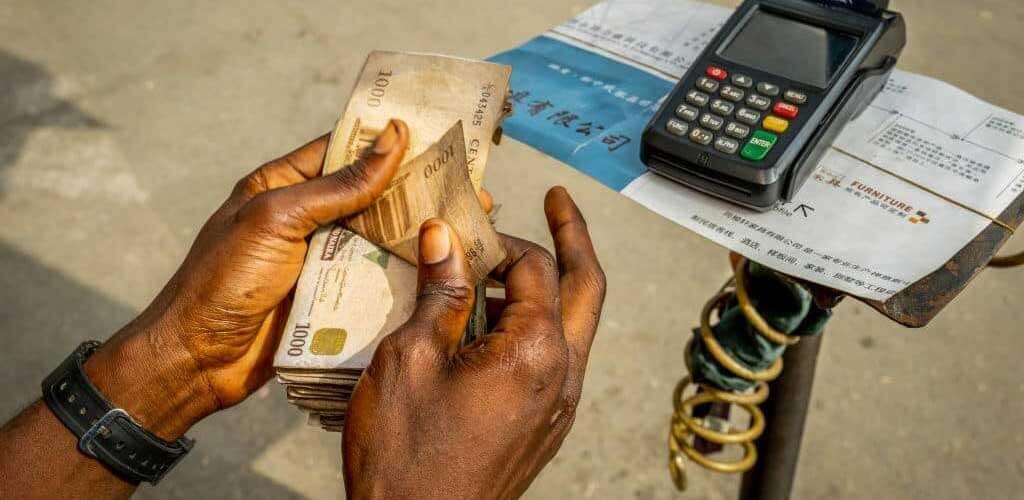
The Federal government of Nigeria through the Corporate Affairs Commission (CAC) has ordered 1.9 million PoS companies to register their business as part of plans to combat fraud.

This agreement was reached on Monday during a meeting between Fintechs and the Registrar-General CAC, Hussaini Ishaq Magaji, in Abuja.

Speaking at the meeting, the CAC boss noted that the directive is aimed at safeguarding the businesses of Fintech customers and strengthening the economy. He further stressed that the action was equally backed by Section 863, Subsection 1 of the Companies and Allied Matters Act, CAMA 2020 as well as the 2013 CBN guidelines on agent banking.

According to the CAC, the timeline allotted for the registration is for a period of two months, which will expire on July 7, 2024

A statement by the commission read,

“The Corporate Affairs Commission and fintech companies in Nigeria, better known as PoS operators, have agreed to a two-month timeline to register their agents, merchants, and individuals with the CAC in line with legal requirements and the directives of the Central Bank of Nigeria. The agreement was reached today during a meeting between Fintechs and the Registrar-General, CAC, Hussaini Ishaq Magaji, in Abuja.”

The CAC’s recent directive comes as fraudulent incidents involving PoS terminals have continued to surge in the country. According to a 2023 fraud report by the Nigeria Inter-Bank Settlement System Plc (NIBSS), PoS terminals accounted for 26.37% of fraud incidents in 2023.

Although PoS has brought significant convenience to financial transactions in Nigeria, which has spared bank customers from enduring extended queues at the banking Hall and ATMs. Meanwhile, despite its positive impact on the populace and the economy, there is a growing sense of unease among Nigerians using the system to carry out transactions due to the rising cases of fraud.

These PoS fraudulent transactions have raised concerns which have spurred different bodies to roll out policies and measures to mitigate fraud in the system. In line with this, in early 2024, Tekedia reported that the Central Bank of Nigeria, in partnership with the Nigerian Electronic Fraud Forum (NeFF), is working alongside the Association of Mobile Money and Banking Agents of Nigeria (AMMBAN) to introduce a new functionality on Point of Sale (PoS) terminals according to reports.

This feature aims to identify potential fraudulent transactions at agents’ locations by prompting for specific Know Your Customer (KYC) details before completing certain transactions.

Reports also revealed that a coalition of security agencies, including the Nigerian police, Department of State Services (DSS), AMMBAN, and NIBSS, has been formed to facilitate the seamless tracking of fraudsters operating at agent locations.

Tekedia Capital Congratulates TradeGrid on Partnership with Dangote Refinery

0

So happy for Tekedia Capital portfolio company, TradeGrid, which has seen triple digit growth since Dangote Refinery launched. At Tekedia Capital, we congratulate TradeGrid for its great partnership with Dangote Refinery. You are the largest downstream intra-nation refined fuel trader in Nigeria today, and we’re happy to celebrate your growth. As you also grow in Kenya, we wish you more open territories. Destination: Africa’s largest energy (old and new) trader! 

We began this mission to give small funds to innovators and builders, and daily, young people continue to validate the tenet of our investment philosophy. Yes, if you can just give them small help, great things will happen.

 Tekedia Capital >> we’re building the foundations of the next Africa through entrepreneurial capitalism 

Nigeria’s Cybersecurity levy: Tinubu’s government is ‘‘milking a dying economy’’ – Obi

0

Peter Obi, the former presidential candidate of the Labour Party has condemned the recently announced Cybersecurity Levy, describing it as ‘‘milking a dying economy.’’

In a statement issued via his X handle on Wednesday, Obi decried the rate President Bola Tinubu’s government is increasing taxes, despite his assurances to address multiple taxation as a way of creating a conducive business environment.

The former Anambra State governor noted that Nigerians are already suffering severe economic distress orchestrated by some policies of the government, including the removal of fuel subsidies and the floating of Nigeria’s foreign exchange market.

‘‘The introduction of yet another tax, in the form of Cybersecurity Levy, on Nigerians who are already suffering severe economic distress is further proof that the government is more interested in milking a dying economy instead of nurturing it to recovery and growth,’’ he said.

Obi highlighted several key concerns regarding its implications for businesses and the broader economic landscape of Nigeria. His remarks followed the flurry of criticism ignited by the policy, with most pointing at the urgent need for a reevaluation of fiscal policies to safeguard against unintended consequences and ensure the competitiveness of the country’s economic environment.

The two-term former Anambra State governor, who has been a vocal critic of the current government, noted the detrimental impact of the Cybersecurity Levy as a form of multiple taxation on banking transactions. 

He said; ‘‘the Cybersecurity Levy does not only amount to multiple taxation on banking transactions, which are already subject to various other taxes including stamp duties but negates the Government’s avowed commitment to reduce the number of taxes and streamline the tax system.’’

Furthermore, Obi noted the disproportionate impact of the Cybersecurity Levy on businesses’ trading capital, noting that it is levied on capital rather than profits.

‘‘The imposition of a Cybersecurity Levy on bank transactions is particularly sad given that the tax is on the trading capital of businesses and not on their profit hence will further erode whatever is left of their remaining capital, after the impact of the Naira devaluation and high inflation rate,’’ he said.

Speaking further, Obi asserted that as businesses struggle to navigate economic challenges, policies that levy additional taxes on their capital undermine their ability to invest, grow, and create jobs, ultimately impeding economic recovery and development.

‘‘It is inconceivable to expect the suffering citizens of Nigeria to separately fund all activities of the governmentPolicies such as this not only impoverish the citizens but make the country’s economic environment less competitive,’’ he said.

Obi also questioned the rationale behind diverting funds generated from the Cybersecurity Levy to the Office of the National Security Adviser (ONSA), traditionally associated with national security rather than revenue collection. 

‘‘And when did the office of the NSA become a revenue collecting center?’’ he asked. ‘‘And why should that purely national security office receive returns on a specific tax as stated in the new cybersecurity law?’’

Ultimately, Obi’s remarks reflect broader concerns within the business community and civil society regarding the implications of fiscal policies on economic growth, competitiveness, and public welfare.

Earlier this week, the Central Bank of Nigeria (CBN) issued a directive mandating financial institutions to implement a cybersecurity levy. This levy, set at 0.5% of the value of all electronic transactions, aims to bolster the National Cyber Security Fund overseen by the Office of the National Security Adviser (NSA).

According to the circular released by the apex bank, financial institutions, including banks, mobile money operators, and payment service providers, must begin deducting and collecting the cybersecurity levy within two weeks of the circular’s issuance. The levy will be calculated as 0.5% of the value of all electronic transactions, with the funds directed into the National Cyber Security Fund to enhance Nigeria’s cybersecurity capabilities.

However, this development has not been well-received by Nigerians.

M-Pesa Poised to Launch Direct Remittance Feature, Eliminating Need for Third-Party Services

0

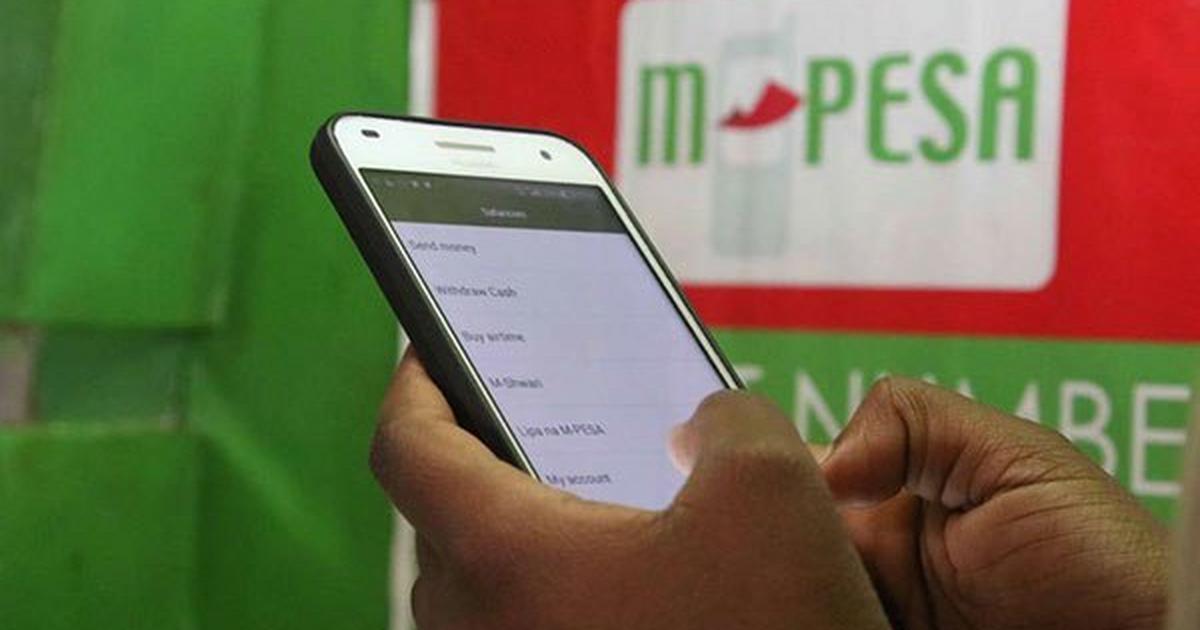
Kenyan mobile phone-based money transfer service M-Pesa has announced plans to launch a direct remittance feature that will enable global customers to send funds directly.

The feature promises to revolutionize the remittance landscape by eliminating the need for third-party services.

Speaking on the launch of the remittance feature, at the Future of payments in East Africa roadshow, Reuben Simiyu, Manager of Global Acceptance at M-PESA Africa said, this initiative is part of the company’s vision, aimed at serving its millions of Kenyan customers better. He noted that currently, M-Pesa does facilitate for remittances to Kenya, but does this through integration with other financial services such as PayPal, and Wise, amongst others.

Mr Simiyu described the journey of M-PESA Africa and its purpose to continuously drive financial inclusion across. He revealed that the launch of M-Pesa Virtual Visa card, a virtual card that enables M-Pesa users to make payments to international online sites for goods and services, was pushed by global merchants’ sites’ insistence on card services.

Meanwhile, the date for the launch of the direct remittance feature was not disclosed, hence, once it is rolled out, Kenyans abroad with M-Pesa can send money straight to their friends and family using M-Pesa wallets.

M-Pesa’s proposed launch of a direct remittance feature marks a significant shift in the realm of financial transactions. This innovation promises to revolutionize the remittance landscape by eliminating the necessity for third-party services. With this advancement, users will experience streamlined and more efficient transactions, cutting down on costs and potential delays associated with intermediaries.

By providing a direct channel for remittances, M-Pesa aims to enhance convenience and accessibility for its users, ultimately transforming the way people send and receive money across borders.

According to World Bank data, the remittance market in low and middle-income countries grew by 5% to reach $626 billion in 2022. With global remittances set to reach $5.4 trillion by 2030, M-Pesa wants to grab a piece of the pie.

The platform has made financial services accessible to millions of people who previously lacked access to traditional banking services, and has transformed how people in Africa handle their money. Last year, M-Pesa’s parent companies Safaricom and Visa launched the ‘M-Pesa GlobalPay’ virtual card that enables customers to use M-Pesa to shop at more than 100 million merchants across 200 countries for the first time.

Notably, M-Pesa wants to be the platform of choice for Africans in the diaspora, sending billions back home. This approach will see the payment platform build on its existing expertise and relationships while leveraging the knowledge and resources of local partners to ensure a smooth roll-out of its direct remittance feature.