
DD
MM
YYYY

PAGES

DD
MM
YYYY

spot_img

PAGES

Home Blog Page 3419

10 Cricket Myths: Separating Fact from Fiction

0

Cricket captivates hundreds of millions of people worldwide and confidently ranks second in the world after football and confidently outnumbers all other team sports – from baseball to hockey – in terms of devoted fans. In this article, we will look at ten cricket myths. Let’s get started.

#1. Croquet and cricket are the same game

This is wrong. Croquet is mostly played by retirees in their spare time, with wooden mallets driving balls into goals. As in Lewis Carroll’s Alice in Wonderland, on the Queen’s lawn. And cricket is played by teams in front of tens of thousands of spectators in stadiums.

A cricket bat is 1.5 times heavier than a baseball bat. A professional’s ball travels at 150 km/h, and a world-class player can hit it from 100 meters away. This is a serious sport that necessitates protective equipment, excellent refereeing, and extensive training.

#2. Cricket is played for 6 hours per day

Yes. A classic series of five test matches lasts up to a month and a half, with the games lasting six hours a day with a 40-minute lunch break and two 20-minute teas.

#3. Artificial lighting and ball color: new rules

Yes. Unlike Tests, which end at dusk and resume the next morning, one-day matches must be completed. One of the major cricket taboos, artificial lighting, was lifted in order to accomplish this.

The traditional white uniforms are worn for multi-day tests. There’s also a red ball. However, one-day matches are already played in national or club colors, with the ball being white. The red ball was abandoned due to the fact that the white ball is visible better than the red ball under the light of spotlights and against the background of the night sky.

#4. When it rains, the game is paused

Yes. The field is covered, and special machines pump water from the lawn and the pitch.

#5. Cricket is a little-known sport

Absolutely wrong. Cricket is a popular sport in India, Australia, South Africa, and a few other countries. There are numerous television channels that broadcast games around the clock.

Besides, how can a game that draws hundreds of thousands of spectators be unpopular? IPL betting cricket is available from the world’s largest betting companies.

#6. The urn containing the ashes is revered as the cricket shrine

Yes. The most famous trophy in world cricket is a small urn containing ashes. Two long-standing rivals are vying for it: the national teams of England and Australia.

In 1882, Australia defeated England for the first time at their stadium in a Test match, and the British press declared the “death of English cricket”, followed by cremation and the return of the ashes to Australia. The England team quickly followed, vowing to return the ashes to England. The Test series between Australia and England has been dubbed “The Ashes” ever since.

The winner is considered the owner of the “Ashes,” though the urn itself is always kept in the Lord’s Museum in London, the temple of cricket.

#7. The game’s rules are extremely complicated

Yes. Despite the fact that the basic rules are straightforward, there are several nuances and exceptions. Even after a month and a half of almost daily World Cup matches, it’s difficult to grasp all of the nuances. But this only adds to the game’s intrigue; almost every meeting sparks heated debate.

#8. Cricket necessitates excellent physical condition

Yes, serious physical training is required for cricket. But this isn’t hockey or football, and in general, just being in shape is sufficient. This makes cricket a sport for people who aren’t into strict diets and strenuous workouts.

#9. A large number of people bet on cricket

Cricket has the second-highest volume of bets in the world, trailing only football. There is such a thing as a cricket betting line, and it is constantly expanding as this sport has grown in popularity over the years, including outside of the countries where it originated.

#10. The longest cricket match in history lasted 14 days

Yes, this occurred in 1939. This was when the longest cricket match between England and South Africa was held. It sounds unbelievable, but the match concluded in a draw after the 14th day since the English ship had to sail home and the match had to get canceled.

Conclusion

Cricket is riddled with myths, as is any other sport. There are many stories on the Internet whose veracity is questionable, and it is up to you to decide what to believe and what not.
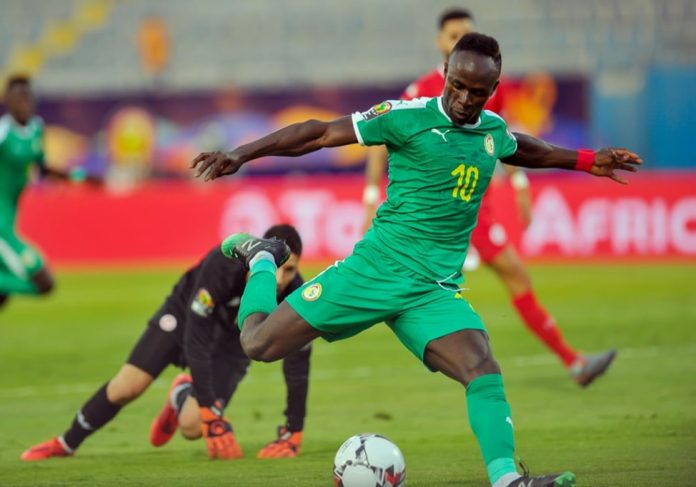

The Emergence of African Football Analytics: Revolutionizing Talent Scouting and Performance in 2024

0

Gone are the days of gut-feeling scouting. African football embraces data, with analysts uncovering hidden gems and optimising performance. Dive into the revolutionising trends, shaking up the beautiful game on the continent.

Beyond the Eye Test: African Football Analytics Score Big in 2024

For decades, African football thrived on raw talent and electrifying passion. But in 2024, a silent revolution is underway, driven not by boots and chants but by algorithms and data. African football analytics are emerging as a game-changer, transforming scouting, optimising performance, and rewriting the narrative of the beautiful game on the continent.

Follow the link and get sure tips 777 for football todays matches.

Scouting Beyond the Surface: Unearthing Hidden Gems

  • Data-Driven Diamonds: Analytics platforms like “ScoutAI” and “Africatalent” analyse data beyond goals and assists, identifying hidden gems with unique skillsets and tactical intelligence. Smaller clubs are leveraging this to compete with bigger ones, unearthing diamonds in the rough.
  • Performance Profiling: Detailed statistics on movement patterns, passing accuracy, and defensive pressure paint a nuanced picture of players’ strengths and weaknesses. This allows scouts to make informed decisions, moving beyond traditional scouting biases.
  • Local Expertise Meets Tech: Analytics companies are collaborating with local coaches and scouts who intimately understand the landscape of Africa. This synergy ensures culturally relevant data analysis and avoids overlooking gems because they haven’t played on European soil.

Performance Optimisation: Elevating the Beautiful Game

  • Tactics Tailored to Data: Coaches like Djamel Belmadi of Algeria use detailed match analysis to identify opponents’ vulnerabilities and tailor tactics accordingly. Employing this approach based on data results in more efficient formations and strategic game plans, elevating teams to unprecedented levels of performance.
  • Player Monitoring and Injury Prevention: Wearable technology and advanced data analysis are helping clubs monitor player fatigue, optimise training loads, and predict potential injuries. This proactive approach keeps players fresh on the pitch and minimises downtime.
  • Youth Development with a Data Edge: Academies like Mabo Academy in Nigeria incorporate analytics into their training programs, identifying individual strengths and weaknesses early on. This data-driven approach is nurturing well-rounded talents prepared for the rigours of professional football.

Challenges and Opportunities: Building a Data-Driven Future

Despite the transformative potential, challenges remain:

  • Infrastructure and Access: Reliable internet connectivity and access to sophisticated software are not yet evenly distributed across all African countries. Bridging this digital divide is crucial for democratising analytics access.
  • Data Quality and Interpretation: Collecting and analysing accurate data requires trained personnel and sophisticated infrastructure. Building local expertise and ensuring responsible data handling is key to maximising impact.
  • Changing Mindsets: Embracing analytics requires shifting from traditional scouting methods to a more data-driven approach. Educating stakeholders and fostering collaboration between analysts and traditional scouts is essential for smooth integration.

A Collective Goal: Kicking Off a Data-Driven Future

The emergence of African football analytics is not just about finding the next Sadio Mané or Mohamed Salah; it’s about building a sustainable future for the beautiful game on the continent. By:

  • Investing in infrastructure and training: Equipping African countries with the necessary technology and skilled personnel is crucial for closing the digital divide and empowering local analysts.
  • Promoting collaboration and knowledge sharing: Fostering partnerships between data companies, clubs, and academies can accelerate the spread of best practices and ensure local expertise flourishes.
  • Celebrating data-driven successes: Highlighting the positive impact of analytics on talent discovery, performance improvement, and overall game development can encourage broader adoption and build trust in the transformative power of data.

African football is entering a new era, where data dances alongside dribbles and algorithms amplify the magic of the beautiful game. By embracing this data-driven revolution, African teams can not only unlock hidden gems but also optimise performance, elevate their competitiveness on the global stage, and inspire a generation of data-savvy stars who will redefine the future of football on the continent and beyond.

Harnessing Football’s Power for Education and Leadership in Africa: 2024’s Inspiring Initiatives

0

Football is unlocking potential across Africa from classrooms on the pitch to leadership workshops in the stands. Dive into groundbreaking initiatives harnessing the beautiful game’s power to educate, empower, and inspire a generation in 2024.

Beyond the Ball: Football Fueling Education and Leadership in Africa – 2024’s Inspiring Initiatives

Across the vibrant tapestry of Africa, football isn’t just a sport; it’s a potent force for positive change. In 2024, this power is being harnessed like never before through innovative initiatives that use the beautiful game to educate, empower, and nurture future leaders. Let’s explore some of these inspiring projects:

School’s Out, Football’s On: Learning Beyond the Classroom Walls

  • Ghana’s Street Academy: Using football as a hook, this initiative provides literacy and numeracy classes to underprivileged children right on the pitch. Kids kick goals and tackle their studies, transforming playtime into prime learning time.
  • Kenya’s “Goals for Girls” Program: Girls learn life skills and access essential health education while honing their football skills in this community-based program. Football equips them with confidence and opens doors to academic opportunities.
  • Nigeria’s “Books and Boots Camp”: Combining academics with football training, this camp uses the competitive spirit of the game to motivate students and nurture their critical thinking and teamwork skills. Education and football become two sides of the same coin, driving success on and off the field.

Leadership in the Stands: Building Tomorrow’s Changemakers

  • South Africa’s “Fan Forum”: Football fans aren’t just spectators anymore. This forum empowers them to advocate for positive change within their clubs and communities, using their collective voice to address issues like stadium safety and financial transparency.
  • Senegal’s “Youth Sports Leaders Academy”: Aspiring sports leaders hone their skills in this unique program, learning management, communication, and event organization through hands-on experience at local football tournaments. The future of sports leadership is taking shape in the stands.
  • Egypt’s “Football for Peace”: This initiative brings together young people from diverse backgrounds through football, fostering tolerance, understanding, and leadership skills. The pitch becomes a bridge for building peaceful communities and future leaders who champion inclusivity.

Challenges and Opportunities: A United Goal for Progress

Despite these groundbreaking initiatives, challenges remain:

  • Limited Resources: Ensuring access to quality education and leadership development programs across the continent requires sustained funding and innovative partnerships.
  • The best online betting sites offer their users today football prediction for any match involving your favourite teams.
  • Gender Inequality: Encouraging more girls to participate in football-based education and leadership programs is crucial for fostering an inclusive environment and empowering female leaders.
  • Sustainability: Building long-term partnerships and integrating these initiatives into existing educational and sports infrastructure is vital to their continued success and impact.

A Collective Kick-Off: Scoring Goals for Education and Leadership

Harnessing football’s power for education and leadership is not just about individual initiatives; it’s about a collective movement for change. By:

  • Sharing inspiring stories: Amplifying the success of these programs can attract further investment and inspire others to replicate them.
  • Building partnerships: Collaborating with governments, NGOs, and football organizations can bridge resource gaps and create a unified front for sustainable impact.
  • Empowering communities: Engaging local communities in these initiatives ensures their relevance and long-term success, creating a sense of ownership and shared responsibility.

Together, we can turn the beautiful game into a powerful tool for building brighter futures across Africa. Let’s kick off a united effort to ensure that every child has the opportunity to learn, lead, and score big in life, both on and off the football pitch.

Governor Soludo Needs The Wisdom of Diochi, the Village Palm Wine Tapper

0

Governor Soludo: Remember Diochi, the village palm wine tapper, who is always reminded that he must not tell his fellow villagers everything he sees while on top of the palm tree.  There is wisdom there because Diochi knows everything, from seeing women taking showers in the village stream to those having babies on the roads to farms (Uzoji).

On Nkwo, Eke, Orie and Afo days, as elders gather, Diochi is reminded to keep mute while they enjoy his free wine. Diochi is powerful, but he is also the only person in the village who prepays for the services of his kinsmen. Yes, because it is expected that one day, he will likely fall at work, he is expected to bring wine on specific market days, as a compensation to his kinsmen, who will likely burn work days looking for him in the farmlands. In Ovim, Diochi serves free wine on Nkwo day; other communities in the Igbo Nation have different days.

Why this message? Do not fight traditional rulers because of those they have decided to give traditional titles to. Like Diochi, it is not every power you have that you must use. Men respect Diochi because they know he knows everything but decides to keep mute. We also hope that in your unbounded power as a governor, the ancestral wisdom of Diochi will become evident.

Allow those traditional rulers to breathe; focus on why the Anambra people sang on the day you won election, “Soludo ga achi anyi” [Soludo will be our leader]

Tether USDT prints $10B in 3 months

0

Tether, the issuer of the most popular stablecoin in the crypto market, has been on a printing spree in the last three months. According to data from CoinGecko, Tether has increased its supply by more than $10 billion since October 2023, reaching a total of $97 billion at the time of writing. This means that Tether is close to joining the exclusive club of crypto assets with a market capitalization of over $100 billion, which currently includes only Bitcoin and Ethereum.

Tether’s growth is driven by the high demand for stablecoins, which are digital tokens that are pegged to a fiat currency or another asset and aim to provide stability and liquidity in the volatile crypto market. Stablecoins are widely used for trading, arbitrage, lending, remittance, and other use cases that require fast and cheap transactions without exposure to price fluctuations.

Tether, which claims to be backed by US dollars and other reserves at a 1:1 ratio, is the dominant stablecoin in terms of market share and trading volume, accounting for more than 75% of the total stablecoin supply and more than 50% of the total crypto trading volume.

However, Tether’s rapid expansion also raises some concerns and challenges for the crypto industry. Tether has been under scrutiny for its lack of transparency and regulatory compliance, as well as its potential systemic risk to the crypto ecosystem.

Tether has faced multiple lawsuits and investigations from authorities in different jurisdictions, including the US, the UK, and Hong Kong, over its reserve claims, its role in market manipulation, its ties to Bitfinex exchange, and its compliance with anti-money laundering and counter-terrorism financing regulations. Tether has also been criticized for its centralized governance and issuance process, which could expose it to hacking, censorship, or seizure by hostile actors.

In the past three months, Tether has issued more than $10 billion worth of USDT, bringing its total market cap to over $40 billion. This is a staggering amount of money that could have significant implications for the crypto ecosystem and the global financial system.

One implication is that Tether could be inflating the prices of other cryptocurrencies, especially Bitcoin. Since USDT is widely used as a medium of exchange and a store of value in the crypto space, it creates artificial demand for Bitcoin and other coins. Some analysts have estimated that up to 70% of Bitcoin’s price is driven by Tether issuance. If Tether is not fully backed by US dollars, it could mean that the crypto market is overvalued and vulnerable to a crash.

Another implication is that Tether could pose a systemic risk to the financial system. If Tether is not fully backed by US dollars, it could face a run on its reserves, where users lose confidence and try to redeem their USDT for real dollars. This could trigger a liquidity crisis and a contagion effect, where other stablecoins and crypto exchanges that rely on Tether face solvency issues. Moreover, if Tether is involved in illicit activities such as money laundering or tax evasion, it could attract regulatory scrutiny and legal action from authorities around the world.

Tether’s lack of transparency and accountability raises serious questions about its legitimacy and sustainability. As the largest and most influential stablecoin in the crypto market, Tether has a responsibility to prove its claims and comply with regulations. Otherwise, it could jeopardize the future of the crypto industry and the financial system.

As Tether approaches the $100 billion milestone, it will face more pressure and competition from both regulators and rivals. Regulators may impose stricter rules and oversight on Tether and other stablecoins, as they seek to protect consumers and financial stability from the potential risks posed by these unregulated entities.

Rivals may challenge Tether’s dominance by offering more transparent, decentralized, and innovative alternatives, such as algorithmic stablecoins, collateralized stablecoins, or central bank digital currencies. Tether will have to prove its resilience and reliability in order to maintain its leading position and reputation in the crypto market.