DD
MM
YYYY

PAGES

DD
MM
YYYY

spot_img

PAGES

Home Blog Page 3908

Free Market Capitalism and trade are ways end Hunger and Poverty, Javier Milei tells WEF; Sovereign-debt crisis remains issue for Africa

0

Free market capitalism and trade is the only way to end hunger and poverty across our planet, the empirical evidence is unquestionable” – Javier Milei.

The renowned economist and president of Argentina, Javier Milei delivered a powerful speech at the World Economic Forum, where he defended the virtues of free market capitalism and trade as the most effective solutions to end hunger and poverty in the world. He argued that the free-market system allows for the efficient allocation of resources, the promotion of innovation and entrepreneurship, and the creation of wealth and prosperity for all.

He also criticized the interventionist policies of governments and international organizations, which he claimed only create more problems and distortions in the economy. He said that these policies are based on false premises and ideologies, and that they ignore the empirical evidence that shows the benefits of economic freedom and openness. He cited several examples of countries that have achieved remarkable economic and social progress by embracing free market reforms, such as Singapore, Hong Kong, Taiwan, South Korea, Chile, Estonia, and others.

He contrasted them with countries that have suffered from stagnation, corruption, inflation, and misery by following socialist or populist agendas, such as Venezuela, Cuba, Argentina, Zimbabwe, and others. He concluded his speech by calling for a global movement to spread the ideas of liberty and free enterprise, and to challenge the status quo of interventionism and collectivism. He said that this is the only way to ensure a better future for humanity, and to end hunger and poverty across our planet.

This is the bold claim made by Javier Milei, a prominent economist and libertarian activist from Argentina, in his latest book “The Moral Case for Capitalism”. Milei argues that capitalism is not only the most efficient and productive economic system, but also the most ethical and humane one. He cites numerous examples of how free markets and trade have lifted millions of people out of poverty, improved living standards, increased life expectancy, and reduced violence and corruption.

He also challenges the common criticisms of capitalism, such as inequality, exploitation, environmental degradation, and cultural imperialism. He contends that these are not inherent flaws of capitalism, but rather the consequences of government intervention, regulation, and distortion of the market.

Milei’s book is a provocative and passionate defense of capitalism, based on both empirical data and moral philosophy. He draws on the works of classical liberals such as Adam Smith, John Locke, and Ludwig von Mises, as well as contemporary thinkers such as Milton Friedman, Ayn Rand, and Robert Nozick. He also engages with the arguments of his opponents, such as Karl Marx, John Maynard Keynes, and Thomas Piketty. He does not shy away from controversial topics, such as immigration, globalization, democracy, and human rights. He presents his views with clarity, logic, and conviction, while also acknowledging the limitations and challenges of his position.

Milei’s book is not for the faint-hearted or the easily offended. It is a radical and uncompromising manifesto for capitalism, that challenges the prevailing orthodoxy and conventional wisdom. It is a book that will make you think, question, and debate. Whether you agree or disagree with Milei’s thesis, you will not be indifferent to his message.

Sovereign-debt crisis is a big issue facing Africa

Africa is facing a looming debt crisis that threatens to derail its economic and social progress. According to the World Bank, the continent’s public debt-to-GDP ratio rose from 40% in 2018 to 70% in 2020 and is projected to reach 75% by 2022. The COVID-19 pandemic has exacerbated the situation, as many African countries have had to borrow more to cope with the health and economic shocks.

The main drivers of the debt crisis are the high cost of borrowing, the low revenue mobilization, and the weak governance and institutional capacity. Many African countries rely on external financing from bilateral and multilateral creditors, as well as private lenders.

However, these sources of funding are often expensive and come with stringent conditions that limit the policy space and fiscal flexibility of the borrowers. Moreover, some of the loans are not transparent or accountable, and may be used for unproductive or corrupt purposes.

The consequences of the debt crisis are severe and far-reaching. If not addressed, it could lead to a loss of market access, a deterioration of credit ratings, a reduction of public spending, a depletion of foreign reserves, and a default or restructuring of debt obligations. This would have negative impacts on growth, poverty reduction, human development, and regional stability. It would also undermine the efforts to achieve the Sustainable Development Goals and the African Union’s Agenda 2063.

To support this argument with more data, here are some relevant statistics:

The average interest rate on public debt in sub-Saharan Africa increased from 4% in 2013 to 7% in 2019. The average tax-to-GDP ratio in sub-Saharan Africa was 16.5% in 2018, well below the global average of 24.9%. The average governance score for sub-Saharan Africa declined from 0.47 in 2013 to 0.44 in 2019 (on a scale of -2.5 to 2.5). The total external debt stock of sub-Saharan Africa increased from $236 billion in 2010 to $583 billion in 2019. The share of private creditors in sub-Saharan Africa’s external debt increased from 25% in 2010 to 39% in 2019.

To avoid a debt crisis, African countries need to adopt a comprehensive and coordinated approach that involves both domestic and external actors. On the domestic front, they need to enhance their debt management capacity, improve their revenue collection, rationalize their expenditure, diversify their economies, and strengthen their governance and anti-corruption frameworks.

On the external front, they need to seek more concessional and flexible financing options, negotiate for debt relief or restructuring where necessary, and participate in global initiatives such as the G20 Debt Service Suspension Initiative and the Common Framework for Debt Treatments.

The debt crisis is not inevitable, but it requires urgent and decisive action from all stakeholders. Africa has the potential to overcome this challenge and achieve its development aspirations, but it needs the support and solidarity of its partners. Together, we can build a more resilient and prosperous continent for the benefit of all.

Shell oil has halted all Red Sea shipments indefinitely, citing fears of escalation after US and UK strikes in Yemen

0

In a surprising move, Shell Oil announced today that it has suspended all its oil shipments through the Red Sea, one of the world’s busiest and most strategic waterways, due to the rising tensions in the region. The decision comes after the US and UK launched airstrikes against Iranian-backed Houthi rebels in Yemen, who have been accused of attacking Saudi oil facilities and tankers.

Shell Oil, which operates several oil fields and refineries in Saudi Arabia, said that the safety of its employees and assets was its top priority, and that it would not resume its operations in the Red Sea until the situation stabilizes. The company did not specify how long the suspension would last, or how it would affect its global supply chain and customers.

The Red Sea is a vital route for oil and gas exports from the Middle East to Europe and Asia, as well as for imports of goods and commodities to the region. According to the International Energy Agency (IEA), about 9% of global oil trade passes through the Red Sea, which connects the Indian Ocean to the Mediterranean Sea via the Suez Canal.

The escalation of violence in Yemen, which has been mired in a civil war since 2014, poses a serious threat to the stability and security of the Red Sea and its surrounding countries. The Houthi rebels, who control most of northern Yemen, have repeatedly launched missiles and drones at Saudi Arabia, which leads a coalition of Arab states that supports the internationally recognized government of Yemen. The Houthis have also claimed responsibility for several attacks on oil tankers and cargo ships in the Red Sea, although some of these claims have been disputed by other parties.

The US and UK, which are allies of Saudi Arabia and have provided it with weapons and intelligence, said that their airstrikes were aimed at degrading the Houthis’ capabilities and deterring further attacks. They also called for a political solution to end the conflict in Yemen, which has caused a humanitarian crisis that affects millions of people.

However, the airstrikes have drawn criticism from some countries and organizations, who accused the US and UK of escalating the war and violating international law. Iran, which denies arming or funding the Houthis but supports their cause, condemned the airstrikes as an act of aggression and warned of serious consequences. The UN, which has been trying to broker a peace deal between the warring parties in Yemen, expressed concern about the impact of the airstrikes on its efforts and called for restraint.

Shell Oil’s decision to halt its Red Sea shipments is likely to have significant economic and geopolitical implications, as it could disrupt the global oil market and increase the pressure on other oil companies and countries to follow suit or find alternative routes. It could also affect the relations between Saudi Arabia and its allies, who depend on its oil exports, and between Iran and its rivals, who accuse it of destabilizing the region.

SpaceX is offering Starlink service that can deliver 10 gigabit internet speeds

0

SpaceX, the company founded by Elon Musk, has announced a major upgrade to its Starlink satellite internet service. According to a press release, Starlink customers can now enjoy blazing-fast internet speeds of up to 10 gigabits per second, making it the fastest satellite internet service in the world.

This is a remarkable achievement for Starlink, which launched its beta service in late 2020 with speeds of around 50 to 150 megabits per second. Since then, Starlink has expanded its coverage to over 30 countries and deployed more than 1,800 satellites in low Earth orbit. The company claims that its network can deliver high-speed, low-latency and reliable internet access to anyone, anywhere on the planet.

The new 10 gigabit service is enabled by a new generation of user terminals, which are equipped with advanced phased array antennas and laser inter-satellite links. These features allow the terminals to communicate with multiple satellites simultaneously and dynamically switch between them to optimize the signal quality. The terminals also support Wi-Fi 6 and Ethernet connections, making them compatible with a wide range of devices.

Starlink says that the 10-gigabit service is ideal for customers who need ultra-fast internet for applications such as gaming, streaming, video conferencing, cloud computing and more. The service is also expected to benefit rural and remote areas, where traditional broadband options are limited or nonexistent. Starlink claims that its service can bridge the digital divide and provide equal access to information and opportunities for everyone.

How does Starlink compare to other broadband internet providers?

Starlink uses a constellation of thousands of small satellites in low Earth orbit (LEO), which are linked to ground stations and user terminals. Starlink claims that its LEO satellites can offer faster speeds and lower latency than geostationary (GEO) satellites, which are much farther away from the Earth and have higher signal delays.

Starlink also claims that its service will be cheaper and more accessible than other broadband internet providers, as it does not require any infrastructure or wires to connect to the user. Starlink users only need a small dish and a Wi-Fi router to receive the internet signal from the satellites.

However, Starlink is not without its challenges and limitations. Starlink is still in beta testing and has not yet reached full global coverage or capacity. Starlink users may experience interruptions or fluctuations in service quality depending on the weather, the availability of satellites, and the demand of other users. Starlink also faces competition from other satellite internet providers, such as OneWeb, Amazon’s Kuiper, and Telesat, which are also developing their own LEO constellations.

Additionally, Starlink has raised some concerns among astronomers, environmentalists, and regulators. Starlink satellites are very bright and visible in the night sky, which may interfere with astronomical observations and contribute to light pollution. Starlink satellites also pose a risk of orbital debris and collisions with other spacecraft, especially as more satellites are launched into the crowded LEO region. Starlink may also have to comply with various rules and regulations in different countries and regions regarding spectrum allocation, licensing, taxation, and data privacy.

Starlink is an innovative and ambitious project that promises to revolutionize the broadband internet market. However, it also faces many technical, operational, and regulatory hurdles that may affect its performance and viability. Starlink users should weigh the pros and cons of the service before deciding to switch from their current internet provider.

The 10-gigabit service is currently available in select regions and will be rolled out globally in the coming months. Starlink customers can upgrade their existing terminals or order new ones through the Starlink app or website. The pricing and availability of the service may vary depending on the location and demand. Starlink says that it will continue to improve its service and launch more satellites as it aims to provide the best satellite internet experience for its customers.

Nigeria’s Grand Forex Backlog Clearance And Attacking the Root Cause of FX Paralysis

1

Nigeria’s FX challenge is a moving target. Read the World Bank: “Fixed exchange rates and capital controls are diverting remittances from official to unofficial channels… In Nigeria, the Central Bank’s interventions in the foreign exchange market led to an increasing divergence of the parallel and official exchange rates until the liberalization program in June 2023 …However, resistance to the increasing pressure on the Nigerian naira coupled with limited supply of foreign exchange at the official window has led to the reemergence of the parallel market premium. Likely, the substantial parallel market premium has significantly diverted remittances to unofficial channels.” 

That said, we must commend the Central Bank of Nigeria (CBN) for normalizing those “unofficial channels” which include peer-to-peer crypto trading and exchange, when it approved the integration of crypto companies into the Nigerian banking system. I do not believe that “banning” crypto companies is positive for Nigeria. Rather, we just have to put smart regulations to make sure the companies operate in ways that do not destroy our economies.

Fixing Nigeria’s foreign currency paralysis is not likely to happen until we can fix our industries so that things could be made in Nigeria. Until then, everything is pure theory because AO Lawal’s Textbook of Economics for WAEC students made it clear that if demand is increasing when supply is dropping, price will go up. Today, we earn less US dollars even when we are importing more (higher US dollar demand), ceteris paribus, Naira will pay the price and decline, financial engineering or not!

That said, we must acknowledge the efforts the government is putting to address these shortages: “In a significant move to address the foreign exchange crisis, the Central Bank of Nigeria (CBN) has successfully paid approximately $2 billion to various sectors, including manufacturing, aviation, and petroleum, as part of its ongoing efforts to clear the backlog of outstanding foreign exchange liabilities.”

My only concern is that it does not address the root cause (improving balance of payment and trade), since if you borrow to clear, and that clearance is not going to position you to have enough in the future, sooner or later, you will need another borrowing to clear in the future. That vicious circle is where we have been since 2017. That must stop.

Central Bank of Nigeria Clears $2 Billion Forex Backlog Across Sectors

0

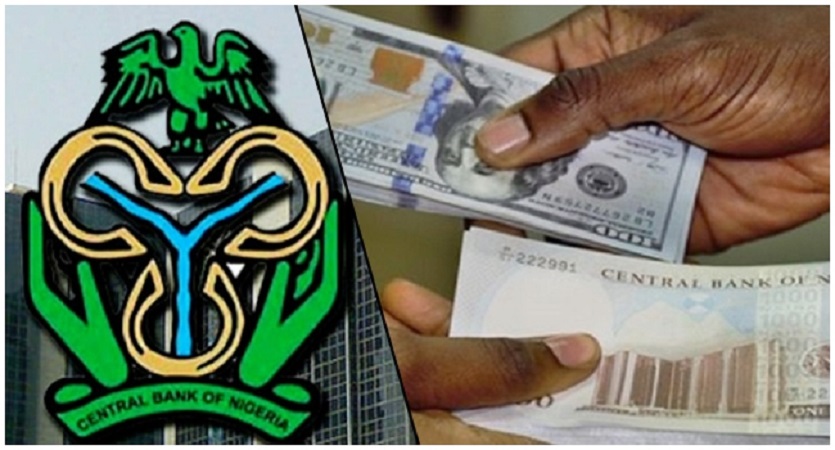
In a significant move to address the foreign exchange crisis, the Central Bank of Nigeria (CBN) has successfully paid approximately $2 billion to various sectors, including manufacturing, aviation, and petroleum, as part of its ongoing efforts to clear the backlog of outstanding foreign exchange liabilities.

The apex bank has also cleared the entire liability of 14 banks and initiated settlements with foreign airlines.

CBN spokesperson, Hakama Sidi Ali, announced these developments in Abuja on Wednesday, highlighting the central bank’s commitment to resolving the forex challenges that have plagued the Nigerian economy. She revealed that an independent forensic review, conducted by a reputable firm, uncovered grave infractions, gross abuse, and significant non-compliance with market regulations.

Ali said that the CBN would collaborate with relevant agencies to enforce appropriate sanctions, underlining the institution’s dedication to sanitizing the financial services sector and fostering trust among stakeholders.

“The CBN remains resolute in its commitment to sanitize the financial services sector and build trust in the Nigerian economy,” Ali stated.

The independent forensic review also paved the way for the commencement of payments for qualified transactions related to the forex backlog. Ali assured that the CBN would continue to settle legitimate foreign exchange obligations, a process that has been consistently implemented over the last three months.

Last week, the CBN disbursed approximately $61.64 million to foreign airlines through various banks, marking another step in reducing the remaining liability to the airlines. Ali explained that this initiative is part of the broader strategy to address the forex crisis, which has been a persistent challenge for Nigeria, affecting its international financial obligations, including the repatriation of revenues for multinational companies operating in the country.

The Minister of Finance, Wale Edun, had previously linked the decline of the naira to the approximately $6.8 billion in overdue forward payments in the foreign exchange market. Edun stressed the importance of addressing this issue for the stabilization of the local currency. To tackle the forex backlog, the CBN announced the government’s move to raise about $10 billion with the assistance of banks.

Last year, Kamil Alawadhi, Regional Vice President, Africa and Middle East, International Air Transport Association (IATA), raised concerns over the total amount owed by countries in Africa and the Middle East. He revealed that Nigeria alone accounts for almost half of the blocked or trapped funds valued at $2.57 billion. Nigeria’s debt to foreign airlines stands at $792 million, a significant portion of the total trapped funds owed by various countries in the region.

The forex obligations in Nigeria have accumulated over time, reaching an estimated $10 billion, posing challenges for attracting Foreign Direct Investment (FDI) and Portfolio Direct Investment (PDI). The backlog includes unfulfilled demands from investors and exporters, manufacturers, importers procuring raw materials from overseas, parents funding children’s tuition fees abroad, Nigerians covering medical expenses abroad, and travelers obtaining Business Travel Allowances (BTAs) and Personal Travel Allowances (PTA) since 2015.

To address the backlog, the Nigerian government has been actively seeking solutions, including securing loans securitized with crude oil. In August, the Nigerian National Petroleum Company Limited (NNPCL) announced the signing of a commitment letter and Termsheet with the Trade Finance Bank for Africa, Afreximbank, for an emergency $3.3 billion crude oil repayment loan.

Nigeria has received an initial disbursement of $2.25 billion out of the approved amount, with a second tranche of $1.05 billion expected to be disbursed subsequently. These measures aim to alleviate the forex challenges and restore stability to the Nigerian economy.