DD
MM
YYYY

PAGES

DD
MM
YYYY

spot_img

PAGES

Home Blog

Why Foreign Students Should Consider Their Long Term Immigration Goals

0
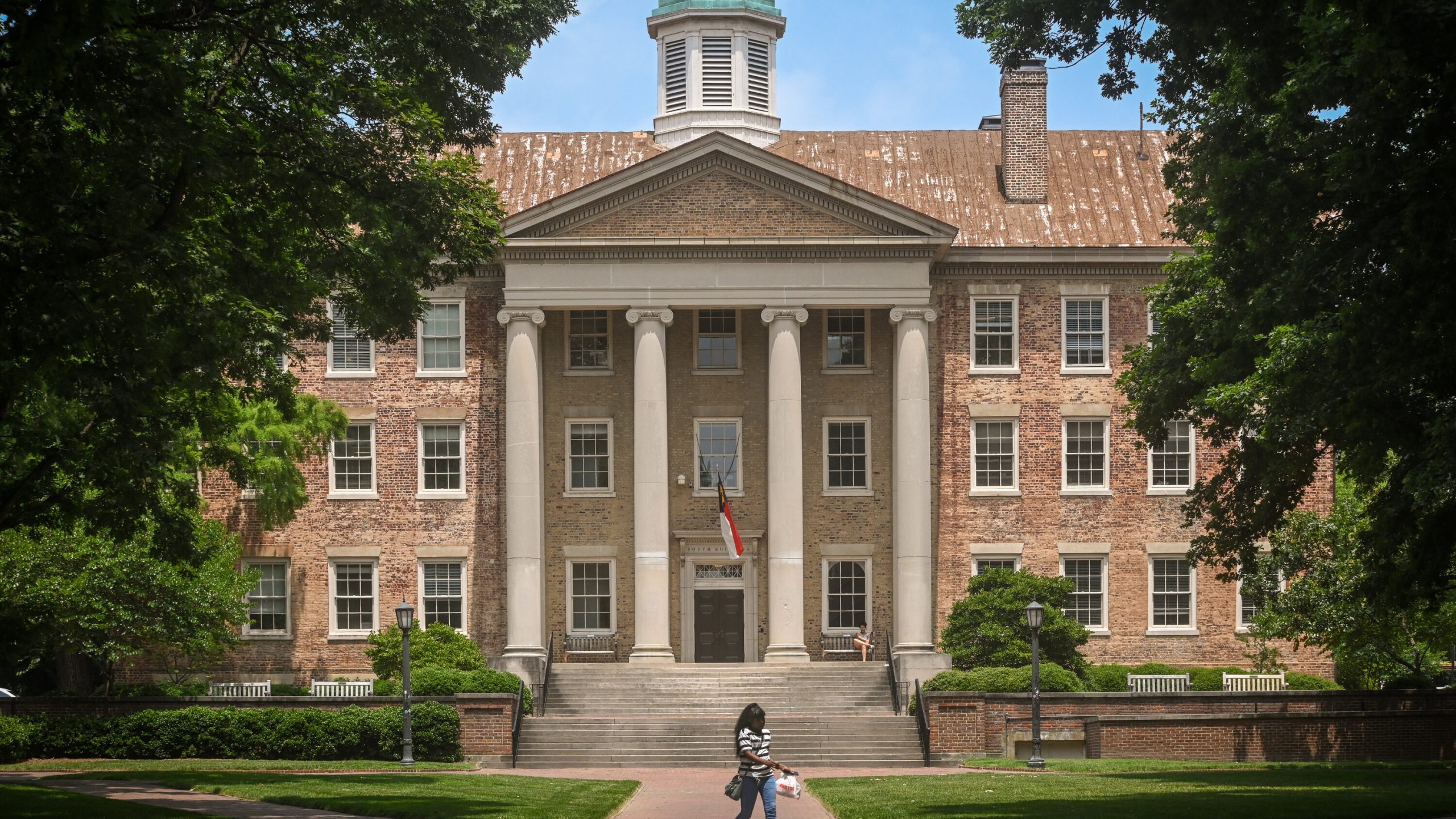
A university

While studying in Canada can be an important step toward establishing a life in the country, simply finishing a program of study is not necessarily a guarantee of continued presence there. For those considering staying after their initial studies, it is important to make immigration goals a priority early on in their education and understand the steps that they will need to take in the future to stay in Canada permanently. Doing so will ensure that they are able to make the best decisions for their future, as well as avoid the pitfalls which could cause permanent immigration issues later.

Understanding Future Immigration Options

Foreign students should research immigration options prior to completing their studies. Graduates may have several possible options based on personal circumstances, including post graduation work permit, Canadian work experience, and permanent residency. Eligibility criteria for each option can vary, and additional requirements could include educational attainment, work experience, language proficiency, and other factors. By researching possible opportunities early, students will gain perspective on the options available to them.

Additionally, long term planning is necessary when considering the immigration process, and students should understand how their education and employment choices during their stay in Canada will affect their options. The right school, program, location, and job are critically important, as they will determine a student’s future in many cases. By being aware of possible outcomes, students who are considering immigration will plan accordingly rather than waiting until after graduation to make arrangements. While it is not always necessary to know exactly what one wants to do in order to immigrate, having a general idea will make the process much simpler in the long run.

Planning for Life After Graduation

If there are students who wish to remain in Canada following their studies then it would be wise for them to begin planning in advance as well. It is essential for these students to be aware of the options open to them through legislation and through their own situation so that they do not face any problems during the process of immigration.

The issue of finding employment may be particularly relevant to those planning to settle in Canada after graduation. Students can start by learning about the work experience that may be valuable to them and their area of expertise while thinking about their immigration prospects. Those who are staying in bigger cities such as Toronto can consult with a Toronto immigration lawyer for more details on the matter.

Maintaining Immigration Compliance

Foreign students need to take into account the effect of their current immigration status on their further perspective. This means that particular attention should be paid to the terms of a study permit, because the student is supposed to follow certain obligations while staying in the country. In addition, knowledge of the student’s responsibilities will help to avoid any troubles connected with immigration authorities and create better prospects for the future. In this context, it is important for the student to control his status and the validity of his documents, because he may be obliged to apply for an extension of some services.

However, it should be noted that immigration issues are always complicated by certain situations. For example, the student’s status can be changed if he wants to switch to another program, move to another university, take a break from studying, or change his immigration status for some personal reasons. Thus, in case the foreign student needs to change his immigration status, he should receive professional lawyer advice to see what consequences this change can lead to and which options exist.

Reviewing Immigration Goals Regularly

Long term immigration planning should not be perceived as a one-time task. Canadian immigration policies and eligibility criteria can change, as can a student’s educational, professional, financial, and personal priorities. By regularly reassessing one’s immigration goals, students can ensure that their initial decision remains appropriate and identify factors that may necessitate further action in the future.

Moreover, the students must always bear in mind that they cannot entirely rely on the information they knew before moving to Canada. The immigration rules in Canada are flexible and can undergo change from time to time. Therefore, the situation that existed when a student entered Canada may not be valid anymore by the time he/she completes his/her education in Canada. This means that the student needs to stay updated on the present immigration rules in Canada.

Taking long-term immigration considerations into account can be helpful for the foreign students in their studies in Canada. Besides, this will be helpful for them in their academic and immigration endeavors. Taking into consideration all of these factors, the students will be able to use their education in the best possible way. By doing so, the student will be able to make wise decisions regarding his/her area of study and will have more chances after graduating from the college.


Why Gen Z Is Taking Up Boomer Hobbies

0

For a generation often associated with smartphones, social media, artificial intelligence and digital entertainment, Gen Z is developing an unexpected relationship with activities that seem to belong to another era.

Crochet, knitting, sewing, gardening, baking, journaling, pottery and other traditionally “boomer” hobbies are finding new audiences among younger people. Forget clubbing until sunrise; for many young adults, a quiet evening spent making something by hand is becoming the new form of leisure.

The resurgence of these hobbies is not simply nostalgia. It reflects a deeper reaction to the pressures of modern digital life.

Gen Z has grown up surrounded by screens, notifications and algorithms competing constantly for attention. After spending much of the day consuming digital content, creating something tangible can feel remarkably satisfying.

Crochet, for example, requires concentration, repetition and patience. Unlike scrolling through social media, there is a physical result at the end: a scarf, sweater, bag or blanket that exists because the person made it. There is a powerful psychological attraction to slowing down.

Modern culture often celebrates speed, productivity and constant availability. Traditional hobbies operate differently. A handmade project cannot always be rushed. A complicated crochet pattern may take hours or days to complete. That slower pace can provide a welcome break from the expectation that every moment should be productive or entertaining.

Social media, ironically, has helped fuel this analog revival. Platforms such as TikTok, Instagram and YouTube have transformed traditionally private hobbies into highly shareable experiences. Young creators post crochet tutorials, thrift-flip projects, homemade recipes, embroidery designs and “slow living” routines, making these activities appear fashionable rather than old-fashioned.

A hobby that once seemed outdated can suddenly become a viral trend. Economics also plays a role. Traditional nightlife can be expensive. Tickets, transportation, food and drinks can quickly turn an ordinary night out into a costly experience. By comparison, many hobbies can be started relatively cheaply and enjoyed repeatedly.

Buying yarn and a crochet hook, for instance, can provide hours of entertainment while producing something useful. There is another important factor: authenticity. Gen Z has become increasingly interested in experiences that feel personal and distinctive.

Mass-produced goods are everywhere, but handmade objects carry a sense of individuality. Making one’s own clothing, decorating a room by hand or baking from scratch creates something that cannot be perfectly replicated by an algorithm or factory.

These hobbies can also create community. Crochet circles, craft markets, gardening groups and online maker communities allow people to socialize without the pressure associated with traditional nightlife. The attraction is not necessarily isolation; it is a different kind of connection, one based around shared creativity and participation.

The revival of boomer hobbies therefore represents more than a quirky generational trend. It is a cultural response to an increasingly digital world. Gen Z is not necessarily rejecting technology; instead, young people are rediscovering the value of activities that technology cannot fully replace.

Crochet may look old-fashioned, but its appeal is remarkably contemporary. It offers creativity, mindfulness, community and a visible sense of accomplishment. In a world where so much disappears with a swipe, making something that can be held, worn or kept for years carries a special meaning.

Perhaps the real trend is not Gen Z becoming more like boomers. It is a generation raised in the digital age discovering that sometimes, the most modern form of rebellion is simply putting the phone down and making something with your hands.

Circle Returns to Profit as USDC Demand Strengthens Despite Softer Crypto Market

0

Circle has returned to profitability, recording a $48 million profit as demand for its USDC stablecoin continued to expand despite softer conditions across the broader cryptocurrency market.

The development highlights an important shift in the digital-asset industry: even when investors become cautious about volatile cryptocurrencies, demand for dollar-backed digital assets can remain remarkably resilient.

USDC circulation climbed 19% to $73.3 billion, demonstrating that stablecoins are increasingly being used for purposes beyond speculative cryptocurrency trading.

Stablecoins provide users with digital representations of traditional currencies, allowing money to move across blockchain networks quickly while maintaining a relatively stable value. As market participants seek liquidity and protection from volatility, stablecoins can become more attractive rather than less.

Circle’s return to a $48 million profit therefore carries significance beyond the company’s own financial performance. It suggests that the business is benefiting from the growing role of stablecoins within the financial system.

USDC has become an important component of crypto market infrastructure, supporting trading, payments, decentralized finance and cross-border transfers.

The 19% increase in circulation is particularly notable because it occurred during a period when cryptocurrency conditions were less favorable.

Bitcoin, Ethereum and other major digital assets can experience significant price swings during uncertain market environments. Such volatility can discourage speculative activity, but it does not necessarily eliminate the need for digital dollars.

Instead, users may move capital into stablecoins while waiting for clearer opportunities. This dynamic gives Circle a business model that is closely connected to the growth of digital payments and blockchain-based finance rather than simply the performance of cryptocurrency prices.

When USDC circulation increases, Circle can benefit from the reserves supporting those tokens, while broader adoption creates additional opportunities across payments and financial infrastructure.

The figures also reinforce the argument that stablecoins are becoming one of the most mature applications of blockchain technology. While many crypto projects continue to compete for attention through new tokens and speculative narratives.

Stablecoins address a straightforward financial problem: how to transfer and store dollar-denominated value digitally. Growing USDC adoption could have implications for competition among stablecoin issuers.

As regulators around the world develop clearer rules for digital assets and stablecoins, companies with strong compliance frameworks, transparent reserves and established relationships with financial institutions may be better positioned to capture institutional demand.

Maintaining confidence in USDC will remain critical. Stablecoins depend heavily on trust. Users need to believe that each token can reliably maintain its intended value and that the reserves supporting the system are appropriately managed.

Sustained growth in circulation therefore represents not only demand but also continued market confidence. Circle’s return to profit and the expansion of USDC circulation illustrate how the stablecoin economy is evolving.

Crypto markets may experience periods of weakness, but the underlying demand for programmable, transferable digital dollars can continue growing. The $48 million profit and $73.3 billion USDC circulation figure consequently tell a broader story.

Blockchain adoption is increasingly moving beyond speculative assets toward financial infrastructure. If this trend continues, stablecoins could become one of the most important bridges between traditional finance and the digital economy, with Circle positioned as one of the major companies competing to build that bridge.

OpenAI Pushes Back Against Apple Lawsuit as States Demand Answers Over Hugging Face Hack

0

OpenAI is fighting back against Apple in court while simultaneously facing growing scrutiny over a cybersecurity incident involving Hugging Face, creating another complicated chapter in the rapidly evolving battle over artificial intelligence.

The two developments highlight how AI companies are increasingly operating under intense legal, regulatory and security pressure as their technologies become more deeply embedded in the global digital economy.

OpenAI has responded forcefully to Apple’s lawsuit, challenging the claims made against it and presenting what it describes as evidence to support its position.

The dispute adds another layer to the increasingly competitive relationship between major technology companies, as artificial intelligence becomes a central battleground for platforms, developers and consumers.

Apple has enormous influence over how software and digital services reach hundreds of millions of users through its ecosystem. OpenAI, meanwhile, has emerged as one of the most influential companies in generative AI.

Their legal confrontation therefore extends beyond a conventional corporate dispute. At stake is a broader question about how powerful technology companies compete, distribute AI products and negotiate the rules governing digital platforms.

OpenAI’s decision to respond with supporting documentation signals that the company intends to contest Apple’s allegations aggressively rather than allow the lawsuit to define the public narrative. In technology litigation, evidence can become as important as legal arguments because court filings can influence investors, regulators, developers and the public long before a final judgment is reached.

OpenAI is confronting another challenge connected to cybersecurity and data protection. Fifteen attorneys general have instructed the company to preserve materials connected to the Hugging Face hack.

The request underscores the seriousness with which government officials are treating security incidents involving AI infrastructure and the information that passes through it.

Hugging Face occupies an important position in the AI ecosystem. The platform is widely used by researchers, developers and organizations to share models, datasets and other machine-learning resources.

Any security breach involving such an ecosystem can therefore raise concerns beyond the immediate company affected, particularly when sensitive information, credentials or proprietary AI assets may be involved.

The instruction to preserve relevant materials does not necessarily mean that OpenAI is being accused of wrongdoing. Rather, preservation orders are an important part of potential investigations and litigation because they help ensure that relevant records are not deleted or altered.

Emails, technical logs, communications, security reports and other records can become crucial when authorities attempt to establish what happened, when it happened and who may have been affected.

The lawsuit and the cybersecurity scrutiny demonstrate the increasingly complex environment surrounding OpenAI. The company is no longer simply competing to build the most capable AI models. It must also navigate antitrust-style disputes, platform conflicts, cybersecurity threats, regulatory investigations and public accountability.

These developments offer an important warning. Rapid innovation brings enormous opportunities, but it creates legal and security responsibilities that cannot be separated from technological progress. As AI systems become more powerful and interconnected, regulators are likely to demand greater transparency while competitors increasingly challenge one another in court.

OpenAI’s response to Apple and the scrutiny surrounding the Hugging Face hack therefore represent more than two isolated stories. They illustrate the growing institutional pressure surrounding the AI revolution.

The companies shaping the future of artificial intelligence are discovering that technological leadership increasingly requires not only better models, but also stronger legal strategies, security controls and accountability.

U.S. Jobs Market Shows Signs of Cooling Without a Major Downturn

0

The U.S. labor market is showing clearer signs of cooling, but the latest job-opening and hiring figures suggest that the slowdown remains gradual rather than abrupt. In June, job openings held near 7.4 million, while hiring remained around 5.3 million.

The figures point to an economy in which employers are still seeking workers and bringing people onto payrolls, even as labor demand loses some of its earlier momentum. Job openings are an important indicator of the balance between labor demand and available workers.

When vacancies remain elevated, businesses generally continue to compete for employees. The fact that openings have stabilized around 7.4 million rather than accelerating suggests that employers are becoming more cautious about expanding their workforces.

Companies appear increasingly willing to wait, assess demand and control costs before making additional hiring commitments. The 5.3 million hiring figure reinforces that interpretation.

Hiring remains substantial, demonstrating that the U.S. economy is still generating employment opportunities. Yet the combination of steady openings and hiring suggests a labor market that is moving toward greater balance. The intense competition for workers seen during the post-pandemic recovery has weakened, giving employers more room to be selective.

This cooling process is significant for the Federal Reserve. Policymakers have spent much of the recent period attempting to balance two objectives: keeping inflation under control while avoiding unnecessary damage to employment and economic growth.

A labor market that cools gradually can support that objective. If hiring slows without collapsing and job openings decline without triggering widespread layoffs, policymakers may have more flexibility when considering the future path of interest rates.

A cooling labor market can create a more complicated environment. Fewer new opportunities may mean longer job searches, increased competition for desirable positions and slower wage growth. Employees who might previously have been able to switch jobs easily could find employers less willing to raise compensation aggressively or compete for talent.

For businesses, the shift can provide some relief. A larger pool of available workers can reduce recruitment pressures and moderate wage costs. That could eventually contribute to slower inflation, particularly in service industries where labor expenses represent a significant portion of operating costs.

The most important feature of the June data is therefore not weakness alone, but the pace of change. A labor market with 7.4 million openings and 5.3 million hires remains far from a crisis. Instead, the numbers describe an economy transitioning from an exceptionally tight employment environment toward something closer to normal.

Investors will likely continue watching hiring, unemployment, wage growth and job openings for evidence of whether that transition remains orderly. A modest slowdown could be viewed positively because it may reduce inflationary pressure without causing a recession.

A much sharper deterioration, would raise concerns about weakening consumer spending and broader economic activity. For now, the June figures tell a relatively balanced story. American employers are still hiring, millions of positions remain available, and labor demand has not disappeared.

But the extraordinary strength of the post-pandemic labor market is fading. The gradual decline in momentum may prove beneficial if it allows inflation to ease while preserving employment gains. The challenge for policymakers will be ensuring that this cooling process remains gradual rather than turning into a sudden contraction.