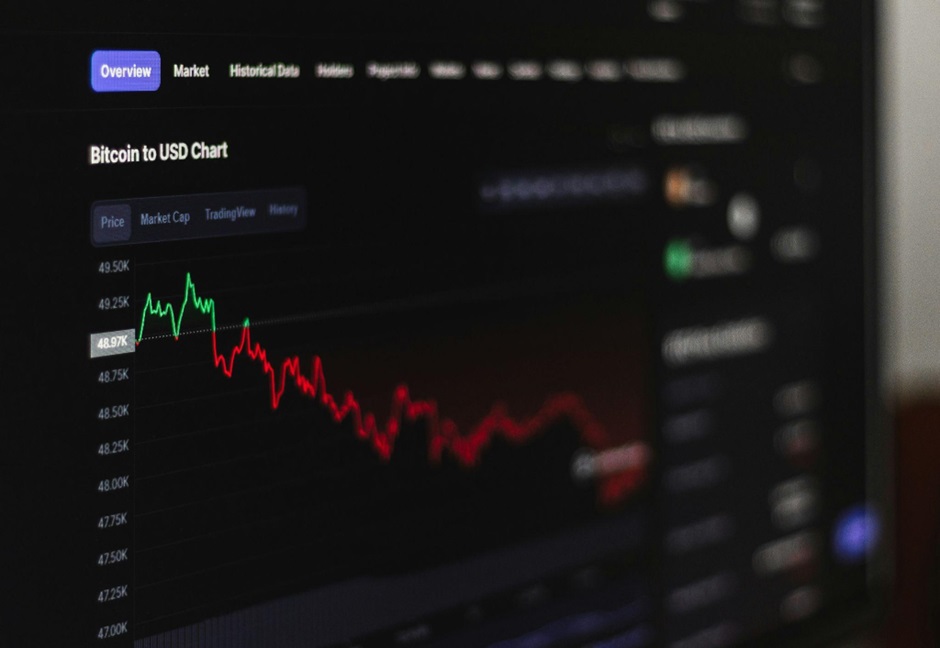
As of mid-August 2026, the total cryptocurrency market cap hovers near $2.2 trillion during a period of noticeable market stagnation. Bitcoin continues to trade between $63,000 and $65,000, struggling against strong resistance due to sluggish US employment figures and an unusually tight connection to the S&P 500. Additionally, US spot Bitcoin ETFs recently experienced $145 million in net outflows, while Ethereum steadily drifts between $1,870 and $1,900.
To top it off, the US Senate delayed its CLARITY Act vote until September. Despite this widespread macro fatigue, one specific project continues to dominate discussions across Telegram, crypto Twitter, and major presale communities: BlockDAG. Investors everywhere are debating whether BlockDAG truly represents the best new crypto presale of 2026 or simply a temporary viral trend.
Understanding the Massive Interest Behind the Project
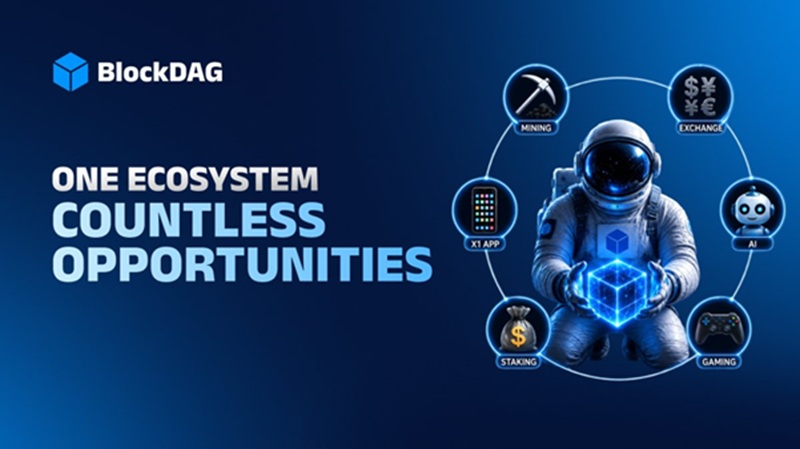
The surge in attention becomes completely clear once enthusiasts examine BlockDAG’s underlying architecture. Instead of relying solely on Proof-of-Work or Proof-of-Stake, the engineering team designed a hybrid PoW-DAG framework. This network combines the time-tested security of Bitcoin’s Proof-of-Work mechanism with a Directed Acyclic Graph layout that handles numerous transaction lanes at the same time rather than sequentially.
This structural innovation explains why analysts frequently highlight BlockDAG as the best new crypto presale in current industry discussions. Standard blockchains usually force developers to choose between speed and security. BlockDAG eliminates this compromise entirely by validating parallel transactions without generating orphan blocks. As a result, the ecosystem achieves 7,000 transactions per second alongside swift 2-second settlement times. Powered by the GhostDAG consensus algorithm, the network also maintains complete compatibility with the Ethereum Virtual Machine, enabling developers to deploy existing smart contracts effortlessly.
Groundbreaking Technology Meets Proven Traction
Unlike typical early-stage projects that rely purely on prospective concepts, BlockDAG presents tangible proof right now. This clear execution separates the project from competitors claiming to be the best new crypto presale on the market. The BlockDAG Casino is already fully operational and has attracted over 13,000 registered players.
While many presales expect early backers to fund unproven ideas, BlockDAG offers a live gaming ecosystem, an active hybrid PoW-DAG network operating at scale, and a rapidly expanding user base before completing its initial fundraising phase.
Examining the Strategic Structure of the Presale
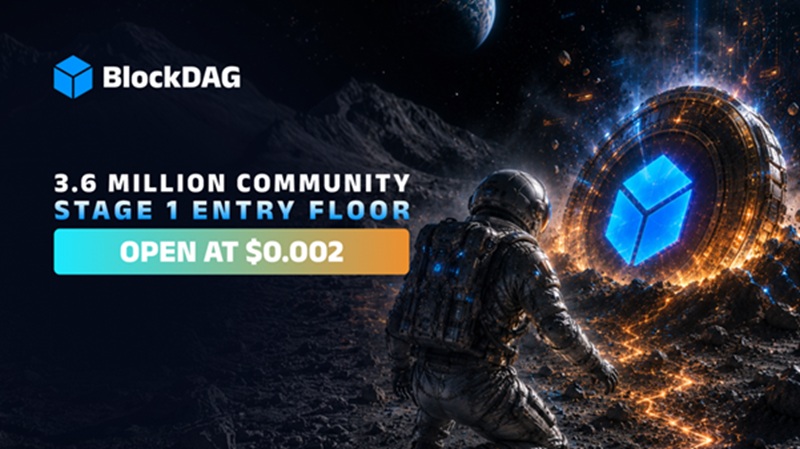
BlockDAG currently offers Stage 1 tokens at $0.002 each, marking the lowest price across its scheduled 25-stage presale. Incremental price increases will occur at every stage, culminating in a final presale price of $0.05 in Stage 25. Following the conclusion of the presale, the team aims to list the coin at an intended reference price of $0.10. While this listing price represents an ambitious target rather than a guaranteed outcome, it features strong support through $100 million in planned launch liquidity backed by presale funds and internal reserves.
This attractive combination of low entry costs, clear stage progression, and robust liquidity backing clarifies why market participants regularly recommend this project as the best new crypto presale to evaluate in August.
Final Thoughts!
Determining whether BlockDAG stands as the best new crypto presale ultimately depends on individual priorities. Investors who value deep technological innovation will appreciate how the hybrid PoW-DAG model disrupts typical Layer-1 clones. Similarly, those who prioritize working utility will value a project that already serves 13,000 active platform users.
Naturally, presale investments still carry inherent market volatility, and the $0.10 listing goal serves as a target rather than a promise. BlockDAG transparently acknowledges these market realities.
Nevertheless, in an uncertain environment where Bitcoin remains restricted and regulatory decisions like the CLARITY Act face delays, BlockDAG continues to build incredible momentum. By combining real tech, active revenue, vibrant community interest, and an unbeatable Stage 1 price point, BlockDAG firmly secures its position as the most talked-about crypto opportunity of the year.
Presale: https://purchase.blockdag.network
Website: https://blockdag.network
Telegram: https://t.me/blockDAGnetworkOfficial
Discord: https://discord.gg/Q7BxghMVyu