For a generation often associated with smartphones, social media, artificial intelligence and digital entertainment, Gen Z is developing an unexpected relationship with activities that seem to belong to another era.
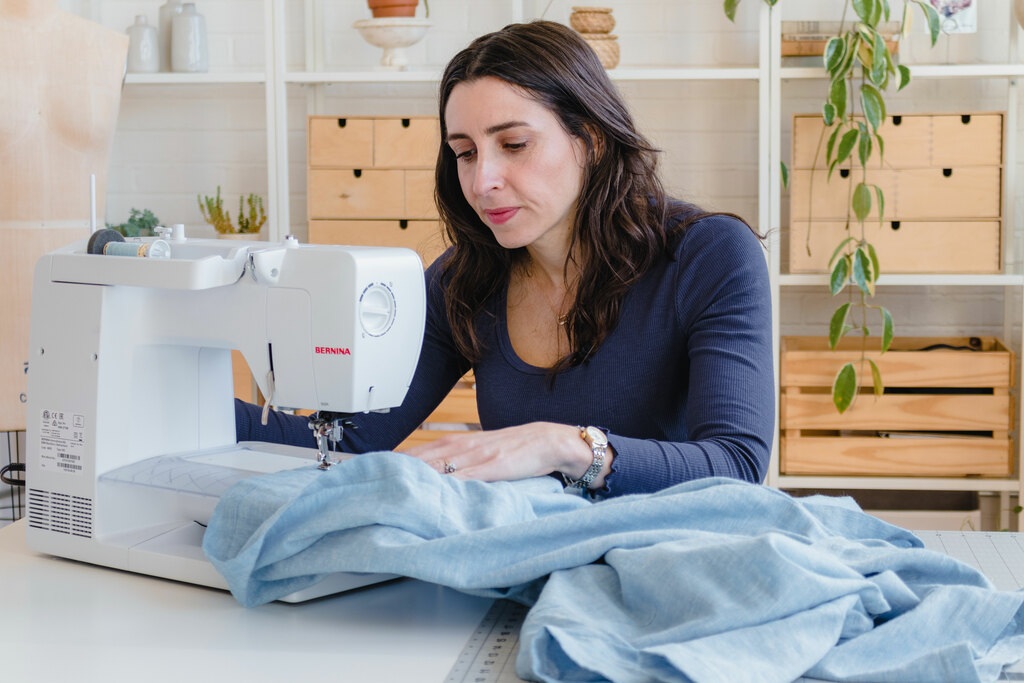
Crochet, knitting, sewing, gardening, baking, journaling, pottery and other traditionally “boomer” hobbies are finding new audiences among younger people. Forget clubbing until sunrise; for many young adults, a quiet evening spent making something by hand is becoming the new form of leisure.
The resurgence of these hobbies is not simply nostalgia. It reflects a deeper reaction to the pressures of modern digital life.
Gen Z has grown up surrounded by screens, notifications and algorithms competing constantly for attention. After spending much of the day consuming digital content, creating something tangible can feel remarkably satisfying.
Crochet, for example, requires concentration, repetition and patience. Unlike scrolling through social media, there is a physical result at the end: a scarf, sweater, bag or blanket that exists because the person made it. There is a powerful psychological attraction to slowing down.
Modern culture often celebrates speed, productivity and constant availability. Traditional hobbies operate differently. A handmade project cannot always be rushed. A complicated crochet pattern may take hours or days to complete. That slower pace can provide a welcome break from the expectation that every moment should be productive or entertaining.
Social media, ironically, has helped fuel this analog revival. Platforms such as TikTok, Instagram and YouTube have transformed traditionally private hobbies into highly shareable experiences. Young creators post crochet tutorials, thrift-flip projects, homemade recipes, embroidery designs and “slow living” routines, making these activities appear fashionable rather than old-fashioned.
A hobby that once seemed outdated can suddenly become a viral trend. Economics also plays a role. Traditional nightlife can be expensive. Tickets, transportation, food and drinks can quickly turn an ordinary night out into a costly experience. By comparison, many hobbies can be started relatively cheaply and enjoyed repeatedly.
Buying yarn and a crochet hook, for instance, can provide hours of entertainment while producing something useful. There is another important factor: authenticity. Gen Z has become increasingly interested in experiences that feel personal and distinctive.
Mass-produced goods are everywhere, but handmade objects carry a sense of individuality. Making one’s own clothing, decorating a room by hand or baking from scratch creates something that cannot be perfectly replicated by an algorithm or factory.
These hobbies can also create community. Crochet circles, craft markets, gardening groups and online maker communities allow people to socialize without the pressure associated with traditional nightlife. The attraction is not necessarily isolation; it is a different kind of connection, one based around shared creativity and participation.
The revival of boomer hobbies therefore represents more than a quirky generational trend. It is a cultural response to an increasingly digital world. Gen Z is not necessarily rejecting technology; instead, young people are rediscovering the value of activities that technology cannot fully replace.
Crochet may look old-fashioned, but its appeal is remarkably contemporary. It offers creativity, mindfulness, community and a visible sense of accomplishment. In a world where so much disappears with a swipe, making something that can be held, worn or kept for years carries a special meaning.
Perhaps the real trend is not Gen Z becoming more like boomers. It is a generation raised in the digital age discovering that sometimes, the most modern form of rebellion is simply putting the phone down and making something with your hands.