

A fresh dispute over Iran’s frozen assets has cast an early shadow over delicate U.S.-Iran negotiations in Islamabad, after Tehran claimed Washington had agreed to release billions of dollars held in foreign banks, only for the White House to swiftly reject the assertion.
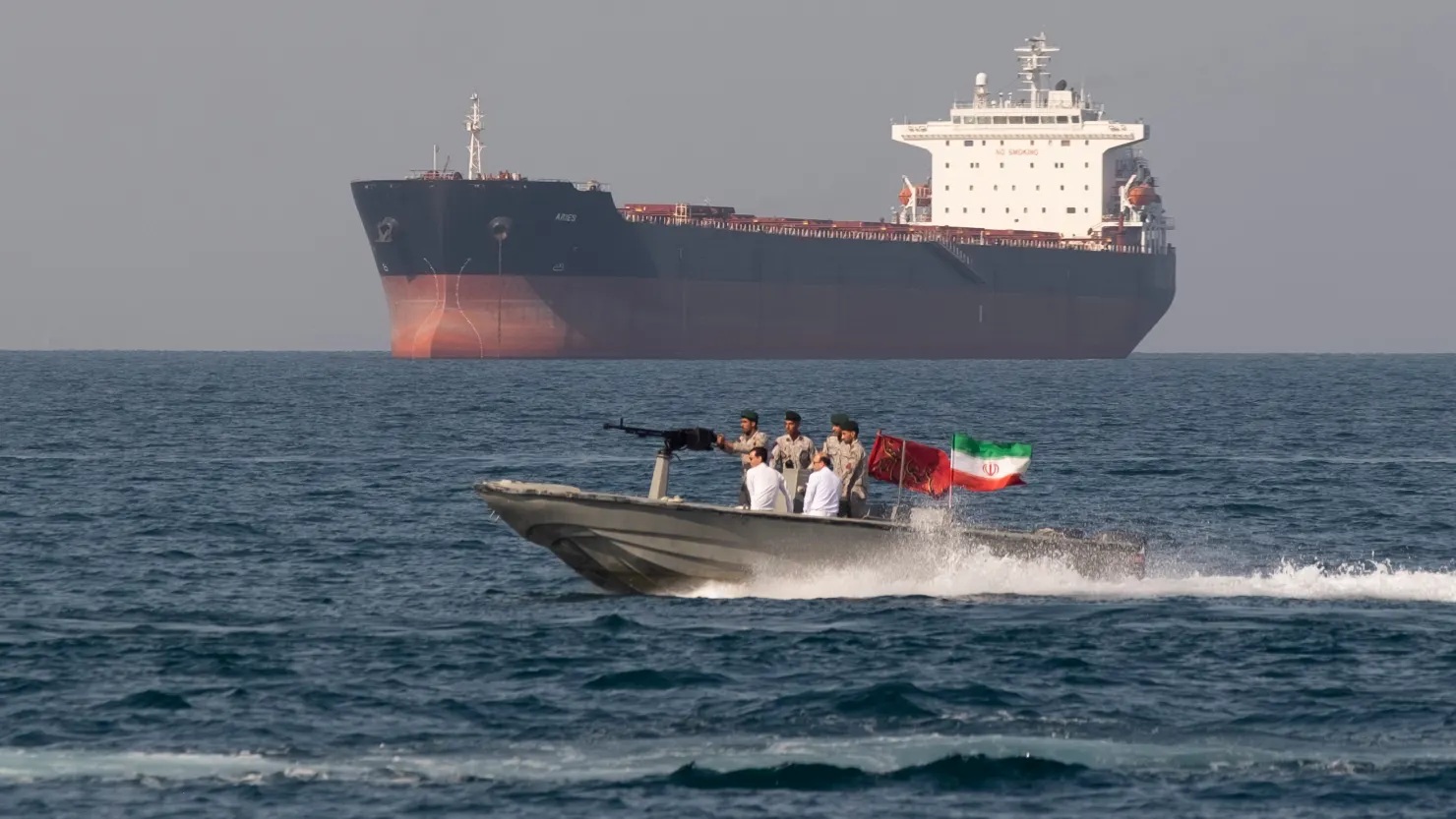
The conflicting narratives underline the fragile nature of the talks and the high stakes surrounding the Strait of Hormuz, a maritime chokepoint critical to global oil flows and central to the current negotiations.
A senior Iranian source told Reuters that the United States had agreed to unfreeze Iranian assets held in Qatar and other foreign banks, describing the move as a sign of Washington’s “seriousness” in pursuing a broader understanding with Tehran. A second Iranian source put the amount at $6 billion.
Register for Tekedia Mini-MBA edition 20 (June 8 – Sept 5, 2026).
Register for Tekedia AI in Business Masterclass.
Join Tekedia Capital Syndicate and co-invest in great global startups.
Register for Tekedia AI Lab.
However, a senior U.S. official flatly denied the report, saying, “False. The meetings have not even started yet.”
That blunt rebuttal immediately turned the issue into more than a dispute over facts. It now raises questions about whether Tehran was attempting to shape leverage ahead of the talks, or whether back-channel understandings exist that Washington is not yet prepared to acknowledge publicly.
The asset largely includes the $6 billion in proceeds from Iranian oil sales to South Korea, funds that have become one of the most politically charged financial issues in U.S.-Iran relations. The money was first frozen in 2018 after President Donald Trump, during his first term, withdrew from the nuclear agreement and reimposed sanctions on Tehran. In 2023, the funds were transferred from South Korean banks to Qatari accounts under a prisoner swap deal mediated by Doha.

That exchange secured the release of five American detainees held in Iran and five Iranians held in the United States. At the time, U.S. officials stressed that the funds were strictly ring-fenced for humanitarian use, limited to payments for food, medicine, medical equipment, and agricultural imports under Treasury supervision.
But following the October 7, 2023, attacks on Israel by Hamas, the Biden administration moved to effectively refreeze access, saying Tehran would not be able to use the money for the foreseeable future.
This history makes the current claim especially significant, as many analysts believe that if the funds are genuinely part of the Islamabad agenda, it would signal that financial sanctions relief is once again being used as a diplomatic bargaining chip.

The Iranian source directly linked any asset release to safe passage through the Strait of Hormuz, indicating that Tehran may be tying financial concessions to maritime guarantees.
The Strait of Hormuz handles a substantial share of global seaborne crude exports, making it one of the most sensitive energy corridors in the world. Any suggestion that progress on shipping access could emerge from the talks will be graciously welcomed by oil traders, insurers, and central banks already grappling with elevated energy prices.
Even the perception of progress can move markets that have been under the strain of the conflict. A credible reopening or stabilization of passage through Hormuz could ease pressure on crude benchmarks and shipping premiums. Conversely, public contradictions between Tehran and Washington risk reinforcing uncertainty and keeping a geopolitical premium embedded in oil prices.
Diplomatically, the episode also exposes a persistent trust deficit. Iran appears to be signaling that sanctions relief and access to frozen assets are essential preconditions for any durable arrangement. Washington, by contrast, is publicly maintaining that no such concession has been made.
This disconnect may become one of the first major tests of whether the Islamabad channel can produce a meaningful de-escalation framework or simply serve as a forum for posturing. Some believe that it could be serving another purpose: Publicizing a claim of U.S. flexibility may help Tehran project negotiating momentum to domestic and regional audiences, while the denial may be intended to preserve bargaining leverage and avoid the appearance of making concessions before formal talks begin.
Either way, the contradiction itself is now part of the story. But at this stage, however, no release of funds has been officially confirmed by the United States or Qatar, and the status of the $6 billion remains unresolved.