

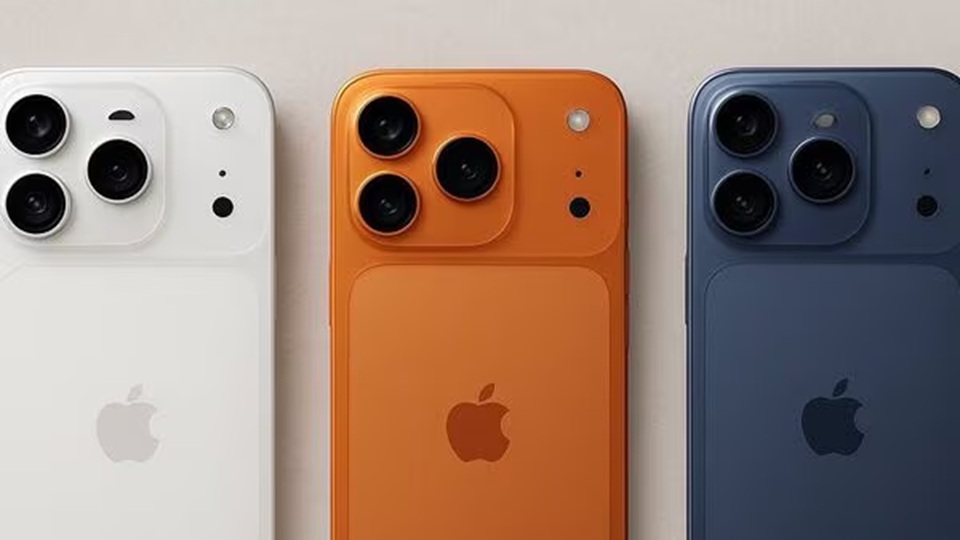
Apple is on track to ship more smartphones than Samsung in 2025, marking the first time in 14 years the iPhone maker will displace its long-time rival at the top of the global market, according to new data from Counterpoint Research.
The research firm told CNBC that Apple is projected to ship around 243 million iPhones this year, compared with Samsung’s expected 235 million shipments. That places Apple at an estimated 19.4% share of the global smartphone market, ahead of Samsung’s 18.7%.
While shipments don’t directly equate to sales, they remain a core indicator of how smartphone vendors measure demand and gauge expected retail performance across regions.
Register for Tekedia Mini-MBA edition 20 (June 8 – Sept 5, 2026).
Register for Tekedia AI in Business Masterclass.
Join Tekedia Capital Syndicate and co-invest in great global startups.
Register for Tekedia AI Lab.
The shift is being driven by the momentum behind Apple’s latest flagship lineup. Counterpoint said the iPhone 17 series — launched in September — delivered a “bumper” holiday season, outpacing expectations and helping lift Apple’s shipment outlook for the year.
In the United States, sales of the iPhone 17 series, including the iPhone Air, were 12% higher during the first four weeks after launch when compared with the iPhone 16 series, excluding the iPhone 16e. In China, which remains one of Apple’s most strategically important markets, sales of the iPhone 17 lineup were 18% higher than its predecessor during the same four-week window.
Counterpoint Research Senior Analyst Yang Wang said the strong reception for the iPhone 17 series is only part of the story. He highlighted an industry-wide shift as the primary driver behind the boost in Apple’s shipment forecast.

“Beyond the highly positive market reception for the iPhone 17 series, the key driver behind the upgraded shipment outlook lies in the replacement cycle reaching its inflection point. Consumers who purchased smartphones during the COVID-19 boom are now entering their upgrade phase,” Wang said.
Samsung, meanwhile, faces a tougher landscape. Counterpoint noted that Chinese manufacturers are applying pressure in the low-to-mid-tier segments of the market, making it harder for the South Korean company to reclaim the top spot. That competition is particularly intense in regions where value-priced Android devices continue to outsell premium phones.
Long-term advantage for Apple
Looking further ahead, Counterpoint Research forecasts that Apple will maintain the number-one position through 2029. The firm points to several structural advantages underpinning Apple’s long-term dominance.

One key factor is the vast second-hand market for iPhones. Counterpoint noted that about 358 million second-hand iPhones were sold between 2023 and the second quarter of 2025. Many of those users remain locked into Apple’s ecosystem and are likely to upgrade to brand-new models in the coming years, maintaining a steady demand pipeline.
Apple has also benefited from external and macroeconomic factors. The company experienced a lower-than-expected impact from tariffs under the existing U.S.–China trade truce, which helped stabilize its supply chain. Meanwhile, growth in emerging markets and a weaker U.S. dollar supported demand for iPhones during periods when other premium smartphone brands faced slower consumer spending.
“With these structural tailwinds, Apple is well-positioned to surpass Samsung in annual shipments in 2025,” Wang said.
Counterpoint added that Apple’s product roadmap could help preserve its lead through the decade. The firm expects Apple to launch the entry-level iPhone 17e in 2026, alongside a foldable iPhone that would allow the company to compete directly with foldable-focused brands such as Samsung and Huawei.
The research firm also pointed to ongoing improvements to Apple’s virtual assistant Siri and said a major iPhone design overhaul is expected in 2027 — changes that could reinvigorate demand across regions.
Apple’s strategy now includes widening price tiers to reach more consumers. Apple aims to strengthen its grip on the lower premium smartphone segment — an area projected to grow faster than the broader market- by expanding the “e” series, adjusting the launch cadence for its Pro and base models, and tailoring devices for aspirational buyers in emerging markets.
“Given an increasing preference for the iOS ecosystem, compatibility between devices and a substantial number of older models within Apple’s installed base due for renewal, Apple will retain the lead over other smartphone OEMs through the end of the decade,” Counterpoint said.