

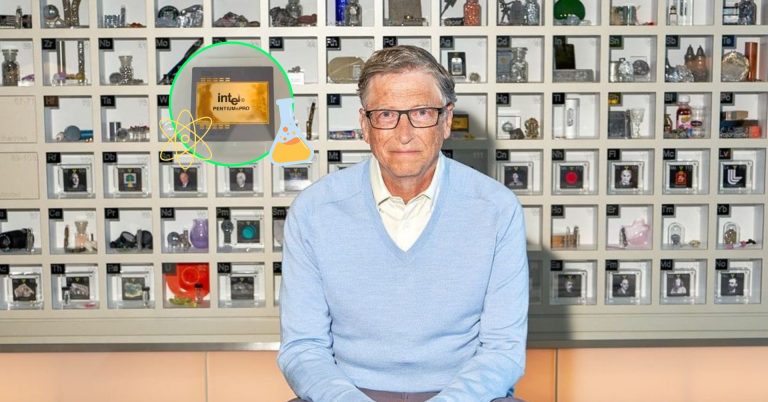
Billionaire Microsoft co-founder Bill Gates says the ability to use AI tools is both “fun and empowering” and encourages Gen Z to embrace them early.
But whether that adoption will be enough to shield graduates from the pace of workplace disruption remains unclear — a disruption that Gates himself warns could lead to significant job dislocation. His stance places him among a growing list of tech leaders, including Tesla’s Elon Musk and OpenAI’s Sam Altman, who have acknowledged that AI’s rapid evolution could threaten millions of jobs worldwide.
So his advice for recent graduates is: Embrace AI tools, but don’t expect any stability when it comes to the job search.
Register for Tekedia Mini-MBA edition 20 (June 8 – Sept 5, 2026).
Register for Tekedia AI in Business Masterclass.
Join Tekedia Capital Syndicate and co-invest in great global startups.
Register for Tekedia AI Lab.
Gates told CNN that smart systems have generally unearthed opportunities that are “fun and empowering.” However, he cautioned that this does not mean ambitious college graduates will land their dream jobs simply by using AI; the market remains challenging even for those fluent in these tools.
“Embracing [AI], and tracking it, will be very, very important,” Gates said. “That doesn’t guarantee we’re not going to have a lot of dislocation.”
He added that his advice to young people remains unchanged: “Be curious, read, and use the latest tools.”

AI has shaken up entry-level careers
Gen Z is increasingly burned out from job hunting before even getting started. Frustrated applicants have lamented on TikTok about the flood of rejection emails they have received from companies and voiced fears that the job market feels broken. Data supports their concern: Entry-level job postings in the U.S. have fallen by about 35% since January 2023, with positions most easily automated by AI seeing the steepest declines.
A recent survey found 49% of U.S. Gen Z job hunters believe AI has reduced the value of their degrees. The unemployment rate for recent college graduates climbed above 6% in the 12 months ending in May, compared to a national average of around 4%.
This shift is already visible in corporate hiring. At global investment firm Carlyle, tasks once handled by entry-level analysts, such as combing Google for articles or requesting documents, are now performed by AI. The firm has shifted toward hiring junior-level staff who can verify and refine machine-generated work.

Some CEOs have altered their approach entirely. Bill Balderaz, CEO of Columbus-based consulting firm Futurety, told the Wall Street Journal he chose not to hire a summer intern this year, running social media copy through ChatGPT instead.
How Gen Z is positioning itself
For many entering the workforce, the job market is evolving. Much like investors gravitate toward Treasury bonds during economic uncertainty, younger workers are increasingly turning toward blue-collar jobs and roles grounded in human connection, creativity, and physical skill — sectors that are harder to automate.
A recent survey of 1,000 Gen Z workers showed 53% are now gravitating toward skilled trades such as construction, plumbing, and electrical work. Elevator installation jobs, for example, can pay six figures without requiring a college degree. Other sought-after fields include healthcare, education, and social work.
Not the first technological disruption
Gates’ comments echo earlier periods of technological upheaval. In the 1980s, the personal computer revolution created excitement but also anxiety as clerical and administrative roles began to vanish. In the 1990s, the internet brought unprecedented connectivity — and the rapid collapse of entire job categories, from travel agents to print media staff. Similarly, the early 2000s saw automation in manufacturing displace millions of factory jobs worldwide.
In each case, new industries emerged, but the transition was rarely smooth, especially for young job seekers entering the market during these shifts. Gates’ emphasis on curiosity and adaptability reflects lessons from those eras: those who adopted new tools early often navigated the changes more successfully, but not without volatility and career detours.
Now, with AI accelerating at a pace even faster than those previous revolutions, the challenge for Gen Z is to find roles where human skills remain irreplaceable — and to adapt quickly as those boundaries shift.