

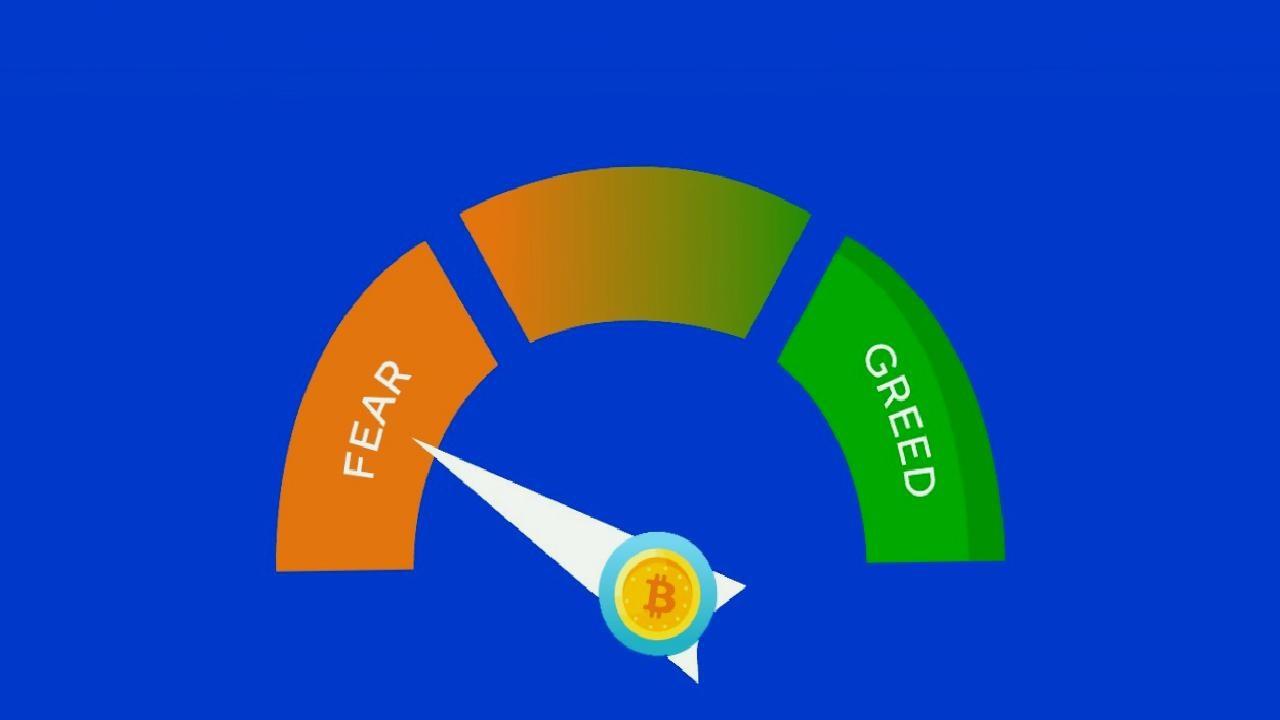
The Crypto Fear & Greed Index is hovering in “Extreme Fear” territory right now, with a score of 11 out of 100 as of the latest daily update.
This is down from 14 yesterday, 26 last week, and 29 last month, signaling a sharp slide in market sentiment over recent weeks. This popular gauge from Alternative.me aggregates factors like volatility, market momentum, social media buzz.
Bitcoin dominance, and Google Trends to score overall investor emotion on a scale from 0 Extreme Fear to 100 Extreme Greed. Panic selling; potential undervaluation and buying opportunities for contrarians.
Caution prevails; prices may stabilize or dip further. Balanced sentiment; sideways trading likely. Optimism building; risk of overbuying. Euphoria; often precedes corrections or bubbles.
Register for Tekedia Mini-MBA edition 20 (June 8 – Sept 5, 2026).
Register for Tekedia AI in Business Masterclass.
Join Tekedia Capital Syndicate and co-invest in great global startups.
Register for Tekedia AI Lab.
At 11, we’re in full-blown panic mode—think of it as the market equivalent of hiding under the covers during a storm. Historically, extreme fear levels like this have preceded some of crypto’s biggest rebounds, as fear tends to overshoot rational pricing.
This marks a continued slide from 14 yesterday, 26 last week, and 29 last month, reflecting heightened panic amid a broader market crash that saw Bitcoin plunge below $93,000—erasing year-to-date gains and triggering massive liquidations.
Key drivers include elevated volatility Bitcoin’s drawdowns spiking, subdued trading volumes signaling weak momentum, rising Bitcoin dominance as investors flock to the “safer” asset, and surging Google Trends for fear-laden searches like “Bitcoin crash.”

Social media sentiment is also tanking, with Twitter interactions dominated by doom-scrolling rather than hype. This isn’t isolated—November 2025 has been brutal for crypto, fueled by the Fed’s refusal to cut rates amid sticky inflation, geopolitical tensions, and a risk-off exodus from high-beta assets like altcoins.
Liquidations have surged, wiping out leveraged longs and amplifying the fear spiral. Extreme Fear readings like this the lowest since the COVID meltdown historically signal capitulation: investors are dumping assets irrationally, often overshooting fair value and creating undervaluation.
Panic selling exhausts weak hands, paving the way for stabilization and rebounds as sentiment normalizes. Post-2022 FTX crash: Index hit 10, Bitcoin rallied 300%+ in the following year.

Undervaluation Opportunities; Assets trade at discounts to fundamentals, attracting value hunters. 2020 COVID dip: Extreme Fear at 5 led to a bull run multiplying prices 10x.
Short-term swings intensify, but long-term trends often reverse upward. 2018 bear market: Lows around 12 preceded the 2021 boom. While retail panics, big players accumulate—e.g., institutions scooped up $24B in Bitcoin dips this month despite the fear gauge.
ETFs like BlackRock’s IBIT added holdings during similar 2023 fear episodes. If macro headwinds worsen (e.g., no rate cuts), fear could deepen, pushing Bitcoin toward $80K. Prolonged 2022 fear led to 70%+ drawdowns before recovery.
In essence, this level quantifies herd behavior gone haywire—contrary to Warren Buffett’s adage: “Be fearful when others are greedy, and greedy when others are fearful.”
It doesn’t predict prices but highlights emotional extremes that can inform rebalancing: extreme fear often precedes growth spurts as markets mean-revert.
The index acts as a sentiment thermometer, nudging decisions toward contrarianism rather than FOMO. It won’t dictate buys/sells but helps calibrate risk. Tailor based on your horizon and tolerance—remember, this isn’t advice; DYOR and consider diversification.
Extreme Fear screams “bargain basement.” History shows 80%+ of such readings lead to 50%+ rallies within 6 months. Institutions are already loading up—join if conviction holds.
Tight Risk Management / Wait for Signals: Prioritize stops and avoid leverage—volatility could spike further. Use the index to time entries (e.g., buy on fear spikes above 20) or short if it stays pinned low.
Avoid knee-jerk sells; DCA into dips to average down without timing the bottom. Rebalance portfolios toward stables if fear persists. View this as a “capitulation signal”—scour for undervalued alts or BTC. Tools like on-chain metrics confirm exhaustion.
In 2025’s choppy waters, this fear could be the setup for 2026’s greed-fueled surge, but only if catalysts like rate cuts or ETF approvals materialize. For context, Bitcoin dipped below $90K recently amid broader economic jitters, but contrarian voices on X are buzzing about this as a “capitulation signal.