

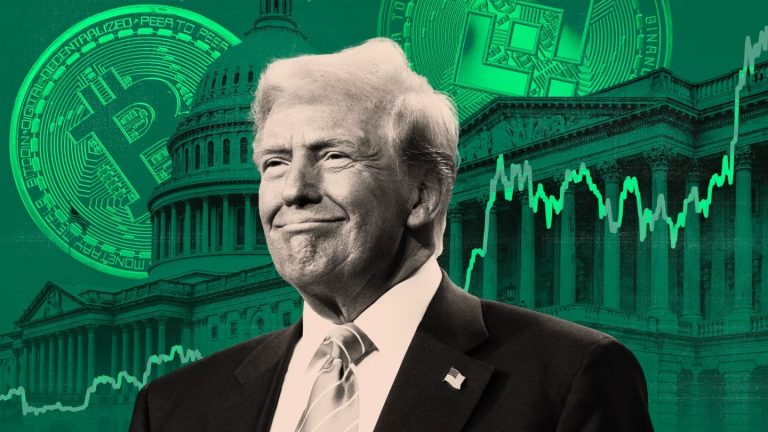
The cryptocurrency industry’s significant influence on the 2024 U.S. elections marked a pivotal moment in American politics, reflecting its growing financial clout and strategic mobilization. Here’s how crypto “won” the 2024 elections, based on its unprecedented investment, targeted political strategies, and the resulting outcomes.
The crypto industry emerged as a financial juggernaut in the 2024 election cycle, pouring substantial sums into political campaigns. Crypto-backed super PACs, notably Fairshake and its affiliates, spent over $130 million supporting pro-crypto candidates across congressional races. This figure represented nearly half of all corporate contributions to the election, making crypto one of the largest corporate donors, rivaled only by traditional heavyweights like the fossil fuel industry.
Major players such as Coinbase and Ripple, facing regulatory scrutiny themselves, contributed tens of millions—Coinbase alone donated $50 million to Fairshake—while individual billionaires like Marc Andreessen and Ben Horowitz added millions more to pro-Trump super PACs. This financial firepower dwarfed previous election cycles and underscored the industry’s determination to shape policy in its favor.
Register for Tekedia Mini-MBA edition 20 (June 8 – Sept 5, 2026).
Register for Tekedia AI in Business Masterclass.
Join Tekedia Capital Syndicate and co-invest in great global startups.
Register for Tekedia AI Lab.
Strategically, the crypto industry targeted key races to maximize its influence. In Ohio, Fairshake invested $40 million in ads supporting Republican Bernie Moreno, defeating incumbent Senator Sherrod Brown, a vocal crypto critic and chair of the Senate Banking Committee. This victory signaled to lawmakers that the industry could end political careers.
Across the country, crypto PACs backed 48 candidates, reportedly achieving a perfect success rate with all winning their races. Stand With Crypto reported that 274 pro-crypto candidates secured House seats and 20 won Senate seats, creating what industry leaders called the “most crypto-friendly Congress” ever.
The industry also capitalized on Donald Trump’s presidential campaign, which embraced crypto with promises to make the U.S. the “crypto capital of the planet,” fire SEC Chair Gary Gensler (a regulatory nemesis), and establish a national Bitcoin stockpile. Trump’s shift from calling Bitcoin a “scam” in 2021 to accepting crypto donations and launching his own platform, World Liberty Financial, resonated with the industry’s goals.

Crypto’s influence extended beyond money to voter mobilization and narrative control. Polling from Paradigm and Stand With Crypto suggested a “crypto voter” demographic—often young, tech-savvy, and distrustful of institutions—played a role, with half reportedly leaning Republican and contributing to Trump’s narrow popular vote win (76.8 million votes, under 50%). While only about 7% of Americans held crypto in 2023 per a Federal Reserve survey, the industry amplified its presence through ad campaigns that avoided overt crypto mentions but targeted candidates’ broader appeal, ensuring wider voter reach.
Blockchain-based prediction markets like Polymarket, which saw 80% of its volume tied to election wagers, further shaped public sentiment, gaining mainstream media traction. The outcome was a political landscape primed for crypto-friendly policies. Trump’s victory, coupled with a potential Republican Congress, promised an administration sympathetic to the industry’s calls for regulatory clarity and reduced SEC oversight.
The House had already passed the FIT21 bill in May 2024 with bipartisan support, shifting some regulatory power to the Commodity Futures Trading Commission—a framework the industry favored. Post-election, crypto leaders like Digital Chamber’s Cody Carbone hailed it as “massive,” anticipating reforms aligning with their “wish list,” such as limiting SEC authority and legitimizing digital assets in the financial system.

However, the win wasn’t absolute. Critics, including consumer advocates and figures like ex-SEC official John Reed Stark, warned of risks to consumers from a deregulated crypto space prone to fraud and illicit activity. Some industry insiders cautioned that expectations of immediate, sweeping change might overestimate political realities, given ongoing SEC lawsuits and potential Senate resistance. Still, the 2024 elections demonstrated crypto’s ability to flex financial muscle, sway key races, and align itself with a winning presidential candidate, cementing its status as a formidable political force.