

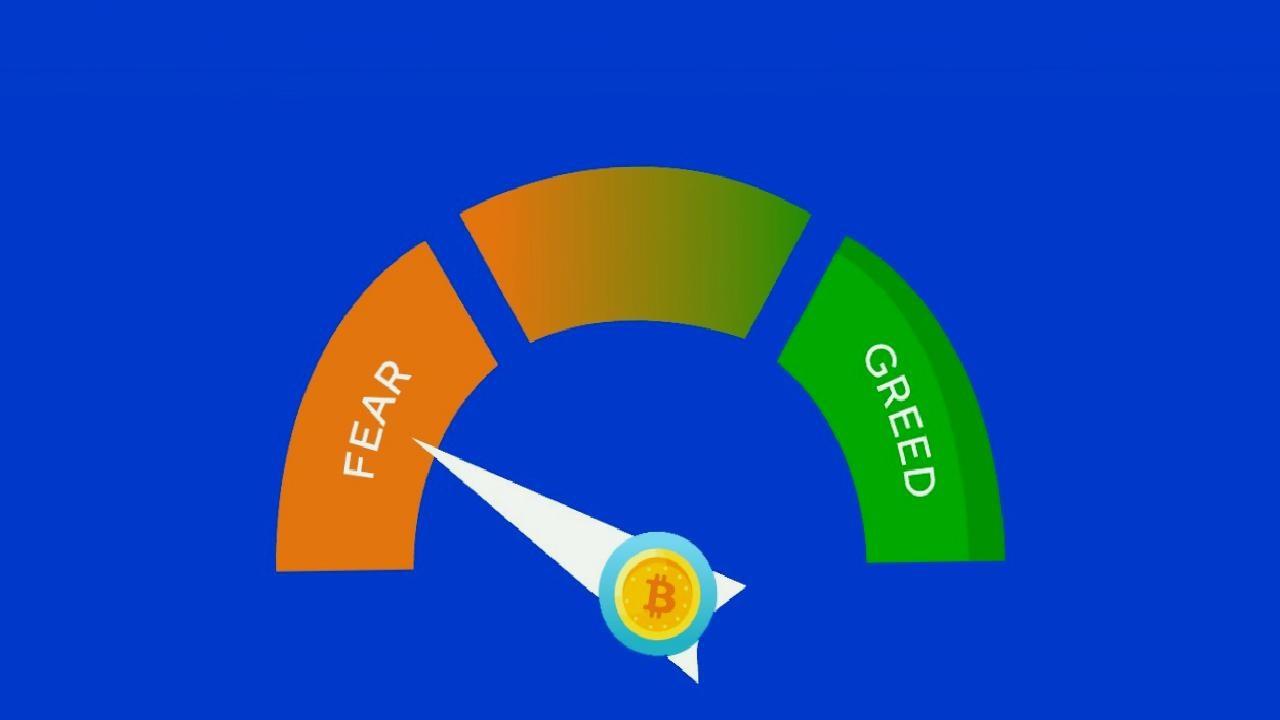
Oil price volatility has been a dominant driver of the current extreme fear in markets. It stems primarily from the ongoing U.S.-Iran conflict, which has disrupted shipping through the Strait of Hormuz — the chokepoint for roughly 20% of global oil and significant LNG flows.
Brent crude recently traded around $107–$112 per barrel, with daily swings of 7–11% in volatile sessions. It has spiked sharply from pre-conflict levels near $60–$70 earlier in the year. WTI (U.S. benchmark): Hovering near $105–$112, with similar explosive moves. Prices briefly approached or exceeded $110–$120 in March amid fears of prolonged disruption, before partial pullbacks on de-escalation hopes — only to rebound on renewed threats.
This marks one of the largest supply shocks in modern history, with the International Energy Agency noting disruptions equivalent to losing millions of barrels per day. Iran-linked actions have effectively curtailed flows through the Strait of Hormuz, stranding exports and damaging infrastructure in the region.
Even partial blockades create massive uncertainty, as rerouting or alternatives like U.S. shale ramp-up can’t fully offset the volume quickly. Statements from leaders cause sharp intraday reversals. Implied volatility in oil options has hit extreme levels, far above typical readings. Pre-conflict forecasts were bearish, making the surge even more jarring.
Register for Tekedia Mini-MBA edition 20 (June 8 – Sept 5, 2026).
Register for Tekedia AI in Business Masterclass.
Join Tekedia Capital Syndicate and co-invest in great global startups.
Register for Tekedia AI Lab.
High and volatile oil acts as a tax on the economy: Inflation pass-through: Energy costs feed into transportation, manufacturing, and consumer goods. U.S. gasoline has climbed above $4/gallon nationally with regional spikes higher, hitting household budgets and potentially curbing spending. Non-energy sectors; industrials, consumer discretionary, airlines face higher input costs.
Energy companies benefit; sector has outperformed but the broader market weighs the net drag. Sustained $100+ oil historically correlates with slower GDP and, in extremes, recession risks. Analysts note every major U.S. recession was preceded by oil spikes. The S&P 500 has shown a strong inverse correlation with oil moves recently — tracking crude tick by tick at times.
Recent pressure contributed to the Dow’s ~0.8% drop and S&P choppiness you mentioned, alongside the Q1 pullback of ~4–5%. Volatility (VIX) has risen, amplifying moves. U.S. energy independence now a net exporter cushions the blow compared to Europe/Asia, but global pricing still transmits pain. Extreme fear readings often reflect this priced-in pessimism, which can set up contrarian bounces if news improves.

Normally, geopolitical turmoil + higher oil boosts gold: Inflation ? higher rates and dollar: Oil-driven price pressures reduce expectations for Fed rate cuts or even raise higher for longer bets. Stronger U.S. dollar and rising yields make non-yielding gold less attractive. Markets prioritize dollar cash amid uncertainty, especially as the U.S. is relatively insulated versus import-heavy regions.
Gold has pulled back sharply even as safe-haven demand should theoretically rise. It’s behaving more like a risk asset in this specific shock. Low-volume holiday periods can exaggerate moves in futures or overseas trading. Any de-escalation signals could ease oil quickly; renewed escalation risks fresh spikes.
If disruptions persist weeks and months, prices could test higher; $150–$200 scenarios floated in extremes, though improbable. This would amplify inflation, squeeze consumers, and pressure equities further. Quick resolution might see oil normalize toward $70–$90, relieving pressure. Energy stocks have rallied; broader diversification or defensives; utilities, staples may help. Volatility creates both risk and potential entry points when sentiment bottoms.
Oil shocks are classic supply-side events where central banks have limited tools — they can fight demand-driven inflation but not easily fix disrupted flows. This dynamic explains much of the current risk-off mood.
