

A UK study finds sleep problems at age 14 are directly linked to self-harm by 17, highlighting sleep as a key factor in teen mental health and prevention.

Quote from Alex Bobby on August 22, 2025, 5:07 AM
Study Finds Link Between Teen Sleep Problems at 14 and Self-Harm by 17
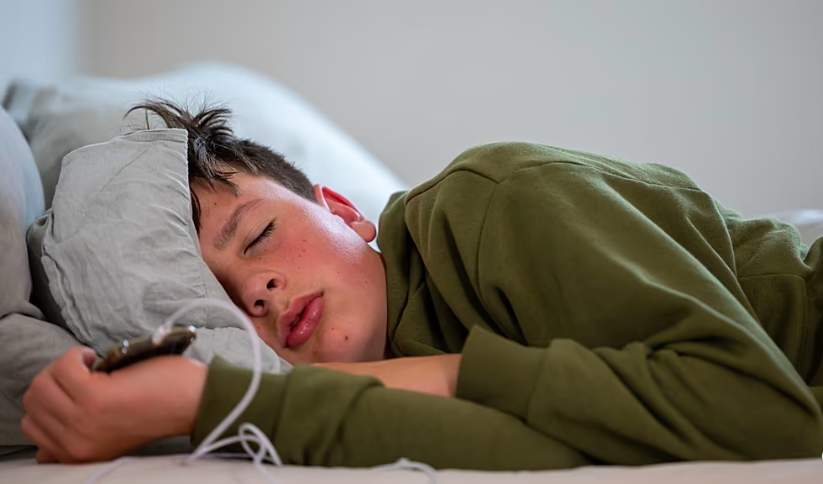
A new UK study has revealed a troubling connection between sleep problems in young teenagers and an increased risk of self-harm by the time they reach 17. The research, published in the Journal of Child Psychology and Psychiatry, suggests that poor sleep at age 14 is directly associated with self-harming behaviour, both at that age and three years later.
The findings highlight the importance of sleep as a key factor in adolescent mental health and underscore the urgent need for better prevention strategies, both at home and in schools.
The Study at a Glance
The large-scale study followed more than 10,000 participants in the UK, starting when they were 14 years old. Teens were asked about their sleep patterns, including how long they typically slept on school nights, how quickly they were able to fall asleep, and how often they woke up during the night.
At the same time, researchers asked whether the teens had ever deliberately hurt or injured themselves. Three years later, at age 17, the same participants were surveyed again to measure whether their sleep habits and self-harming behaviours had changed.
The results revealed a clear link: teenagers who reported insufficient or poor-quality sleep at 14 were significantly more likely to report self-harm at both 14 and 17.
Why Sleep Matters for Teen Mental Health
Adolescence is a period of major physical, emotional, and neurological development. Adequate sleep is essential to support healthy brain function, decision-making, and emotional regulation. Yet, for many teenagers, sleep is often disrupted by academic stress, social media, or irregular daily routines.
According to the American Academy of Sleep Medicine, teens aged 13 to 18 should get between eight and ten hours of sleep each night. However, studies suggest that many fall well short of this recommendation. A 2020 review found that only 32% of teenagers in Poland met sleep recommendations on school days, compared with 86.3% in the Flemish part of Belgium.
Nicole Tang, one of the study’s authors and a clinical and health psychologist at the University of Warwick, emphasised the urgency of the findings:
“Self-harm is one of the leading causes of death among adolescents and young adults. Knowing that poor and fragmented sleep is often a marker preceding or co-occurring with suicidal thoughts and behaviour, it gives us a useful focus for risk monitoring and early prevention.”
A Closer Look at the Findings
The study found that certain types of sleep problems had a stronger impact on self-harm risk. Teens who struggled to fall asleep, who frequently woke during the night, or who consistently got less sleep on school nights were all more likely to report self-harm later on.
Importantly, these risks remained even after researchers controlled for other known factors such as age, sex, socioeconomic status, depression, and prior self-harming behaviour. This suggests that sleep plays a unique and independent role in shaping mental health outcomes for teenagers.
While researchers initially tested whether poor sleep might impair decision-making — potentially increasing the risk of self-harm — this theory did not hold up in their data. The exact mechanisms remain unclear, but what is clear is that sleep is a “modifiable risk factor,” one that can be improved with targeted interventions.
Sleep as a Modifiable Risk Factor
Unlike some risk factors for self-harm, such as family history or socioeconomic background, sleep is something that can be improved with the right strategies. This makes the study’s findings especially promising.
Michaela Pawley, one of the study’s authors and a psychology researcher at the University of Warwick, noted:
“While this is clearly an unfavourable relationship … we can actually do something about it. If the link between sleep and self-harm holds true and with well-placed interventions in schools and homes, there is a lot we can do to turn the tide.”
Improving sleep hygiene among teens could include:
- Encouraging consistent sleep schedules – going to bed and waking up at the same time every day.
- Limiting screen time before bed – reducing blue light exposure from phones and tablets that can delay sleep onset.
- Creating restful environments – ensuring bedrooms are quiet, dark, and comfortable.
- Educating parents and teachers – raising awareness about the importance of adolescent sleep and how to spot warning signs of poor sleep.
Wider Implications for Public Health
The study’s findings come at a time when both sleep deficiency and self-harm among young people are growing concerns across Europe and beyond. In the UK, self-harm remains one of the leading causes of emergency hospital admissions for teenagers, while poor sleep has been identified as a driver of declining mental health in this age group.
Public health campaigns have begun to focus on sleep as a critical aspect of wellbeing, but today’s teens often face unique challenges. Academic pressure, 24/7 connectivity, and social media engagement often mean that sleep is sacrificed. This new study reinforces the idea that these seemingly small nightly choices can have serious, long-term consequences.
Looking Forward
The research linking poor sleep at 14 to self-harm by 17 provides a valuable direction for future public health efforts. By treating sleep as a core component of adolescent wellbeing, schools, families, and healthcare providers can work together to identify at-risk teenagers earlier and provide meaningful support.
Practical interventions, such as later school start times, mental health education, and family-based sleep routines, could make a measurable difference. Further studies may also explore whether improving sleep quality directly lowers self-harm rates over time, paving the way for evidence-based prevention strategies.
Ultimately, this research reinforces the idea that sleep is not a luxury for teenagers, but a necessity. By prioritising it, society can take an important step toward reducing the burden of self-harm and ensuring healthier, more resilient generations to come.
Conclusion and Final Thoughts
The direct link between teenage sleep problems and self-harm identified in this study is a wake-up call for parents, educators, and policymakers. While the findings are troubling, they also point to an opportunity: by prioritising sleep in adolescence, we may be able to significantly reduce the risk of self-harm and promote better mental health outcomes.
Sleep is not just a nightly routine — it is a cornerstone of physical and emotional resilience. For teenagers navigating one of the most challenging phases of life, ensuring enough quality rest may be one of the simplest and most effective tools for safeguarding their future wellbeing.
As researchers continue to explore the mechanisms behind this link, one message is already clear: improving teenage sleep isn’t just about better grades or alertness in class — it could be lifesaving.
Study Finds Link Between Teen Sleep Problems at 14 and Self-Harm by 17
A new UK study has revealed a troubling connection between sleep problems in young teenagers and an increased risk of self-harm by the time they reach 17. The research, published in the Journal of Child Psychology and Psychiatry, suggests that poor sleep at age 14 is directly associated with self-harming behaviour, both at that age and three years later.
The findings highlight the importance of sleep as a key factor in adolescent mental health and underscore the urgent need for better prevention strategies, both at home and in schools.
Register for Tekedia Mini-MBA edition 20 (June 8 – Sept 5, 2026).
Register for Tekedia AI in Business Masterclass.
Join Tekedia Capital Syndicate and co-invest in great global startups.
Register for Tekedia AI Lab.
The Study at a Glance
The large-scale study followed more than 10,000 participants in the UK, starting when they were 14 years old. Teens were asked about their sleep patterns, including how long they typically slept on school nights, how quickly they were able to fall asleep, and how often they woke up during the night.
At the same time, researchers asked whether the teens had ever deliberately hurt or injured themselves. Three years later, at age 17, the same participants were surveyed again to measure whether their sleep habits and self-harming behaviours had changed.

The results revealed a clear link: teenagers who reported insufficient or poor-quality sleep at 14 were significantly more likely to report self-harm at both 14 and 17.
Why Sleep Matters for Teen Mental Health
Adolescence is a period of major physical, emotional, and neurological development. Adequate sleep is essential to support healthy brain function, decision-making, and emotional regulation. Yet, for many teenagers, sleep is often disrupted by academic stress, social media, or irregular daily routines.

According to the American Academy of Sleep Medicine, teens aged 13 to 18 should get between eight and ten hours of sleep each night. However, studies suggest that many fall well short of this recommendation. A 2020 review found that only 32% of teenagers in Poland met sleep recommendations on school days, compared with 86.3% in the Flemish part of Belgium.
Nicole Tang, one of the study’s authors and a clinical and health psychologist at the University of Warwick, emphasised the urgency of the findings:
“Self-harm is one of the leading causes of death among adolescents and young adults. Knowing that poor and fragmented sleep is often a marker preceding or co-occurring with suicidal thoughts and behaviour, it gives us a useful focus for risk monitoring and early prevention.”
A Closer Look at the Findings
The study found that certain types of sleep problems had a stronger impact on self-harm risk. Teens who struggled to fall asleep, who frequently woke during the night, or who consistently got less sleep on school nights were all more likely to report self-harm later on.
Importantly, these risks remained even after researchers controlled for other known factors such as age, sex, socioeconomic status, depression, and prior self-harming behaviour. This suggests that sleep plays a unique and independent role in shaping mental health outcomes for teenagers.
While researchers initially tested whether poor sleep might impair decision-making — potentially increasing the risk of self-harm — this theory did not hold up in their data. The exact mechanisms remain unclear, but what is clear is that sleep is a “modifiable risk factor,” one that can be improved with targeted interventions.
Sleep as a Modifiable Risk Factor
Unlike some risk factors for self-harm, such as family history or socioeconomic background, sleep is something that can be improved with the right strategies. This makes the study’s findings especially promising.
Michaela Pawley, one of the study’s authors and a psychology researcher at the University of Warwick, noted:
“While this is clearly an unfavourable relationship … we can actually do something about it. If the link between sleep and self-harm holds true and with well-placed interventions in schools and homes, there is a lot we can do to turn the tide.”
Improving sleep hygiene among teens could include:
- Encouraging consistent sleep schedules – going to bed and waking up at the same time every day.
- Limiting screen time before bed – reducing blue light exposure from phones and tablets that can delay sleep onset.
- Creating restful environments – ensuring bedrooms are quiet, dark, and comfortable.
- Educating parents and teachers – raising awareness about the importance of adolescent sleep and how to spot warning signs of poor sleep.
Wider Implications for Public Health
The study’s findings come at a time when both sleep deficiency and self-harm among young people are growing concerns across Europe and beyond. In the UK, self-harm remains one of the leading causes of emergency hospital admissions for teenagers, while poor sleep has been identified as a driver of declining mental health in this age group.
Public health campaigns have begun to focus on sleep as a critical aspect of wellbeing, but today’s teens often face unique challenges. Academic pressure, 24/7 connectivity, and social media engagement often mean that sleep is sacrificed. This new study reinforces the idea that these seemingly small nightly choices can have serious, long-term consequences.
Looking Forward
The research linking poor sleep at 14 to self-harm by 17 provides a valuable direction for future public health efforts. By treating sleep as a core component of adolescent wellbeing, schools, families, and healthcare providers can work together to identify at-risk teenagers earlier and provide meaningful support.
Practical interventions, such as later school start times, mental health education, and family-based sleep routines, could make a measurable difference. Further studies may also explore whether improving sleep quality directly lowers self-harm rates over time, paving the way for evidence-based prevention strategies.
Ultimately, this research reinforces the idea that sleep is not a luxury for teenagers, but a necessity. By prioritising it, society can take an important step toward reducing the burden of self-harm and ensuring healthier, more resilient generations to come.
Conclusion and Final Thoughts
The direct link between teenage sleep problems and self-harm identified in this study is a wake-up call for parents, educators, and policymakers. While the findings are troubling, they also point to an opportunity: by prioritising sleep in adolescence, we may be able to significantly reduce the risk of self-harm and promote better mental health outcomes.
Sleep is not just a nightly routine — it is a cornerstone of physical and emotional resilience. For teenagers navigating one of the most challenging phases of life, ensuring enough quality rest may be one of the simplest and most effective tools for safeguarding their future wellbeing.
As researchers continue to explore the mechanisms behind this link, one message is already clear: improving teenage sleep isn’t just about better grades or alertness in class — it could be lifesaving.
Uploaded files:Share this:
- Click to share on Facebook (Opens in new window) Facebook
- Click to share on X (Opens in new window) X
- Click to share on WhatsApp (Opens in new window) WhatsApp
- Click to share on LinkedIn (Opens in new window) LinkedIn
- Click to email a link to a friend (Opens in new window) Email
- Click to print (Opens in new window) Print