

Fake Human Skin Teddy Bear Sparks Panic and Arrest in California

Quote from Alex Bobby on July 17, 2025, 6:01 AM
Not Beary Funny: California Man Arrested After ‘Fake Human Skin’ Teddy Bear Sparks Serial Killer Panic
A bizarre and disturbing prank in Victorville, California, turned into a criminal investigation this week when local authorities responded to a chilling discovery: a teddy bear made to look like it was crafted from human skin. The grisly-looking toy, which seemed to belong in a horror film, caused widespread panic and prompted fears that a serial killer was operating in the area. But what unfolded was a bizarre intersection of art, shock value, and misplaced intentions.
A Macabre Discovery in the Desert
The strange episode began on Sunday, when a witness spotted an unusual object sitting on a sidewalk outside a gas station in Victorville, about 130 km northeast of Los Angeles. According to reports, the teddy bear had a disturbingly realistic appearance, its surface resembling stitched patches of human flesh, complete with faux scars and sinew detailing reminiscent of horror films like The Silence of the Lambs and The Texas Chainsaw Massacre.
The shocked witness contacted local police, fearing that the bear might actually be made from human remains. The San Bernardino County Sheriff's Office quickly launched an investigation. The response was so serious that even coroner officials were brought in to examine the object.
After a detailed analysis, it was confirmed that the teddy bear contained no real human tissue—but the law enforcement response didn’t end there.
Arrest Made Over ‘Panic-Inducing Prank’
On Monday, police arrested 23-year-old Hector Corona Villanueva, accusing him of intentionally placing the bear at the gas station in an act designed to cause public fear. Villanueva was charged with planting false evidence and causing a public emergency.
While police were quick to label the incident a "prank," they also expressed strong disapproval. In a public statement, the sheriff’s office warned that incidents like this not only alarm the public but also divert critical emergency services from real threats.
“Incidents such as this take up valuable emergency resources and put the public at risk, possibly delaying response time to legitimate calls for service,” the sheriff’s department said.
No motive for Villanueva’s actions has been disclosed, and authorities say the investigation is still ongoing.
The Artist Behind the Nightmare
As the internet buzzed with images of the teddy bear and wild speculation about its origins, the story took another twist when Robert Kelly, an artist from South Carolina, came forward to claim authorship of the disturbing piece.
Kelly, who runs an online store specialising in horror-themed props and artworks—many of which are sold through Etsy—confirmed to People magazine that the teddy bear was one of his creations.
“Our work is pretty easily recognisable, and people were sending the articles left and right. I looked, and sure enough, it was the bear I sent out last week,” Kelly said.
He added that he had no knowledge of the buyer’s intention to use the artwork in a public stunt. In a later Facebook post, Kelly emphasised that he does not condone the use of his art in criminal or panic-inducing activities.
“No, I did not have any knowledge of the [buyer’s] intentions, nor was I involved in a prank on the other side of the nation from me,” he wrote.
A Culture of Shock, A Question of Limits
The Victorville teddy bear incident raises uncomfortable questions about the intersection of art, public space, and accountability. While horror art is widely accepted and appreciated within certain circles—especially in the context of films, haunted houses, or conventions—placing such a work in a public setting, without context, crosses into dangerous territory.
What may be intended as a thought-provoking or shocking piece of horror art in a controlled environment can quickly become a public safety hazard when removed from that context. In this case, what began as a private sale of a horror-themed item escalated into a full-blown emergency response and a criminal charge.
It also highlights the blurred lines between artistic expression and social responsibility. While artists like Kelly are not liable for how their work is used, the incident has triggered debates on how shock art should be handled once it enters public life—especially in ways that mimic criminal or violent behaviour.
Final Thought
In an age where shock value often drives viral content, the Victorville teddy bear incident is a stark reminder that art, when stripped of context, can blur dangerously into public fear. While creativity should be celebrated, it must also come with an awareness of its impact—especially when it mimics the grotesque or criminal. The line between horror and hysteria is thinner than it seems, and this case proves that what’s meant to provoke can easily cross into panic.
Conclusion
The fake human skin teddy bear may have been born from horror-themed creativity, but its placement on a Victorville street turned art into alarm. With emergency services diverted, residents terrified, and a man arrested, the teddy bear became far more than just an unsettling novelty.
As art continues to push boundaries in a world saturated with viral content, pranks and installations that blur reality and fantasy risk real-world consequences. And as this incident proves, not everything beary creepy is a laughing matter—at least not for California law enforcement.
Meta Description:
A teddy bear made of fake human skin sparked a serial killer scare in California. What was meant to be horror art led to an arrest and a police investigation.
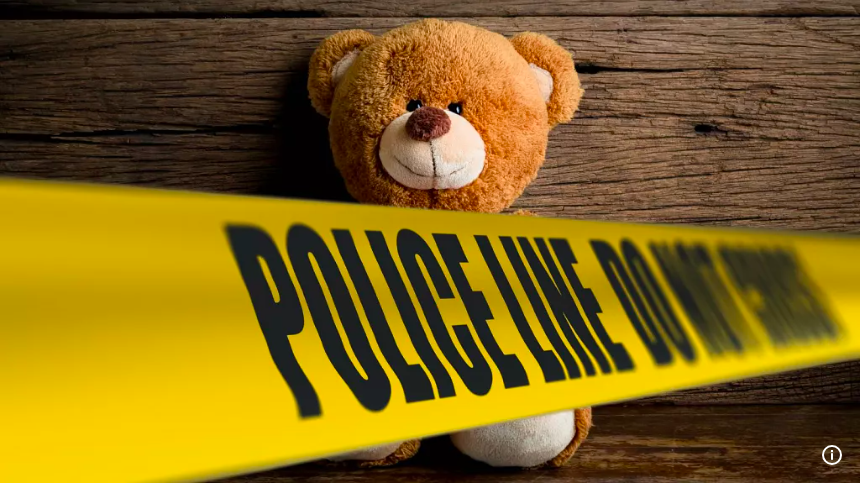
Not Beary Funny: California Man Arrested After ‘Fake Human Skin’ Teddy Bear Sparks Serial Killer Panic
A bizarre and disturbing prank in Victorville, California, turned into a criminal investigation this week when local authorities responded to a chilling discovery: a teddy bear made to look like it was crafted from human skin. The grisly-looking toy, which seemed to belong in a horror film, caused widespread panic and prompted fears that a serial killer was operating in the area. But what unfolded was a bizarre intersection of art, shock value, and misplaced intentions.
A Macabre Discovery in the Desert
Register for Tekedia Mini-MBA edition 20 (June 8 – Sept 5, 2026).
Register for Tekedia AI in Business Masterclass.
Join Tekedia Capital Syndicate and co-invest in great global startups.
Register for Tekedia AI Lab.
The strange episode began on Sunday, when a witness spotted an unusual object sitting on a sidewalk outside a gas station in Victorville, about 130 km northeast of Los Angeles. According to reports, the teddy bear had a disturbingly realistic appearance, its surface resembling stitched patches of human flesh, complete with faux scars and sinew detailing reminiscent of horror films like The Silence of the Lambs and The Texas Chainsaw Massacre.
The shocked witness contacted local police, fearing that the bear might actually be made from human remains. The San Bernardino County Sheriff's Office quickly launched an investigation. The response was so serious that even coroner officials were brought in to examine the object.
After a detailed analysis, it was confirmed that the teddy bear contained no real human tissue—but the law enforcement response didn’t end there.

Arrest Made Over ‘Panic-Inducing Prank’
On Monday, police arrested 23-year-old Hector Corona Villanueva, accusing him of intentionally placing the bear at the gas station in an act designed to cause public fear. Villanueva was charged with planting false evidence and causing a public emergency.
While police were quick to label the incident a "prank," they also expressed strong disapproval. In a public statement, the sheriff’s office warned that incidents like this not only alarm the public but also divert critical emergency services from real threats.

“Incidents such as this take up valuable emergency resources and put the public at risk, possibly delaying response time to legitimate calls for service,” the sheriff’s department said.
No motive for Villanueva’s actions has been disclosed, and authorities say the investigation is still ongoing.
The Artist Behind the Nightmare
As the internet buzzed with images of the teddy bear and wild speculation about its origins, the story took another twist when Robert Kelly, an artist from South Carolina, came forward to claim authorship of the disturbing piece.
Kelly, who runs an online store specialising in horror-themed props and artworks—many of which are sold through Etsy—confirmed to People magazine that the teddy bear was one of his creations.
“Our work is pretty easily recognisable, and people were sending the articles left and right. I looked, and sure enough, it was the bear I sent out last week,” Kelly said.
He added that he had no knowledge of the buyer’s intention to use the artwork in a public stunt. In a later Facebook post, Kelly emphasised that he does not condone the use of his art in criminal or panic-inducing activities.
“No, I did not have any knowledge of the [buyer’s] intentions, nor was I involved in a prank on the other side of the nation from me,” he wrote.
A Culture of Shock, A Question of Limits
The Victorville teddy bear incident raises uncomfortable questions about the intersection of art, public space, and accountability. While horror art is widely accepted and appreciated within certain circles—especially in the context of films, haunted houses, or conventions—placing such a work in a public setting, without context, crosses into dangerous territory.
What may be intended as a thought-provoking or shocking piece of horror art in a controlled environment can quickly become a public safety hazard when removed from that context. In this case, what began as a private sale of a horror-themed item escalated into a full-blown emergency response and a criminal charge.
It also highlights the blurred lines between artistic expression and social responsibility. While artists like Kelly are not liable for how their work is used, the incident has triggered debates on how shock art should be handled once it enters public life—especially in ways that mimic criminal or violent behaviour.
Final Thought
In an age where shock value often drives viral content, the Victorville teddy bear incident is a stark reminder that art, when stripped of context, can blur dangerously into public fear. While creativity should be celebrated, it must also come with an awareness of its impact—especially when it mimics the grotesque or criminal. The line between horror and hysteria is thinner than it seems, and this case proves that what’s meant to provoke can easily cross into panic.
Conclusion
The fake human skin teddy bear may have been born from horror-themed creativity, but its placement on a Victorville street turned art into alarm. With emergency services diverted, residents terrified, and a man arrested, the teddy bear became far more than just an unsettling novelty.
As art continues to push boundaries in a world saturated with viral content, pranks and installations that blur reality and fantasy risk real-world consequences. And as this incident proves, not everything beary creepy is a laughing matter—at least not for California law enforcement.
Meta Description:
A teddy bear made of fake human skin sparked a serial killer scare in California. What was meant to be horror art led to an arrest and a police investigation.
Share this:
- Click to share on Facebook (Opens in new window) Facebook
- Click to share on X (Opens in new window) X
- Click to share on WhatsApp (Opens in new window) WhatsApp
- Click to share on LinkedIn (Opens in new window) LinkedIn
- Click to email a link to a friend (Opens in new window) Email
- Click to print (Opens in new window) Print