

Ashton Kutcher Joins $2.7bn Takeover of Soho House in Bid to Revive Exclusive Club Chain

Quote from Alex Bobby on August 19, 2025, 4:03 AM
Ashton Kutcher Joins $2.7bn Takeover of Soho House: Can Celebrity Stardust Revive Its Spark?
The world of exclusive clubs and luxury hospitality has been shaken by a high-profile deal: Soho House, the global private members’ club chain beloved by A-listers, has been snapped up in a $2.7bn (£2bn) deal led by MCR Hotels and supported by Hollywood actor turned investor Ashton Kutcher. The acquisition marks a major turning point for the business, which has seen its public valuation plummet in recent years amid concerns it was losing the exclusivity that once defined it.
From Greek Street to Global Fame
Founded in 1995 by Nick Jones in London’s Greek Street above his restaurant Café Boheme, Soho House set out to be more than just a club. It branded itself as a haven for “like-minded creative thinkers to meet, relax, have fun and grow.” With its relaxed, bohemian interiors and carefully curated membership, it quickly became a magnet for London’s cultural elite.
Over the years, Soho House expanded aggressively, establishing 46 locations across Europe, North America, and Asia, alongside other ventures such as Soho Works co-working spaces and Scorpios Beach Clubs in Mykonos and Bodrum. Its venues became synonymous with celebrity culture—its London outposts were frequented by models like Kate Moss, stars like Kendall Jenner and Ellie Goulding, and even royalty. One London location is said to be the very spot where Prince Harry and Meghan Markle had their first date.
But rapid expansion and a move to go public in 2021 took some of the shine off. Floating on the New York Stock Exchange at an initial valuation of $14.21 per share, Soho House promised investors growth and profitability. Instead, shares slumped to just $7.64 last week, raising doubts about whether its “exclusive” brand could sustain global scale.
The $2.7bn Rescue Deal
The rescue comes in the form of a $9-per-share buyout offer, valuing the company at $2.7bn. While this is 18% higher than the most recent trading price, it’s still below the peak valuation seen during its stock market debut.
The consortium leading the acquisition is spearheaded by MCR Hotels, the third-largest hotel group in the U.S., known for properties such as the retro-chic TWA Hotel at JFK Airport in New York and the BT Tower in London. Backing the deal is private equity giant Apollo, which structured the takeover to return Soho House to private ownership.
Existing shareholders, including founder Nick Jones and prominent investor Richard Caring of the Ivy Collection restaurant chain, will retain their stakes.
Crucially, the new board lineup will now feature Ashton Kutcher, who has established himself as a savvy Silicon Valley investor with stakes in companies like Airbnb and Uber. Alongside him will sit Tyler Morse, CEO of MCR Hotels, who has promised to guide Soho House through its next chapter.
What’s Next for Soho House?
Tyler Morse has made no secret of his admiration for the brand, describing Soho House as a unique network of cultural spaces. “We have long admired Soho House for bringing together cultures from around the world into a global network of 46 houses, and we look forward to the continued growth of that fabric, starting with four new houses opening soon,” Morse said.
Kutcher’s addition to the board is expected to bring both Hollywood glamour and sharp tech-minded investment expertise. For a brand that trades on exclusivity and celebrity cachet, the optics are appealing. Yet, as analysts point out, reviving Soho House will require more than famous names.
A Brand Under Pressure
Despite its iconic status, Soho House has been grappling with deep challenges. Critics argue that its rapid expansion diluted the very exclusivity that made it desirable in the first place. With membership fees running into thousands of pounds or dollars annually, long-time members began to question whether the clubs remained as selective as promised.
Susannah Streeter, head of money and markets at Hargreaves Lansdown, warned that “MCR Hotels, Ashton Kutcher and the other investors will have their work cut out to put Soho House back onto a more stable footing given concerns about the viability of its business model.”
She added that while the celebrity connection may attract headlines, the hospitality industry is facing wider struggles: “Its rapid expansion in recent years has sparked concerns that it’s ‘exclusive’ label was wearing thin. This is also a challenging time for the restaurant business, with aspirational shoppers tightening their stylish belts.”
The company has also struggled to consistently turn a profit, a problem that intensified during the COVID-19 pandemic when social venues were forced to close. Even with the rebound of nightlife and travel, Soho House’s margins have remained under pressure.
Leadership’s Optimism
Despite the skepticism, Soho House CEO Andrew Carnie remains upbeat. He insists that the move back to private ownership reflects “the strong confidence our existing and incoming shareholders have in the future of Soho House.”
Carnie highlighted that since listing, the company has focused on “building a stronger, more resilient business,” pointing to recent openings and a pipeline of new clubs as evidence of momentum. “I’m incredibly proud of what our teams have accomplished and am excited about our future, as we continue to be guided by our members and grounded in the spirit that makes Soho House so special,” he said.
Can Exclusivity Be Scaled?
The central question now is whether exclusivity can survive at global scale. By design, Soho House was never meant to be mainstream. Its allure rested on its inaccessibility: a curated membership of artists, actors, and creatives, away from the corporate grind.
But with 46 clubs worldwide and more in the pipeline, critics argue that it risks becoming another luxury hospitality chain, no different from high-end hotels or private clubs that anyone with the right fee can join. Reversing that perception—and restoring the magic that drew stars like Kate Moss or Harry and Meghan—is likely to be the toughest challenge for Kutcher and his fellow investors.
Final Thoughts
The $2.7bn takeover of Soho House is more than a financial transaction—it’s a test of whether a brand built on exclusivity can thrive in a globalised, profit-driven hospitality industry. Ashton Kutcher’s involvement adds star power, but celebrity alone won’t be enough to restore Soho House’s original magic.
The challenge for MCR Hotels and its partners will be to reassure members that the club remains a unique space for creativity and connection, rather than just another luxury chain. Balancing growth with authenticity will be key. If they succeed, Soho House could reclaim its reputation as the world’s most desirable members’ club. If not, it risks fading into the crowded landscape of upscale hospitality.
Conclusion
The $2.7bn takeover of Soho House marks a pivotal moment for the iconic members’ club. By bringing in Ashton Kutcher and MCR Hotels, the consortium is betting that celebrity allure, strong branding, and fresh investment can revive a struggling but storied institution.
Yet the challenges remain steep. Soho House must navigate the balance between growth and exclusivity, while also proving it can deliver profitability in a tough economic climate.
For now, the brand is back in private hands, with its future guided by investors who promise to keep its spirit alive. Whether that spirit can survive the weight of global expansion is a question only time—and its discerning members—will answer.
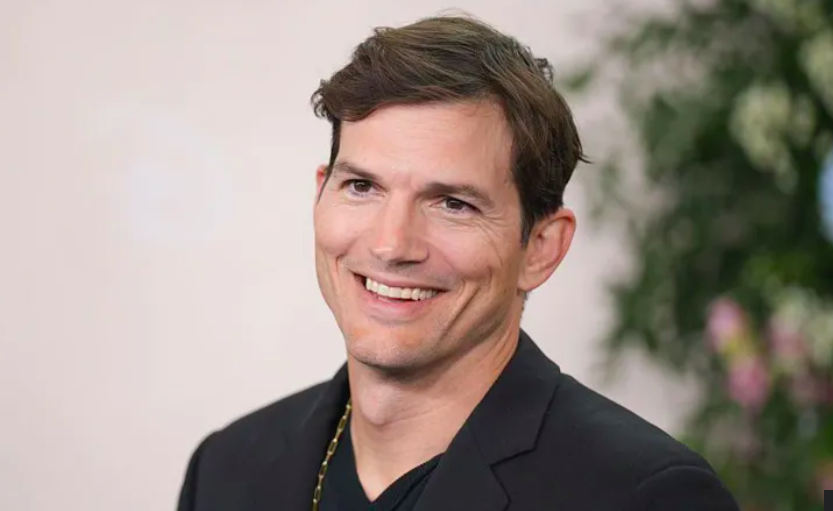
Ashton Kutcher Joins $2.7bn Takeover of Soho House: Can Celebrity Stardust Revive Its Spark?
The world of exclusive clubs and luxury hospitality has been shaken by a high-profile deal: Soho House, the global private members’ club chain beloved by A-listers, has been snapped up in a $2.7bn (£2bn) deal led by MCR Hotels and supported by Hollywood actor turned investor Ashton Kutcher. The acquisition marks a major turning point for the business, which has seen its public valuation plummet in recent years amid concerns it was losing the exclusivity that once defined it.
From Greek Street to Global Fame
Register for Tekedia Mini-MBA edition 20 (June 8 – Sept 5, 2026).
Register for Tekedia AI in Business Masterclass.
Join Tekedia Capital Syndicate and co-invest in great global startups.
Register for Tekedia AI Lab.
Founded in 1995 by Nick Jones in London’s Greek Street above his restaurant Café Boheme, Soho House set out to be more than just a club. It branded itself as a haven for “like-minded creative thinkers to meet, relax, have fun and grow.” With its relaxed, bohemian interiors and carefully curated membership, it quickly became a magnet for London’s cultural elite.
Over the years, Soho House expanded aggressively, establishing 46 locations across Europe, North America, and Asia, alongside other ventures such as Soho Works co-working spaces and Scorpios Beach Clubs in Mykonos and Bodrum. Its venues became synonymous with celebrity culture—its London outposts were frequented by models like Kate Moss, stars like Kendall Jenner and Ellie Goulding, and even royalty. One London location is said to be the very spot where Prince Harry and Meghan Markle had their first date.
But rapid expansion and a move to go public in 2021 took some of the shine off. Floating on the New York Stock Exchange at an initial valuation of $14.21 per share, Soho House promised investors growth and profitability. Instead, shares slumped to just $7.64 last week, raising doubts about whether its “exclusive” brand could sustain global scale.

The $2.7bn Rescue Deal
The rescue comes in the form of a $9-per-share buyout offer, valuing the company at $2.7bn. While this is 18% higher than the most recent trading price, it’s still below the peak valuation seen during its stock market debut.
The consortium leading the acquisition is spearheaded by MCR Hotels, the third-largest hotel group in the U.S., known for properties such as the retro-chic TWA Hotel at JFK Airport in New York and the BT Tower in London. Backing the deal is private equity giant Apollo, which structured the takeover to return Soho House to private ownership.

Existing shareholders, including founder Nick Jones and prominent investor Richard Caring of the Ivy Collection restaurant chain, will retain their stakes.
Crucially, the new board lineup will now feature Ashton Kutcher, who has established himself as a savvy Silicon Valley investor with stakes in companies like Airbnb and Uber. Alongside him will sit Tyler Morse, CEO of MCR Hotels, who has promised to guide Soho House through its next chapter.
What’s Next for Soho House?
Tyler Morse has made no secret of his admiration for the brand, describing Soho House as a unique network of cultural spaces. “We have long admired Soho House for bringing together cultures from around the world into a global network of 46 houses, and we look forward to the continued growth of that fabric, starting with four new houses opening soon,” Morse said.
Kutcher’s addition to the board is expected to bring both Hollywood glamour and sharp tech-minded investment expertise. For a brand that trades on exclusivity and celebrity cachet, the optics are appealing. Yet, as analysts point out, reviving Soho House will require more than famous names.
A Brand Under Pressure
Despite its iconic status, Soho House has been grappling with deep challenges. Critics argue that its rapid expansion diluted the very exclusivity that made it desirable in the first place. With membership fees running into thousands of pounds or dollars annually, long-time members began to question whether the clubs remained as selective as promised.
Susannah Streeter, head of money and markets at Hargreaves Lansdown, warned that “MCR Hotels, Ashton Kutcher and the other investors will have their work cut out to put Soho House back onto a more stable footing given concerns about the viability of its business model.”
She added that while the celebrity connection may attract headlines, the hospitality industry is facing wider struggles: “Its rapid expansion in recent years has sparked concerns that it’s ‘exclusive’ label was wearing thin. This is also a challenging time for the restaurant business, with aspirational shoppers tightening their stylish belts.”
The company has also struggled to consistently turn a profit, a problem that intensified during the COVID-19 pandemic when social venues were forced to close. Even with the rebound of nightlife and travel, Soho House’s margins have remained under pressure.
Leadership’s Optimism
Despite the skepticism, Soho House CEO Andrew Carnie remains upbeat. He insists that the move back to private ownership reflects “the strong confidence our existing and incoming shareholders have in the future of Soho House.”
Carnie highlighted that since listing, the company has focused on “building a stronger, more resilient business,” pointing to recent openings and a pipeline of new clubs as evidence of momentum. “I’m incredibly proud of what our teams have accomplished and am excited about our future, as we continue to be guided by our members and grounded in the spirit that makes Soho House so special,” he said.
Can Exclusivity Be Scaled?
The central question now is whether exclusivity can survive at global scale. By design, Soho House was never meant to be mainstream. Its allure rested on its inaccessibility: a curated membership of artists, actors, and creatives, away from the corporate grind.
But with 46 clubs worldwide and more in the pipeline, critics argue that it risks becoming another luxury hospitality chain, no different from high-end hotels or private clubs that anyone with the right fee can join. Reversing that perception—and restoring the magic that drew stars like Kate Moss or Harry and Meghan—is likely to be the toughest challenge for Kutcher and his fellow investors.
Final Thoughts
The $2.7bn takeover of Soho House is more than a financial transaction—it’s a test of whether a brand built on exclusivity can thrive in a globalised, profit-driven hospitality industry. Ashton Kutcher’s involvement adds star power, but celebrity alone won’t be enough to restore Soho House’s original magic.
The challenge for MCR Hotels and its partners will be to reassure members that the club remains a unique space for creativity and connection, rather than just another luxury chain. Balancing growth with authenticity will be key. If they succeed, Soho House could reclaim its reputation as the world’s most desirable members’ club. If not, it risks fading into the crowded landscape of upscale hospitality.
Conclusion
The $2.7bn takeover of Soho House marks a pivotal moment for the iconic members’ club. By bringing in Ashton Kutcher and MCR Hotels, the consortium is betting that celebrity allure, strong branding, and fresh investment can revive a struggling but storied institution.
Yet the challenges remain steep. Soho House must navigate the balance between growth and exclusivity, while also proving it can deliver profitability in a tough economic climate.
For now, the brand is back in private hands, with its future guided by investors who promise to keep its spirit alive. Whether that spirit can survive the weight of global expansion is a question only time—and its discerning members—will answer.
Uploaded files:Share this:
- Click to share on Facebook (Opens in new window) Facebook
- Click to share on X (Opens in new window) X
- Click to share on WhatsApp (Opens in new window) WhatsApp
- Click to share on LinkedIn (Opens in new window) LinkedIn
- Click to email a link to a friend (Opens in new window) Email
- Click to print (Opens in new window) Print