

Austria’s Bid to Block Nuclear from EU Green Taxonomy Rejected by Court

Quote from Alex Bobby on September 11, 2025, 5:02 AM
Austria’s Push to Scrap Nuclear from EU Green Taxonomy Rejected by Court
Austria has long stood as one of Europe’s most outspoken critics of nuclear power. This week, however, its latest legal challenge to the European Union’s climate finance framework fell flat. On Wednesday, the General Court of the European Union dismissed Austria’s lawsuit to exclude nuclear power and fossil gas from the EU’s taxonomy of sustainable investments, marking a significant setback for Vienna’s anti-nuclear stance.
The ruling affirms the European Commission’s controversial 2022 decision to label certain nuclear and gas activities as “sustainable” under its green finance rulebook — a move intended to guide private investors and governments in channeling funds toward projects that help the bloc meet its ambitious climate goals.
Austria’s Legal Challenge
Austria, joined by its Green Party leadership, filed the lawsuit in October 2022, arguing that the Commission had exceeded its authority by categorising nuclear energy and natural gas as environmentally sustainable. Vienna warned that such a classification would amount to greenwashing, opening the door for technologies it considers “dangerous” and “climate-damaging” to be funded under the guise of climate solutions.
But the Luxembourg-based General Court rejected these claims. It found that the Commission had acted within its powers, noting that both nuclear and gas were included as part of a gradual energy transition strategy to ensure security of supply while renewable capacity continues to scale.
“The Commission was entitled to take the view that nuclear energy generation has near to zero greenhouse gas emissions,” the judges wrote, adding that it had taken “sufficient account” of risks related to nuclear plant operations, reactor accidents, and radioactive waste.
The Role of the EU Taxonomy
The EU taxonomy, launched in July 2020, is a classification system designed to steer investment toward genuinely green activities while combating greenwashing. It is central to the EU’s strategy for meeting binding climate goals, including a 55% reduction in greenhouse gas emissions by 2030, climate neutrality by 2050, and a forthcoming 2040 target that is now under negotiation.
By setting clear rules, the taxonomy is meant to help investors, businesses, and policymakers identify projects that contribute to climate change mitigation and adaptation. Yet, its expansion to include nuclear and gas has sparked fierce controversy. Supporters argue these energy sources provide reliable low-carbon power during the transition to renewables. Critics, led by Austria, counter that the move undermines the taxonomy’s credibility.
Why the Court Ruled Against Austria
The General Court sided with the Commission’s reasoning that Europe currently lacks sufficient renewable capacity — such as solar and wind — to meet energy demand continuously and reliably. Nuclear energy, with its near-zero operational emissions, and natural gas, as a “bridge fuel,” were deemed necessary to maintain stability in the energy system as coal is phased out and renewables expand.
The court concluded that the taxonomy’s rules did not force investment into nuclear or gas, but simply classified certain activities in those sectors as eligible for green financing. In other words, the taxonomy provides guidance, not mandates.
Austrian Reaction: “A Disastrous Signal”
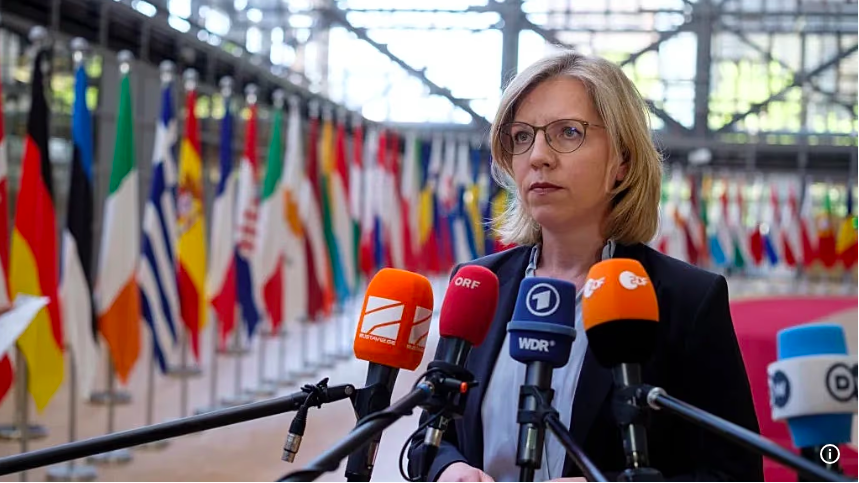
Unsurprisingly, the ruling drew sharp criticism in Vienna. Leonore Gewessler, parliamentary leader of the Austrian Greens and the minister who originally filed the lawsuit in 2022, described the decision as a betrayal of environmental principles.
“This ruling sends a disastrous signal to the entire EU,” Gewessler said in a statement. “If this assessment stands, it destroys a basic principle: where it says green, it is no longer truly green. Those who want green will end up with nuclear power or dirty gas.”
She urged Austria’s current climate and environment minister, Norbert Totschnig, to immediately appeal the judgment, signalling that the legal battle is far from over.
Gewessler has long argued that nuclear power is dangerous, prohibitively expensive, and produces radioactive waste that remains hazardous for hundreds of thousands of years. Every euro spent on nuclear, she warned, is a euro diverted from expanding truly renewable energy sources like solar, wind, hydro, and geothermal.
Nuclear Energy’s Place in the Green Transition
The inclusion of nuclear in the taxonomy reflects a broader divide within Europe. While Austria, Germany, and Luxembourg oppose nuclear power, countries like France, Poland, and Finland champion it as a vital tool for decarbonisation.
Supporters argue that nuclear’s ability to produce large amounts of steady, low-carbon electricity makes it indispensable for replacing coal and stabilising grids alongside variable renewables. Critics counter that new reactors are slow and costly to build, while the unresolved challenge of nuclear waste disposal casts a shadow over its green credentials.
Natural gas, meanwhile, is defended as a flexible energy source that can quickly ramp up to complement intermittent renewables. Yet, its inclusion is equally contentious, given that burning gas still releases carbon dioxide and methane, both potent greenhouse gases.
What Happens Next?
Austria’s government has the option to appeal the ruling to the European Court of Justice, the EU’s highest court. Such an appeal could drag on for years, during which the taxonomy’s framework will continue to guide investment decisions across the bloc.
Meanwhile, the broader debate over Europe’s energy future is intensifying. With climate neutrality targets looming and geopolitical shocks — such as Russia’s war in Ukraine — reshaping energy policy, the EU faces pressure to balance energy security, affordability, and sustainability.
For now, the court’s decision cements nuclear and gas as part of Europe’s official green rulebook, at least until the bloc can scale up renewables to meet demand on their own.
Final Thoughts
Austria’s failed bid to remove nuclear and gas from the EU’s taxonomy highlights a fundamental tension in Europe’s energy transition: should the path to climate neutrality rely solely on renewables, or must it include transitional — and controversial — technologies?
For Austria, the court’s decision is a setback to its anti-nuclear identity and a blow to its campaign against what it views as greenwashing. For the EU, however, the ruling offers short-term flexibility in balancing energy security with decarbonisation goals.
The debate is far from over. As Austria considers an appeal and the EU pushes forward with stricter climate targets, the clash between principle and pragmatism will shape not just investment flows but also the credibility of Europe’s green transition.
Conclusion
Austria’s failed attempt to block nuclear and gas from the EU taxonomy underscores the tensions at the heart of Europe’s climate strategy. On one side are countries pushing for a strictly renewable path, rejecting what they see as dangerous distractions. On the other are member states insisting that nuclear and gas are unavoidable stepping stones in the transition.
The General Court’s ruling validates the Commission’s pragmatic approach, but it also leaves the EU vulnerable to charges of diluting the meaning of “green.” As Austria considers its appeal, the battle over Europe’s energy future is far from settled.
What is clear is that the path to a carbon-neutral Europe will involve not only technological innovation but also fierce political and legal disputes over what counts as truly sustainable.
Meta Description:
The EU’s General Court has dismissed Austria’s lawsuit to exclude nuclear and gas from the EU green taxonomy, backing the Commission’s view that both energy sources are needed for a secure transition
Austria’s Push to Scrap Nuclear from EU Green Taxonomy Rejected by Court
Austria has long stood as one of Europe’s most outspoken critics of nuclear power. This week, however, its latest legal challenge to the European Union’s climate finance framework fell flat. On Wednesday, the General Court of the European Union dismissed Austria’s lawsuit to exclude nuclear power and fossil gas from the EU’s taxonomy of sustainable investments, marking a significant setback for Vienna’s anti-nuclear stance.
The ruling affirms the European Commission’s controversial 2022 decision to label certain nuclear and gas activities as “sustainable” under its green finance rulebook — a move intended to guide private investors and governments in channeling funds toward projects that help the bloc meet its ambitious climate goals.
Register for Tekedia Mini-MBA edition 20 (June 8 – Sept 5, 2026).
Register for Tekedia AI in Business Masterclass.
Join Tekedia Capital Syndicate and co-invest in great global startups.
Register for Tekedia AI Lab.
Austria’s Legal Challenge
Austria, joined by its Green Party leadership, filed the lawsuit in October 2022, arguing that the Commission had exceeded its authority by categorising nuclear energy and natural gas as environmentally sustainable. Vienna warned that such a classification would amount to greenwashing, opening the door for technologies it considers “dangerous” and “climate-damaging” to be funded under the guise of climate solutions.
But the Luxembourg-based General Court rejected these claims. It found that the Commission had acted within its powers, noting that both nuclear and gas were included as part of a gradual energy transition strategy to ensure security of supply while renewable capacity continues to scale.

“The Commission was entitled to take the view that nuclear energy generation has near to zero greenhouse gas emissions,” the judges wrote, adding that it had taken “sufficient account” of risks related to nuclear plant operations, reactor accidents, and radioactive waste.
The Role of the EU Taxonomy
The EU taxonomy, launched in July 2020, is a classification system designed to steer investment toward genuinely green activities while combating greenwashing. It is central to the EU’s strategy for meeting binding climate goals, including a 55% reduction in greenhouse gas emissions by 2030, climate neutrality by 2050, and a forthcoming 2040 target that is now under negotiation.

By setting clear rules, the taxonomy is meant to help investors, businesses, and policymakers identify projects that contribute to climate change mitigation and adaptation. Yet, its expansion to include nuclear and gas has sparked fierce controversy. Supporters argue these energy sources provide reliable low-carbon power during the transition to renewables. Critics, led by Austria, counter that the move undermines the taxonomy’s credibility.
Why the Court Ruled Against Austria
The General Court sided with the Commission’s reasoning that Europe currently lacks sufficient renewable capacity — such as solar and wind — to meet energy demand continuously and reliably. Nuclear energy, with its near-zero operational emissions, and natural gas, as a “bridge fuel,” were deemed necessary to maintain stability in the energy system as coal is phased out and renewables expand.
The court concluded that the taxonomy’s rules did not force investment into nuclear or gas, but simply classified certain activities in those sectors as eligible for green financing. In other words, the taxonomy provides guidance, not mandates.
Austrian Reaction: “A Disastrous Signal”
Unsurprisingly, the ruling drew sharp criticism in Vienna. Leonore Gewessler, parliamentary leader of the Austrian Greens and the minister who originally filed the lawsuit in 2022, described the decision as a betrayal of environmental principles.
“This ruling sends a disastrous signal to the entire EU,” Gewessler said in a statement. “If this assessment stands, it destroys a basic principle: where it says green, it is no longer truly green. Those who want green will end up with nuclear power or dirty gas.”
She urged Austria’s current climate and environment minister, Norbert Totschnig, to immediately appeal the judgment, signalling that the legal battle is far from over.
Gewessler has long argued that nuclear power is dangerous, prohibitively expensive, and produces radioactive waste that remains hazardous for hundreds of thousands of years. Every euro spent on nuclear, she warned, is a euro diverted from expanding truly renewable energy sources like solar, wind, hydro, and geothermal.
Nuclear Energy’s Place in the Green Transition
The inclusion of nuclear in the taxonomy reflects a broader divide within Europe. While Austria, Germany, and Luxembourg oppose nuclear power, countries like France, Poland, and Finland champion it as a vital tool for decarbonisation.
Supporters argue that nuclear’s ability to produce large amounts of steady, low-carbon electricity makes it indispensable for replacing coal and stabilising grids alongside variable renewables. Critics counter that new reactors are slow and costly to build, while the unresolved challenge of nuclear waste disposal casts a shadow over its green credentials.
Natural gas, meanwhile, is defended as a flexible energy source that can quickly ramp up to complement intermittent renewables. Yet, its inclusion is equally contentious, given that burning gas still releases carbon dioxide and methane, both potent greenhouse gases.
What Happens Next?
Austria’s government has the option to appeal the ruling to the European Court of Justice, the EU’s highest court. Such an appeal could drag on for years, during which the taxonomy’s framework will continue to guide investment decisions across the bloc.
Meanwhile, the broader debate over Europe’s energy future is intensifying. With climate neutrality targets looming and geopolitical shocks — such as Russia’s war in Ukraine — reshaping energy policy, the EU faces pressure to balance energy security, affordability, and sustainability.
For now, the court’s decision cements nuclear and gas as part of Europe’s official green rulebook, at least until the bloc can scale up renewables to meet demand on their own.
Final Thoughts
Austria’s failed bid to remove nuclear and gas from the EU’s taxonomy highlights a fundamental tension in Europe’s energy transition: should the path to climate neutrality rely solely on renewables, or must it include transitional — and controversial — technologies?
For Austria, the court’s decision is a setback to its anti-nuclear identity and a blow to its campaign against what it views as greenwashing. For the EU, however, the ruling offers short-term flexibility in balancing energy security with decarbonisation goals.
The debate is far from over. As Austria considers an appeal and the EU pushes forward with stricter climate targets, the clash between principle and pragmatism will shape not just investment flows but also the credibility of Europe’s green transition.
Conclusion
Austria’s failed attempt to block nuclear and gas from the EU taxonomy underscores the tensions at the heart of Europe’s climate strategy. On one side are countries pushing for a strictly renewable path, rejecting what they see as dangerous distractions. On the other are member states insisting that nuclear and gas are unavoidable stepping stones in the transition.
The General Court’s ruling validates the Commission’s pragmatic approach, but it also leaves the EU vulnerable to charges of diluting the meaning of “green.” As Austria considers its appeal, the battle over Europe’s energy future is far from settled.
What is clear is that the path to a carbon-neutral Europe will involve not only technological innovation but also fierce political and legal disputes over what counts as truly sustainable.
Meta Description:
The EU’s General Court has dismissed Austria’s lawsuit to exclude nuclear and gas from the EU green taxonomy, backing the Commission’s view that both energy sources are needed for a secure transition
Share this:
- Click to share on Facebook (Opens in new window) Facebook
- Click to share on X (Opens in new window) X
- Click to share on WhatsApp (Opens in new window) WhatsApp
- Click to share on LinkedIn (Opens in new window) LinkedIn
- Click to email a link to a friend (Opens in new window) Email
- Click to print (Opens in new window) Print