

Brazil’s Supreme Court Panel Votes to Convict Former President Bolsonaro of Coup Attempt

Quote from Alex Bobby on September 12, 2025, 7:35 AM
Majority of Brazil’s Supreme Court Panel Votes to Convict Former President Bolsonaro of Coup Attempt
In a landmark ruling, a majority of a panel of Brazilian Supreme Court justices voted on Thursday to convict former President Jair Bolsonaro of attempting a coup to remain in power following his defeat in the 2022 presidential election. The ruling marks a critical juncture in Brazil’s political landscape, deepening societal divisions and raising questions about the country’s democratic resilience.
Bolsonaro, who governed Brazil from 2019 to 2022 as a far-right populist, was found guilty on five counts by three of the five justices on the panel. The conviction stems from allegations that Bolsonaro orchestrated a plot to undermine the electoral process and retain power despite losing to incumbent President Luiz Inácio Lula da Silva in a legitimate and widely recognised election.
The Supreme Court Vote
Thursday’s ruling followed a series of votes by the five-member panel. Justice Cármen Lúcia delivered the latest decision in favour of convicting Bolsonaro, a day after Justice Luiz Fux dissented, voting to acquit the former president of all charges. One justice’s vote remains pending, which will finalise the panel’s verdict and determine the next steps, including sentencing.
Once all votes are counted, Bolsonaro could face decades in prison if the conviction is upheld. The 70-year-old former president is currently under house arrest, following an order issued by Justice Alexandre de Moraes on August 5, after Bolsonaro violated a ban on political messaging.
Bolsonaro’s legal team has announced plans to appeal the verdict to the full Supreme Court, which consists of 11 justices. The former president has denied any wrongdoing and has not attended the hearings in person, instead sending lawyers to represent him.
Political and Social Fallout
The trial has divided Brazilian society. On one side, citizens and political figures support the judiciary’s actions, viewing the ruling as a necessary defence of democracy. On the other, Bolsonaro retains a significant base of supporters, including some who have staged protests calling for his acquittal.
This polarisation mirrors trends seen during Bolsonaro’s presidency, during which he frequently challenged institutional checks and promoted a combative style of politics. His continued influence is evident in the actions of allied lawmakers, including his three sons who serve in the legislature, and in his ability to mobilise supporters to the streets.
Observers note that the ruling may prompt Bolsonaro and his allies to pursue political maneuvers, such as seeking amnesty through Congress, in order to reduce or overturn his sentence. In a country where legislative influence can be decisive, these maneuvers could play a critical role in shaping Bolsonaro’s future political career.
International Implications
The conviction has already attracted international attention, particularly from the United States. Former President Donald Trump, a close ally of Bolsonaro, has previously described the proceedings as a “witch hunt” and linked them to broader trade and diplomatic issues. Earlier this month, Trump reportedly connected a 50% tariff on imported Brazilian goods to Bolsonaro’s legal situation, raising the possibility of additional U.S. measures if the conviction stands.
Analysts warn that the ruling may strain Brazil-U.S. relations, already under pressure due to trade disputes, environmental concerns, and regional diplomacy. Washington’s response could influence Brazil’s economic outlook, foreign policy, and the political strategies of both Lula and Bolsonaro.
The Judiciary’s Stance
Justice Alexandre de Moraes, who is overseeing the case, has consistently framed Bolsonaro as the leader of both a coup plot and a criminal organisation. His statements underline the gravity of the charges and the judiciary’s commitment to safeguarding Brazil’s democratic institutions.
“This is not merely a trial of one individual,” said Moraes, “but a test of our democratic principles and the rule of law.” His ruling in favour of conviction emphasises the court’s view that Bolsonaro acted to destabilize the electoral process and undermine the country’s democratic framework.
Bolsonaro’s Political Resilience
Despite the ongoing trial and house arrest, Bolsonaro remains a potent political force in Brazil. Previously banned from running for office until 2030 in a separate legal case, he is expected to continue shaping political debates and may endorse a successor to challenge Lula in the next election.
Supporters remain loyal, with public rallies and demonstrations reflecting enduring enthusiasm for Bolsonaro’s populist and nationalist agenda. Political analysts suggest that the Supreme Court ruling may consolidate his base by portraying him as a figure under attack from the judiciary and political elite, a narrative common in far-right movements worldwide.
Looking Ahead
The final vote from the fifth justice will determine Bolsonaro’s immediate future, including potential imprisonment and the formal sentencing process. Meanwhile, the Brazilian political system faces significant pressures: maintaining democratic institutions, managing public opinion, and addressing growing polarisation between pro- and anti-Bolsonaro factions.
Bolsonaro’s conviction could also influence legislative dynamics, as allied lawmakers and family members might push for political interventions or amnesty measures. Simultaneously, Lula’s administration may face challenges in navigating a tense political environment, balancing the enforcement of law with the need for social cohesion.
Final Thoughts
The conviction of former President Jair Bolsonaro by Brazil’s Supreme Court panel marks a pivotal moment in the country’s political history. It underscores the judiciary’s role in defending democratic institutions and maintaining the integrity of the electoral process.
At the same time, the ruling highlights the deep divisions within Brazilian society, where Bolsonaro continues to wield significant influence despite legal challenges. The path ahead remains uncertain, with potential appeals, political maneuvering, and public protests likely to shape the nation’s political landscape.
Ultimately, the case serves as a reminder of the delicate balance between justice, democracy, and political power, and the ongoing responsibility of Brazil’s institutions to uphold the rule of law in the face of unprecedented challenges.
Conclusion
The Supreme Court panel’s decision to convict Jair Bolsonaro represents a historic moment in Brazil’s democracy, reinforcing the judiciary’s role in upholding electoral integrity and the rule of law. At the same time, it highlights the deep divisions within Brazilian society and the continued influence of Bolsonaro as a political actor.
As the nation awaits the final vote and potential sentencing, the ruling underscores both the resilience of democratic institutions and the challenges of managing political polarisation. Bolsonaro’s appeal to the full Supreme Court and his ongoing house arrest ensure that this case will continue to dominate Brazilian politics, with far-reaching consequences for governance, social unity, and international relations.
Meta Description:
A majority of Brazil’s Supreme Court panel has voted to convict former President Jair Bolsonaro of attempting a coup following his 2022 electoral loss, deepening political divisions and raising questions about the country’s democratic future.
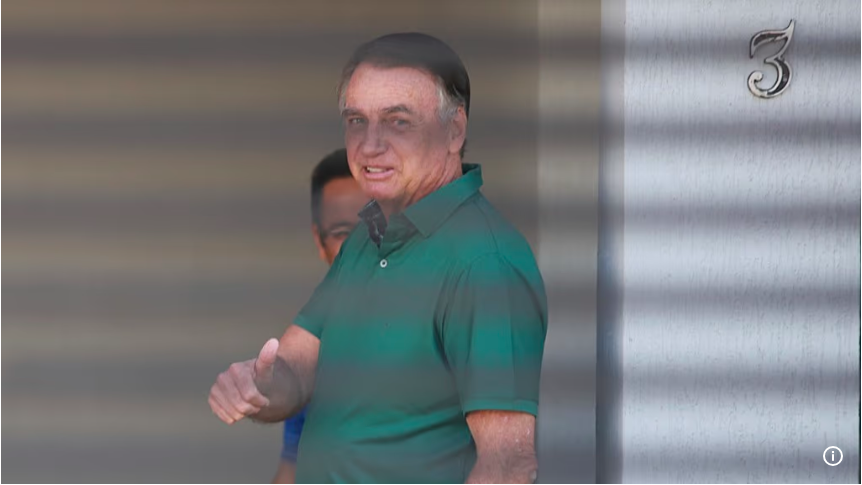
Majority of Brazil’s Supreme Court Panel Votes to Convict Former President Bolsonaro of Coup Attempt
In a landmark ruling, a majority of a panel of Brazilian Supreme Court justices voted on Thursday to convict former President Jair Bolsonaro of attempting a coup to remain in power following his defeat in the 2022 presidential election. The ruling marks a critical juncture in Brazil’s political landscape, deepening societal divisions and raising questions about the country’s democratic resilience.
Bolsonaro, who governed Brazil from 2019 to 2022 as a far-right populist, was found guilty on five counts by three of the five justices on the panel. The conviction stems from allegations that Bolsonaro orchestrated a plot to undermine the electoral process and retain power despite losing to incumbent President Luiz Inácio Lula da Silva in a legitimate and widely recognised election.
Register for Tekedia Mini-MBA edition 20 (June 8 – Sept 5, 2026).
Register for Tekedia AI in Business Masterclass.
Join Tekedia Capital Syndicate and co-invest in great global startups.
Register for Tekedia AI Lab.
The Supreme Court Vote
Thursday’s ruling followed a series of votes by the five-member panel. Justice Cármen Lúcia delivered the latest decision in favour of convicting Bolsonaro, a day after Justice Luiz Fux dissented, voting to acquit the former president of all charges. One justice’s vote remains pending, which will finalise the panel’s verdict and determine the next steps, including sentencing.
Once all votes are counted, Bolsonaro could face decades in prison if the conviction is upheld. The 70-year-old former president is currently under house arrest, following an order issued by Justice Alexandre de Moraes on August 5, after Bolsonaro violated a ban on political messaging.

Bolsonaro’s legal team has announced plans to appeal the verdict to the full Supreme Court, which consists of 11 justices. The former president has denied any wrongdoing and has not attended the hearings in person, instead sending lawyers to represent him.
Political and Social Fallout
The trial has divided Brazilian society. On one side, citizens and political figures support the judiciary’s actions, viewing the ruling as a necessary defence of democracy. On the other, Bolsonaro retains a significant base of supporters, including some who have staged protests calling for his acquittal.

This polarisation mirrors trends seen during Bolsonaro’s presidency, during which he frequently challenged institutional checks and promoted a combative style of politics. His continued influence is evident in the actions of allied lawmakers, including his three sons who serve in the legislature, and in his ability to mobilise supporters to the streets.
Observers note that the ruling may prompt Bolsonaro and his allies to pursue political maneuvers, such as seeking amnesty through Congress, in order to reduce or overturn his sentence. In a country where legislative influence can be decisive, these maneuvers could play a critical role in shaping Bolsonaro’s future political career.
International Implications
The conviction has already attracted international attention, particularly from the United States. Former President Donald Trump, a close ally of Bolsonaro, has previously described the proceedings as a “witch hunt” and linked them to broader trade and diplomatic issues. Earlier this month, Trump reportedly connected a 50% tariff on imported Brazilian goods to Bolsonaro’s legal situation, raising the possibility of additional U.S. measures if the conviction stands.
Analysts warn that the ruling may strain Brazil-U.S. relations, already under pressure due to trade disputes, environmental concerns, and regional diplomacy. Washington’s response could influence Brazil’s economic outlook, foreign policy, and the political strategies of both Lula and Bolsonaro.
The Judiciary’s Stance
Justice Alexandre de Moraes, who is overseeing the case, has consistently framed Bolsonaro as the leader of both a coup plot and a criminal organisation. His statements underline the gravity of the charges and the judiciary’s commitment to safeguarding Brazil’s democratic institutions.
“This is not merely a trial of one individual,” said Moraes, “but a test of our democratic principles and the rule of law.” His ruling in favour of conviction emphasises the court’s view that Bolsonaro acted to destabilize the electoral process and undermine the country’s democratic framework.
Bolsonaro’s Political Resilience
Despite the ongoing trial and house arrest, Bolsonaro remains a potent political force in Brazil. Previously banned from running for office until 2030 in a separate legal case, he is expected to continue shaping political debates and may endorse a successor to challenge Lula in the next election.
Supporters remain loyal, with public rallies and demonstrations reflecting enduring enthusiasm for Bolsonaro’s populist and nationalist agenda. Political analysts suggest that the Supreme Court ruling may consolidate his base by portraying him as a figure under attack from the judiciary and political elite, a narrative common in far-right movements worldwide.
Looking Ahead
The final vote from the fifth justice will determine Bolsonaro’s immediate future, including potential imprisonment and the formal sentencing process. Meanwhile, the Brazilian political system faces significant pressures: maintaining democratic institutions, managing public opinion, and addressing growing polarisation between pro- and anti-Bolsonaro factions.
Bolsonaro’s conviction could also influence legislative dynamics, as allied lawmakers and family members might push for political interventions or amnesty measures. Simultaneously, Lula’s administration may face challenges in navigating a tense political environment, balancing the enforcement of law with the need for social cohesion.
Final Thoughts
The conviction of former President Jair Bolsonaro by Brazil’s Supreme Court panel marks a pivotal moment in the country’s political history. It underscores the judiciary’s role in defending democratic institutions and maintaining the integrity of the electoral process.
At the same time, the ruling highlights the deep divisions within Brazilian society, where Bolsonaro continues to wield significant influence despite legal challenges. The path ahead remains uncertain, with potential appeals, political maneuvering, and public protests likely to shape the nation’s political landscape.
Ultimately, the case serves as a reminder of the delicate balance between justice, democracy, and political power, and the ongoing responsibility of Brazil’s institutions to uphold the rule of law in the face of unprecedented challenges.
Conclusion
The Supreme Court panel’s decision to convict Jair Bolsonaro represents a historic moment in Brazil’s democracy, reinforcing the judiciary’s role in upholding electoral integrity and the rule of law. At the same time, it highlights the deep divisions within Brazilian society and the continued influence of Bolsonaro as a political actor.
As the nation awaits the final vote and potential sentencing, the ruling underscores both the resilience of democratic institutions and the challenges of managing political polarisation. Bolsonaro’s appeal to the full Supreme Court and his ongoing house arrest ensure that this case will continue to dominate Brazilian politics, with far-reaching consequences for governance, social unity, and international relations.
Meta Description:
A majority of Brazil’s Supreme Court panel has voted to convict former President Jair Bolsonaro of attempting a coup following his 2022 electoral loss, deepening political divisions and raising questions about the country’s democratic future.
Share this:
- Click to share on Facebook (Opens in new window) Facebook
- Click to share on X (Opens in new window) X
- Click to share on WhatsApp (Opens in new window) WhatsApp
- Click to share on LinkedIn (Opens in new window) LinkedIn
- Click to email a link to a friend (Opens in new window) Email
- Click to print (Opens in new window) Print