

Burkina Faso, Mali, and Niger Quit ICC, Calling It an “Instrument of Neo-Colonialist Repression

Quote from Alex Bobby on September 24, 2025, 8:30 AM
Three West African Nations Announce Withdrawal from International Criminal Court
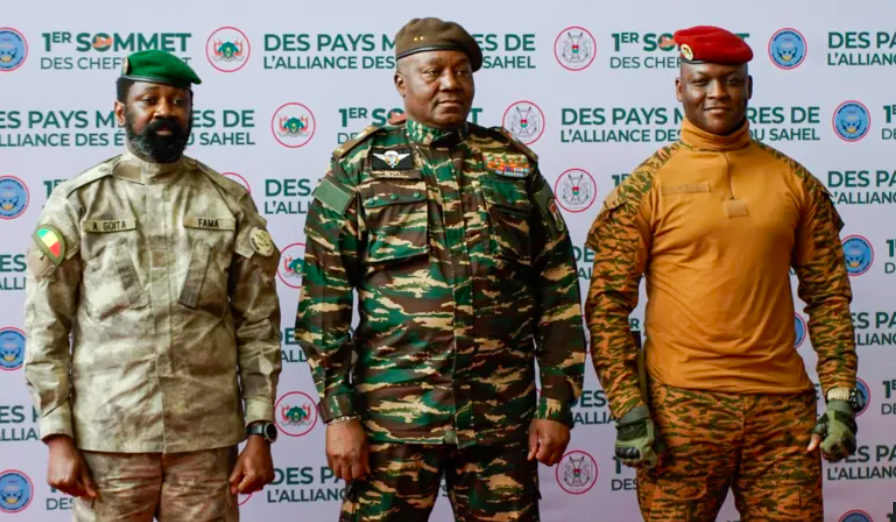
In a significant geopolitical move, Burkina Faso, Mali, and Niger have jointly announced their immediate withdrawal from the International Criminal Court (ICC), describing the Hague-based tribunal as an “instrument of neo-colonialist repression.” The announcement marks a dramatic shift in relations between parts of West Africa and the UN-backed court, raising questions about the future of international justice and the rule of law in the region.
The Joint Statement
The governments of Burkina Faso, Mali, and Niger — all currently led by military administrations — issued a joint statement declaring they would no longer recognise the ICC’s authority. The statement accused the court of failing to deliver justice, claiming it “has proven itself incapable of handling and prosecuting proven war crimes, crimes against humanity, crimes of genocide, and crimes of aggression.”
This collective decision represents an unprecedented withdrawal by multiple nations from the ICC at the same time. It underscores growing frustration among certain African states over what they perceive as bias and selective justice within the court’s operations.
Historical Tensions Between Africa and the ICC
This is not the first time African countries have expressed discontent with the ICC. Since its establishment in 2002, the court has faced criticism for focusing disproportionately on Africa, with the majority of its investigations centred on African nations. Several African leaders have accused the ICC of applying justice selectively, while ignoring alleged violations elsewhere.
This sentiment has led other African nations to reconsider their relationship with the court. In recent years, Burundi, South Africa, and The Gambia have also moved to withdraw, citing similar concerns. However, the coordinated withdrawal of three nations at once marks a new stage in this ongoing debate.
Political Context in Burkina Faso, Mali, and Niger
The timing of the withdrawal is significant. Burkina Faso, Mali, and Niger are all under military rule following coups over the past several years. These administrations face internal instability, security crises, and accusations of human rights abuses — including allegations of war crimes linked to counterinsurgency operations.
The leaders of these countries have framed their decision as a stand against what they perceive to be an unfair system, but critics suggest it could also be an attempt to shield themselves from scrutiny by the ICC. Military governments facing accusations of human rights violations may have a vested interest in removing themselves from the court’s jurisdiction.
Russia’s Influence
Another dimension to the withdrawal is the strong diplomatic and military ties these countries have developed with Russia. All three nations have increasingly looked to Moscow for security assistance and political backing. This comes amid growing geopolitical competition in Africa, where Russia has sought to expand influence through military cooperation and security contracts.
The fact that Russian President Vladimir Putin himself is under an ICC arrest warrant adds another layer of complexity. Observers note that Burkina Faso, Mali, and Niger’s decision aligns with a broader pattern of states sympathetic to Russia distancing themselves from the court. While the ICC has yet to officially respond to the withdrawal, the timing has not gone unnoticed in international circles.
Implications for the ICC
The departure of three countries at once poses a significant challenge to the ICC’s legitimacy and influence. The court relies on the cooperation of states to investigate and prosecute alleged crimes, and withdrawals weaken its ability to operate effectively.
For victims of alleged war crimes and crimes against humanity in West Africa, the move could be a setback for justice. It raises questions about where accountability will come from if the ICC no longer has jurisdiction. Some human rights groups warn this could leave a gap in international mechanisms for addressing severe violations in the region.
Regional and Global Reactions
The decision has provoked mixed reactions. Within West Africa, some political voices praise the move as an assertion of sovereignty and a rejection of what they describe as neo-colonial influence. Others warn it could undermine the fight against impunity for serious crimes.
On the global stage, the withdrawal is likely to intensify debates about the role of the ICC and its relationship with the Global South. African leaders have long argued for reform of the court to address perceived bias and to make it more representative of the concerns of developing nations. The coordinated exit of these three countries may give renewed momentum to such reform efforts, or alternatively, deepen divisions between the ICC and parts of Africa.
The Future of International Justice
The withdrawal of Burkina Faso, Mali, and Niger presents a crucial test for the ICC. Can the court adapt and reform to address the criticisms that have fuelled discontent? Or will this decision encourage other nations to follow suit, weakening the court’s global reach?
For many observers, the episode underscores the fragility of the current international justice system. While the ICC was conceived as a mechanism to hold perpetrators accountable regardless of power or geography, its credibility depends on the cooperation and recognition of member states. When countries abandon that framework, the ability to deliver justice is severely compromised.
Final Thoughts
The decision by Burkina Faso, Mali, and Niger to quit the International Criminal Court is a watershed moment for both West Africa and the global justice system. It reflects deep frustration with perceived bias in international law but also raises serious concerns about accountability for serious crimes.
Looking forward, the ICC faces a critical challenge: whether to reform in response to such withdrawals or risk losing credibility and influence. For the nations involved, the move sends a powerful political message about sovereignty — but it also leaves an urgent question unanswered: without the ICC, what mechanisms will ensure justice for victims of war crimes and crimes against humanity in the region?
This moment underscores that the future of international justice rests on a delicate balance between fairness, cooperation, and the political realities of a changing world.
Conclusion
The departure of Burkina Faso, Mali, and Niger from the ICC is a historic moment that will have far-reaching implications for international law and justice. Whether framed as a defence of sovereignty, a political manoeuvre, or a reaction to perceived bias, the move challenges the court to address its critics and adapt to shifting geopolitical realities.
For West Africa and the broader international community, the question remains: how can accountability for war crimes and crimes against humanity be ensured if key nations reject the authority of the ICC? In the absence of a viable alternative, the risk is that such crimes may go unpunished, and justice deferred.
The decision is not just a legal matter — it is a political signal. As more states evaluate their relationship with the ICC, the very future of international criminal justice hangs in the balance.
Meta Description
Three West African nations pull out of the International Criminal Court, citing bias and injustice, and raising questions about the future of international justice.
Three West African Nations Announce Withdrawal from International Criminal Court
In a significant geopolitical move, Burkina Faso, Mali, and Niger have jointly announced their immediate withdrawal from the International Criminal Court (ICC), describing the Hague-based tribunal as an “instrument of neo-colonialist repression.” The announcement marks a dramatic shift in relations between parts of West Africa and the UN-backed court, raising questions about the future of international justice and the rule of law in the region.
The Joint Statement
Register for Tekedia Mini-MBA edition 20 (June 8 – Sept 5, 2026).
Register for Tekedia AI in Business Masterclass.
Join Tekedia Capital Syndicate and co-invest in great global startups.
Register for Tekedia AI Lab.
The governments of Burkina Faso, Mali, and Niger — all currently led by military administrations — issued a joint statement declaring they would no longer recognise the ICC’s authority. The statement accused the court of failing to deliver justice, claiming it “has proven itself incapable of handling and prosecuting proven war crimes, crimes against humanity, crimes of genocide, and crimes of aggression.”
This collective decision represents an unprecedented withdrawal by multiple nations from the ICC at the same time. It underscores growing frustration among certain African states over what they perceive as bias and selective justice within the court’s operations.
Historical Tensions Between Africa and the ICC

This is not the first time African countries have expressed discontent with the ICC. Since its establishment in 2002, the court has faced criticism for focusing disproportionately on Africa, with the majority of its investigations centred on African nations. Several African leaders have accused the ICC of applying justice selectively, while ignoring alleged violations elsewhere.
This sentiment has led other African nations to reconsider their relationship with the court. In recent years, Burundi, South Africa, and The Gambia have also moved to withdraw, citing similar concerns. However, the coordinated withdrawal of three nations at once marks a new stage in this ongoing debate.
Political Context in Burkina Faso, Mali, and Niger

The timing of the withdrawal is significant. Burkina Faso, Mali, and Niger are all under military rule following coups over the past several years. These administrations face internal instability, security crises, and accusations of human rights abuses — including allegations of war crimes linked to counterinsurgency operations.
The leaders of these countries have framed their decision as a stand against what they perceive to be an unfair system, but critics suggest it could also be an attempt to shield themselves from scrutiny by the ICC. Military governments facing accusations of human rights violations may have a vested interest in removing themselves from the court’s jurisdiction.
Russia’s Influence
Another dimension to the withdrawal is the strong diplomatic and military ties these countries have developed with Russia. All three nations have increasingly looked to Moscow for security assistance and political backing. This comes amid growing geopolitical competition in Africa, where Russia has sought to expand influence through military cooperation and security contracts.
The fact that Russian President Vladimir Putin himself is under an ICC arrest warrant adds another layer of complexity. Observers note that Burkina Faso, Mali, and Niger’s decision aligns with a broader pattern of states sympathetic to Russia distancing themselves from the court. While the ICC has yet to officially respond to the withdrawal, the timing has not gone unnoticed in international circles.
Implications for the ICC
The departure of three countries at once poses a significant challenge to the ICC’s legitimacy and influence. The court relies on the cooperation of states to investigate and prosecute alleged crimes, and withdrawals weaken its ability to operate effectively.
For victims of alleged war crimes and crimes against humanity in West Africa, the move could be a setback for justice. It raises questions about where accountability will come from if the ICC no longer has jurisdiction. Some human rights groups warn this could leave a gap in international mechanisms for addressing severe violations in the region.
Regional and Global Reactions
The decision has provoked mixed reactions. Within West Africa, some political voices praise the move as an assertion of sovereignty and a rejection of what they describe as neo-colonial influence. Others warn it could undermine the fight against impunity for serious crimes.
On the global stage, the withdrawal is likely to intensify debates about the role of the ICC and its relationship with the Global South. African leaders have long argued for reform of the court to address perceived bias and to make it more representative of the concerns of developing nations. The coordinated exit of these three countries may give renewed momentum to such reform efforts, or alternatively, deepen divisions between the ICC and parts of Africa.
The Future of International Justice
The withdrawal of Burkina Faso, Mali, and Niger presents a crucial test for the ICC. Can the court adapt and reform to address the criticisms that have fuelled discontent? Or will this decision encourage other nations to follow suit, weakening the court’s global reach?
For many observers, the episode underscores the fragility of the current international justice system. While the ICC was conceived as a mechanism to hold perpetrators accountable regardless of power or geography, its credibility depends on the cooperation and recognition of member states. When countries abandon that framework, the ability to deliver justice is severely compromised.
Final Thoughts
The decision by Burkina Faso, Mali, and Niger to quit the International Criminal Court is a watershed moment for both West Africa and the global justice system. It reflects deep frustration with perceived bias in international law but also raises serious concerns about accountability for serious crimes.
Looking forward, the ICC faces a critical challenge: whether to reform in response to such withdrawals or risk losing credibility and influence. For the nations involved, the move sends a powerful political message about sovereignty — but it also leaves an urgent question unanswered: without the ICC, what mechanisms will ensure justice for victims of war crimes and crimes against humanity in the region?
This moment underscores that the future of international justice rests on a delicate balance between fairness, cooperation, and the political realities of a changing world.
Conclusion
The departure of Burkina Faso, Mali, and Niger from the ICC is a historic moment that will have far-reaching implications for international law and justice. Whether framed as a defence of sovereignty, a political manoeuvre, or a reaction to perceived bias, the move challenges the court to address its critics and adapt to shifting geopolitical realities.
For West Africa and the broader international community, the question remains: how can accountability for war crimes and crimes against humanity be ensured if key nations reject the authority of the ICC? In the absence of a viable alternative, the risk is that such crimes may go unpunished, and justice deferred.
The decision is not just a legal matter — it is a political signal. As more states evaluate their relationship with the ICC, the very future of international criminal justice hangs in the balance.
Meta Description
Three West African nations pull out of the International Criminal Court, citing bias and injustice, and raising questions about the future of international justice.
Uploaded files:Share this:
- Click to share on Facebook (Opens in new window) Facebook
- Click to share on X (Opens in new window) X
- Click to share on WhatsApp (Opens in new window) WhatsApp
- Click to share on LinkedIn (Opens in new window) LinkedIn
- Click to email a link to a friend (Opens in new window) Email
- Click to print (Opens in new window) Print