

Charles Mwesigwa’s Exploitation Network in Dubai Exposed

Quote from Alex Bobby on September 27, 2025, 4:31 AM
Behind the Glamour: How Charles Mwesigwa Exploited Vulnerable Women in Dubai
Dubai has long marketed itself as a city of shimmering towers, luxury lifestyles, and boundless opportunity. Yet, behind its glittering façade, a darker reality lurks—one in which vulnerable women are ensnared by networks that prey on their hopes and dreams. At the centre of one such degrading network was Charles Mwesigwa, a man accused of orchestrating a system of exploitation that turned Dubai’s promise of glamour into a nightmare.
The Mirage of Opportunity
For many young women across Africa and beyond, Dubai represents a gateway to prosperity. The city’s reputation as a global hub for fashion, hospitality, and entertainment makes it an attractive destination for those seeking better lives. Recruiters often advertise lucrative jobs—modelling contracts, waitressing gigs, event promotions, or opportunities in the beauty industry.
But for countless women, these promises are nothing more than a mirage. Once they arrive in Dubai, they find themselves trapped in conditions of exploitation, stripped of their dignity, and unable to escape.
Charles Mwesigwa is said to have perfected this formula of deception. With persuasive words and promises of glamorous lifestyles, he allegedly targeted women who were desperate for opportunity. Through networks spanning from Kampala to Nairobi and beyond, he recruited women with little knowledge of what awaited them.
A Network Built on Deception
According to testimonies from survivors, Mwesigwa and his associates would lure women with fake contracts, covering their travel costs and assuring them of stable jobs. Upon arrival, however, reality diverged sharply from the promises. Passports were confiscated, and instead of the glamorous careers they envisioned, many were forced into degrading forms of labor and, in some cases, sexual exploitation.
This bait-and-switch tactic is not unique to Dubai; it is part of a wider phenomenon of human trafficking that thrives wherever vulnerable populations intersect with unchecked demand. But what made Mwesigwa’s network particularly insidious was how it weaponised the allure of luxury. By embedding his recruitment pitches in the language of glamour and opportunity, he ensured that his victims walked willingly into the trap.
The Human Cost
The women caught in this network often endured unspeakable abuse. Some were made to work long hours without pay, living in cramped accommodations under strict surveillance. Others reported being coerced into prostitution to repay fabricated “debts” tied to their travel expenses.
The psychological toll was equally severe. Women spoke of isolation, fear, and the crushing realization that the dream they had pursued had turned into captivity. The shame associated with their ordeal often silenced them, preventing them from seeking help or speaking out.
By exploiting their vulnerability, Mwesigwa’s network stripped these women not only of their freedom but of their dignity and self-worth.
Why Networks Like This Thrive
To understand why figures like Charles Mwesigwa succeed, one must examine the broader ecosystem that enables such exploitation. Several factors converge:
1. **Economic Vulnerability**: High unemployment rates and limited opportunities in home countries make young women susceptible to promises of better lives abroad.
2. **Weak Regulation**: Recruitment agencies often operate in legal gray areas, with little oversight or accountability. Fake contracts and deceptive job postings can circulate unchecked.
3. **Cultural Stigma**: Victims returning from such ordeals often face judgment and shame within their communities, discouraging others from speaking up and perpetuating the silence.
4. **Demand for Exploited Labor**: The glitzy industries of Dubai—from hospitality to entertainment—rely on a steady influx of cheap, expendable labor. Networks like Mwesigwa’s feed this demand.
Cracks in the Façade
While Dubai has made strides in addressing human trafficking and labor exploitation, the persistence of such networks demonstrates the limits of policy enforcement. Crackdowns alone cannot dismantle the underlying machinery that fuels exploitation. Instead, a multi-pronged approach is necessary:
Stronger Bilateral Cooperation**: Source countries must work closely with Dubai’s authorities to regulate recruitment and track down traffickers.
Awareness Campaigns**: Women need to be informed about the risks associated with overseas job offers and how to verify legitimate opportunities.
Support Systems for Survivors**: Returning victims must be provided with counselling, reintegration programs, and safe spaces to share their experiences without fear of stigma.
Lessons Beyond Dubai
Mwesigwa’s story is not just about one man or one city. It illustrates a global problem: the exploitation of vulnerable populations through promises of prosperity. Similar networks operate in Europe, Asia, and North America, each adapting to the cultural and economic context of their victims.
At its core, this is a story about inequality. When opportunities at home are scarce, people will chase them abroad—often at great personal risk. Until these root causes are addressed, traffickers will continue to thrive.
A Call to Action
The case of Charles Mwesigwa forces us to confront uncomfortable truths. Behind the dazzling lights of Dubai lies a shadow economy built on exploitation. For every story of success in the city’s glamorous districts, there is another of silent suffering.
As a global community, we cannot turn away. Governments, civil society organisations, and individuals all have a role to play in exposing these networks and protecting those most at risk. Transparency in recruitment, accountability for traffickers, and compassion for survivors are not just moral imperatives—they are necessary steps toward dismantling a system that profits from degradation.
Final Thoughts
The women exploited by Mwesigwa’s network remind us that dreams can be weaponised as traps. What should have been journeys of opportunity turned into cycles of abuse and despair. Their courage in speaking out offers a chance for justice, but also a challenge to the rest of us: to ensure that glamour never again masks exploitation.
Behind every glittering skyline is a story untold. It is up to us to listen—and to act.
Conclusion
In the end, the case of Charles Mwesigwa is a grim reminder that beneath the glamour of global cities like Dubai lies an underworld of exploitation that thrives on inequality, deception, and silence. Protecting vulnerable women requires more than exposing the perpetrators—it demands collective action to close the loopholes that allow such networks to flourish. By confronting uncomfortable truths, strengthening protections, and amplifying the voices of survivors, we can ensure that the promise of opportunity abroad is no longer twisted into a weapon of exploitation.
Meta Description (155 characters)
Charles Mwesigwa lured women to Dubai with promises of glamour, trapping them in a degrading network of exploitation and abuse.
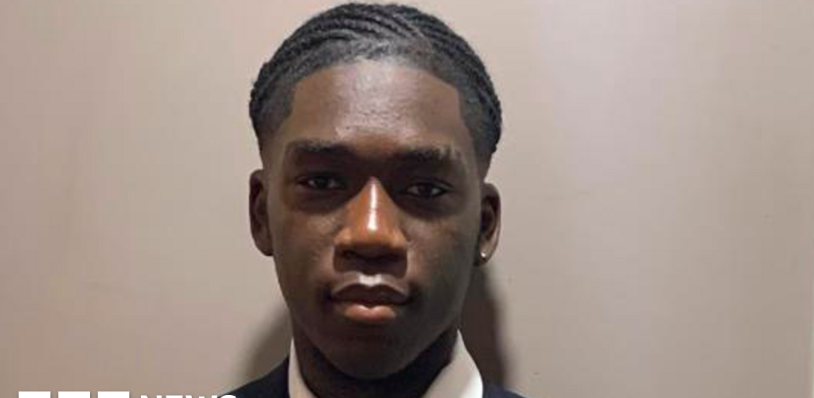
Behind the Glamour: How Charles Mwesigwa Exploited Vulnerable Women in Dubai
Dubai has long marketed itself as a city of shimmering towers, luxury lifestyles, and boundless opportunity. Yet, behind its glittering façade, a darker reality lurks—one in which vulnerable women are ensnared by networks that prey on their hopes and dreams. At the centre of one such degrading network was Charles Mwesigwa, a man accused of orchestrating a system of exploitation that turned Dubai’s promise of glamour into a nightmare.
The Mirage of Opportunity
Register for Tekedia Mini-MBA edition 20 (June 8 – Sept 5, 2026).
Register for Tekedia AI in Business Masterclass.
Join Tekedia Capital Syndicate and co-invest in great global startups.
Register for Tekedia AI Lab.
For many young women across Africa and beyond, Dubai represents a gateway to prosperity. The city’s reputation as a global hub for fashion, hospitality, and entertainment makes it an attractive destination for those seeking better lives. Recruiters often advertise lucrative jobs—modelling contracts, waitressing gigs, event promotions, or opportunities in the beauty industry.
But for countless women, these promises are nothing more than a mirage. Once they arrive in Dubai, they find themselves trapped in conditions of exploitation, stripped of their dignity, and unable to escape.
Charles Mwesigwa is said to have perfected this formula of deception. With persuasive words and promises of glamorous lifestyles, he allegedly targeted women who were desperate for opportunity. Through networks spanning from Kampala to Nairobi and beyond, he recruited women with little knowledge of what awaited them.

A Network Built on Deception
According to testimonies from survivors, Mwesigwa and his associates would lure women with fake contracts, covering their travel costs and assuring them of stable jobs. Upon arrival, however, reality diverged sharply from the promises. Passports were confiscated, and instead of the glamorous careers they envisioned, many were forced into degrading forms of labor and, in some cases, sexual exploitation.
This bait-and-switch tactic is not unique to Dubai; it is part of a wider phenomenon of human trafficking that thrives wherever vulnerable populations intersect with unchecked demand. But what made Mwesigwa’s network particularly insidious was how it weaponised the allure of luxury. By embedding his recruitment pitches in the language of glamour and opportunity, he ensured that his victims walked willingly into the trap.

The Human Cost
The women caught in this network often endured unspeakable abuse. Some were made to work long hours without pay, living in cramped accommodations under strict surveillance. Others reported being coerced into prostitution to repay fabricated “debts” tied to their travel expenses.
The psychological toll was equally severe. Women spoke of isolation, fear, and the crushing realization that the dream they had pursued had turned into captivity. The shame associated with their ordeal often silenced them, preventing them from seeking help or speaking out.
By exploiting their vulnerability, Mwesigwa’s network stripped these women not only of their freedom but of their dignity and self-worth.
Why Networks Like This Thrive
To understand why figures like Charles Mwesigwa succeed, one must examine the broader ecosystem that enables such exploitation. Several factors converge:
1. **Economic Vulnerability**: High unemployment rates and limited opportunities in home countries make young women susceptible to promises of better lives abroad.
2. **Weak Regulation**: Recruitment agencies often operate in legal gray areas, with little oversight or accountability. Fake contracts and deceptive job postings can circulate unchecked.
3. **Cultural Stigma**: Victims returning from such ordeals often face judgment and shame within their communities, discouraging others from speaking up and perpetuating the silence.
4. **Demand for Exploited Labor**: The glitzy industries of Dubai—from hospitality to entertainment—rely on a steady influx of cheap, expendable labor. Networks like Mwesigwa’s feed this demand.
Cracks in the Façade
While Dubai has made strides in addressing human trafficking and labor exploitation, the persistence of such networks demonstrates the limits of policy enforcement. Crackdowns alone cannot dismantle the underlying machinery that fuels exploitation. Instead, a multi-pronged approach is necessary:
Stronger Bilateral Cooperation**: Source countries must work closely with Dubai’s authorities to regulate recruitment and track down traffickers.
Awareness Campaigns**: Women need to be informed about the risks associated with overseas job offers and how to verify legitimate opportunities.
Support Systems for Survivors**: Returning victims must be provided with counselling, reintegration programs, and safe spaces to share their experiences without fear of stigma.
Lessons Beyond Dubai
Mwesigwa’s story is not just about one man or one city. It illustrates a global problem: the exploitation of vulnerable populations through promises of prosperity. Similar networks operate in Europe, Asia, and North America, each adapting to the cultural and economic context of their victims.
At its core, this is a story about inequality. When opportunities at home are scarce, people will chase them abroad—often at great personal risk. Until these root causes are addressed, traffickers will continue to thrive.
A Call to Action
The case of Charles Mwesigwa forces us to confront uncomfortable truths. Behind the dazzling lights of Dubai lies a shadow economy built on exploitation. For every story of success in the city’s glamorous districts, there is another of silent suffering.
As a global community, we cannot turn away. Governments, civil society organisations, and individuals all have a role to play in exposing these networks and protecting those most at risk. Transparency in recruitment, accountability for traffickers, and compassion for survivors are not just moral imperatives—they are necessary steps toward dismantling a system that profits from degradation.
Final Thoughts
The women exploited by Mwesigwa’s network remind us that dreams can be weaponised as traps. What should have been journeys of opportunity turned into cycles of abuse and despair. Their courage in speaking out offers a chance for justice, but also a challenge to the rest of us: to ensure that glamour never again masks exploitation.
Behind every glittering skyline is a story untold. It is up to us to listen—and to act.
Conclusion
In the end, the case of Charles Mwesigwa is a grim reminder that beneath the glamour of global cities like Dubai lies an underworld of exploitation that thrives on inequality, deception, and silence. Protecting vulnerable women requires more than exposing the perpetrators—it demands collective action to close the loopholes that allow such networks to flourish. By confronting uncomfortable truths, strengthening protections, and amplifying the voices of survivors, we can ensure that the promise of opportunity abroad is no longer twisted into a weapon of exploitation.
Meta Description (155 characters)
Charles Mwesigwa lured women to Dubai with promises of glamour, trapping them in a degrading network of exploitation and abuse.
Uploaded files:Share this:
- Click to share on Facebook (Opens in new window) Facebook
- Click to share on X (Opens in new window) X
- Click to share on WhatsApp (Opens in new window) WhatsApp
- Click to share on LinkedIn (Opens in new window) LinkedIn
- Click to email a link to a friend (Opens in new window) Email
- Click to print (Opens in new window) Print