

Cute but Catastrophic: Raccoons Threaten Germany’s Ecosystems, Scientists Warn

Quote from Alex Bobby on July 13, 2025, 5:16 AM
Raccoons May Look Cute, but Scientists Warn They’re Causing Ecological Havoc in Germany
With their masked faces and nimble hands, raccoons often appear more cartoon character than ecological menace. But behind their endearing appearance lies a growing environmental crisis that is capturing the attention of scientists across Europe—especially in Germany, where raccoons are rapidly becoming a major threat to biodiversity.
Once considered a quirky addition to German wildlife, the North American raccoon (Procyon lotor) is now being blamed for widespread ecological damage, particularly in forested and urban areas. A new study published in Ecological Indicators by researchers at Goethe University and the Senckenberg Biodiversity and Climate Research Center warns that the country is facing a tipping point—and urgent intervention is needed.
Raccoons Are More Than Just Scavengers
Contrary to their popular portrayal as harmless nocturnal foragers, the study reveals raccoons are actually highly effective predators. With up to two million raccoons now living in Germany, their growing numbers are overwhelming local ecosystems. In urban areas like Kassel, the density exceeds 100 raccoons per 100 hectares—roughly one per football pitch—making it one of the highest raccoon concentrations in Europe.
Dr. Norbert Peter, head of the ZOWIAC project (Zoonotic and Wildlife Ecological Impacts of Invasive Carnivores), says the animals are driving dramatic declines in sensitive native species.
“They don’t just scavenge—they actively raid bird nests, eat eggs and young animals, and go on what we call hunting frenzies in protected habitats,” Dr. Peter explains.
The animals’ adaptability, generalist diet, and lack of natural predators have made their spread nearly unstoppable—and their impact, devastating.
Public Sympathy vs. Scientific Reality
One of the major obstacles to raccoon population control, the researchers argue, is public perception. With their photogenic faces and curious antics, raccoons have been anthropomorphised in social media and popular culture, leading to widespread resistance to necessary control efforts.
Dr. Dorian Dörge, scientific coordinator of the study, notes that much of the public opposition is fuelled by myths and outdated studies.
“There are persistent falsehoods—like the idea that hunting raccoons makes them breed more quickly, or that they’re just misunderstood scavengers. These narratives are not backed by science and are making the problem worse,” Dörge says.
The researchers warn that sterilisation programs are unfeasible or even illegal under EU regulations governing invasive species. As such, emotional reluctance to support culling programs has left policymakers with limited tools.
A Call for Coordinated Action
To combat the raccoon crisis, the study calls for federal funding, targeted hunting, and stronger public education campaigns. These efforts, the authors argue, must override emotional appeals in favour of science-based policy.
“We must implement the legal requirements for species protection consistently,” says Professor Sven Klimpel, the study’s lead author. “Sympathy for charismatic animals cannot come at the cost of ecosystem collapse.”
The researchers are also encouraging international cooperation to monitor and manage invasive species more effectively across Europe. Germany’s experience, they say, could serve as a warning for other nations currently underestimating the potential threat of raccoons and similar species.
A Broader European Problem
Raccoons are just one part of a much larger issue. Europe is now home to over 12,000 alien species, according to the European Commission. About 15% are classified as invasive, meaning they pose significant risks to native biodiversity, agriculture, or human health.
Other invasive species causing concern include:
- The Asian hornet, or “murder hornet,” now spreading across Europe from France to Slovakia, preying on bees and posing risks to pollination.
- The African sacred ibis, once revered in ancient Egypt, now threatening native bird species in Italy by consuming eggs and hatchlings.
- Several species of algae and poisonous fish in the Mediterranean that are outcompeting local marine life and disrupting ecosystems.
These species are not just an ecological concern—they are also an economic burden. Invasive alien species cost the EU an estimated €12 billion annually, and nearly €400 billion globally.
Rethinking Our Relationship with Invasive Species
What the raccoon situation in Germany highlights is the need to balance emotion with evidence. Conservation efforts are often derailed by misplaced empathy or misinformation, particularly when invasive species are visually appealing or culturally embedded.
In the case of raccoons, popular affection is clashing with cold ecological facts. Without urgent, coordinated intervention, scientists fear that Germany could suffer irreversible biodiversity losses—especially among birds, amphibians, and small mammals that have no natural defences against the cunning and voracious raccoon.
Conclusion
Raccoons may look cute, but their unchecked rise in Germany is anything but harmless. The science is clear: invasive predators like raccoons are not only disrupting delicate ecosystems, but also undermining years of conservation progress. As public sympathy continues to cloud judgment, experts stress the need for decisive, evidence-based policies—before it’s too late for Germany’s native wildlife.
Meta Description: Raccoons may look cute, but German scientists warn the invasive species is devastating ecosystems and threatening biodiversity. Urgent action is needed to reverse the damage.
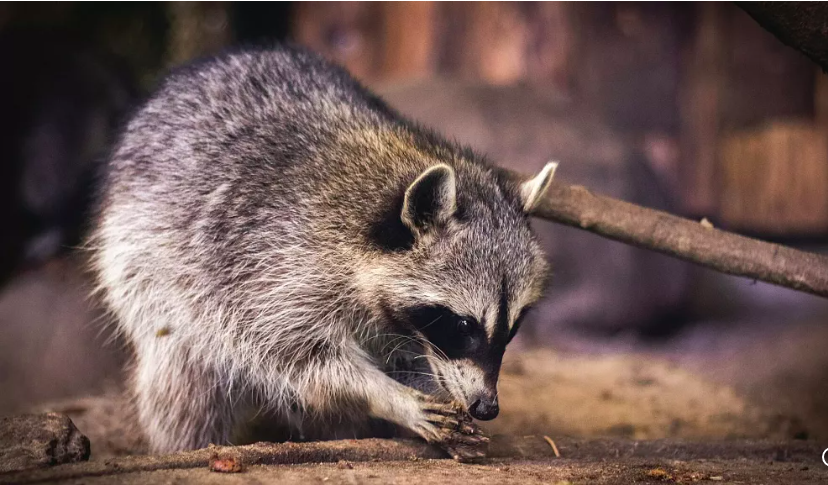
Raccoons May Look Cute, but Scientists Warn They’re Causing Ecological Havoc in Germany
With their masked faces and nimble hands, raccoons often appear more cartoon character than ecological menace. But behind their endearing appearance lies a growing environmental crisis that is capturing the attention of scientists across Europe—especially in Germany, where raccoons are rapidly becoming a major threat to biodiversity.
Once considered a quirky addition to German wildlife, the North American raccoon (Procyon lotor) is now being blamed for widespread ecological damage, particularly in forested and urban areas. A new study published in Ecological Indicators by researchers at Goethe University and the Senckenberg Biodiversity and Climate Research Center warns that the country is facing a tipping point—and urgent intervention is needed.
Register for Tekedia Mini-MBA edition 20 (June 8 – Sept 5, 2026).
Register for Tekedia AI in Business Masterclass.
Join Tekedia Capital Syndicate and co-invest in great global startups.
Register for Tekedia AI Lab.
Raccoons Are More Than Just Scavengers
Contrary to their popular portrayal as harmless nocturnal foragers, the study reveals raccoons are actually highly effective predators. With up to two million raccoons now living in Germany, their growing numbers are overwhelming local ecosystems. In urban areas like Kassel, the density exceeds 100 raccoons per 100 hectares—roughly one per football pitch—making it one of the highest raccoon concentrations in Europe.
Dr. Norbert Peter, head of the ZOWIAC project (Zoonotic and Wildlife Ecological Impacts of Invasive Carnivores), says the animals are driving dramatic declines in sensitive native species.

“They don’t just scavenge—they actively raid bird nests, eat eggs and young animals, and go on what we call hunting frenzies in protected habitats,” Dr. Peter explains.
The animals’ adaptability, generalist diet, and lack of natural predators have made their spread nearly unstoppable—and their impact, devastating.
Public Sympathy vs. Scientific Reality

One of the major obstacles to raccoon population control, the researchers argue, is public perception. With their photogenic faces and curious antics, raccoons have been anthropomorphised in social media and popular culture, leading to widespread resistance to necessary control efforts.
Dr. Dorian Dörge, scientific coordinator of the study, notes that much of the public opposition is fuelled by myths and outdated studies.
“There are persistent falsehoods—like the idea that hunting raccoons makes them breed more quickly, or that they’re just misunderstood scavengers. These narratives are not backed by science and are making the problem worse,” Dörge says.
The researchers warn that sterilisation programs are unfeasible or even illegal under EU regulations governing invasive species. As such, emotional reluctance to support culling programs has left policymakers with limited tools.
A Call for Coordinated Action
To combat the raccoon crisis, the study calls for federal funding, targeted hunting, and stronger public education campaigns. These efforts, the authors argue, must override emotional appeals in favour of science-based policy.
“We must implement the legal requirements for species protection consistently,” says Professor Sven Klimpel, the study’s lead author. “Sympathy for charismatic animals cannot come at the cost of ecosystem collapse.”
The researchers are also encouraging international cooperation to monitor and manage invasive species more effectively across Europe. Germany’s experience, they say, could serve as a warning for other nations currently underestimating the potential threat of raccoons and similar species.
A Broader European Problem
Raccoons are just one part of a much larger issue. Europe is now home to over 12,000 alien species, according to the European Commission. About 15% are classified as invasive, meaning they pose significant risks to native biodiversity, agriculture, or human health.
Other invasive species causing concern include:
- The Asian hornet, or “murder hornet,” now spreading across Europe from France to Slovakia, preying on bees and posing risks to pollination.
- The African sacred ibis, once revered in ancient Egypt, now threatening native bird species in Italy by consuming eggs and hatchlings.
- Several species of algae and poisonous fish in the Mediterranean that are outcompeting local marine life and disrupting ecosystems.
These species are not just an ecological concern—they are also an economic burden. Invasive alien species cost the EU an estimated €12 billion annually, and nearly €400 billion globally.
Rethinking Our Relationship with Invasive Species
What the raccoon situation in Germany highlights is the need to balance emotion with evidence. Conservation efforts are often derailed by misplaced empathy or misinformation, particularly when invasive species are visually appealing or culturally embedded.
In the case of raccoons, popular affection is clashing with cold ecological facts. Without urgent, coordinated intervention, scientists fear that Germany could suffer irreversible biodiversity losses—especially among birds, amphibians, and small mammals that have no natural defences against the cunning and voracious raccoon.
Conclusion
Raccoons may look cute, but their unchecked rise in Germany is anything but harmless. The science is clear: invasive predators like raccoons are not only disrupting delicate ecosystems, but also undermining years of conservation progress. As public sympathy continues to cloud judgment, experts stress the need for decisive, evidence-based policies—before it’s too late for Germany’s native wildlife.
Meta Description: Raccoons may look cute, but German scientists warn the invasive species is devastating ecosystems and threatening biodiversity. Urgent action is needed to reverse the damage.
Uploaded files:Share this:
- Click to share on Facebook (Opens in new window) Facebook
- Click to share on X (Opens in new window) X
- Click to share on WhatsApp (Opens in new window) WhatsApp
- Click to share on LinkedIn (Opens in new window) LinkedIn
- Click to email a link to a friend (Opens in new window) Email
- Click to print (Opens in new window) Print