

Did The Simpsons Prediction, Really Kill Off Marge? Season 36 Finale Shocks Fans with Future Twist

Quote from Alex Bobby on June 27, 2025, 6:12 AM
Ay Caramba! Did The Simpsons Really Kill Off Marge in the Season 36 Finale?
Meta description: Marge Simpson’s funeral rocked fans in The Simpsons season 36 finale. But is her death real, or just a clever narrative twist? Here's what we know.For more than three decades, The Simpsons has been a steady presence in popular culture—offering comfort, satire, and yellow-hued hilarity to generations of viewers. The long-running animated show, created by Matt Groening back in 1989, continues to evolve while still clinging to its classic charm. But the season 36 finale, boldly titled “Estranger Things,” has shaken the fanbase to its core by seemingly killing off one of its most beloved characters: Marge Simpson.
Yes, that Marge—Springfield’s ever-patient blue-haired matriarch, wife to Homer, and the family’s moral compass—is, according to the final moments of the season, dead.
Sort of.
A Time Leap and a Tombstone
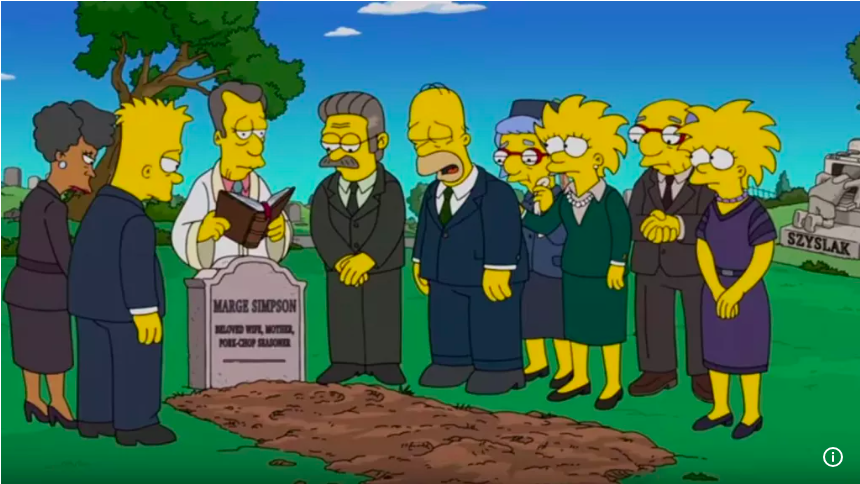
In a plot twist that blends dark humour with a surprisingly sentimental touch, the final scene of the episode leaps 35 years into the future. Viewers are shown a visibly aged Homer weeping at Marge’s grave. The tombstone reads, heartbreakingly yet hilariously: “Beloved wife, mother, pork-chop seasoner.” A flash to the afterlife then reveals Marge herself—cheerful and content—kissing the late Beatles drummer Ringo Starr.
“I’m just so glad we’re allowed to marry different people in Heaven,” she quips, in classic Simpsons fashion.
So, is Marge dead? Technically, yes. But also, not really. She dies in the future—which means present-day Marge is still alive and well, ready to star in season 37. And if we’ve learned anything from The Simpsons, it’s that time is... flexible.
Death in Animation: Canon or Commentary?
Deaths in The Simpsons have been exceedingly rare. In fact, the show has made a tradition out of preserving its core characters in eternal animated youth. The few exceptions—Maude Flanders, Bleeding Gums Murphy, and Larry Dalrymple—were secondary players whose exits stirred emotion but didn’t disrupt the show’s core dynamics.
So why flirt with finality for a key character like Marge?
It may simply be a clever device to play with narrative structure and fan expectations. After all, 35 years into a show, it’s not unreasonable to speculate about the future. And who’s to say the scene wasn’t just Homer’s dream or a tongue-in-cheek vision of things to come?
The Family Guy Precedent
Animated deaths can be reversible—or at least negotiable—especially when fan backlash hits hard.
Just ask Family Guy. In season 12, the Griffin family’s talking dog Brian was shockingly killed off, run over by a car. The outcry was so intense that two episodes later, Brian was brought back via Stewie’s time machine. The move proved that animated series can take bold risks, but if fans revolt loudly enough, creators may walk them back.
Seth MacFarlane later insisted that Brian’s death wasn’t a ratings stunt but rather a reminder that “anything can happen” in television. Still, it was a gamble—and a lesson in the delicate balance between narrative surprise and viewer loyalty.
Could The Simpsons pull a similar move if Marge’s death becomes too controversial? Maybe. But given the far-future setting, the writers have cleverly insulated themselves from immediate fan fury.
Peppa Pig: Growing Pains Without the Grim Reaper
For a non-lethal contrast, consider Peppa Pig. The long-running British children’s series recently introduced a new sibling, Evie, marking a significant family change. Mummy Pig announced it live on Good Morning Britain, sending ripples through the pre-school-viewing world.
While not as emotionally charged as a death, introducing a new character alters a show's dynamic and can prompt similar reactions: curiosity, confusion, or even backlash. Yet, such changes underscore a broader point—long-running animated shows, even those for children, must evolve or risk stagnation.
Mourning Marge (Sort Of)
The fictional deaths of beloved characters like Marge highlight something essential about fandom: these characters are more than just drawings. They become fixtures in our lives, symbolic stand-ins for consistency and familiarity in a chaotic world.
So yes, Marge Simpson will die. In the future. But for now, she remains the strong-willed, raspy-voiced mother we all know and love. Her sky-high blue hair isn’t going anywhere just yet.
And let’s face it—The Simpsons plays fast and loose with time. Marge’s age has hovered around 36 for decades, which means a 35-year leap still only brings her to 71. Considering her often-stressed lifestyle and years of mothering Bart, Lisa, and Maggie, she’s doing pretty well.
So… How Did She Die?
The episode doesn’t say. The cause of death is left entirely to the imagination—sparking endless speculation. Was it heartbreak? Old age? A cooking accident? Chronic back pain from supporting that iconic beehive?
Until the writers decide to revisit that timeline (or retcon it entirely), fans can continue to speculate. One thing’s for sure: Marge’s exit—whenever and however it happens—will leave an emotional void that no pork chop can fill.
For now, rest easy, Marge. You’ve earned it.
Conclusion
In the end, Marge’s death in The Simpsons season 36 finale is real—but only in a future timeline. For now, she’s still very much alive in Springfield. And in true Simpsons fashion, nothing is ever truly final.
Interested in more Simpsons speculation and fun theories about how the show keeps predicting the future? Stay tuned—we’ve got plenty more yellow-tinted analysis coming up!
Ay Caramba! Did The Simpsons Really Kill Off Marge in the Season 36 Finale?
Meta description: Marge Simpson’s funeral rocked fans in The Simpsons season 36 finale. But is her death real, or just a clever narrative twist? Here's what we know.
For more than three decades, The Simpsons has been a steady presence in popular culture—offering comfort, satire, and yellow-hued hilarity to generations of viewers. The long-running animated show, created by Matt Groening back in 1989, continues to evolve while still clinging to its classic charm. But the season 36 finale, boldly titled “Estranger Things,” has shaken the fanbase to its core by seemingly killing off one of its most beloved characters: Marge Simpson.
Yes, that Marge—Springfield’s ever-patient blue-haired matriarch, wife to Homer, and the family’s moral compass—is, according to the final moments of the season, dead.
Register for Tekedia Mini-MBA edition 20 (June 8 – Sept 5, 2026).
Register for Tekedia AI in Business Masterclass.
Join Tekedia Capital Syndicate and co-invest in great global startups.
Register for Tekedia AI Lab.
Sort of.
A Time Leap and a Tombstone
In a plot twist that blends dark humour with a surprisingly sentimental touch, the final scene of the episode leaps 35 years into the future. Viewers are shown a visibly aged Homer weeping at Marge’s grave. The tombstone reads, heartbreakingly yet hilariously: “Beloved wife, mother, pork-chop seasoner.” A flash to the afterlife then reveals Marge herself—cheerful and content—kissing the late Beatles drummer Ringo Starr.

“I’m just so glad we’re allowed to marry different people in Heaven,” she quips, in classic Simpsons fashion.
So, is Marge dead? Technically, yes. But also, not really. She dies in the future—which means present-day Marge is still alive and well, ready to star in season 37. And if we’ve learned anything from The Simpsons, it’s that time is... flexible.
Death in Animation: Canon or Commentary?

Deaths in The Simpsons have been exceedingly rare. In fact, the show has made a tradition out of preserving its core characters in eternal animated youth. The few exceptions—Maude Flanders, Bleeding Gums Murphy, and Larry Dalrymple—were secondary players whose exits stirred emotion but didn’t disrupt the show’s core dynamics.
So why flirt with finality for a key character like Marge?
It may simply be a clever device to play with narrative structure and fan expectations. After all, 35 years into a show, it’s not unreasonable to speculate about the future. And who’s to say the scene wasn’t just Homer’s dream or a tongue-in-cheek vision of things to come?
The Family Guy Precedent
Animated deaths can be reversible—or at least negotiable—especially when fan backlash hits hard.
Just ask Family Guy. In season 12, the Griffin family’s talking dog Brian was shockingly killed off, run over by a car. The outcry was so intense that two episodes later, Brian was brought back via Stewie’s time machine. The move proved that animated series can take bold risks, but if fans revolt loudly enough, creators may walk them back.
Seth MacFarlane later insisted that Brian’s death wasn’t a ratings stunt but rather a reminder that “anything can happen” in television. Still, it was a gamble—and a lesson in the delicate balance between narrative surprise and viewer loyalty.
Could The Simpsons pull a similar move if Marge’s death becomes too controversial? Maybe. But given the far-future setting, the writers have cleverly insulated themselves from immediate fan fury.
Peppa Pig: Growing Pains Without the Grim Reaper
For a non-lethal contrast, consider Peppa Pig. The long-running British children’s series recently introduced a new sibling, Evie, marking a significant family change. Mummy Pig announced it live on Good Morning Britain, sending ripples through the pre-school-viewing world.
While not as emotionally charged as a death, introducing a new character alters a show's dynamic and can prompt similar reactions: curiosity, confusion, or even backlash. Yet, such changes underscore a broader point—long-running animated shows, even those for children, must evolve or risk stagnation.
Mourning Marge (Sort Of)
The fictional deaths of beloved characters like Marge highlight something essential about fandom: these characters are more than just drawings. They become fixtures in our lives, symbolic stand-ins for consistency and familiarity in a chaotic world.
So yes, Marge Simpson will die. In the future. But for now, she remains the strong-willed, raspy-voiced mother we all know and love. Her sky-high blue hair isn’t going anywhere just yet.
And let’s face it—The Simpsons plays fast and loose with time. Marge’s age has hovered around 36 for decades, which means a 35-year leap still only brings her to 71. Considering her often-stressed lifestyle and years of mothering Bart, Lisa, and Maggie, she’s doing pretty well.
So… How Did She Die?
The episode doesn’t say. The cause of death is left entirely to the imagination—sparking endless speculation. Was it heartbreak? Old age? A cooking accident? Chronic back pain from supporting that iconic beehive?
Until the writers decide to revisit that timeline (or retcon it entirely), fans can continue to speculate. One thing’s for sure: Marge’s exit—whenever and however it happens—will leave an emotional void that no pork chop can fill.
For now, rest easy, Marge. You’ve earned it.
Conclusion
In the end, Marge’s death in The Simpsons season 36 finale is real—but only in a future timeline. For now, she’s still very much alive in Springfield. And in true Simpsons fashion, nothing is ever truly final.
Interested in more Simpsons speculation and fun theories about how the show keeps predicting the future? Stay tuned—we’ve got plenty more yellow-tinted analysis coming up!
Uploaded files:Share this:
- Click to share on Facebook (Opens in new window) Facebook
- Click to share on X (Opens in new window) X
- Click to share on WhatsApp (Opens in new window) WhatsApp
- Click to share on LinkedIn (Opens in new window) LinkedIn
- Click to email a link to a friend (Opens in new window) Email
- Click to print (Opens in new window) Print