

Dua Lipa Reportedly Drops Agent David Levy Over Glastonbury Kneecap Controversy and Pro-Palestine Stance

Quote from Alex Bobby on September 24, 2025, 7:13 AM
Dua Lipa’s Alleged Split With Agent David Levy Linked to Glastonbury Kneecap Controversy
British pop sensation Dua Lipa has allegedly cut ties with her longtime agent David Levy, following claims that he played a role in a behind-the-scenes campaign to have Irish rap trio Kneecap removed from this year’s Glastonbury Festival line-up over their outspoken pro-Palestine stance. The move underscores the growing entanglement of global pop culture with political debates surrounding the Israel-Palestine conflict, with artists increasingly pressed to take public positions on the issue.
Allegations Against Levy
According to *The Mail on Sunday*, Lipa “made sure through her people that David Levy wasn’t working on her music anymore.” The reported split comes after Levy was accused of signing a letter to Glastonbury organisers, urging them to cancel Kneecap’s slot at the world-famous music festival. The letter was intended to remain confidential but was later leaked by a festival employee.
A source close to Lipa told the paper: “She is very openly pro-Palestine, and that doesn’t align with David. She views him as being a supporter of Israel’s war in Gaza, and the terrible treatment of the Palestinians, and that was made very clear through the letter that he signed and sent to Michael Eavis \[Glastonbury founder].”
Despite the campaign, the effort to remove Kneecap was unsuccessful. The Belfast-based rap trio performed as scheduled, drawing attention not just for their music but for their political statements. British police later confirmed they had received complaints about Kneecap’s performance but dropped any potential case, citing a lack of evidence of criminal wrongdoing.
Lipa’s Pro-Palestine Advocacy
The reported break with Levy aligns with Lipa’s consistent and public advocacy for Palestinian rights. Throughout the conflict in Gaza, she has been among the most prominent global artists to condemn violence and call for political accountability.
Earlier this year, she joined actors Jessica Chastain and Cate Blanchett, along with musician Michael Stipe, in signing an open letter to U.S. President Joe Biden demanding an immediate ceasefire in Gaza, the safe release of hostages, and an end to the bombing campaign.
In May, she was among hundreds of cultural figures to sign another open letter addressed to U.K. Prime Minister Keir Starmer, urging him to halt arms sales to Israel. That letter, organised by refugee charity Choose Love, declared:
> “The world is watching and history will not forget. The children of Gaza cannot wait another minute. Prime Minister, what will you choose? Complicity in war crimes, or the courage to act?”
Lipa has also gone further in her rhetoric, accusing Israel of committing “genocide” against Palestinians. These outspoken positions have made her one of the most visible pro-Palestine voices in the global pop industry.
Music Industry Fallout
The allegations surrounding Levy have not only affected his professional relationship with Lipa. Bristol-based trip-hop pioneers Massive Attack have also reportedly severed ties with the WME agent over his pro-Israel stance. The band, long known for its activism, has taken a series of high-profile steps in recent months to protest Israeli actions in Gaza and beyond.
Just last week, Massive Attack announced they were pulling their catalogue from Spotify in protest at CEO Daniel Ek’s €600 million investment in Helsing, a defence technology company. They also called on their label, Universal Music Group, to remove their catalogue from all streaming platforms in Israel.
The moves reflect a broader shift within the global music community, where artists are increasingly using their platforms—and their contracts—to take political stands.
The Glastonbury Flashpoint
At the centre of the controversy lies Kneecap, a politically charged hip-hop act from Belfast. Known for their irreverent style and support for Irish republicanism, the trio have also been outspoken about Palestine, drawing the ire of critics who accuse them of promoting antisemitism—a charge the band denies.
The letter Levy allegedly signed, which urged Glastonbury to cancel Kneecap’s performance, has become a flashpoint in the debate over how far political activism should be allowed to shape festival line-ups. Glastonbury has long prided itself on being both a cultural and political stage, with its founder Michael Eavis openly embracing activism. In this case, Eavis and his team chose not to bow to pressure, allowing Kneecap to perform.
Silence From Dua Lipa
For now, Dua Lipa herself has not publicly commented on the reported split with Levy. She remains represented by William Morris Endeavor (WME), one of the most powerful agencies in the entertainment world, though insiders stress that Levy is no longer directly involved in her career.
The silence may be strategic. Lipa is both one of Britain’s most successful pop exports and an increasingly political figure, and any statement on her part could reignite controversy just as she prepares for future projects.
A New Reality for Artists
The alleged rift between Dua Lipa and her agent illustrates the new reality for international artists navigating the intersection of politics, music, and representation. In today’s hyperconnected media landscape, remaining neutral is often not an option. For many, personal and professional alliances must align with their public advocacy—or risk being called out by fans and activists alike.
In the case of Lipa, her pro-Palestine stance is not just an occasional comment but a defining part of her public identity. Aligning with an agent allegedly working against those values would risk undermining her credibility. Dropping Levy, then, may have been as much about protecting her image as about personal conviction.
Final Thoughts
Dua Lipa’s reported split with David Levy goes beyond one artist and one agent—it speaks to a larger shift in how politics and cultural representation are reshaping the music industry. Artists are increasingly unwilling to separate their professional teams from their personal values, especially when it comes to issues as visible and polarising as the war in Gaza.
Looking forward, Lipa’s move could encourage other performers to scrutinize their professional relationships more closely, demanding alignment not only on career goals but on ethical and political principles. In a global industry where image and integrity are tightly intertwined, this may be the new normal.
Conclusion
Dua Lipa’s reported decision to cut ties with David Levy signals more than just a personnel change—it represents a broader shift in how artists balance politics and professional relationships. At a time when conflicts abroad shape discourse at home, the music industry is becoming an increasingly visible battleground for political influence.
Whether Levy’s involvement in the Glastonbury letter was decisive in his split with Lipa or merely one factor among many, the message is clear: in 2025, global pop stars are expected not only to sing but to stand.
Meta Description (under 160 characters):
Dua Lipa allegedly parts ways with WME agent David Levy after claims he sought to block pro-Palestine rap group Kneecap from Glastonbury.
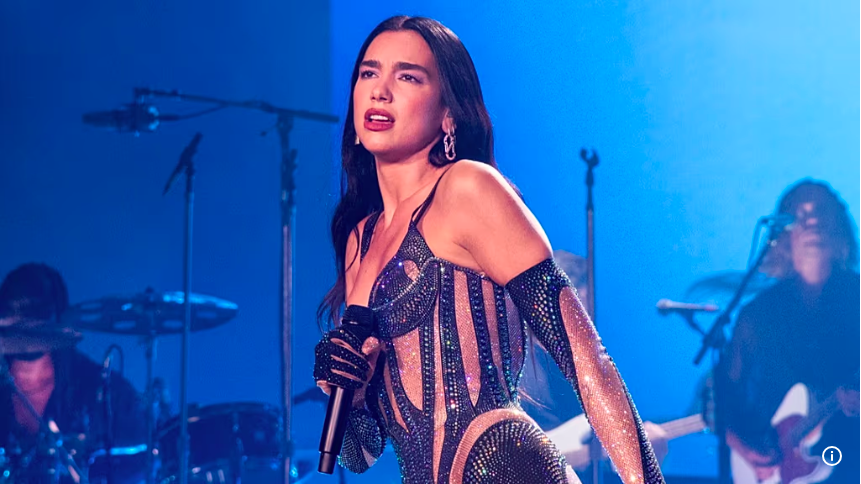
Dua Lipa’s Alleged Split With Agent David Levy Linked to Glastonbury Kneecap Controversy
British pop sensation Dua Lipa has allegedly cut ties with her longtime agent David Levy, following claims that he played a role in a behind-the-scenes campaign to have Irish rap trio Kneecap removed from this year’s Glastonbury Festival line-up over their outspoken pro-Palestine stance. The move underscores the growing entanglement of global pop culture with political debates surrounding the Israel-Palestine conflict, with artists increasingly pressed to take public positions on the issue.
Allegations Against Levy
Register for Tekedia Mini-MBA edition 20 (June 8 – Sept 5, 2026).
Register for Tekedia AI in Business Masterclass.
Join Tekedia Capital Syndicate and co-invest in great global startups.
Register for Tekedia AI Lab.
According to *The Mail on Sunday*, Lipa “made sure through her people that David Levy wasn’t working on her music anymore.” The reported split comes after Levy was accused of signing a letter to Glastonbury organisers, urging them to cancel Kneecap’s slot at the world-famous music festival. The letter was intended to remain confidential but was later leaked by a festival employee.
A source close to Lipa told the paper: “She is very openly pro-Palestine, and that doesn’t align with David. She views him as being a supporter of Israel’s war in Gaza, and the terrible treatment of the Palestinians, and that was made very clear through the letter that he signed and sent to Michael Eavis \[Glastonbury founder].”
Despite the campaign, the effort to remove Kneecap was unsuccessful. The Belfast-based rap trio performed as scheduled, drawing attention not just for their music but for their political statements. British police later confirmed they had received complaints about Kneecap’s performance but dropped any potential case, citing a lack of evidence of criminal wrongdoing.

Lipa’s Pro-Palestine Advocacy
The reported break with Levy aligns with Lipa’s consistent and public advocacy for Palestinian rights. Throughout the conflict in Gaza, she has been among the most prominent global artists to condemn violence and call for political accountability.
Earlier this year, she joined actors Jessica Chastain and Cate Blanchett, along with musician Michael Stipe, in signing an open letter to U.S. President Joe Biden demanding an immediate ceasefire in Gaza, the safe release of hostages, and an end to the bombing campaign.

In May, she was among hundreds of cultural figures to sign another open letter addressed to U.K. Prime Minister Keir Starmer, urging him to halt arms sales to Israel. That letter, organised by refugee charity Choose Love, declared:
> “The world is watching and history will not forget. The children of Gaza cannot wait another minute. Prime Minister, what will you choose? Complicity in war crimes, or the courage to act?”
Lipa has also gone further in her rhetoric, accusing Israel of committing “genocide” against Palestinians. These outspoken positions have made her one of the most visible pro-Palestine voices in the global pop industry.
Music Industry Fallout
The allegations surrounding Levy have not only affected his professional relationship with Lipa. Bristol-based trip-hop pioneers Massive Attack have also reportedly severed ties with the WME agent over his pro-Israel stance. The band, long known for its activism, has taken a series of high-profile steps in recent months to protest Israeli actions in Gaza and beyond.
Just last week, Massive Attack announced they were pulling their catalogue from Spotify in protest at CEO Daniel Ek’s €600 million investment in Helsing, a defence technology company. They also called on their label, Universal Music Group, to remove their catalogue from all streaming platforms in Israel.
The moves reflect a broader shift within the global music community, where artists are increasingly using their platforms—and their contracts—to take political stands.
The Glastonbury Flashpoint
At the centre of the controversy lies Kneecap, a politically charged hip-hop act from Belfast. Known for their irreverent style and support for Irish republicanism, the trio have also been outspoken about Palestine, drawing the ire of critics who accuse them of promoting antisemitism—a charge the band denies.
The letter Levy allegedly signed, which urged Glastonbury to cancel Kneecap’s performance, has become a flashpoint in the debate over how far political activism should be allowed to shape festival line-ups. Glastonbury has long prided itself on being both a cultural and political stage, with its founder Michael Eavis openly embracing activism. In this case, Eavis and his team chose not to bow to pressure, allowing Kneecap to perform.
Silence From Dua Lipa
For now, Dua Lipa herself has not publicly commented on the reported split with Levy. She remains represented by William Morris Endeavor (WME), one of the most powerful agencies in the entertainment world, though insiders stress that Levy is no longer directly involved in her career.
The silence may be strategic. Lipa is both one of Britain’s most successful pop exports and an increasingly political figure, and any statement on her part could reignite controversy just as she prepares for future projects.
A New Reality for Artists
The alleged rift between Dua Lipa and her agent illustrates the new reality for international artists navigating the intersection of politics, music, and representation. In today’s hyperconnected media landscape, remaining neutral is often not an option. For many, personal and professional alliances must align with their public advocacy—or risk being called out by fans and activists alike.
In the case of Lipa, her pro-Palestine stance is not just an occasional comment but a defining part of her public identity. Aligning with an agent allegedly working against those values would risk undermining her credibility. Dropping Levy, then, may have been as much about protecting her image as about personal conviction.
Final Thoughts
Dua Lipa’s reported split with David Levy goes beyond one artist and one agent—it speaks to a larger shift in how politics and cultural representation are reshaping the music industry. Artists are increasingly unwilling to separate their professional teams from their personal values, especially when it comes to issues as visible and polarising as the war in Gaza.
Looking forward, Lipa’s move could encourage other performers to scrutinize their professional relationships more closely, demanding alignment not only on career goals but on ethical and political principles. In a global industry where image and integrity are tightly intertwined, this may be the new normal.
Conclusion
Dua Lipa’s reported decision to cut ties with David Levy signals more than just a personnel change—it represents a broader shift in how artists balance politics and professional relationships. At a time when conflicts abroad shape discourse at home, the music industry is becoming an increasingly visible battleground for political influence.
Whether Levy’s involvement in the Glastonbury letter was decisive in his split with Lipa or merely one factor among many, the message is clear: in 2025, global pop stars are expected not only to sing but to stand.
Meta Description (under 160 characters):
Dua Lipa allegedly parts ways with WME agent David Levy after claims he sought to block pro-Palestine rap group Kneecap from Glastonbury.
Share this:
- Click to share on Facebook (Opens in new window) Facebook
- Click to share on X (Opens in new window) X
- Click to share on WhatsApp (Opens in new window) WhatsApp
- Click to share on LinkedIn (Opens in new window) LinkedIn
- Click to email a link to a friend (Opens in new window) Email
- Click to print (Opens in new window) Print