

Ebola Outbreak in DR Congo Claims 15 Lives as WHO Steps Up Response

Quote from Alex Bobby on September 5, 2025, 8:29 AM
Ebola Outbreak in DR Congo Claims 15 Lives: A Renewed Public Health Challenge
The Democratic Republic of Congo (DR Congo) is once again grappling with an Ebola outbreak, the 16th in its history, highlighting the country’s persistent vulnerability to infectious disease crises. According to the health ministry, at least 15 people have already lost their lives, including four health workers, underscoring the high risks faced by frontline responders in containing such deadly outbreaks.
The latest flare-up has been reported in central Kasai province, where 28 suspected cases have been documented so far. The outbreak has revived grim memories of past crises, including the devastating 2018–2020 outbreak that killed more than 2,000 people, and it serves as a reminder of the urgent need for vigilance, strong health systems, and coordinated international support.
A Pregnant Woman, the First Confirmed Case
The health ministry confirmed that the virus was first detected in a 34-year-old pregnant woman admitted to a hospital last month. She presented with classic Ebola symptoms such as high fever and repeated vomiting, but her condition rapidly deteriorated. Despite medical intervention, she succumbed to multiple organ failure only hours later. Laboratory tests confirmed the Zaire strain of Ebola, the most lethal variant of the virus.
The tragic death of this woman marked the beginning of the outbreak, sparking immediate fears of wider transmission. Her case also highlights how Ebola often strikes the most vulnerable — women, children, and those with limited access to medical care.
Ebola Basics: Understanding the Virus
Ebola is a rare but deadly disease first detected in 1976 near the Ebola River, from which it takes its name. Scientists believe fruit bats are the natural reservoir of the virus, but humans typically contract it through direct contact with the blood or bodily fluids of infected people or animals.
Symptoms often include fever, severe headache, muscle pain, fatigue, vomiting, diarrhea, and in severe cases, internal and external bleeding. Once contracted, the virus spreads quickly within families and health facilities, making infection prevention and control critical to containment.
With mortality rates ranging from 25% to 90%, depending on the strain and the speed of treatment, Ebola is considered one of the world’s most lethal pathogens.
WHO Response and Global Concern
The World Health Organisation (WHO) has moved swiftly to support local authorities in halting the spread of the virus. In a statement, WHO emphasised that “case numbers are likely to increase as the transmission is ongoing.” The organisation is deploying response teams, coordinating with local health workers, and tracing contacts to isolate potential cases before further spread occurs.
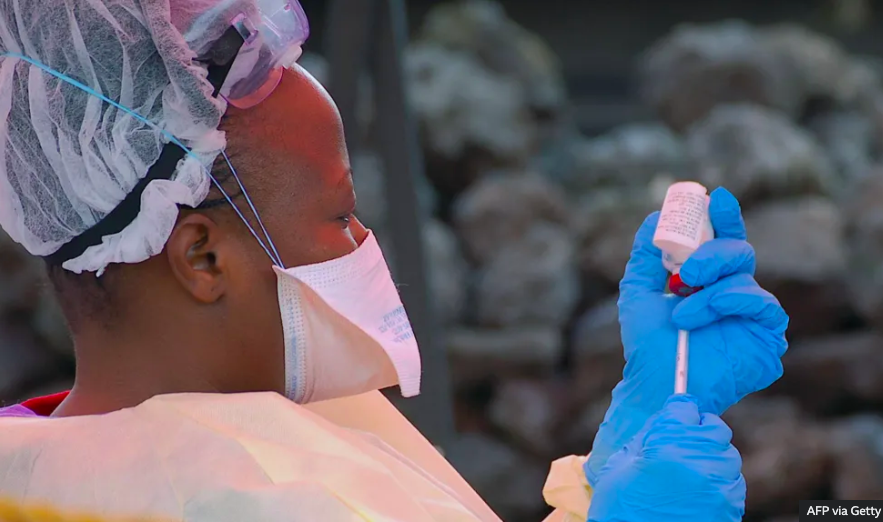
WHO also confirmed that DR Congo has a stockpile of treatments, including 2,000 doses of the Ervebo vaccine, which has proven effective against the Zaire strain. Vaccination campaigns targeting high-risk communities and health workers are expected to be rolled out in the coming days.
Nevertheless, the deaths of four health workers are a sobering reminder of the dangers posed by Ebola to those on the front lines. Their loss highlights the urgency of ensuring that medical teams have adequate protective equipment, training, and support.
Preventive Measures and Community Mobilisation
Health officials in Kasai province are urging strict adherence to preventive measures. These include frequent hand-washing, avoiding physical contact in high-risk areas, and maintaining social distancing during community gatherings.
Community engagement is critical in Ebola response. Past outbreaks have shown that mistrust, misinformation, and cultural practices such as traditional burials can accelerate transmission. Authorities are now working to educate communities about safe burial practices, symptom recognition, and the importance of early medical care.
A History of Repeated Outbreaks
This latest outbreak comes just three years after the last Ebola flare-up in DR Congo, which killed six people. The country has a long and painful history with the virus, having recorded more outbreaks than any other nation since Ebola was first identified nearly five decades ago.
The most devastating in recent memory was the 2018–2020 outbreak in the country’s eastern provinces, where ongoing armed conflict and community mistrust made containment particularly difficult. That outbreak killed more than 2,000 people, making it the second-deadliest in history after the 2014–2016 West Africa epidemic, which claimed over 11,000 lives.
These recurring crises illustrate the vulnerability of DR Congo’s fragile healthcare system, which is frequently overwhelmed by conflict, limited resources, and other public health challenges such as measles and cholera.
The Global Stakes
Though Ebola outbreaks have typically been contained within African nations, the potential for international spread cannot be ignored. In our interconnected world, global health security depends on swift and coordinated responses to outbreaks wherever they occur.
The COVID-19 pandemic has already shown how fast a pathogen can travel and the devastating impact it can have when preparedness and solidarity falter. While Ebola does not spread as easily as respiratory viruses, its high fatality rate makes even small outbreaks a matter of grave international concern.
WHO has repeatedly stressed that “no one is safe until everyone is safe,” emphasising the importance of supporting African countries in building resilient health systems and maintaining readiness against outbreaks.
Moving Forward
As DR Congo battles its 16th Ebola outbreak, the priority remains to contain transmission quickly, protect health workers, and prevent further loss of life. The availability of vaccines and treatments offers hope, but logistical challenges in reaching remote communities and ensuring compliance with preventive measures remain formidable obstacles.
The global community must continue to back DR Congo’s efforts, not just in responding to Ebola but in strengthening the country’s broader healthcare infrastructure. A robust, well-resourced system will not only save lives during outbreaks but also help address the daily health needs of millions of Congolese citizens.
Final Thoughts
The Ebola outbreak in DR Congo underscores both the resilience and fragility of the country’s health system. While rapid response efforts, vaccines, and international support offer hope, the recurring nature of these outbreaks highlights the urgent need for long-term investment in healthcare infrastructure, community education, and preparedness.
Protecting lives in Kasai province is only part of the solution — strengthening global health security requires sustained cooperation, resources, and vigilance. The world cannot afford to treat outbreaks in isolation; every effort to contain Ebola protects not just DR Congo, but global communities as well.
Conclusion
The Ebola outbreak in Kasai province is a stark reminder of the persistent and deadly threat posed by the virus. With 15 lives already lost and suspected cases rising, time is of the essence. The combination of vaccines, rapid response, and community engagement provides a fighting chance to stop the outbreak in its tracks.
But beyond the immediate crisis lies a larger lesson: global health challenges cannot be solved in isolation. As DR Congo confronts yet another Ebola outbreak, the world must recognise that supporting vulnerable nations is not charity — it is a matter of shared security and humanity.
Meta Description:
A new Ebola outbreak in DR Congo’s Kasai province has killed 15 people, including four health workers. WHO is mobilising vaccines and response teams to contain the virus and prevent further spread.
Ebola Outbreak in DR Congo Claims 15 Lives: A Renewed Public Health Challenge
The Democratic Republic of Congo (DR Congo) is once again grappling with an Ebola outbreak, the 16th in its history, highlighting the country’s persistent vulnerability to infectious disease crises. According to the health ministry, at least 15 people have already lost their lives, including four health workers, underscoring the high risks faced by frontline responders in containing such deadly outbreaks.
The latest flare-up has been reported in central Kasai province, where 28 suspected cases have been documented so far. The outbreak has revived grim memories of past crises, including the devastating 2018–2020 outbreak that killed more than 2,000 people, and it serves as a reminder of the urgent need for vigilance, strong health systems, and coordinated international support.
Register for Tekedia Mini-MBA edition 20 (June 8 – Sept 5, 2026).
Register for Tekedia AI in Business Masterclass.
Join Tekedia Capital Syndicate and co-invest in great global startups.
Register for Tekedia AI Lab.
A Pregnant Woman, the First Confirmed Case
The health ministry confirmed that the virus was first detected in a 34-year-old pregnant woman admitted to a hospital last month. She presented with classic Ebola symptoms such as high fever and repeated vomiting, but her condition rapidly deteriorated. Despite medical intervention, she succumbed to multiple organ failure only hours later. Laboratory tests confirmed the Zaire strain of Ebola, the most lethal variant of the virus.
The tragic death of this woman marked the beginning of the outbreak, sparking immediate fears of wider transmission. Her case also highlights how Ebola often strikes the most vulnerable — women, children, and those with limited access to medical care.

Ebola Basics: Understanding the Virus
Ebola is a rare but deadly disease first detected in 1976 near the Ebola River, from which it takes its name. Scientists believe fruit bats are the natural reservoir of the virus, but humans typically contract it through direct contact with the blood or bodily fluids of infected people or animals.
Symptoms often include fever, severe headache, muscle pain, fatigue, vomiting, diarrhea, and in severe cases, internal and external bleeding. Once contracted, the virus spreads quickly within families and health facilities, making infection prevention and control critical to containment.

With mortality rates ranging from 25% to 90%, depending on the strain and the speed of treatment, Ebola is considered one of the world’s most lethal pathogens.
WHO Response and Global Concern
The World Health Organisation (WHO) has moved swiftly to support local authorities in halting the spread of the virus. In a statement, WHO emphasised that “case numbers are likely to increase as the transmission is ongoing.” The organisation is deploying response teams, coordinating with local health workers, and tracing contacts to isolate potential cases before further spread occurs.
WHO also confirmed that DR Congo has a stockpile of treatments, including 2,000 doses of the Ervebo vaccine, which has proven effective against the Zaire strain. Vaccination campaigns targeting high-risk communities and health workers are expected to be rolled out in the coming days.
Nevertheless, the deaths of four health workers are a sobering reminder of the dangers posed by Ebola to those on the front lines. Their loss highlights the urgency of ensuring that medical teams have adequate protective equipment, training, and support.
Preventive Measures and Community Mobilisation
Health officials in Kasai province are urging strict adherence to preventive measures. These include frequent hand-washing, avoiding physical contact in high-risk areas, and maintaining social distancing during community gatherings.
Community engagement is critical in Ebola response. Past outbreaks have shown that mistrust, misinformation, and cultural practices such as traditional burials can accelerate transmission. Authorities are now working to educate communities about safe burial practices, symptom recognition, and the importance of early medical care.
A History of Repeated Outbreaks
This latest outbreak comes just three years after the last Ebola flare-up in DR Congo, which killed six people. The country has a long and painful history with the virus, having recorded more outbreaks than any other nation since Ebola was first identified nearly five decades ago.
The most devastating in recent memory was the 2018–2020 outbreak in the country’s eastern provinces, where ongoing armed conflict and community mistrust made containment particularly difficult. That outbreak killed more than 2,000 people, making it the second-deadliest in history after the 2014–2016 West Africa epidemic, which claimed over 11,000 lives.
These recurring crises illustrate the vulnerability of DR Congo’s fragile healthcare system, which is frequently overwhelmed by conflict, limited resources, and other public health challenges such as measles and cholera.
The Global Stakes
Though Ebola outbreaks have typically been contained within African nations, the potential for international spread cannot be ignored. In our interconnected world, global health security depends on swift and coordinated responses to outbreaks wherever they occur.
The COVID-19 pandemic has already shown how fast a pathogen can travel and the devastating impact it can have when preparedness and solidarity falter. While Ebola does not spread as easily as respiratory viruses, its high fatality rate makes even small outbreaks a matter of grave international concern.
WHO has repeatedly stressed that “no one is safe until everyone is safe,” emphasising the importance of supporting African countries in building resilient health systems and maintaining readiness against outbreaks.
Moving Forward
As DR Congo battles its 16th Ebola outbreak, the priority remains to contain transmission quickly, protect health workers, and prevent further loss of life. The availability of vaccines and treatments offers hope, but logistical challenges in reaching remote communities and ensuring compliance with preventive measures remain formidable obstacles.
The global community must continue to back DR Congo’s efforts, not just in responding to Ebola but in strengthening the country’s broader healthcare infrastructure. A robust, well-resourced system will not only save lives during outbreaks but also help address the daily health needs of millions of Congolese citizens.
Final Thoughts
The Ebola outbreak in DR Congo underscores both the resilience and fragility of the country’s health system. While rapid response efforts, vaccines, and international support offer hope, the recurring nature of these outbreaks highlights the urgent need for long-term investment in healthcare infrastructure, community education, and preparedness.
Protecting lives in Kasai province is only part of the solution — strengthening global health security requires sustained cooperation, resources, and vigilance. The world cannot afford to treat outbreaks in isolation; every effort to contain Ebola protects not just DR Congo, but global communities as well.
Conclusion
The Ebola outbreak in Kasai province is a stark reminder of the persistent and deadly threat posed by the virus. With 15 lives already lost and suspected cases rising, time is of the essence. The combination of vaccines, rapid response, and community engagement provides a fighting chance to stop the outbreak in its tracks.
But beyond the immediate crisis lies a larger lesson: global health challenges cannot be solved in isolation. As DR Congo confronts yet another Ebola outbreak, the world must recognise that supporting vulnerable nations is not charity — it is a matter of shared security and humanity.
Meta Description:
A new Ebola outbreak in DR Congo’s Kasai province has killed 15 people, including four health workers. WHO is mobilising vaccines and response teams to contain the virus and prevent further spread.
Share this:
- Click to share on Facebook (Opens in new window) Facebook
- Click to share on X (Opens in new window) X
- Click to share on WhatsApp (Opens in new window) WhatsApp
- Click to share on LinkedIn (Opens in new window) LinkedIn
- Click to email a link to a friend (Opens in new window) Email
- Click to print (Opens in new window) Print