

Egypt’s Sisi Pardons Alaa Abdel Fattah: British-Egyptian Activist Freed After Years in Prison

Quote from Alex Bobby on September 23, 2025, 4:47 AM
Egypt’s President Pardons British-Egyptian Activist Alaa Abdel Fattah
In a surprising turn of events that has sent ripples through Egypt and beyond, President Abdul Fattah al-Sisi has pardoned one of the country’s most prominent political prisoners, Alaa Abdel Fattah. The British-Egyptian activist and blogger has spent much of the last decade behind bars, his case becoming a global symbol of Egypt’s crackdown on dissent and the struggle for human rights in the region.
The announcement of Abdel Fattah’s release was confirmed on Monday by both state media and his family, prompting emotional reactions and cautious optimism among human rights advocates.
A Landmark Pardon
Alaa Abdel Fattah, 43, was among six individuals granted pardons following a request from Egypt’s National Council for Human Rights (NCHR). His sister, Mona Seif, expressed her shock and joy on X (formerly Twitter), writing, “My heart will explode.” Later, another sister, Sanaa Seif, confirmed the news with equal disbelief, declaring: “President Sisi has pardoned my brother! Mum & I are heading to the prison now… OMG I can’t believe we get our lives back!”
Abdel Fattah’s lawyer, Khaled Ali, posted on Facebook that the pardon had been formalized and that his client would soon be released from Wadi al-Natrun prison, north-west of Cairo. The pardon will be published in Egypt’s official gazette, finalising the legal process.
The NCHR welcomed the decision, framing it as a step toward strengthening Egypt’s commitment to justice and fundamental rights. International observers, however, remain cautious. US-based Human Rights Watch called the pardon a potential “watershed moment,” urging the Egyptian government to end the wrongful detention of thousands of peaceful critics.
A Decade of Struggle
For Abdel Fattah, the pardon marks the end of yet another harrowing chapter in a long ordeal with the Egyptian state. His activism dates back to the 2011 uprising that toppled long-time president Hosni Mubarak. A skilled blogger and outspoken advocate for democracy, he quickly became one of the most recognisable faces of the pro-democracy movement.
But his prominence also made him a target. Since 2014—when President Sisi rose to power following the ouster of Egypt’s first democratically elected president, Mohamed Morsi—Abdel Fattah has spent most of his life in prison.
In 2015, he was sentenced to five years for participating in an unauthorised protest. After a brief release under probation, he was arrested again in 2019 during a sweeping crackdown on dissent. This time, he was accused of “spreading false news” after sharing a Facebook post about a prisoner’s death from torture. In December 2021, he was convicted in a trial that rights groups condemned as grossly unfair and sentenced to another five years in prison.
His activism and resilience made him a symbol of resistance, but also placed him at the heart of Egypt’s struggle over free expression.
International Pressure and Hunger Strikes
Abdel Fattah’s imprisonment drew widespread condemnation from human rights organizations, foreign governments, and the United Nations. In May, the UN Working Group on Arbitrary Detention declared that his arrest was politically motivated, that he had been denied a fair trial, and that his continued detention violated international law.
The British government also came under pressure to act after Abdel Fattah obtained British citizenship in 2021. However, Egypt refused to allow British diplomats consular access, complicating efforts for his release.
The fight for his freedom was not only waged in diplomatic corridors but also through his family’s relentless activism. His mother, Leila Soueif, who is a British citizen, undertook a nine-month hunger strike in 2023, during which she lost over 40% of her body weight. She suspended her strike after assurances from the UK government that it was doing everything possible to secure his release.
Abdel Fattah himself engaged in several hunger strikes during his imprisonment. One in 2022, coinciding with Egypt’s hosting of the UN Climate Conference (COP27), placed his plight on the world stage and intensified calls for his release.
A Symbol of Egypt’s Crackdown
Abdel Fattah’s ordeal cannot be separated from the wider context of Egypt’s political climate under President Sisi. Since coming to power, Sisi’s government has overseen what rights groups describe as the most severe crackdown on dissent in Egypt’s modern history. Tens of thousands of activists, journalists, and opposition figures are believed to be behind bars.
While the government maintains that its actions are necessary for national security and stability, critics argue that the suppression of free expression and peaceful activism has only deepened Egypt’s political and social divides.
For many, Abdel Fattah’s release represents not only a personal victory for his family but also a litmus test for whether Egypt is prepared to ease its authoritarian grip.
What Comes Next?
The announcement of Abdel Fattah’s pardon has sparked cautious hope. For his family, it is a long-awaited reunion after years of anguish. For his supporters, it is a reminder of the power of persistence, advocacy, and international solidarity.
But there are also unanswered questions. Will Abdel Fattah be allowed to leave Egypt and reunite with his extended family in the UK? Will his release herald broader reforms, or is it merely a token gesture amid growing international scrutiny of Egypt’s human rights record?
Human Rights Watch and other campaign groups stress that the pardon should not distract from the ongoing detention of thousands of political prisoners in Egypt. They argue that Abdel Fattah’s freedom must be the beginning of systemic change, not the exception.
Looking Forward
Alaa Abdel Fattah’s freedom is both a victory and a test. For his family, it marks the end of years of pain and separation. For Egypt, it offers an opportunity to take real steps toward respecting human rights and political freedoms.
Looking forward, the world will be watching closely. Human rights groups, foreign governments, and ordinary Egyptians alike will expect more than symbolic gestures—they will be seeking evidence of real reform. Abdel Fattah’s release may restore hope, but whether it sparks a broader transformation in Egypt’s political landscape remains uncertain.
For now, one thing is clear: after years of darkness, his family finally has him back, and his story continues to embody the resilience of those who refuse to give up on freedom.
Final Thoughts
The release of Alaa Abdel Fattah is a moment of relief for his family and supporters, but it also highlights the fragility of human rights in Egypt. His story embodies both the resilience of those who continue to fight for freedom and the immense costs they pay.
For President Sisi, the pardon offers an opportunity to reset Egypt’s global image and begin to rebuild trust with its citizens and international partners. Whether this moment becomes a turning point or remains an isolated concession will depend on what follows in the months to come.
For now, the joy in Abdel Fattah’s family’s words speaks louder than any official statement: after years of darkness, they have their lives back.
Conclusion
Alaa Abdel Fattah’s pardon is more than the release of one man—it is a symbol of resilience against authoritarian pressure and the power of persistent advocacy. For his family, it restores hope after years of pain; for Egypt, it poses a critical question about whether this act is the start of genuine reform or a carefully timed gesture. The world will be watching closely to see if Abdel Fattah’s freedom signals a new chapter in Egypt’s human rights journey, or if it remains an isolated exception in a landscape still dominated by repression.
Would you like me to make this conclusion more personal and emotional (focusing on his family’s relief) or more political and analytical (focusing on Egypt’s human rights landscape)?
Meta Description:
Egypt’s President Sisi has pardoned British-Egyptian activist Alaa Abdel Fattah after six years in prison. His release marks a rare victory for human rights and fuels hopes for wider reforms.
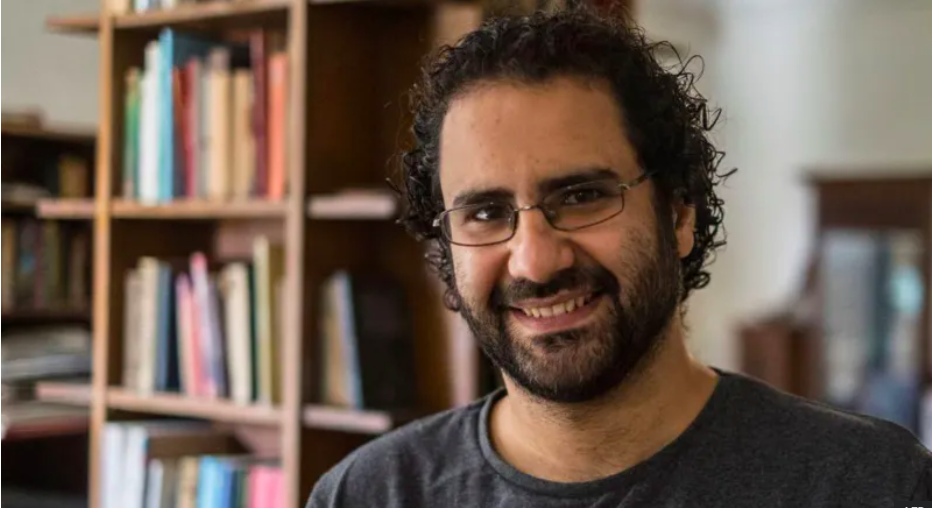
Egypt’s President Pardons British-Egyptian Activist Alaa Abdel Fattah
In a surprising turn of events that has sent ripples through Egypt and beyond, President Abdul Fattah al-Sisi has pardoned one of the country’s most prominent political prisoners, Alaa Abdel Fattah. The British-Egyptian activist and blogger has spent much of the last decade behind bars, his case becoming a global symbol of Egypt’s crackdown on dissent and the struggle for human rights in the region.
The announcement of Abdel Fattah’s release was confirmed on Monday by both state media and his family, prompting emotional reactions and cautious optimism among human rights advocates.
Register for Tekedia Mini-MBA edition 20 (June 8 – Sept 5, 2026).
Register for Tekedia AI in Business Masterclass.
Join Tekedia Capital Syndicate and co-invest in great global startups.
Register for Tekedia AI Lab.
A Landmark Pardon
Alaa Abdel Fattah, 43, was among six individuals granted pardons following a request from Egypt’s National Council for Human Rights (NCHR). His sister, Mona Seif, expressed her shock and joy on X (formerly Twitter), writing, “My heart will explode.” Later, another sister, Sanaa Seif, confirmed the news with equal disbelief, declaring: “President Sisi has pardoned my brother! Mum & I are heading to the prison now… OMG I can’t believe we get our lives back!”
Abdel Fattah’s lawyer, Khaled Ali, posted on Facebook that the pardon had been formalized and that his client would soon be released from Wadi al-Natrun prison, north-west of Cairo. The pardon will be published in Egypt’s official gazette, finalising the legal process.

The NCHR welcomed the decision, framing it as a step toward strengthening Egypt’s commitment to justice and fundamental rights. International observers, however, remain cautious. US-based Human Rights Watch called the pardon a potential “watershed moment,” urging the Egyptian government to end the wrongful detention of thousands of peaceful critics.
A Decade of Struggle
For Abdel Fattah, the pardon marks the end of yet another harrowing chapter in a long ordeal with the Egyptian state. His activism dates back to the 2011 uprising that toppled long-time president Hosni Mubarak. A skilled blogger and outspoken advocate for democracy, he quickly became one of the most recognisable faces of the pro-democracy movement.

But his prominence also made him a target. Since 2014—when President Sisi rose to power following the ouster of Egypt’s first democratically elected president, Mohamed Morsi—Abdel Fattah has spent most of his life in prison.
In 2015, he was sentenced to five years for participating in an unauthorised protest. After a brief release under probation, he was arrested again in 2019 during a sweeping crackdown on dissent. This time, he was accused of “spreading false news” after sharing a Facebook post about a prisoner’s death from torture. In December 2021, he was convicted in a trial that rights groups condemned as grossly unfair and sentenced to another five years in prison.
His activism and resilience made him a symbol of resistance, but also placed him at the heart of Egypt’s struggle over free expression.
International Pressure and Hunger Strikes
Abdel Fattah’s imprisonment drew widespread condemnation from human rights organizations, foreign governments, and the United Nations. In May, the UN Working Group on Arbitrary Detention declared that his arrest was politically motivated, that he had been denied a fair trial, and that his continued detention violated international law.
The British government also came under pressure to act after Abdel Fattah obtained British citizenship in 2021. However, Egypt refused to allow British diplomats consular access, complicating efforts for his release.
The fight for his freedom was not only waged in diplomatic corridors but also through his family’s relentless activism. His mother, Leila Soueif, who is a British citizen, undertook a nine-month hunger strike in 2023, during which she lost over 40% of her body weight. She suspended her strike after assurances from the UK government that it was doing everything possible to secure his release.
Abdel Fattah himself engaged in several hunger strikes during his imprisonment. One in 2022, coinciding with Egypt’s hosting of the UN Climate Conference (COP27), placed his plight on the world stage and intensified calls for his release.
A Symbol of Egypt’s Crackdown
Abdel Fattah’s ordeal cannot be separated from the wider context of Egypt’s political climate under President Sisi. Since coming to power, Sisi’s government has overseen what rights groups describe as the most severe crackdown on dissent in Egypt’s modern history. Tens of thousands of activists, journalists, and opposition figures are believed to be behind bars.
While the government maintains that its actions are necessary for national security and stability, critics argue that the suppression of free expression and peaceful activism has only deepened Egypt’s political and social divides.
For many, Abdel Fattah’s release represents not only a personal victory for his family but also a litmus test for whether Egypt is prepared to ease its authoritarian grip.
What Comes Next?
The announcement of Abdel Fattah’s pardon has sparked cautious hope. For his family, it is a long-awaited reunion after years of anguish. For his supporters, it is a reminder of the power of persistence, advocacy, and international solidarity.
But there are also unanswered questions. Will Abdel Fattah be allowed to leave Egypt and reunite with his extended family in the UK? Will his release herald broader reforms, or is it merely a token gesture amid growing international scrutiny of Egypt’s human rights record?
Human Rights Watch and other campaign groups stress that the pardon should not distract from the ongoing detention of thousands of political prisoners in Egypt. They argue that Abdel Fattah’s freedom must be the beginning of systemic change, not the exception.
Looking Forward
Alaa Abdel Fattah’s freedom is both a victory and a test. For his family, it marks the end of years of pain and separation. For Egypt, it offers an opportunity to take real steps toward respecting human rights and political freedoms.
Looking forward, the world will be watching closely. Human rights groups, foreign governments, and ordinary Egyptians alike will expect more than symbolic gestures—they will be seeking evidence of real reform. Abdel Fattah’s release may restore hope, but whether it sparks a broader transformation in Egypt’s political landscape remains uncertain.
For now, one thing is clear: after years of darkness, his family finally has him back, and his story continues to embody the resilience of those who refuse to give up on freedom.
Final Thoughts
The release of Alaa Abdel Fattah is a moment of relief for his family and supporters, but it also highlights the fragility of human rights in Egypt. His story embodies both the resilience of those who continue to fight for freedom and the immense costs they pay.
For President Sisi, the pardon offers an opportunity to reset Egypt’s global image and begin to rebuild trust with its citizens and international partners. Whether this moment becomes a turning point or remains an isolated concession will depend on what follows in the months to come.
For now, the joy in Abdel Fattah’s family’s words speaks louder than any official statement: after years of darkness, they have their lives back.
Conclusion
Alaa Abdel Fattah’s pardon is more than the release of one man—it is a symbol of resilience against authoritarian pressure and the power of persistent advocacy. For his family, it restores hope after years of pain; for Egypt, it poses a critical question about whether this act is the start of genuine reform or a carefully timed gesture. The world will be watching closely to see if Abdel Fattah’s freedom signals a new chapter in Egypt’s human rights journey, or if it remains an isolated exception in a landscape still dominated by repression.
Would you like me to make this conclusion more personal and emotional (focusing on his family’s relief) or more political and analytical (focusing on Egypt’s human rights landscape)?
Meta Description:
Egypt’s President Sisi has pardoned British-Egyptian activist Alaa Abdel Fattah after six years in prison. His release marks a rare victory for human rights and fuels hopes for wider reforms.
Share this:
- Click to share on Facebook (Opens in new window) Facebook
- Click to share on X (Opens in new window) X
- Click to share on WhatsApp (Opens in new window) WhatsApp
- Click to share on LinkedIn (Opens in new window) LinkedIn
- Click to email a link to a friend (Opens in new window) Email
- Click to print (Opens in new window) Print