

EU and Greece Push Libya to Curb Migrant Crossings Amid Mediterranean as numbers Surge

Quote from Alex Bobby on July 2, 2025, 6:21 AM
EU and Greece to Press Libya on Migrant Crossings via Mediterranean as Numbers Surge
The European Union is intensifying pressure on Libyan authorities to curb the rising number of irregular migrant crossings through the central Mediterranean. Following a sharp surge in attempted journeys from North Africa to southern Europe, EU Commissioner for Migration Magnus Brunner has announced plans for a high-level visit to Libya, accompanied by government representatives from Greece, Italy, and Malta.
This renewed diplomatic push highlights growing concern in Brussels and Mediterranean capitals over the escalating migration crisis, particularly as dangerous crossings from Libya remain a significant source of loss of life and humanitarian abuses.
A Rapidly Escalating Crisis
At a migration conference in Athens earlier this week, Commissioner Brunner confirmed that the delegation would meet with officials from both the internationally recognised Government of National Unity in western Libya and the rival administration in the east. The goal: to press both sides to take firmer measures against human smuggling networks and prevent boats from launching toward Europe.
“That is actually a question which bothers us quite a lot at the moment,” Brunner said. “Libya is, of course, at the top of the agenda and we’re traveling together to Libya next week because we have to be fast, I think, and firm.”
The urgency of the mission follows data from the UN refugee agency (UNHCR) showing a dramatic increase in crossings from Libya. In 2021, 32,400 refugees and migrants made the journey from Libya to Europe — more than double the number in 2020. Although the trend slowed somewhat during the pandemic, numbers have again begun to climb in 2024, with increasingly risky routes being used.
Greece Sounds the Alarm
Greece, which has become a frontline state in the migration crisis, is reacting to an uptick in arrivals from Libya to the southern island of Crete — a far longer and more perilous route than the traditional crossings from Turkey to the Aegean islands.
In response, the Greek government has announced plans to deploy naval vessels to international waters south of Crete in a bid to monitor and deter incoming boats. Prime Minister Kyriakos Mitsotakis has also met with Commissioner Brunner to coordinate a united EU stance ahead of the Libya trip.
The Greek government is especially wary after the 2023 disaster involving the fishing trawler Adriana, which sank in the Ionian Sea while carrying hundreds of migrants from Libya to Italy. The tragedy, one of the worst in recent memory, resulted in the deaths of hundreds of people and renewed scrutiny over European responses to maritime migration.
Libya: A Fragile Partner
The EU’s approach to Libya remains fraught with challenges. The country has been mired in civil conflict and political division since the fall of Muammar Gaddafi in 2011. Today, rival governments in the east and west control different territories, and both rely on alliances with armed militias — some of whom are accused of operating the very smuggling networks Europe wants dismantled.
Despite repeated pledges to improve border controls and protect human rights, Libya remains a dangerous place for migrants. Widespread abuses — including arbitrary detention, torture, extortion, and forced labor — have been well documented by human rights organisations.
Yet Libya’s strategic position makes it an indispensable partner in EU efforts to manage migration flows. The EU has provided funding, equipment, and training to Libya’s coastguard, which routinely intercepts migrant vessels and returns people to detention centres inside Libya — a policy that has drawn heavy criticism from humanitarian organisations and the UN.
Boosting Border Defences
In April, European Commission President Ursula von der Leyen proposed a major expansion of Frontex, the EU’s external border and coastguard agency. The plan would increase Frontex personnel to 30,000 — a significant step up from its current size and an indication of how seriously Brussels is taking border security amid ongoing geopolitical instability.
Still, many question whether a militarised response alone can solve what is at its core a humanitarian crisis driven by poverty, conflict, and lack of legal migration pathways.
Human rights groups have urged the EU to prioritise search-and-rescue operations and legal resettlement programs over containment and deterrence strategies. However, with migration once again dominating political debates ahead of next year’s European Parliament elections, governments across the continent are under pressure to demonstrate tougher border controls.
Final Thought:
As migration pressures mount and the Mediterranean route becomes increasingly perilous, urgent cooperation between the EU and Libya is essential—not only to manage borders but to protect lives and uphold human dignity.
Conclusion
As the EU delegation prepares for its visit to Libya, the stakes are high. With rising migration numbers, continued instability in Libya, and public concern mounting across Europe, the bloc faces a critical test of its migration strategy. While firm diplomacy and stronger partnerships are essential, the EU must also ensure that its efforts to curb migration do not come at the cost of human rights or international obligations.
Europe’s migration challenge is not going away. What remains to be seen is whether its leaders can strike a balance between security and compassion as the Mediterranean crisis deepens.
Meta Description:
The EU and Greece are set to press Libya for stronger action on migrant crossings amid a surge in Mediterranean routes. Learn why migration from Libya is rising and how Europe plans to respond.
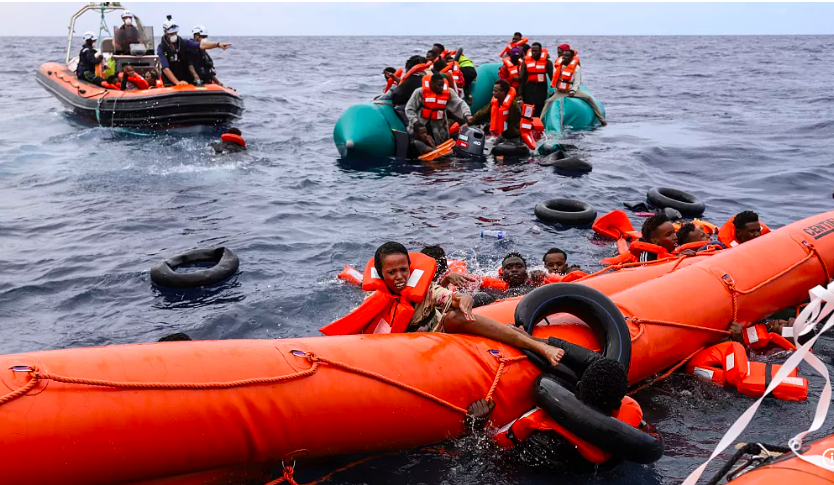
EU and Greece to Press Libya on Migrant Crossings via Mediterranean as Numbers Surge
The European Union is intensifying pressure on Libyan authorities to curb the rising number of irregular migrant crossings through the central Mediterranean. Following a sharp surge in attempted journeys from North Africa to southern Europe, EU Commissioner for Migration Magnus Brunner has announced plans for a high-level visit to Libya, accompanied by government representatives from Greece, Italy, and Malta.
This renewed diplomatic push highlights growing concern in Brussels and Mediterranean capitals over the escalating migration crisis, particularly as dangerous crossings from Libya remain a significant source of loss of life and humanitarian abuses.
Register for Tekedia Mini-MBA edition 20 (June 8 – Sept 5, 2026).
Register for Tekedia AI in Business Masterclass.
Join Tekedia Capital Syndicate and co-invest in great global startups.
Register for Tekedia AI Lab.
A Rapidly Escalating Crisis
At a migration conference in Athens earlier this week, Commissioner Brunner confirmed that the delegation would meet with officials from both the internationally recognised Government of National Unity in western Libya and the rival administration in the east. The goal: to press both sides to take firmer measures against human smuggling networks and prevent boats from launching toward Europe.
“That is actually a question which bothers us quite a lot at the moment,” Brunner said. “Libya is, of course, at the top of the agenda and we’re traveling together to Libya next week because we have to be fast, I think, and firm.”

The urgency of the mission follows data from the UN refugee agency (UNHCR) showing a dramatic increase in crossings from Libya. In 2021, 32,400 refugees and migrants made the journey from Libya to Europe — more than double the number in 2020. Although the trend slowed somewhat during the pandemic, numbers have again begun to climb in 2024, with increasingly risky routes being used.
Greece Sounds the Alarm
Greece, which has become a frontline state in the migration crisis, is reacting to an uptick in arrivals from Libya to the southern island of Crete — a far longer and more perilous route than the traditional crossings from Turkey to the Aegean islands.

In response, the Greek government has announced plans to deploy naval vessels to international waters south of Crete in a bid to monitor and deter incoming boats. Prime Minister Kyriakos Mitsotakis has also met with Commissioner Brunner to coordinate a united EU stance ahead of the Libya trip.
The Greek government is especially wary after the 2023 disaster involving the fishing trawler Adriana, which sank in the Ionian Sea while carrying hundreds of migrants from Libya to Italy. The tragedy, one of the worst in recent memory, resulted in the deaths of hundreds of people and renewed scrutiny over European responses to maritime migration.
Libya: A Fragile Partner
The EU’s approach to Libya remains fraught with challenges. The country has been mired in civil conflict and political division since the fall of Muammar Gaddafi in 2011. Today, rival governments in the east and west control different territories, and both rely on alliances with armed militias — some of whom are accused of operating the very smuggling networks Europe wants dismantled.
Despite repeated pledges to improve border controls and protect human rights, Libya remains a dangerous place for migrants. Widespread abuses — including arbitrary detention, torture, extortion, and forced labor — have been well documented by human rights organisations.
Yet Libya’s strategic position makes it an indispensable partner in EU efforts to manage migration flows. The EU has provided funding, equipment, and training to Libya’s coastguard, which routinely intercepts migrant vessels and returns people to detention centres inside Libya — a policy that has drawn heavy criticism from humanitarian organisations and the UN.
Boosting Border Defences
In April, European Commission President Ursula von der Leyen proposed a major expansion of Frontex, the EU’s external border and coastguard agency. The plan would increase Frontex personnel to 30,000 — a significant step up from its current size and an indication of how seriously Brussels is taking border security amid ongoing geopolitical instability.
Still, many question whether a militarised response alone can solve what is at its core a humanitarian crisis driven by poverty, conflict, and lack of legal migration pathways.
Human rights groups have urged the EU to prioritise search-and-rescue operations and legal resettlement programs over containment and deterrence strategies. However, with migration once again dominating political debates ahead of next year’s European Parliament elections, governments across the continent are under pressure to demonstrate tougher border controls.
Final Thought:
As migration pressures mount and the Mediterranean route becomes increasingly perilous, urgent cooperation between the EU and Libya is essential—not only to manage borders but to protect lives and uphold human dignity.
Conclusion
As the EU delegation prepares for its visit to Libya, the stakes are high. With rising migration numbers, continued instability in Libya, and public concern mounting across Europe, the bloc faces a critical test of its migration strategy. While firm diplomacy and stronger partnerships are essential, the EU must also ensure that its efforts to curb migration do not come at the cost of human rights or international obligations.
Europe’s migration challenge is not going away. What remains to be seen is whether its leaders can strike a balance between security and compassion as the Mediterranean crisis deepens.
Meta Description:
The EU and Greece are set to press Libya for stronger action on migrant crossings amid a surge in Mediterranean routes. Learn why migration from Libya is rising and how Europe plans to respond.
Share this:
- Click to share on Facebook (Opens in new window) Facebook
- Click to share on X (Opens in new window) X
- Click to share on WhatsApp (Opens in new window) WhatsApp
- Click to share on LinkedIn (Opens in new window) LinkedIn
- Click to email a link to a friend (Opens in new window) Email
- Click to print (Opens in new window) Print