

EU Split Over Kallas’ 10-Point Sanctions Plan Against Israel Amid Gaza Crisis

Quote from Alex Bobby on July 14, 2025, 5:57 AM
EU Member States Hesitant on Kallas’ 10-Point Plan for Action Against Israel
As the conflict in Gaza continues to draw global condemnation, the European Union is facing mounting pressure to respond to Israel’s conduct in the territory. However, efforts to rally support for punitive measures remain stalled, with EU member states sharply divided over how — or whether — to act.
This week, EU foreign ministers are meeting in Brussels to consider a comprehensive 10-point proposal by the EU’s top diplomat, Kaja Kallas. The proposals are intended as a response to what the EU deems Israel’s breach of the EU-Israel Association Agreement, which includes a human rights clause binding both parties.
According to a document obtained by Euronews, Kallas’ list includes high-impact options like suspending visa-free travel for Israelis, blocking imports from Jewish settlements, halting political dialogue, and even suspending the EU-Israel Association Agreement in full. Also on the table are a suspension of trade preferences and freezing the EU-Israel aviation deal — the latter requiring only a qualified majority vote rather than full consensus.
However, despite the gravity of the situation, EU diplomats admit there is little enthusiasm across member states for enacting any of the proposed measures.
Why the Hesitation?
Several key factors are behind the EU’s reluctance to act decisively. For one, many member states believe the EU should first give diplomacy a chance, especially following a recently brokered humanitarian agreement aimed at improving conditions in Gaza.
That deal, led by Kallas and announced last week, secured commitments from Israel to ease humanitarian restrictions. Israel reportedly agreed to open the Zikim border crossing, allow fuel deliveries, repair water infrastructure, and reopen the Jordanian route for aid convoys. The EU described these developments as a “significant improvement” in humanitarian access, and Kallas’ office emphasised that the agreement must not remain “just on paper” but be fully implemented.
“Much of the hesitation is down to timing,” one EU diplomat noted. “Many countries want to see if the new agreement actually yields results before moving forward with any sanctions or punitive measures.”
Secondly, and perhaps more importantly, the EU remains deeply divided on the broader Israeli-Palestinian conflict. While countries like Ireland and Spain are pushing hard for a more assertive stance — with Ireland already beginning to vet imports from illegal settlements — others such as Germany, the Czech Republic, Hungary, and Italy oppose any steps that could be perceived as punitive against Israel.
For Germany in particular, historical ties and post-Holocaust guilt play a significant role in shaping foreign policy toward Israel. Hungary and the Czech Republic, meanwhile, have been steadfast supporters of Israel in recent years, often aligning with Tel Aviv’s security narrative. Italy, under Prime Minister Giorgia Meloni, has also signaled strong support for Israel.
This fractured political landscape means that proposals requiring unanimous agreement — such as suspending the full Association Agreement — are unlikely to gain traction any time soon.
Kallas Widens the Scope
In response to the deadlock, Kallas has expanded her proposal from five to ten options, including those that individual countries could implement unilaterally without needing full EU backing. This move is seen as an attempt to encourage at least some level of action, even if a united EU front remains elusive.
Still, many diplomats stress that future steps will hinge entirely on Israel’s behavior in the coming days.
“If we can see some results by Tuesday, I think that will be an important sign from the side of Israel that they are willing to implement the humanitarian agreement,” said one EU official.
War Still Raging
Despite the diplomatic developments, Israeli airstrikes in Gaza continue. The Israeli campaign began in response to the Hamas-led attack on October 7, 2023, which left around 1,200 people dead and over 250 taken hostage. Since then, the humanitarian toll in Gaza has been catastrophic. According to the Hamas-run health ministry, at least 57,823 Palestinians have been killed in the enclave — a figure that includes combatants and civilians, though independent verification remains difficult.
In the face of such devastating numbers, Kallas and other EU officials argue that the EU cannot afford to remain passive, especially if Israel continues to violate the terms of the Association Agreement. The agreement, they stress, binds both parties to respect human rights — a clause that is now clearly in dispute.
A Critical Week Ahead
The coming days will be pivotal. Much will depend on whether Israel begins to implement the aid-related commitments outlined in last week’s agreement. Should there be no meaningful change on the ground, pressure will likely grow on EU member states to abandon their wait-and-see approach.
But as things stand, the political appetite for strong, coordinated EU action against Israel remains slim — leaving Kallas’ ambitious 10-point plan as more of a diplomatic roadmap than an immediate action plan.
Conclusion
Kaja Kallas’ 10-point proposal marks the most comprehensive attempt yet by the EU to hold Israel accountable for alleged breaches of human rights in Gaza and the West Bank. However, despite growing international outrage and pressure for a firmer stance, the EU remains hamstrung by internal divisions and political sensitivities. While countries like Ireland and Spain push for action, the majority of member states remain cautious — prioritising diplomacy, awaiting the results of the recent humanitarian agreement, and hesitant to fracture relations with Israel.
As humanitarian conditions in Gaza worsen and calls for accountability grow louder, the EU’s credibility as a defender of human rights may come into question. Whether the bloc can find common ground or remain stuck in diplomatic inertia will likely depend on Israel’s next steps — and the EU’s willingness to match its values with action
Meta Description:
The EU is deeply divided over Kaja Kallas' 10-point plan to sanction Israel for breaches in Gaza. With humanitarian talks underway, member states remain hesitant to take firm action.
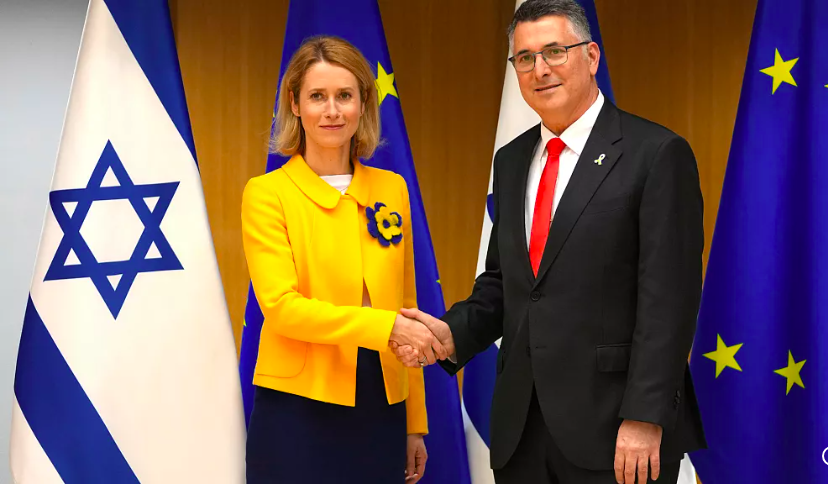
EU Member States Hesitant on Kallas’ 10-Point Plan for Action Against Israel
As the conflict in Gaza continues to draw global condemnation, the European Union is facing mounting pressure to respond to Israel’s conduct in the territory. However, efforts to rally support for punitive measures remain stalled, with EU member states sharply divided over how — or whether — to act.
This week, EU foreign ministers are meeting in Brussels to consider a comprehensive 10-point proposal by the EU’s top diplomat, Kaja Kallas. The proposals are intended as a response to what the EU deems Israel’s breach of the EU-Israel Association Agreement, which includes a human rights clause binding both parties.
Register for Tekedia Mini-MBA edition 20 (June 8 – Sept 5, 2026).
Register for Tekedia AI in Business Masterclass.
Join Tekedia Capital Syndicate and co-invest in great global startups.
Register for Tekedia AI Lab.
According to a document obtained by Euronews, Kallas’ list includes high-impact options like suspending visa-free travel for Israelis, blocking imports from Jewish settlements, halting political dialogue, and even suspending the EU-Israel Association Agreement in full. Also on the table are a suspension of trade preferences and freezing the EU-Israel aviation deal — the latter requiring only a qualified majority vote rather than full consensus.
However, despite the gravity of the situation, EU diplomats admit there is little enthusiasm across member states for enacting any of the proposed measures.
Why the Hesitation?

Several key factors are behind the EU’s reluctance to act decisively. For one, many member states believe the EU should first give diplomacy a chance, especially following a recently brokered humanitarian agreement aimed at improving conditions in Gaza.
That deal, led by Kallas and announced last week, secured commitments from Israel to ease humanitarian restrictions. Israel reportedly agreed to open the Zikim border crossing, allow fuel deliveries, repair water infrastructure, and reopen the Jordanian route for aid convoys. The EU described these developments as a “significant improvement” in humanitarian access, and Kallas’ office emphasised that the agreement must not remain “just on paper” but be fully implemented.
“Much of the hesitation is down to timing,” one EU diplomat noted. “Many countries want to see if the new agreement actually yields results before moving forward with any sanctions or punitive measures.”

Secondly, and perhaps more importantly, the EU remains deeply divided on the broader Israeli-Palestinian conflict. While countries like Ireland and Spain are pushing hard for a more assertive stance — with Ireland already beginning to vet imports from illegal settlements — others such as Germany, the Czech Republic, Hungary, and Italy oppose any steps that could be perceived as punitive against Israel.
For Germany in particular, historical ties and post-Holocaust guilt play a significant role in shaping foreign policy toward Israel. Hungary and the Czech Republic, meanwhile, have been steadfast supporters of Israel in recent years, often aligning with Tel Aviv’s security narrative. Italy, under Prime Minister Giorgia Meloni, has also signaled strong support for Israel.
This fractured political landscape means that proposals requiring unanimous agreement — such as suspending the full Association Agreement — are unlikely to gain traction any time soon.
Kallas Widens the Scope
In response to the deadlock, Kallas has expanded her proposal from five to ten options, including those that individual countries could implement unilaterally without needing full EU backing. This move is seen as an attempt to encourage at least some level of action, even if a united EU front remains elusive.
Still, many diplomats stress that future steps will hinge entirely on Israel’s behavior in the coming days.
“If we can see some results by Tuesday, I think that will be an important sign from the side of Israel that they are willing to implement the humanitarian agreement,” said one EU official.
War Still Raging
Despite the diplomatic developments, Israeli airstrikes in Gaza continue. The Israeli campaign began in response to the Hamas-led attack on October 7, 2023, which left around 1,200 people dead and over 250 taken hostage. Since then, the humanitarian toll in Gaza has been catastrophic. According to the Hamas-run health ministry, at least 57,823 Palestinians have been killed in the enclave — a figure that includes combatants and civilians, though independent verification remains difficult.
In the face of such devastating numbers, Kallas and other EU officials argue that the EU cannot afford to remain passive, especially if Israel continues to violate the terms of the Association Agreement. The agreement, they stress, binds both parties to respect human rights — a clause that is now clearly in dispute.
A Critical Week Ahead
The coming days will be pivotal. Much will depend on whether Israel begins to implement the aid-related commitments outlined in last week’s agreement. Should there be no meaningful change on the ground, pressure will likely grow on EU member states to abandon their wait-and-see approach.
But as things stand, the political appetite for strong, coordinated EU action against Israel remains slim — leaving Kallas’ ambitious 10-point plan as more of a diplomatic roadmap than an immediate action plan.
Conclusion
Kaja Kallas’ 10-point proposal marks the most comprehensive attempt yet by the EU to hold Israel accountable for alleged breaches of human rights in Gaza and the West Bank. However, despite growing international outrage and pressure for a firmer stance, the EU remains hamstrung by internal divisions and political sensitivities. While countries like Ireland and Spain push for action, the majority of member states remain cautious — prioritising diplomacy, awaiting the results of the recent humanitarian agreement, and hesitant to fracture relations with Israel.
As humanitarian conditions in Gaza worsen and calls for accountability grow louder, the EU’s credibility as a defender of human rights may come into question. Whether the bloc can find common ground or remain stuck in diplomatic inertia will likely depend on Israel’s next steps — and the EU’s willingness to match its values with action
Meta Description:
The EU is deeply divided over Kaja Kallas' 10-point plan to sanction Israel for breaches in Gaza. With humanitarian talks underway, member states remain hesitant to take firm action.
Share this:
- Click to share on Facebook (Opens in new window) Facebook
- Click to share on X (Opens in new window) X
- Click to share on WhatsApp (Opens in new window) WhatsApp
- Click to share on LinkedIn (Opens in new window) LinkedIn
- Click to email a link to a friend (Opens in new window) Email
- Click to print (Opens in new window) Print