

EU Urges Calm as Trump Threatens 30% Tariffs Ahead of Key Trade Talks

Quote from Alex Bobby on July 14, 2025, 7:54 AM
U Trade Ministers to Mull US Tariffs as Germany’s Merz Calls for Calm Amid Transatlantic Tensions
The European Union’s trade ministers are convening in Brussels this week with heightened urgency, following U.S. President Donald Trump’s declaration of new 30% tariffs on EU goods starting August 1 unless a trade deal is reached. The announcement, delivered via Trump’s social media platform Truth Social on Saturday, has rattled European capitals and raised fears of a new transatlantic trade war that could further destabilize the global economy.
At the heart of this week’s two-day Foreign Affairs Council is the question of how to respond strategically and cohesively to Trump’s ultimatum. The ministers will also discuss trade relations with China, but the spotlight is firmly on the escalating standoff with Washington.
Trump’s Ultimatum and Europe’s Response
President Trump’s letter, addressed to EU leaders and also sent to Mexican officials, outlines the imposition of sweeping 30% tariffs on a wide range of European exports unless the EU agrees to what he calls a “fairer, reciprocal trade deal.” While the message is consistent with Trump’s long-standing “America First” trade rhetoric, the aggressive tone has sparked serious concern across European capitals.
European Commission President Ursula von der Leyen was quick to respond, emphasizing the EU’s commitment to diplomacy. “We have always been very clear that we prefer a negotiated solution. This remains the case,” she said at a press conference on Sunday. “We will use the time that we have now till the 1st of August. We've prepared for this, and we can respond with countermeasures if necessary.”
Von der Leyen also announced that retaliatory EU tariffs, initially planned to come into effect on Monday, would be temporarily suspended to give negotiations more breathing room. The move signals a desire to avoid escalation while maintaining readiness for a firm response if talks collapse.
Merz and Macron Call for Dialogue
German Chancellor Friedrich Merz struck a notably calm tone in a televised interview with ARD on Sunday, revealing that he had spoken with von der Leyen, French President Emmanuel Macron, and President Trump on Friday. According to Merz, all parties agreed to intensify efforts toward a resolution within the next two weeks.
“Other countries that have received similar letters – including China and Canada – have usually found reasonable solutions,” Merz noted, cautioning against overreaction. Finance Minister Lars Klingbeil echoed this sentiment, telling Süddeutsche Zeitung that “nobody needs new threats or provocations right now. What we need is for the EU to continue serious and focused talks with the US.”
French President Emmanuel Macron was equally clear in his message, calling for European unity and urging the Commission to assert the bloc’s interests. “With European unity, it is more than ever up to the Commission to assert the Union’s determination to resolutely defend European interests,” Macron wrote in a post on X (formerly Twitter).
Broader EU Concern: Avoiding Escalation
Across Europe, leaders are calling for calm and reason, warning that the economic consequences of a trade war would be severe — not just for the EU but for American consumers as well.
Italian Prime Minister Giorgia Meloni’s office issued a statement cautioning against “triggering a trade war between the two sides of the Atlantic,” adding that such a move “would make no sense.”
Danish Foreign Minister Lars Løkke Rasmussen called Trump’s tariff plan “pointless and a very shortsighted approach,” while Sweden’s Prime Minister Ulf Kristersson warned on national television that “everyone loses out from an escalated trade conflict, and it will be US consumers who pay the highest price.”
Outgoing Dutch Prime Minister Dick Schoof expressed his concern, calling Trump’s announcement “not the way forward.” Meanwhile, Irish Taoiseach Micheál Martin labeled the tariff threat “a setback,” noting that while the EU has countermeasures prepared, “it doesn't want to have to deploy and would prefer a negotiated approach.”
EU Prepared, But Prefers Peace
Despite the EU’s diplomatic tone, Brussels is making clear that it will not stand idly by if Washington moves forward with punitive tariffs. Internal preparations for retaliatory measures have been underway for weeks, but officials stress that the goal remains a mutually beneficial resolution.
Behind the scenes, EU negotiators are working to establish a framework for compromise that satisfies Trump’s demands without compromising core European economic interests. While the exact details of potential concessions remain under wraps, sources suggest talks may focus on agricultural quotas, industrial standards, and digital taxation.
With just weeks remaining until the August 1 deadline, the mood in Brussels is one of cautious pragmatism. The hope is that President Trump, well-known for his deal-making persona, is positioning for leverage rather than confrontation.
Conclusion
As the EU trade ministers gather in Brussels, the message from European capitals is resounding: stay calm, stay united, and keep negotiating. The threat of a new transatlantic trade war looms large, but the political will to find a peaceful resolution remains strong.
President Trump’s ultimatum has undoubtedly turned up the heat, but EU leaders are betting that reason, diplomacy, and economic pragmatism will prevail in the end.
Meta Description:
EU trade ministers gather in Brussels as President Trump threatens 30% tariffs from August 1. Leaders call for calm and diplomacy while preparing for potential countermeasures.
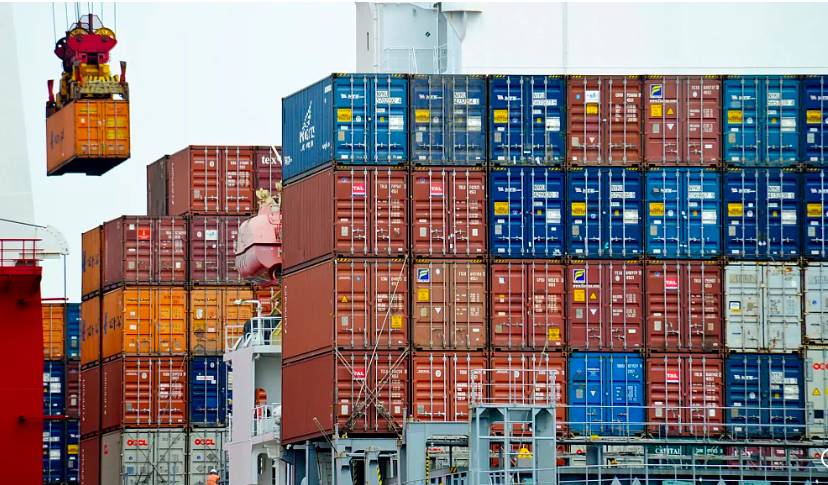
U Trade Ministers to Mull US Tariffs as Germany’s Merz Calls for Calm Amid Transatlantic Tensions
The European Union’s trade ministers are convening in Brussels this week with heightened urgency, following U.S. President Donald Trump’s declaration of new 30% tariffs on EU goods starting August 1 unless a trade deal is reached. The announcement, delivered via Trump’s social media platform Truth Social on Saturday, has rattled European capitals and raised fears of a new transatlantic trade war that could further destabilize the global economy.
At the heart of this week’s two-day Foreign Affairs Council is the question of how to respond strategically and cohesively to Trump’s ultimatum. The ministers will also discuss trade relations with China, but the spotlight is firmly on the escalating standoff with Washington.
Register for Tekedia Mini-MBA edition 20 (June 8 – Sept 5, 2026).
Register for Tekedia AI in Business Masterclass.
Join Tekedia Capital Syndicate and co-invest in great global startups.
Register for Tekedia AI Lab.
Trump’s Ultimatum and Europe’s Response
President Trump’s letter, addressed to EU leaders and also sent to Mexican officials, outlines the imposition of sweeping 30% tariffs on a wide range of European exports unless the EU agrees to what he calls a “fairer, reciprocal trade deal.” While the message is consistent with Trump’s long-standing “America First” trade rhetoric, the aggressive tone has sparked serious concern across European capitals.
European Commission President Ursula von der Leyen was quick to respond, emphasizing the EU’s commitment to diplomacy. “We have always been very clear that we prefer a negotiated solution. This remains the case,” she said at a press conference on Sunday. “We will use the time that we have now till the 1st of August. We've prepared for this, and we can respond with countermeasures if necessary.”

Von der Leyen also announced that retaliatory EU tariffs, initially planned to come into effect on Monday, would be temporarily suspended to give negotiations more breathing room. The move signals a desire to avoid escalation while maintaining readiness for a firm response if talks collapse.
Merz and Macron Call for Dialogue
German Chancellor Friedrich Merz struck a notably calm tone in a televised interview with ARD on Sunday, revealing that he had spoken with von der Leyen, French President Emmanuel Macron, and President Trump on Friday. According to Merz, all parties agreed to intensify efforts toward a resolution within the next two weeks.

“Other countries that have received similar letters – including China and Canada – have usually found reasonable solutions,” Merz noted, cautioning against overreaction. Finance Minister Lars Klingbeil echoed this sentiment, telling Süddeutsche Zeitung that “nobody needs new threats or provocations right now. What we need is for the EU to continue serious and focused talks with the US.”
French President Emmanuel Macron was equally clear in his message, calling for European unity and urging the Commission to assert the bloc’s interests. “With European unity, it is more than ever up to the Commission to assert the Union’s determination to resolutely defend European interests,” Macron wrote in a post on X (formerly Twitter).
Broader EU Concern: Avoiding Escalation
Across Europe, leaders are calling for calm and reason, warning that the economic consequences of a trade war would be severe — not just for the EU but for American consumers as well.
Italian Prime Minister Giorgia Meloni’s office issued a statement cautioning against “triggering a trade war between the two sides of the Atlantic,” adding that such a move “would make no sense.”
Danish Foreign Minister Lars Løkke Rasmussen called Trump’s tariff plan “pointless and a very shortsighted approach,” while Sweden’s Prime Minister Ulf Kristersson warned on national television that “everyone loses out from an escalated trade conflict, and it will be US consumers who pay the highest price.”
Outgoing Dutch Prime Minister Dick Schoof expressed his concern, calling Trump’s announcement “not the way forward.” Meanwhile, Irish Taoiseach Micheál Martin labeled the tariff threat “a setback,” noting that while the EU has countermeasures prepared, “it doesn't want to have to deploy and would prefer a negotiated approach.”
EU Prepared, But Prefers Peace
Despite the EU’s diplomatic tone, Brussels is making clear that it will not stand idly by if Washington moves forward with punitive tariffs. Internal preparations for retaliatory measures have been underway for weeks, but officials stress that the goal remains a mutually beneficial resolution.
Behind the scenes, EU negotiators are working to establish a framework for compromise that satisfies Trump’s demands without compromising core European economic interests. While the exact details of potential concessions remain under wraps, sources suggest talks may focus on agricultural quotas, industrial standards, and digital taxation.
With just weeks remaining until the August 1 deadline, the mood in Brussels is one of cautious pragmatism. The hope is that President Trump, well-known for his deal-making persona, is positioning for leverage rather than confrontation.
Conclusion
As the EU trade ministers gather in Brussels, the message from European capitals is resounding: stay calm, stay united, and keep negotiating. The threat of a new transatlantic trade war looms large, but the political will to find a peaceful resolution remains strong.
President Trump’s ultimatum has undoubtedly turned up the heat, but EU leaders are betting that reason, diplomacy, and economic pragmatism will prevail in the end.
Meta Description:
EU trade ministers gather in Brussels as President Trump threatens 30% tariffs from August 1. Leaders call for calm and diplomacy while preparing for potential countermeasures.
Share this:
- Click to share on Facebook (Opens in new window) Facebook
- Click to share on X (Opens in new window) X
- Click to share on WhatsApp (Opens in new window) WhatsApp
- Click to share on LinkedIn (Opens in new window) LinkedIn
- Click to email a link to a friend (Opens in new window) Email
- Click to print (Opens in new window) Print