

European Talks With Iran Collapse as Snapback UN Sanctions Loom

Quote from Alex Bobby on August 27, 2025, 5:21 AM
European and Iranian Diplomats Fail to Agree on How to Avoid Reviving UN Sanctions
Tensions over Iran’s nuclear programme are once again rising after a crucial round of talks between Iranian officials and three key European powers—France, Germany, and the United Kingdom—ended without a breakthrough. The Geneva meeting, held just days before a looming deadline, failed to produce a roadmap to avoid the reimposition of sweeping United Nations sanctions on Tehran.
According to diplomats familiar with the talks, representatives from the so-called “E3” and their Iranian counterpart parted ways without a final outcome, despite mounting pressure to find a compromise. While efforts are expected to continue in the days ahead, the failure to reach an agreement heightens the likelihood of a snapback of sanctions under the terms of the 2015 Iran nuclear deal.
A Deadline Approaches
At the heart of the dispute is the “snapback mechanism,” a clause of the 2015 Joint Comprehensive Plan of Action (JCPOA) that allows any party to the agreement to reimpose the wide-ranging UN sanctions lifted under the deal if Iran is found to be non-compliant.
The Europeans, backed by the United States, have accused Tehran of breaching its obligations by enriching uranium to near weapons-grade levels and, more recently, by cutting off all cooperation with the International Atomic Energy Agency (IAEA). With an agreed end-of-August deadline to invoke the mechanism, time is running out for diplomacy to deliver results.
Should snapback be triggered, Iran would once again face restrictions that were in place before the 2015 accord: a conventional arms embargo, curbs on ballistic missile development, asset freezes, travel bans, and a ban on producing nuclear-related technology.
Iran’s Expanding Nuclear Activity
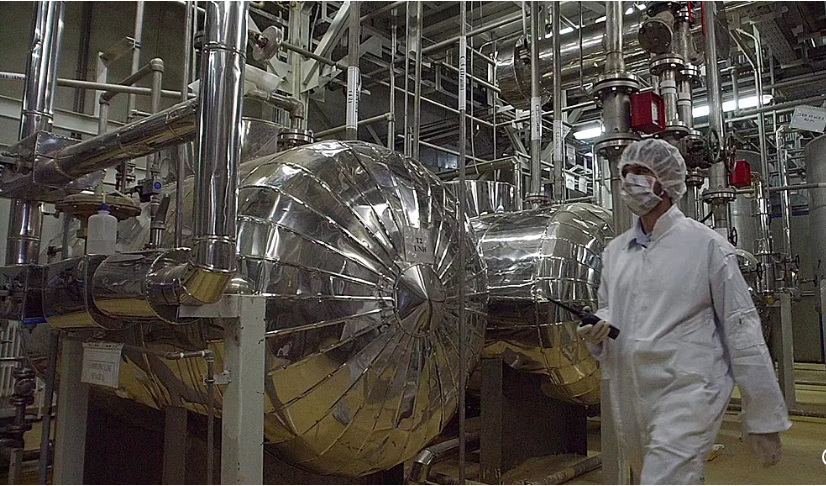
The Europeans’ sense of urgency has grown significantly in recent months. Even before the breakdown of the latest talks, Tehran had been enriching uranium up to 60% purity—a technical step away from the 90% required for weapons-grade material. According to IAEA estimates, Iran has amassed over 400 kilograms of highly enriched uranium, far exceeding the limits set by the JCPOA.
The situation was further complicated by the 12-day conflict between Iran and Israel in June, during which Israeli strikes reportedly targeted several Iranian nuclear sites. Following those attacks, Tehran halted all cooperation with the IAEA, leaving inspectors and the broader international community in the dark about the status of Iran’s program.
While Iran continues to insist its nuclear activities are purely peaceful and aimed at producing energy, critics point out that it remains the only non-nuclear-armed country enriching uranium at such high levels. This fuels suspicion that Tehran may be edging closer to developing a weapons capability.
The Diplomatic Impasse
The Geneva talks were not the first attempt this summer to bridge differences. A previous meeting in Istanbul on July 25 also ended without a clear agreement. The Europeans have tied the avoidance of snapback sanctions to three key conditions:
- Resuming negotiations with the United States over the future of the nuclear programme.
- Allowing IAEA inspectors full access to nuclear sites.
- Accounting for enriched uranium stockpiles, particularly the 400 kilograms of material enriched to 60%.
So far, Iran has refused to meet those conditions, arguing that the E3 have no legal basis to trigger snapback. Tehran’s officials claim the Europeans themselves failed to uphold the JCPOA after the U.S. unilaterally withdrew from the deal in 2018 under then-President Donald Trump.
From Iran’s perspective, the promise of economic benefits under the 2015 accord never materialised. With Western companies wary of U.S. sanctions, Iran says it was denied the trade and investment that were supposed to flow from the deal. That, in Tehran’s view, voids the E3’s right to punish it for non-compliance.
The Stakes for Global Security
The outcome of this diplomatic standoff has significant implications for regional and global security. If snapback sanctions are imposed, Iran’s economy—already weakened by years of restrictions—would face another heavy blow. Such a move could also push Tehran further away from engagement with the West and closer toward Russia and China, both of which remain critical allies and trading partners.
Meanwhile, Israel and Gulf Arab states are watching developments closely. Many of them view Iran’s nuclear ambitions as an existential threat and have long argued that the JCPOA was too lenient. A collapse of diplomacy and the return of sanctions could increase the risk of confrontation in a region already destabilised by proxy conflicts and tensions in the Strait of Hormuz.
A Fragile Framework Under Strain
The JCPOA was originally designed as a compromise: Iran would agree to limit uranium enrichment to just 3.67% purity, cap its uranium stockpile at 300 kilograms, and use only basic IR-1 centrifuges. In return, international sanctions that had crippled its economy would be lifted, opening the door to energy sales and foreign investment.
For a time, the deal succeeded in curbing Iran’s nuclear activities. But the U.S. exit in 2018, coupled with Iran’s gradual non-compliance in response, has left the agreement hanging by a thread. With Iran now enriching uranium at levels far beyond what the deal permits, the original framework appears increasingly unworkable.
What Comes Next?
The coming days are critical. European diplomats say they remain committed to exploring every possible avenue for a solution before the end-of-month deadline. Yet absent major concessions from Tehran, snapback sanctions look increasingly likely.
For Iran, the calculus is complex. Further isolation could deepen its economic crisis, but conceding to Western demands risks being seen domestically as a capitulation. For the Europeans, failing to act would risk undermining their credibility and weakening global non-proliferation norms.
What is clear is that the stakes could not be higher. Without a breakthrough, the world may soon find itself back in a familiar and dangerous cycle of sanctions, mistrust, and escalating nuclear brinkmanship.
Looking Forward
As the deadline for possible snapback sanctions approaches, the coming weeks will be critical in shaping the future of the Iran nuclear file. Diplomats will likely scramble for a last-minute compromise, but without tangible concessions from Tehran on transparency and cooperation with the IAEA, Europe may feel compelled to act.
If sanctions are reimposed, Iran could escalate further by advancing its nuclear programme beyond its current levels, raising the risk of regional instability. On the other hand, if a diplomatic breakthrough can be achieved, it may reopen the path to a broader negotiation that brings both the US and Iran back to the table.
The international community will be watching closely, as the choices made in the next few days could determine whether the world heads toward renewed confrontation or a fragile but vital diplomatic reset.
Final Description
European diplomats and Iran failed to reach an agreement in Geneva on how to avoid the revival off UN sanctions tied to Tehran’s nuclear programme. With the deadline for invoking the snapback mechanism fast approaching, tensions are rising as Europe presses for transparency and Iran insists on its right to enrich uranium. The outcome could determine whether diplomacy holds or the world returns to sweeping sanctions and escalating confrontation.
Would you like me to now craft the SEO headline and meta description to match this final description?
Conclusion
The collapse of the Geneva talks highlights just how fragile the international effort to contain Iran’s nuclear programme has become. With the deadline for invoking snapback sanctions only days away, both sides are running out of time to reach a compromise that preserves what remains of the 2015 nuclear deal.
For Europe, the issue is about credibility and preventing further nuclear proliferation. For Iran, it is about asserting sovereignty and demanding the economic relief it was promised nearly a decade ago. Unless either side shows flexibility, the world could soon witness the return of sweeping UN sanctions, reigniting a cycle of confrontation that risks destabilising not just the Middle East, but global security at large.
Would you like me to also write a final thought section—something shorter and more reflective—for the end of the article?
European and Iranian Diplomats Fail to Agree on How to Avoid Reviving UN Sanctions
Tensions over Iran’s nuclear programme are once again rising after a crucial round of talks between Iranian officials and three key European powers—France, Germany, and the United Kingdom—ended without a breakthrough. The Geneva meeting, held just days before a looming deadline, failed to produce a roadmap to avoid the reimposition of sweeping United Nations sanctions on Tehran.
According to diplomats familiar with the talks, representatives from the so-called “E3” and their Iranian counterpart parted ways without a final outcome, despite mounting pressure to find a compromise. While efforts are expected to continue in the days ahead, the failure to reach an agreement heightens the likelihood of a snapback of sanctions under the terms of the 2015 Iran nuclear deal.
Register for Tekedia Mini-MBA edition 20 (June 8 – Sept 5, 2026).
Register for Tekedia AI in Business Masterclass.
Join Tekedia Capital Syndicate and co-invest in great global startups.
Register for Tekedia AI Lab.
A Deadline Approaches
At the heart of the dispute is the “snapback mechanism,” a clause of the 2015 Joint Comprehensive Plan of Action (JCPOA) that allows any party to the agreement to reimpose the wide-ranging UN sanctions lifted under the deal if Iran is found to be non-compliant.
The Europeans, backed by the United States, have accused Tehran of breaching its obligations by enriching uranium to near weapons-grade levels and, more recently, by cutting off all cooperation with the International Atomic Energy Agency (IAEA). With an agreed end-of-August deadline to invoke the mechanism, time is running out for diplomacy to deliver results.

Should snapback be triggered, Iran would once again face restrictions that were in place before the 2015 accord: a conventional arms embargo, curbs on ballistic missile development, asset freezes, travel bans, and a ban on producing nuclear-related technology.
Iran’s Expanding Nuclear Activity
The Europeans’ sense of urgency has grown significantly in recent months. Even before the breakdown of the latest talks, Tehran had been enriching uranium up to 60% purity—a technical step away from the 90% required for weapons-grade material. According to IAEA estimates, Iran has amassed over 400 kilograms of highly enriched uranium, far exceeding the limits set by the JCPOA.

The situation was further complicated by the 12-day conflict between Iran and Israel in June, during which Israeli strikes reportedly targeted several Iranian nuclear sites. Following those attacks, Tehran halted all cooperation with the IAEA, leaving inspectors and the broader international community in the dark about the status of Iran’s program.
While Iran continues to insist its nuclear activities are purely peaceful and aimed at producing energy, critics point out that it remains the only non-nuclear-armed country enriching uranium at such high levels. This fuels suspicion that Tehran may be edging closer to developing a weapons capability.
The Diplomatic Impasse
The Geneva talks were not the first attempt this summer to bridge differences. A previous meeting in Istanbul on July 25 also ended without a clear agreement. The Europeans have tied the avoidance of snapback sanctions to three key conditions:
- Resuming negotiations with the United States over the future of the nuclear programme.
- Allowing IAEA inspectors full access to nuclear sites.
- Accounting for enriched uranium stockpiles, particularly the 400 kilograms of material enriched to 60%.
So far, Iran has refused to meet those conditions, arguing that the E3 have no legal basis to trigger snapback. Tehran’s officials claim the Europeans themselves failed to uphold the JCPOA after the U.S. unilaterally withdrew from the deal in 2018 under then-President Donald Trump.
From Iran’s perspective, the promise of economic benefits under the 2015 accord never materialised. With Western companies wary of U.S. sanctions, Iran says it was denied the trade and investment that were supposed to flow from the deal. That, in Tehran’s view, voids the E3’s right to punish it for non-compliance.
The Stakes for Global Security
The outcome of this diplomatic standoff has significant implications for regional and global security. If snapback sanctions are imposed, Iran’s economy—already weakened by years of restrictions—would face another heavy blow. Such a move could also push Tehran further away from engagement with the West and closer toward Russia and China, both of which remain critical allies and trading partners.
Meanwhile, Israel and Gulf Arab states are watching developments closely. Many of them view Iran’s nuclear ambitions as an existential threat and have long argued that the JCPOA was too lenient. A collapse of diplomacy and the return of sanctions could increase the risk of confrontation in a region already destabilised by proxy conflicts and tensions in the Strait of Hormuz.
A Fragile Framework Under Strain
The JCPOA was originally designed as a compromise: Iran would agree to limit uranium enrichment to just 3.67% purity, cap its uranium stockpile at 300 kilograms, and use only basic IR-1 centrifuges. In return, international sanctions that had crippled its economy would be lifted, opening the door to energy sales and foreign investment.
For a time, the deal succeeded in curbing Iran’s nuclear activities. But the U.S. exit in 2018, coupled with Iran’s gradual non-compliance in response, has left the agreement hanging by a thread. With Iran now enriching uranium at levels far beyond what the deal permits, the original framework appears increasingly unworkable.
What Comes Next?
The coming days are critical. European diplomats say they remain committed to exploring every possible avenue for a solution before the end-of-month deadline. Yet absent major concessions from Tehran, snapback sanctions look increasingly likely.
For Iran, the calculus is complex. Further isolation could deepen its economic crisis, but conceding to Western demands risks being seen domestically as a capitulation. For the Europeans, failing to act would risk undermining their credibility and weakening global non-proliferation norms.
What is clear is that the stakes could not be higher. Without a breakthrough, the world may soon find itself back in a familiar and dangerous cycle of sanctions, mistrust, and escalating nuclear brinkmanship.
Looking Forward
As the deadline for possible snapback sanctions approaches, the coming weeks will be critical in shaping the future of the Iran nuclear file. Diplomats will likely scramble for a last-minute compromise, but without tangible concessions from Tehran on transparency and cooperation with the IAEA, Europe may feel compelled to act.
If sanctions are reimposed, Iran could escalate further by advancing its nuclear programme beyond its current levels, raising the risk of regional instability. On the other hand, if a diplomatic breakthrough can be achieved, it may reopen the path to a broader negotiation that brings both the US and Iran back to the table.
The international community will be watching closely, as the choices made in the next few days could determine whether the world heads toward renewed confrontation or a fragile but vital diplomatic reset.
Final Description
European diplomats and Iran failed to reach an agreement in Geneva on how to avoid the revival off UN sanctions tied to Tehran’s nuclear programme. With the deadline for invoking the snapback mechanism fast approaching, tensions are rising as Europe presses for transparency and Iran insists on its right to enrich uranium. The outcome could determine whether diplomacy holds or the world returns to sweeping sanctions and escalating confrontation.
Would you like me to now craft the SEO headline and meta description to match this final description?
Conclusion
The collapse of the Geneva talks highlights just how fragile the international effort to contain Iran’s nuclear programme has become. With the deadline for invoking snapback sanctions only days away, both sides are running out of time to reach a compromise that preserves what remains of the 2015 nuclear deal.
For Europe, the issue is about credibility and preventing further nuclear proliferation. For Iran, it is about asserting sovereignty and demanding the economic relief it was promised nearly a decade ago. Unless either side shows flexibility, the world could soon witness the return of sweeping UN sanctions, reigniting a cycle of confrontation that risks destabilising not just the Middle East, but global security at large.
Would you like me to also write a final thought section—something shorter and more reflective—for the end of the article?
Uploaded files:Share this:
- Click to share on Facebook (Opens in new window) Facebook
- Click to share on X (Opens in new window) X
- Click to share on WhatsApp (Opens in new window) WhatsApp
- Click to share on LinkedIn (Opens in new window) LinkedIn
- Click to email a link to a friend (Opens in new window) Email
- Click to print (Opens in new window) Print