

Fake Labubu Dolls Seized in UK as TikTok Trend Sparks Dangerous Counterfeit Boom

Quote from Alex Bobby on August 3, 2025, 5:37 AM
Criminals Cash In on TikTok’s Labubu Craze with Dangerous Counterfeits
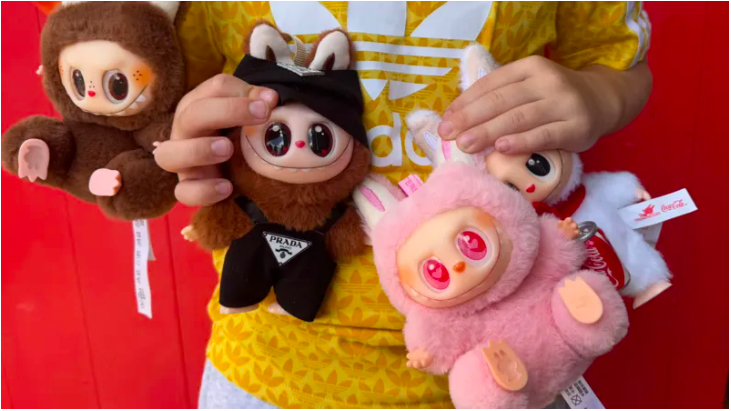
In a quiet industrial estate just outside London, police vans line the street, engines idling as officers pour into an unmarked building. Inside, what appears to be a maze of dusty storage rooms hides a multi-million-pound secret: thousands of counterfeit Labubu dolls. These fluffy, wide-eyed creatures — the stars of a global TikTok craze — have become so popular that they’re now being targeted by criminal networks seeking to exploit the demand with dangerous fakes.
This recent raid, triggered by intelligence gathered at a corner shop in south Wales, reveals the growing scale and sophistication of the counterfeit toy trade. At the centre of it all is Labubu — a mischievous, fox-like collectible doll produced by Chinese company Pop Mart. Once a niche designer toy, Labubu has exploded in popularity thanks to TikTok, where videos featuring the character have racked up millions of views, spawning everything from fan-made stories to real-world queuing frenzies.
The Rise of Labubu: From Cult Toy to Viral Phenomenon
Labubu is part of the “Monster Family” series created by Pop Mart, a company whose designer toys have achieved cult status in parts of Asia and are now spreading across the West. Pop Mart specialises in blind-box collectibles — small, artist-designed figurines sold in sealed boxes so buyers don’t know which one they’ll get until they open it. This surprise element, coupled with TikTok vitality, has made characters like Labubu immensely desirable.
According to Forbes, Labubu mania helped Pop Mart more than double its total revenue to £1.33 billion ($1.81 billion) last year. Limited edition runs, exclusive releases, and pop-up shops have only added fuel to the fire. Children and adults alike are now eager to get their hands on these dolls, often queuing for hours or even flying to other cities to purchase them.
But where hype goes, counterfeiters follow.
A Lucrative Underground Market
As Trading Standards and police forces have discovered, Labubu’s success has spawned a shadow market of fake products flooding stores, markets, and online platforms. The dolls seized in the recent London raid looked convincingly similar to the originals — same size, same colours, same packaging. But their construction and materials tell a more troubling story.
Officers found dolls made with unregulated plastics, synthetic fibres, and questionable dyes. Some lacked basic safety labels or testing certifications. Worse, some counterfeits were stuffed with flammable or potentially toxic materials. These toys, marketed as harmless collectibles, could pose serious health and safety risks — especially to children.
Criminals are capitalising on the TikTok hype, knowing that many buyers — parents, collectors, or young fans — might not notice small differences in logos or packaging. And with some Labubu editions reselling for hundreds of pounds online, the motivation for counterfeiters is clear: low production cost, high resale value, minimal consumer scrutiny.
From Street Corners to Online Stores
What began as small-scale counterfeiting sold from back-alley market stalls has evolved. Today’s fake Labubu dolls are often found on mainstream e-commerce sites and social media marketplaces, cleverly disguised among authentic listings. Sellers use tags like “inspired by,” “factory surplus,” or “unbranded edition” to skirt takedown policies.
Meanwhile, pop-up shops and street vendors selling counterfeit toys have seen an uptick across major UK cities — with Trading Standards admitting that enforcement is struggling to keep up with the volume.
“TikTok fuels the trend, and counterfeiters move quickly to supply demand,” one enforcement officer said. “By the time we trace and shut one operation down, another pops up online.”
This rapid, whack-a-mole dynamic creates a dangerous cycle where fake toys can easily end up in the hands of unsuspecting children.
The Cost of Counterfeits
Beyond health and safety concerns, fake Labubu dolls have financial consequences too. Parents are spending hard-earned money on what they believe to be real toys, only to discover their purchases are substandard or entirely fraudulent. Collectors — some of whom invest serious time and money into complete sets — also feel the sting, as counterfeits devalue the legitimacy of the hobby.
But the deeper cost is societal. Counterfeit goods are often linked to organised crime networks, with profits funnelled into other illicit activities. Manufacturing centres for fake toys frequently have poor labour standards and exploit vulnerable workers. What might seem like an innocent purchase on the surface can, in reality, support dangerous systems far beyond the toy aisle.
What Buyers Can Do
With Labubu’s popularity continuing to grow, awareness is key. Experts urge consumers to buy only from verified retailers, check for official holograms and Pop Mart branding, and be wary of prices that seem too good to be true.
If you’re buying a toy for a child, look for CE marks and product safety labels. Be especially cautious of listings on social media or from lesser-known sellers offering bulk discounts or “rare” editions without clear provenance.
Parents are also encouraged to talk to children about the risks of fakes — not just to avoid disappointment, but to build a wider understanding of why authenticity and safety matter.
Looking Ahead
The TikTok-powered demand for Labubu dolls shows no signs of slowing down. While their popularity brings joy and creativity to millions of fans, it also serves as a stark reminder of how easily viral trends can be hijacked by opportunists.
As authorities continue to crack down on counterfeit networks, it’s clear that public education and digital vigilance must go hand-in-hand. Because in an age where a toy can become a global phenomenon overnight, protecting what we buy — and who we buy it from — is more important than ever.
Conclusion: A Cautionary Tale from a Viral Toy Trend
The Labubu craze may have started as a heartwarming story of creativity, community, and childhood joy — but it’s now become a cautionary tale about the dark side of internet-driven consumerism. When demand skyrockets overnight, it creates the perfect storm for counterfeiters to step in — cutting corners, endangering public safety, and profiting off deception.
The recent seizure of fake Labubu dolls in the UK is just one example of a much larger issue: the rapid rise of unregulated goods in response to viral trends. These aren’t just harmless knock-offs; they represent real risks to children’s health, undermine legitimate businesses, and often feed into global networks of exploitation.
As consumers, we must learn to look beyond the hype. Whether buying for a child, collecting for fun, or simply joining in on a trend, it's more important than ever to stay informed, shop smart, and think critically. Because in a world where even toys can be weaponised by criminal networks, awareness isn't just protection — its power.
Meta Description:
Authorities in the UK seize thousands of fake Labubu dolls amid a TikTok-driven craze, as criminals cash in on demand with unsafe counterfeits posing health risks.
Criminals Cash In on TikTok’s Labubu Craze with Dangerous Counterfeits
In a quiet industrial estate just outside London, police vans line the street, engines idling as officers pour into an unmarked building. Inside, what appears to be a maze of dusty storage rooms hides a multi-million-pound secret: thousands of counterfeit Labubu dolls. These fluffy, wide-eyed creatures — the stars of a global TikTok craze — have become so popular that they’re now being targeted by criminal networks seeking to exploit the demand with dangerous fakes.
This recent raid, triggered by intelligence gathered at a corner shop in south Wales, reveals the growing scale and sophistication of the counterfeit toy trade. At the centre of it all is Labubu — a mischievous, fox-like collectible doll produced by Chinese company Pop Mart. Once a niche designer toy, Labubu has exploded in popularity thanks to TikTok, where videos featuring the character have racked up millions of views, spawning everything from fan-made stories to real-world queuing frenzies.
Register for Tekedia Mini-MBA edition 20 (June 8 – Sept 5, 2026).
Register for Tekedia AI in Business Masterclass.
Join Tekedia Capital Syndicate and co-invest in great global startups.
Register for Tekedia AI Lab.
The Rise of Labubu: From Cult Toy to Viral Phenomenon
Labubu is part of the “Monster Family” series created by Pop Mart, a company whose designer toys have achieved cult status in parts of Asia and are now spreading across the West. Pop Mart specialises in blind-box collectibles — small, artist-designed figurines sold in sealed boxes so buyers don’t know which one they’ll get until they open it. This surprise element, coupled with TikTok vitality, has made characters like Labubu immensely desirable.
According to Forbes, Labubu mania helped Pop Mart more than double its total revenue to £1.33 billion ($1.81 billion) last year. Limited edition runs, exclusive releases, and pop-up shops have only added fuel to the fire. Children and adults alike are now eager to get their hands on these dolls, often queuing for hours or even flying to other cities to purchase them.

But where hype goes, counterfeiters follow.
A Lucrative Underground Market
As Trading Standards and police forces have discovered, Labubu’s success has spawned a shadow market of fake products flooding stores, markets, and online platforms. The dolls seized in the recent London raid looked convincingly similar to the originals — same size, same colours, same packaging. But their construction and materials tell a more troubling story.

Officers found dolls made with unregulated plastics, synthetic fibres, and questionable dyes. Some lacked basic safety labels or testing certifications. Worse, some counterfeits were stuffed with flammable or potentially toxic materials. These toys, marketed as harmless collectibles, could pose serious health and safety risks — especially to children.
Criminals are capitalising on the TikTok hype, knowing that many buyers — parents, collectors, or young fans — might not notice small differences in logos or packaging. And with some Labubu editions reselling for hundreds of pounds online, the motivation for counterfeiters is clear: low production cost, high resale value, minimal consumer scrutiny.
From Street Corners to Online Stores
What began as small-scale counterfeiting sold from back-alley market stalls has evolved. Today’s fake Labubu dolls are often found on mainstream e-commerce sites and social media marketplaces, cleverly disguised among authentic listings. Sellers use tags like “inspired by,” “factory surplus,” or “unbranded edition” to skirt takedown policies.
Meanwhile, pop-up shops and street vendors selling counterfeit toys have seen an uptick across major UK cities — with Trading Standards admitting that enforcement is struggling to keep up with the volume.
“TikTok fuels the trend, and counterfeiters move quickly to supply demand,” one enforcement officer said. “By the time we trace and shut one operation down, another pops up online.”
This rapid, whack-a-mole dynamic creates a dangerous cycle where fake toys can easily end up in the hands of unsuspecting children.
The Cost of Counterfeits
Beyond health and safety concerns, fake Labubu dolls have financial consequences too. Parents are spending hard-earned money on what they believe to be real toys, only to discover their purchases are substandard or entirely fraudulent. Collectors — some of whom invest serious time and money into complete sets — also feel the sting, as counterfeits devalue the legitimacy of the hobby.
But the deeper cost is societal. Counterfeit goods are often linked to organised crime networks, with profits funnelled into other illicit activities. Manufacturing centres for fake toys frequently have poor labour standards and exploit vulnerable workers. What might seem like an innocent purchase on the surface can, in reality, support dangerous systems far beyond the toy aisle.
What Buyers Can Do
With Labubu’s popularity continuing to grow, awareness is key. Experts urge consumers to buy only from verified retailers, check for official holograms and Pop Mart branding, and be wary of prices that seem too good to be true.
If you’re buying a toy for a child, look for CE marks and product safety labels. Be especially cautious of listings on social media or from lesser-known sellers offering bulk discounts or “rare” editions without clear provenance.
Parents are also encouraged to talk to children about the risks of fakes — not just to avoid disappointment, but to build a wider understanding of why authenticity and safety matter.
Looking Ahead
The TikTok-powered demand for Labubu dolls shows no signs of slowing down. While their popularity brings joy and creativity to millions of fans, it also serves as a stark reminder of how easily viral trends can be hijacked by opportunists.
As authorities continue to crack down on counterfeit networks, it’s clear that public education and digital vigilance must go hand-in-hand. Because in an age where a toy can become a global phenomenon overnight, protecting what we buy — and who we buy it from — is more important than ever.
Conclusion: A Cautionary Tale from a Viral Toy Trend
The Labubu craze may have started as a heartwarming story of creativity, community, and childhood joy — but it’s now become a cautionary tale about the dark side of internet-driven consumerism. When demand skyrockets overnight, it creates the perfect storm for counterfeiters to step in — cutting corners, endangering public safety, and profiting off deception.
The recent seizure of fake Labubu dolls in the UK is just one example of a much larger issue: the rapid rise of unregulated goods in response to viral trends. These aren’t just harmless knock-offs; they represent real risks to children’s health, undermine legitimate businesses, and often feed into global networks of exploitation.
As consumers, we must learn to look beyond the hype. Whether buying for a child, collecting for fun, or simply joining in on a trend, it's more important than ever to stay informed, shop smart, and think critically. Because in a world where even toys can be weaponised by criminal networks, awareness isn't just protection — its power.
Meta Description:
Authorities in the UK seize thousands of fake Labubu dolls amid a TikTok-driven craze, as criminals cash in on demand with unsafe counterfeits posing health risks.
Share this:
- Click to share on Facebook (Opens in new window) Facebook
- Click to share on X (Opens in new window) X
- Click to share on WhatsApp (Opens in new window) WhatsApp
- Click to share on LinkedIn (Opens in new window) LinkedIn
- Click to email a link to a friend (Opens in new window) Email
- Click to print (Opens in new window) Print