

FIFA Faces Dilemma Over US-Iran Tensions Ahead of 2026 World Cup

Quote from Alex Bobby on June 27, 2025, 7:15 AM
FIFA Faces Quandary Over US-Iran Involvement at 2026 World Cup Amid Rising Tensions
FIFA, the governing body of world football, is facing an increasingly complex and politically sensitive dilemma ahead of the 2026 World Cup. Following the recent US airstrikes on Iranian nuclear facilities, tensions between the two nations have intensified—casting a shadow over the tournament, which will be co-hosted by the United States, Mexico, and Canada, and will include both the US and Iran as participating teams.
Political Flashpoint Meets Global Sport
The situation stems from a dramatic escalation in Middle Eastern tensions, sparked by a 12-day conflict between Israel and Iran. That clash ended only days ago with an American-brokered ceasefire. But the conflict escalated when US forces, under the directive of former President Donald Trump, conducted a bombing mission on three Iranian nuclear sites—an act widely seen as a direct intervention in the dispute.
The bombing was touted by the Trump administration as a blow to Iran’s nuclear capabilities, although subsequent US intelligence assessments cast doubt on its long-term impact. Iran’s Supreme Leader Ali Khamenei dismissed the operation on Thursday, claiming the US had "achieved no gains from this war."
Amid these heightened geopolitical tensions, football's most prestigious event is now facing scrutiny. With Iran officially qualified for the 2026 World Cup and the US serving as one of the primary hosts, questions are being raised about how FIFA will manage the logistics—and optics—of the two nations potentially playing on US soil.
A Tournament Entangled in Diplomacy
The 2026 World Cup will be the largest in history, expanding to 48 teams and being held across 16 cities in North America. While Canada and Mexico are co-hosts, the majority of matches—including the later knockout rounds—will be held in the United States.
According to the tournament structure, Iran can only avoid playing on US territory during the group stage if it is drawn into Group A, which will be played exclusively in Mexico. Should Iran top that group, they would also play their Round of 32 and Round of 16 matches in Mexico.
However, if Iran progresses further—to the quarterfinals or beyond—they would be required to play in the United States. This raises significant logistical and political concerns. Recent US sanctions, including a travel ban on Iranian nationals, complicate the question of whether Iranian players, coaches, and staff would be allowed to enter the country, even under the special status that typically applies to international sporting delegations.
As of now, there is no FIFA regulation that outright prevents Iranian players from participating in matches on US soil. Still, given the sensitive political climate, officials are treading carefully.
FIFA’s Balancing Act
FIFA is expected to hold internal consultations before the official group draw in December. The FIFA Council, chaired by President Gianni Infantino—who has developed a rapport with Donald Trump in past engagements—will make the final decisions regarding group placements.
The FIFA Competitions Organising Committee, led by UEFA President Aleksander Čeferin and featuring representatives from host nations and Iran, will serve in an advisory role. European football’s precedent could influence FIFA’s choices; in 2022, UEFA separated Ukraine and Belarus in tournament draws due to political instability following Russia’s invasion of Ukraine.
Observers believe a similar model could be considered—such as ensuring Iran’s early-stage matches remain outside of US territory. However, due to the tournament’s fixed knockout structure, a complete separation may be impossible if Iran progresses deep into the competition.
Security, Sport, and Spectacle
This isn’t the first time a US-Iran World Cup encounter has stirred geopolitical controversy. At the 2022 World Cup in Qatar, the two teams met in a politically charged match that attracted global headlines. That game, though, was played on neutral ground.
The 2026 tournament presents a much trickier scenario. Matches in cities like Los Angeles, New York, or Miami would not only be high-profile but also demand unprecedented levels of security. Already, security experts and tournament planners are evaluating contingency plans should US-Iran tensions continue to simmer—or erupt.
There’s also the matter of public sentiment. In the wake of the recent bombings, anti-American protests have surged in Tehran, while hardliners in the US have increased pressure on FIFA to reconsider Iran’s inclusion in the tournament altogether—something FIFA is unlikely to entertain.
Football’s Fragile Neutrality
For FIFA, the stakes go beyond just group draws or stadium logistics. The organisation has long insisted on maintaining political neutrality, but recent global events have forced it to take clearer stances—such as banning Russia from the 2022 World Cup qualifiers after its invasion of Ukraine.
Will FIFA take a similar line if US-Iran tensions worsen? So far, officials remain tight-lipped, with FIFA declining to comment publicly on the matter despite inquiries from several media outlets.
Looking Ahead
Iran’s qualification for its fourth straight World Cup was celebrated back in March, cementing its status as a mainstay in international football. But the road ahead is far from clear. With the draw approaching in December, FIFA must now navigate a diplomatic minefield that threatens to overshadow the spirit of the game.
As the countdown to the 2026 World Cup continues, the beautiful game once again finds itself caught in the crossfire of global politics. Whether FIFA can keep football above the fray remains to be seen.
Conclusion
FIFA now faces a delicate balancing act: ensuring the integrity of the World Cup while managing rising political tensions between two participating nations. As the 2026 tournament draws near, all eyes will be on how the organisation handles one of its toughest diplomatic challenges yet.
Meta description: After recent US airstrikes on Iran, FIFA faces growing questions about how it will handle the participation of both nations at the 2026 World Cup, co-hosted by the US.
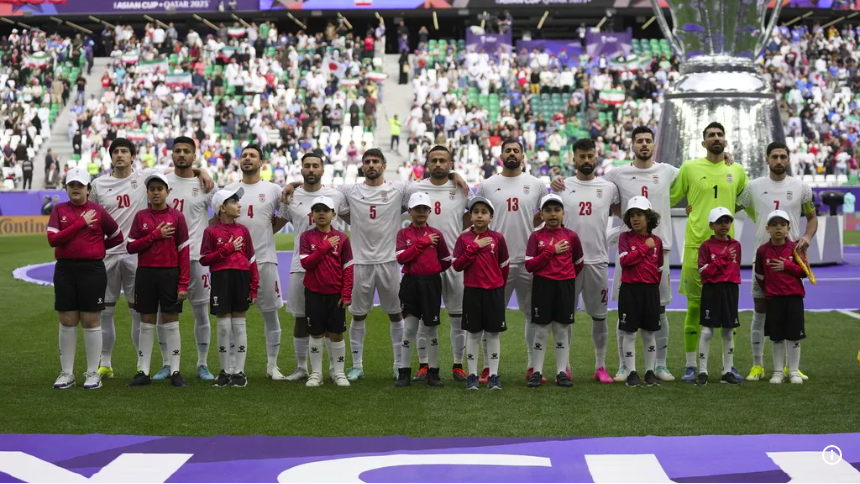
FIFA Faces Quandary Over US-Iran Involvement at 2026 World Cup Amid Rising Tensions
FIFA, the governing body of world football, is facing an increasingly complex and politically sensitive dilemma ahead of the 2026 World Cup. Following the recent US airstrikes on Iranian nuclear facilities, tensions between the two nations have intensified—casting a shadow over the tournament, which will be co-hosted by the United States, Mexico, and Canada, and will include both the US and Iran as participating teams.
Political Flashpoint Meets Global Sport
Register for Tekedia Mini-MBA edition 20 (June 8 – Sept 5, 2026).
Register for Tekedia AI in Business Masterclass.
Join Tekedia Capital Syndicate and co-invest in great global startups.
Register for Tekedia AI Lab.
The situation stems from a dramatic escalation in Middle Eastern tensions, sparked by a 12-day conflict between Israel and Iran. That clash ended only days ago with an American-brokered ceasefire. But the conflict escalated when US forces, under the directive of former President Donald Trump, conducted a bombing mission on three Iranian nuclear sites—an act widely seen as a direct intervention in the dispute.
The bombing was touted by the Trump administration as a blow to Iran’s nuclear capabilities, although subsequent US intelligence assessments cast doubt on its long-term impact. Iran’s Supreme Leader Ali Khamenei dismissed the operation on Thursday, claiming the US had "achieved no gains from this war."
Amid these heightened geopolitical tensions, football's most prestigious event is now facing scrutiny. With Iran officially qualified for the 2026 World Cup and the US serving as one of the primary hosts, questions are being raised about how FIFA will manage the logistics—and optics—of the two nations potentially playing on US soil.

A Tournament Entangled in Diplomacy
The 2026 World Cup will be the largest in history, expanding to 48 teams and being held across 16 cities in North America. While Canada and Mexico are co-hosts, the majority of matches—including the later knockout rounds—will be held in the United States.
According to the tournament structure, Iran can only avoid playing on US territory during the group stage if it is drawn into Group A, which will be played exclusively in Mexico. Should Iran top that group, they would also play their Round of 32 and Round of 16 matches in Mexico.

However, if Iran progresses further—to the quarterfinals or beyond—they would be required to play in the United States. This raises significant logistical and political concerns. Recent US sanctions, including a travel ban on Iranian nationals, complicate the question of whether Iranian players, coaches, and staff would be allowed to enter the country, even under the special status that typically applies to international sporting delegations.
As of now, there is no FIFA regulation that outright prevents Iranian players from participating in matches on US soil. Still, given the sensitive political climate, officials are treading carefully.
FIFA’s Balancing Act
FIFA is expected to hold internal consultations before the official group draw in December. The FIFA Council, chaired by President Gianni Infantino—who has developed a rapport with Donald Trump in past engagements—will make the final decisions regarding group placements.
The FIFA Competitions Organising Committee, led by UEFA President Aleksander Čeferin and featuring representatives from host nations and Iran, will serve in an advisory role. European football’s precedent could influence FIFA’s choices; in 2022, UEFA separated Ukraine and Belarus in tournament draws due to political instability following Russia’s invasion of Ukraine.
Observers believe a similar model could be considered—such as ensuring Iran’s early-stage matches remain outside of US territory. However, due to the tournament’s fixed knockout structure, a complete separation may be impossible if Iran progresses deep into the competition.
Security, Sport, and Spectacle
This isn’t the first time a US-Iran World Cup encounter has stirred geopolitical controversy. At the 2022 World Cup in Qatar, the two teams met in a politically charged match that attracted global headlines. That game, though, was played on neutral ground.
The 2026 tournament presents a much trickier scenario. Matches in cities like Los Angeles, New York, or Miami would not only be high-profile but also demand unprecedented levels of security. Already, security experts and tournament planners are evaluating contingency plans should US-Iran tensions continue to simmer—or erupt.
There’s also the matter of public sentiment. In the wake of the recent bombings, anti-American protests have surged in Tehran, while hardliners in the US have increased pressure on FIFA to reconsider Iran’s inclusion in the tournament altogether—something FIFA is unlikely to entertain.
Football’s Fragile Neutrality
For FIFA, the stakes go beyond just group draws or stadium logistics. The organisation has long insisted on maintaining political neutrality, but recent global events have forced it to take clearer stances—such as banning Russia from the 2022 World Cup qualifiers after its invasion of Ukraine.
Will FIFA take a similar line if US-Iran tensions worsen? So far, officials remain tight-lipped, with FIFA declining to comment publicly on the matter despite inquiries from several media outlets.
Looking Ahead
Iran’s qualification for its fourth straight World Cup was celebrated back in March, cementing its status as a mainstay in international football. But the road ahead is far from clear. With the draw approaching in December, FIFA must now navigate a diplomatic minefield that threatens to overshadow the spirit of the game.
As the countdown to the 2026 World Cup continues, the beautiful game once again finds itself caught in the crossfire of global politics. Whether FIFA can keep football above the fray remains to be seen.
Conclusion
FIFA now faces a delicate balancing act: ensuring the integrity of the World Cup while managing rising political tensions between two participating nations. As the 2026 tournament draws near, all eyes will be on how the organisation handles one of its toughest diplomatic challenges yet.
Meta description: After recent US airstrikes on Iran, FIFA faces growing questions about how it will handle the participation of both nations at the 2026 World Cup, co-hosted by the US.
Uploaded files:Share this:
- Click to share on Facebook (Opens in new window) Facebook
- Click to share on X (Opens in new window) X
- Click to share on WhatsApp (Opens in new window) WhatsApp
- Click to share on LinkedIn (Opens in new window) LinkedIn
- Click to email a link to a friend (Opens in new window) Email
- Click to print (Opens in new window) Print