

Five Greek Officials Resign Over EU Farming Subsidy Fraud Scandal Involving €392 Million

Quote from Alex Bobby on June 28, 2025, 7:29 AM
Five Greek Government Officials Resign Amid EU Farming Subsidy Fraud Allegations
Greece has been rocked by a significant political scandal after five high-ranking government officials resigned on Friday following revelations of their possible involvement in a widespread European Union agricultural subsidy fraud scheme. The resignations come amid an ongoing investigation by the European Public Prosecutor’s Office (EPPO), which has uncovered alleged systemic abuse of EU farming funds.
At the centre of the storm is the Organisation for Payments and Control of Community Aid Guidance and Guarantee (OPEKEPE)—the state agency responsible for managing EU agricultural subsidies in Greece. According to the EPPO, a "significant number of individuals" received subsidies between 2019 and 2024 based on fraudulent claims, including false declarations of land ownership and livestock.
Who Resigned?
Among the five officials who stepped down is Migration and Asylum Minister Makis Voridis, who previously served as Agriculture Minister from mid-2019 to early 2021—a period directly tied to the fraudulent subsidy claims. Though he has denied any wrongdoing, Voridis said in his resignation letter to Prime Minister Kyriakos Mitsotakis that he would step aside to “focus on clearing [his] name.”
The other four officials include:
- The Deputy Foreign Affairs Minister
- The Deputy Minister of Agriculture and Food
- The Deputy Minister of Digital Governance
- The General Secretary for Agriculture and Food
Prime Minister Mitsotakis accepted all five resignations and announced that their replacements would be named “in the coming days,” according to government spokesperson Pavlos Marinakis.
The Allegations: Misused EU Subsidies and False Declarations
The case centres on the mismanagement of EU Common Agricultural Policy (CAP) funds, which are intended to support farmers and rural development across Europe. These funds are critical to the agricultural sectors of many EU countries, including Greece.
According to the EPPO’s preliminary investigation:
- Individuals submitted false claims that they owned or leased public grazing lands to qualify for subsidies.
- These fake pasture claims were used to secure large sums of money from EU agricultural programs.
- Some of the fraudulent claims were renewed annually, including declarations of non-existent livestock to maintain subsidy eligibility.
- Fraudulent activity continued through 2024, long after the original fraudulent claims began in 2019.
While the prosecutor's office has not named specific suspects in detail, it stated that evidence suggests the involvement of government ministers in what may have been an organised fraud scheme.
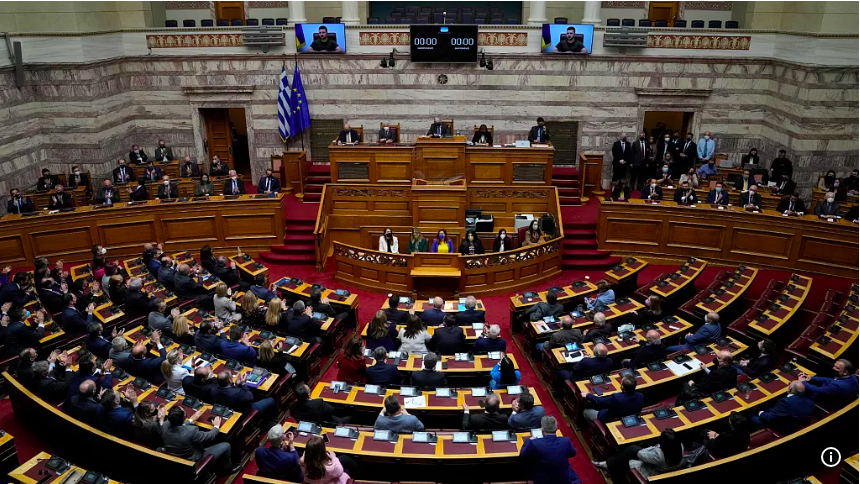
The Greek Parliament has received a case file related to the investigation, as several MPs appear to be implicated. However, members of the Greek parliament enjoy immunity from prosecution, and a parliamentary vote would be required to lift that protection before formal charges can be pursued.
European Commission Reacts with Financial Sanction
The fallout has already begun to impact Greece's standing with the European Commission, which earlier this month announced a 5% reduction in farm subsidies to Greece, amounting to a €392 million penalty. The cut reflects concerns about systemic mismanagement of EU funds and aims to prevent further misuse.
The move is significant, as it places Greece under financial scrutiny and signals the EU's intent to hold member states accountable for transparent and lawful use of agricultural aid.
Political and Public Reactions
The resignations have sparked political debate and public concern in Greece. Critics of the government argue that the scandal reveals deeper issues of corruption and oversight failure, particularly in agencies responsible for distributing EU money.
Opposition parties have called for further investigation and full transparency, urging the government to cooperate with EU prosecutors and implement stricter controls on how EU subsidies are managed.
Meanwhile, public trust in the government appears to have been shaken. The scandal has raised questions about how widely known the alleged fraud was within the administration and whether systemic corruption was allowed to flourish under political protection.
What Comes Next?
The case now lies in the hands of both the Greek judicial system and the European Public Prosecutor’s Office, with further legal proceedings expected in the coming months. The Greek Parliament will also need to address the issue of immunity for implicated MPs, which could become a contentious and politically charged process.
Additionally, the naming of replacements for the five resigned officials will be closely watched as the government attempts to restore credibility and public confidence in its ability to govern transparently.
Conclusion
The resignation of five top Greek officials over allegations of EU subsidy fraud marks one of the most serious corruption cases the current administration has faced. As investigations continue and financial penalties loom, the case serves as a powerful reminder of the need for robust oversight and accountability in public spending, especially when it involves EU taxpayer funds. The coming weeks will be critical in determining not only the political fallout but also the legal consequences for those involved.
Meta description:
Five senior Greek officials, including a former agriculture minister, have resigned over allegations of EU farm subsidy fraud. Investigations point to widespread misuse of agricultural funds from 2019 to 2024.
Five Greek Government Officials Resign Amid EU Farming Subsidy Fraud Allegations
Greece has been rocked by a significant political scandal after five high-ranking government officials resigned on Friday following revelations of their possible involvement in a widespread European Union agricultural subsidy fraud scheme. The resignations come amid an ongoing investigation by the European Public Prosecutor’s Office (EPPO), which has uncovered alleged systemic abuse of EU farming funds.
At the centre of the storm is the Organisation for Payments and Control of Community Aid Guidance and Guarantee (OPEKEPE)—the state agency responsible for managing EU agricultural subsidies in Greece. According to the EPPO, a "significant number of individuals" received subsidies between 2019 and 2024 based on fraudulent claims, including false declarations of land ownership and livestock.
Register for Tekedia Mini-MBA edition 20 (June 8 – Sept 5, 2026).
Register for Tekedia AI in Business Masterclass.
Join Tekedia Capital Syndicate and co-invest in great global startups.
Register for Tekedia AI Lab.
Who Resigned?
Among the five officials who stepped down is Migration and Asylum Minister Makis Voridis, who previously served as Agriculture Minister from mid-2019 to early 2021—a period directly tied to the fraudulent subsidy claims. Though he has denied any wrongdoing, Voridis said in his resignation letter to Prime Minister Kyriakos Mitsotakis that he would step aside to “focus on clearing [his] name.”
The other four officials include:

- The Deputy Foreign Affairs Minister
- The Deputy Minister of Agriculture and Food
- The Deputy Minister of Digital Governance
- The General Secretary for Agriculture and Food
Prime Minister Mitsotakis accepted all five resignations and announced that their replacements would be named “in the coming days,” according to government spokesperson Pavlos Marinakis.
The Allegations: Misused EU Subsidies and False Declarations
The case centres on the mismanagement of EU Common Agricultural Policy (CAP) funds, which are intended to support farmers and rural development across Europe. These funds are critical to the agricultural sectors of many EU countries, including Greece.

According to the EPPO’s preliminary investigation:
- Individuals submitted false claims that they owned or leased public grazing lands to qualify for subsidies.
- These fake pasture claims were used to secure large sums of money from EU agricultural programs.
- Some of the fraudulent claims were renewed annually, including declarations of non-existent livestock to maintain subsidy eligibility.
- Fraudulent activity continued through 2024, long after the original fraudulent claims began in 2019.
While the prosecutor's office has not named specific suspects in detail, it stated that evidence suggests the involvement of government ministers in what may have been an organised fraud scheme.
The Greek Parliament has received a case file related to the investigation, as several MPs appear to be implicated. However, members of the Greek parliament enjoy immunity from prosecution, and a parliamentary vote would be required to lift that protection before formal charges can be pursued.
European Commission Reacts with Financial Sanction
The fallout has already begun to impact Greece's standing with the European Commission, which earlier this month announced a 5% reduction in farm subsidies to Greece, amounting to a €392 million penalty. The cut reflects concerns about systemic mismanagement of EU funds and aims to prevent further misuse.
The move is significant, as it places Greece under financial scrutiny and signals the EU's intent to hold member states accountable for transparent and lawful use of agricultural aid.
Political and Public Reactions
The resignations have sparked political debate and public concern in Greece. Critics of the government argue that the scandal reveals deeper issues of corruption and oversight failure, particularly in agencies responsible for distributing EU money.
Opposition parties have called for further investigation and full transparency, urging the government to cooperate with EU prosecutors and implement stricter controls on how EU subsidies are managed.
Meanwhile, public trust in the government appears to have been shaken. The scandal has raised questions about how widely known the alleged fraud was within the administration and whether systemic corruption was allowed to flourish under political protection.
What Comes Next?
The case now lies in the hands of both the Greek judicial system and the European Public Prosecutor’s Office, with further legal proceedings expected in the coming months. The Greek Parliament will also need to address the issue of immunity for implicated MPs, which could become a contentious and politically charged process.
Additionally, the naming of replacements for the five resigned officials will be closely watched as the government attempts to restore credibility and public confidence in its ability to govern transparently.
Conclusion
The resignation of five top Greek officials over allegations of EU subsidy fraud marks one of the most serious corruption cases the current administration has faced. As investigations continue and financial penalties loom, the case serves as a powerful reminder of the need for robust oversight and accountability in public spending, especially when it involves EU taxpayer funds. The coming weeks will be critical in determining not only the political fallout but also the legal consequences for those involved.
Meta description:
Five senior Greek officials, including a former agriculture minister, have resigned over allegations of EU farm subsidy fraud. Investigations point to widespread misuse of agricultural funds from 2019 to 2024.
Uploaded files:Share this:
- Click to share on Facebook (Opens in new window) Facebook
- Click to share on X (Opens in new window) X
- Click to share on WhatsApp (Opens in new window) WhatsApp
- Click to share on LinkedIn (Opens in new window) LinkedIn
- Click to email a link to a friend (Opens in new window) Email
- Click to print (Opens in new window) Print