

H-1B Visa Chaos: Indian Worker Spends $8,000 to Return to US Amid Trump’s New Fee Order

Quote from Alex Bobby on September 22, 2025, 3:15 AM
I Spent $8,000 to Get Back to the US Amid Trump’s Visa Deadline Chaos
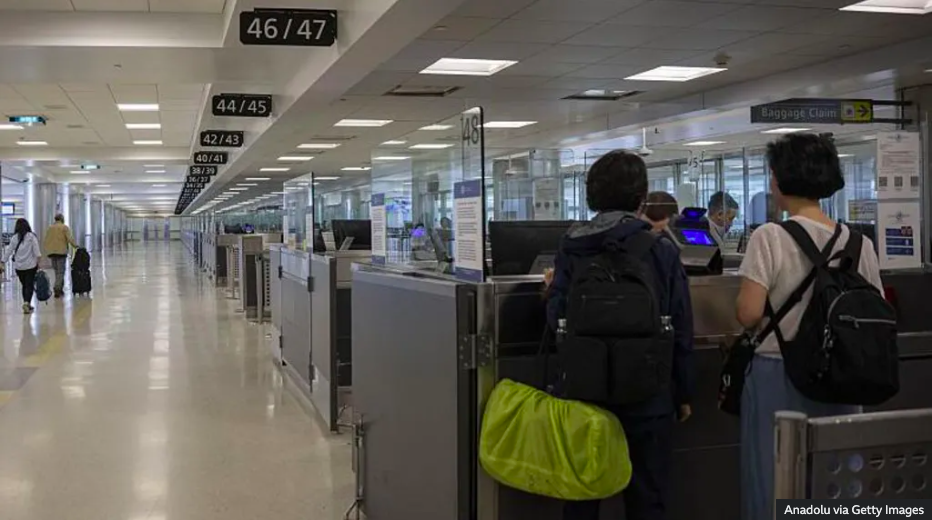
When Rohan Mehta boarded a Virgin Atlantic flight from Mumbai to New York’s JFK Airport, he carried more than just his luggage. He carried fear, confusion, and the weight of an $8,000 bill for last-minute flights. His story illustrates the uncertainty and emotional toll faced by thousands of skilled foreign workers in the United States after President Donald Trump signed an executive order dramatically raising visa fees.
Mehta — not his real name — is a software professional who has lived in the United States with his family for 11 years. Like many Indians on H-1B visas, his professional life and personal roots are deeply intertwined with the country. Yet a trip home to Nagpur, India, for the anniversary of his father’s death nearly turned into a nightmare.
The Executive Order That Sparked Panic
On Friday, Trump signed an executive order requiring a $100,000 (£74,000) fee for companies sponsoring applicants to the H-1B visa programme, a work visa designed for skilled foreign workers in specialised fields such as technology, medicine, and engineering. The announcement came as a shock.
Until now, application fees hovered around $1,500. Suddenly, employers faced a cost more than 60 times higher. Immigration lawyers and companies quickly advised those on H-1B visas who were outside the country to rush back before the order came into effect on Sunday.
The fear was simple: anyone stranded abroad might be subject to the new fee, leaving their employers unwilling to shoulder the cost, and putting their immigration status at risk.
A Frantic Return
For Mehta, this meant cutting his trip short. “On September 20, I realised I might not be able to return to my home if I didn’t make it back before the deadline,” he told reporters just before boarding his flight.
In the span of eight hours, he spent more than $8,000 (£5,900) booking and rebooking flights. “I booked multiple options because most were cutting it very close,” he explained. “Even if there was a slight delay, I’d have missed the deadline.”
The scramble was traumatic. “I’m glad my wife and daughter hadn’t come with me. It would have been unbearable to put them through this,” he said.
White House Clarification Too Late
On Saturday, just one day after the order, the White House attempted to calm the panic. Press Secretary Karoline Leavitt clarified on X (formerly Twitter) that the $100,000 fee would not apply to current visa holders, nor would it affect those re-entering the country. Instead, the charge would only apply to new visa applications, not renewals.
“H-1B visa holders can leave and re-enter the country to the same extent as they normally would,” she wrote. “The new fee will be a one-time charge, not annual, and will only apply to new applicants.”
But by then, for workers like Mehta, the damage had been done. “The last few days have been traumatic,” he said. “I’m regretting the choices I’ve made in life. I gave the prime of my youth to working for this country and now I feel like I’m not wanted.”
Indian Workers Hit Hardest
The United States issues 85,000 H-1B visas every year. Over 70% of those go to workers from India, many of whom work for major tech companies like Amazon, Tata, Microsoft, Meta, Apple, and Google.
For these workers, the visa isn’t just paperwork — it represents stability for families, mortgages, children’s education, and decades of professional contribution. Many, like Mehta, have lived in the US for years, if not decades, and consider it home.
“My daughter has spent her entire life in the US,” Mehta said. “I’m not sure how I’ll uproot my life from there and start all over in India.”
Widespread Confusion Among Visa Holders
Rohan’s fears were not unique. The BBC spoke to numerous H-1B visa holders, most of whom refused to be identified because their employers hadn’t authorised them to speak publicly.
Another worker, who had been on holiday in Europe, described the situation as “deeply confusing.”
“We are yet to see how employers are thinking and how this will play out,” he said. “From my understanding, the order is only for new H-1B visas. Immigration lawyers are still figuring it out and advised us to go back.”
The uncertainty reflects a broader tension: even with clarifications, many visa holders remain unsure how new policies will be enforced, particularly under an administration that has repeatedly scrutinised immigration programmes.
The Human Cost of Policy Shifts
The executive order’s intent, according to the Trump administration, is to “prioritise American workers” and ensure that companies pay a premium when hiring from abroad. Critics argue that such sudden measures destabilise the very industries that depend heavily on global talent.
For workers, however, the cost isn’t just financial. It’s emotional and psychological. Mehta described feelings of betrayal: “I’ve given everything to this country. And now, overnight, I’m treated like I don’t belong.”
These stories highlight how immigration policies ripple far beyond the halls of government. They reach into family gatherings in Nagpur, holiday trips to Europe, and daily lives in suburbs across the United States.
Looking Ahead
For now, the White House has made clear that current H-1B holders are safe from the new $100,000 fee. But trust has already been shaken. Many visa holders now wonder: if such sweeping changes can be announced overnight, what might happen next?
Employers are also recalculating. Tech giants, the biggest beneficiaries of the programme, may reconsider the costs of future sponsorships. For prospective applicants in India and elsewhere, the pathway to the United States just became significantly more expensive.
As for Mehta, he’s back in the US, but the experience has left scars. “I’ll never forget the panic of those days. I thought I’d lose everything — my home, my career, my family’s future,” he said.
The ordeal has sparked reflection on a deeper question: how welcome are skilled immigrants in the United States, even after decades of contribution? For many, the answer feels more uncertain than ever.
Final Thoughts
Rohan Mehta’s $8,000 scramble to get back to the US underscores the fragility of immigrant life under shifting policies. While the White House insists current H-1B holders are unaffected, the episode reveals how quickly fear can spread when livelihoods are at stake. For America’s skilled foreign workers, this latest chapter is both a reminder of their vulnerability and a test of their resilience.Conclusion
Rohan Mehta’s experience shows just how disruptive sudden policy changes can be for immigrants who have built their lives in the United States. Even though the White House later clarified that current H-1B holders would not be affected, the chaos and fear had already taken their toll. For many, the ordeal was not just about the cost of flights but about the feeling of uncertainty, instability, and being unwanted in the place they now call home.
As the debate over immigration and skilled visas continues, one thing is clear: behind every policy shift are real people whose futures hang in the balance. Their stories remind us that immigration is not just a political issue — it’s a deeply human one.
Meta Description:
Rohan Mehta, an H-1B visa holder, spent $8,000 rushing back to the US after Trump’s $100,000 visa fee order sparked panic. Confusion spread among skilled workers despite later White House clarification.
I Spent $8,000 to Get Back to the US Amid Trump’s Visa Deadline Chaos
When Rohan Mehta boarded a Virgin Atlantic flight from Mumbai to New York’s JFK Airport, he carried more than just his luggage. He carried fear, confusion, and the weight of an $8,000 bill for last-minute flights. His story illustrates the uncertainty and emotional toll faced by thousands of skilled foreign workers in the United States after President Donald Trump signed an executive order dramatically raising visa fees.
Mehta — not his real name — is a software professional who has lived in the United States with his family for 11 years. Like many Indians on H-1B visas, his professional life and personal roots are deeply intertwined with the country. Yet a trip home to Nagpur, India, for the anniversary of his father’s death nearly turned into a nightmare.
Register for Tekedia Mini-MBA edition 20 (June 8 – Sept 5, 2026).
Register for Tekedia AI in Business Masterclass.
Join Tekedia Capital Syndicate and co-invest in great global startups.
Register for Tekedia AI Lab.
The Executive Order That Sparked Panic
On Friday, Trump signed an executive order requiring a $100,000 (£74,000) fee for companies sponsoring applicants to the H-1B visa programme, a work visa designed for skilled foreign workers in specialised fields such as technology, medicine, and engineering. The announcement came as a shock.
Until now, application fees hovered around $1,500. Suddenly, employers faced a cost more than 60 times higher. Immigration lawyers and companies quickly advised those on H-1B visas who were outside the country to rush back before the order came into effect on Sunday.

The fear was simple: anyone stranded abroad might be subject to the new fee, leaving their employers unwilling to shoulder the cost, and putting their immigration status at risk.
A Frantic Return
For Mehta, this meant cutting his trip short. “On September 20, I realised I might not be able to return to my home if I didn’t make it back before the deadline,” he told reporters just before boarding his flight.

In the span of eight hours, he spent more than $8,000 (£5,900) booking and rebooking flights. “I booked multiple options because most were cutting it very close,” he explained. “Even if there was a slight delay, I’d have missed the deadline.”
The scramble was traumatic. “I’m glad my wife and daughter hadn’t come with me. It would have been unbearable to put them through this,” he said.
White House Clarification Too Late
On Saturday, just one day after the order, the White House attempted to calm the panic. Press Secretary Karoline Leavitt clarified on X (formerly Twitter) that the $100,000 fee would not apply to current visa holders, nor would it affect those re-entering the country. Instead, the charge would only apply to new visa applications, not renewals.
“H-1B visa holders can leave and re-enter the country to the same extent as they normally would,” she wrote. “The new fee will be a one-time charge, not annual, and will only apply to new applicants.”
But by then, for workers like Mehta, the damage had been done. “The last few days have been traumatic,” he said. “I’m regretting the choices I’ve made in life. I gave the prime of my youth to working for this country and now I feel like I’m not wanted.”
Indian Workers Hit Hardest
The United States issues 85,000 H-1B visas every year. Over 70% of those go to workers from India, many of whom work for major tech companies like Amazon, Tata, Microsoft, Meta, Apple, and Google.
For these workers, the visa isn’t just paperwork — it represents stability for families, mortgages, children’s education, and decades of professional contribution. Many, like Mehta, have lived in the US for years, if not decades, and consider it home.
“My daughter has spent her entire life in the US,” Mehta said. “I’m not sure how I’ll uproot my life from there and start all over in India.”
Widespread Confusion Among Visa Holders
Rohan’s fears were not unique. The BBC spoke to numerous H-1B visa holders, most of whom refused to be identified because their employers hadn’t authorised them to speak publicly.
Another worker, who had been on holiday in Europe, described the situation as “deeply confusing.”
“We are yet to see how employers are thinking and how this will play out,” he said. “From my understanding, the order is only for new H-1B visas. Immigration lawyers are still figuring it out and advised us to go back.”
The uncertainty reflects a broader tension: even with clarifications, many visa holders remain unsure how new policies will be enforced, particularly under an administration that has repeatedly scrutinised immigration programmes.
The Human Cost of Policy Shifts
The executive order’s intent, according to the Trump administration, is to “prioritise American workers” and ensure that companies pay a premium when hiring from abroad. Critics argue that such sudden measures destabilise the very industries that depend heavily on global talent.
For workers, however, the cost isn’t just financial. It’s emotional and psychological. Mehta described feelings of betrayal: “I’ve given everything to this country. And now, overnight, I’m treated like I don’t belong.”
These stories highlight how immigration policies ripple far beyond the halls of government. They reach into family gatherings in Nagpur, holiday trips to Europe, and daily lives in suburbs across the United States.
Looking Ahead
For now, the White House has made clear that current H-1B holders are safe from the new $100,000 fee. But trust has already been shaken. Many visa holders now wonder: if such sweeping changes can be announced overnight, what might happen next?
Employers are also recalculating. Tech giants, the biggest beneficiaries of the programme, may reconsider the costs of future sponsorships. For prospective applicants in India and elsewhere, the pathway to the United States just became significantly more expensive.
As for Mehta, he’s back in the US, but the experience has left scars. “I’ll never forget the panic of those days. I thought I’d lose everything — my home, my career, my family’s future,” he said.
The ordeal has sparked reflection on a deeper question: how welcome are skilled immigrants in the United States, even after decades of contribution? For many, the answer feels more uncertain than ever.
Final Thoughts
Rohan Mehta’s $8,000 scramble to get back to the US underscores the fragility of immigrant life under shifting policies. While the White House insists current H-1B holders are unaffected, the episode reveals how quickly fear can spread when livelihoods are at stake. For America’s skilled foreign workers, this latest chapter is both a reminder of their vulnerability and a test of their resilience.
Conclusion
Rohan Mehta’s experience shows just how disruptive sudden policy changes can be for immigrants who have built their lives in the United States. Even though the White House later clarified that current H-1B holders would not be affected, the chaos and fear had already taken their toll. For many, the ordeal was not just about the cost of flights but about the feeling of uncertainty, instability, and being unwanted in the place they now call home.
As the debate over immigration and skilled visas continues, one thing is clear: behind every policy shift are real people whose futures hang in the balance. Their stories remind us that immigration is not just a political issue — it’s a deeply human one.
Meta Description:
Rohan Mehta, an H-1B visa holder, spent $8,000 rushing back to the US after Trump’s $100,000 visa fee order sparked panic. Confusion spread among skilled workers despite later White House clarification.
Share this:
- Click to share on Facebook (Opens in new window) Facebook
- Click to share on X (Opens in new window) X
- Click to share on WhatsApp (Opens in new window) WhatsApp
- Click to share on LinkedIn (Opens in new window) LinkedIn
- Click to email a link to a friend (Opens in new window) Email
- Click to print (Opens in new window) Print