

“ICC Issues Arrest Warrants for Taliban Leaders Over Systematic Abuse of Women and Girls”

Quote from Alex Bobby on July 9, 2025, 8:18 AM
ICC Issues Arrest Warrants for Taliban Leaders Over Systematic Gender-Based Persecution
In a landmark move highlighting growing international outrage over the Taliban's treatment of women and girls, the International Criminal Court (ICC) has issued arrest warrants for two of the group's top figures. The court accuses Taliban supreme leader Hibatullah Akhunzada and Abdul Hakim Haqqani, head of Afghanistan’s Supreme Court, of crimes against humanity for the systemic persecution of women and girls in Afghanistan.
The warrants, issued on Tuesday, cite extensive evidence of gender-based oppression since the Taliban returned to power in August 2021. According to the ICC, both leaders are charged with "ordering, inducing or soliciting" persecution based on gender — a violation of international human rights law and a crime under the Rome Statute.
A Systematic Assault on Women’s Rights
The Taliban’s rule since their takeover has been marked by a brutal crackdown on women’s freedoms. The ICC outlined a wide range of policies and practices implemented by the Taliban that effectively strip Afghan women and girls of their basic rights. These include bans on secondary education for girls, restrictions on women working in public-facing roles, and edicts limiting freedom of movement, expression, religion, and even physical appearance.
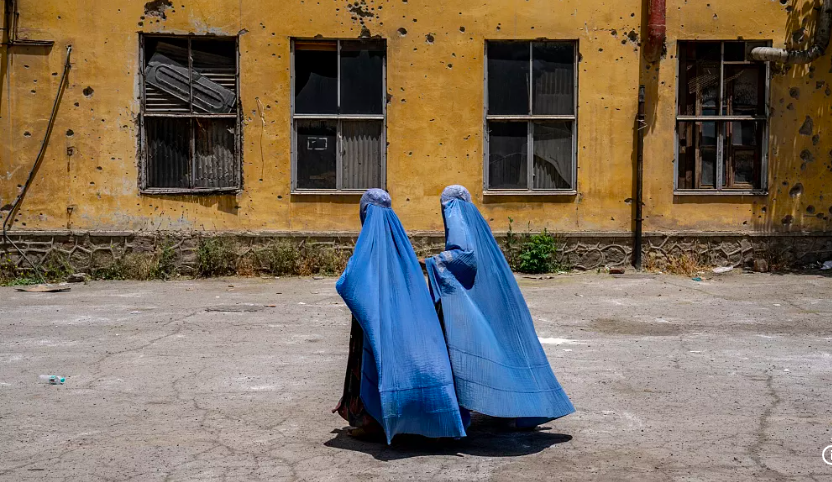
Perhaps most chilling are the Taliban's morality laws. These include compulsory face coverings for women and prohibitions against traveling without a male guardian. In some regions, women are barred from even speaking in public — their voices considered too provocative to be heard.
The ICC’s arrest warrants also noted that people perceived as supporters of women and girls — including family members, activists, and educators — have faced persecution for allegedly opposing Taliban ideology. The crackdown extends to individuals targeted for their perceived sexuality or gender identity, which the Taliban deems incompatible with their policies.
The Return of Brutal Punishments
In March 2024, Akhunzada made global headlines by announcing the Taliban’s intent to resume public stonings for women accused of adultery — a move seen by many as a symbolic and literal throwback to the darkest days of Taliban rule in the late 1990s. Amnesty International and other watchdog groups have reported increases in child marriage, arbitrary detentions, and gender-based violence under the regime.
This broad repression has created what the ICC described as a regime of institutionalised misogyny. “Women and girls are being erased from public life, denied education and employment, and subjected to rules that amount to gender apartheid,” said a legal expert familiar with the case.
Global Reaction and the Road Ahead
The ICC's decision is being widely applauded by human rights organisation’s. Amnesty International welcomed the arrest warrants, calling them “a critical step toward justice for Afghan women.” Heather Barr, associate director of the Women’s Rights Division at Human Rights Watch, said the move “sends a strong signal that gender persecution is a serious crime under international law.”
However, the road to justice remains steep. The Taliban leadership, including Akhunzada and Haqqani, is currently based in Afghanistan, a country that does not recognise the jurisdiction of the ICC. While the warrants will limit their ability to travel internationally, enforcing them within Afghanistan itself will be a formidable challenge unless there is a change in regime or a significant shift in international leverage.
A Larger Pattern of Gendered Oppression
While the focus is on women and girls, the ICC also highlighted how men and boys have not been immune to Taliban repression. According to the Centre for Information Resilience’s Afghan Witness project, males have been subjected to beatings, arrests, and detentions for defying Taliban dress codes or sporting "un-Islamic" hairstyles.
Still, it is the treatment of women and girls that most starkly defines the Taliban’s regime. The ban on education, employment, and autonomy reflects a worldview that relegates women to near-invisibility. With the issuance of these arrest warrants, the ICC has taken a crucial step toward holding leaders accountable for what many consider one of the gravest gender-based rights violations of the 21st century.
Final Thought:
The ICC’s arrest warrants for top Taliban leaders mark a rare but powerful stand against institutionalised gender persecution. While enforcement may be elusive for now, the move sends a clear message: the international community will not stay silent as women and girls are systematically erased from public life. Accountability may be slow, but justice begins with recognition—and this is a step toward ensuring the voices the Taliban tried to silence are finally heard.
Conclusion: Justice Delayed, But Not Denied
The ICC's move to issue arrest warrants marks a pivotal moment in the international response to the Taliban’s brutal policies. Though symbolic for now, these warrants represent a long-overdue acknowledgment that gender persecution is not just a domestic issue — it’s a crime against humanity.
For Afghan women and girls, it may not yet signal immediate relief. But it does offer a glimmer of hope that the world is watching — and that justice, however delayed, is still possible.
Meta Description:
The ICC has issued arrest warrants for Taliban leaders Hibatullah Akhunzada and Abdul Hakim Haqqani over gender-based persecution in Afghanistan. Learn about the charges and global reactions.
ICC Issues Arrest Warrants for Taliban Leaders Over Systematic Gender-Based Persecution
In a landmark move highlighting growing international outrage over the Taliban's treatment of women and girls, the International Criminal Court (ICC) has issued arrest warrants for two of the group's top figures. The court accuses Taliban supreme leader Hibatullah Akhunzada and Abdul Hakim Haqqani, head of Afghanistan’s Supreme Court, of crimes against humanity for the systemic persecution of women and girls in Afghanistan.
The warrants, issued on Tuesday, cite extensive evidence of gender-based oppression since the Taliban returned to power in August 2021. According to the ICC, both leaders are charged with "ordering, inducing or soliciting" persecution based on gender — a violation of international human rights law and a crime under the Rome Statute.
Register for Tekedia Mini-MBA edition 20 (June 8 – Sept 5, 2026).
Register for Tekedia AI in Business Masterclass.
Join Tekedia Capital Syndicate and co-invest in great global startups.
Register for Tekedia AI Lab.
A Systematic Assault on Women’s Rights
The Taliban’s rule since their takeover has been marked by a brutal crackdown on women’s freedoms. The ICC outlined a wide range of policies and practices implemented by the Taliban that effectively strip Afghan women and girls of their basic rights. These include bans on secondary education for girls, restrictions on women working in public-facing roles, and edicts limiting freedom of movement, expression, religion, and even physical appearance.
Perhaps most chilling are the Taliban's morality laws. These include compulsory face coverings for women and prohibitions against traveling without a male guardian. In some regions, women are barred from even speaking in public — their voices considered too provocative to be heard.

The ICC’s arrest warrants also noted that people perceived as supporters of women and girls — including family members, activists, and educators — have faced persecution for allegedly opposing Taliban ideology. The crackdown extends to individuals targeted for their perceived sexuality or gender identity, which the Taliban deems incompatible with their policies.
The Return of Brutal Punishments
In March 2024, Akhunzada made global headlines by announcing the Taliban’s intent to resume public stonings for women accused of adultery — a move seen by many as a symbolic and literal throwback to the darkest days of Taliban rule in the late 1990s. Amnesty International and other watchdog groups have reported increases in child marriage, arbitrary detentions, and gender-based violence under the regime.

This broad repression has created what the ICC described as a regime of institutionalised misogyny. “Women and girls are being erased from public life, denied education and employment, and subjected to rules that amount to gender apartheid,” said a legal expert familiar with the case.
Global Reaction and the Road Ahead
The ICC's decision is being widely applauded by human rights organisation’s. Amnesty International welcomed the arrest warrants, calling them “a critical step toward justice for Afghan women.” Heather Barr, associate director of the Women’s Rights Division at Human Rights Watch, said the move “sends a strong signal that gender persecution is a serious crime under international law.”
However, the road to justice remains steep. The Taliban leadership, including Akhunzada and Haqqani, is currently based in Afghanistan, a country that does not recognise the jurisdiction of the ICC. While the warrants will limit their ability to travel internationally, enforcing them within Afghanistan itself will be a formidable challenge unless there is a change in regime or a significant shift in international leverage.
A Larger Pattern of Gendered Oppression
While the focus is on women and girls, the ICC also highlighted how men and boys have not been immune to Taliban repression. According to the Centre for Information Resilience’s Afghan Witness project, males have been subjected to beatings, arrests, and detentions for defying Taliban dress codes or sporting "un-Islamic" hairstyles.
Still, it is the treatment of women and girls that most starkly defines the Taliban’s regime. The ban on education, employment, and autonomy reflects a worldview that relegates women to near-invisibility. With the issuance of these arrest warrants, the ICC has taken a crucial step toward holding leaders accountable for what many consider one of the gravest gender-based rights violations of the 21st century.
Final Thought:
The ICC’s arrest warrants for top Taliban leaders mark a rare but powerful stand against institutionalised gender persecution. While enforcement may be elusive for now, the move sends a clear message: the international community will not stay silent as women and girls are systematically erased from public life. Accountability may be slow, but justice begins with recognition—and this is a step toward ensuring the voices the Taliban tried to silence are finally heard.
Conclusion: Justice Delayed, But Not Denied
The ICC's move to issue arrest warrants marks a pivotal moment in the international response to the Taliban’s brutal policies. Though symbolic for now, these warrants represent a long-overdue acknowledgment that gender persecution is not just a domestic issue — it’s a crime against humanity.
For Afghan women and girls, it may not yet signal immediate relief. But it does offer a glimmer of hope that the world is watching — and that justice, however delayed, is still possible.
Meta Description:
The ICC has issued arrest warrants for Taliban leaders Hibatullah Akhunzada and Abdul Hakim Haqqani over gender-based persecution in Afghanistan. Learn about the charges and global reactions.
Share this:
- Click to share on Facebook (Opens in new window) Facebook
- Click to share on X (Opens in new window) X
- Click to share on WhatsApp (Opens in new window) WhatsApp
- Click to share on LinkedIn (Opens in new window) LinkedIn
- Click to email a link to a friend (Opens in new window) Email
- Click to print (Opens in new window) Print