

India’s Immigration Raids Shake Gurugram: Fear, Displacement, and Social Division

Quote from Alex Bobby on August 8, 2025, 6:55 AM
India’s Immigration Raids Shake Gurugram — From Slums to Skyscrapers
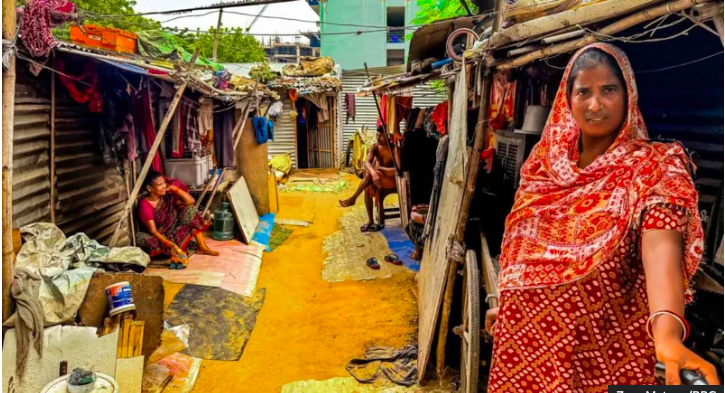
In Gurugram, an upscale suburb just outside Delhi, two worlds stand side by side. Behind the gates of towering glass skyscrapers, luxury SUVs glide into manicured parking lots, while just a few hundred metres away, mosquito-infested drains and tarpaulin shanties mark the home of the city’s poorest. Here live domestic helpers, garbage pickers, drivers, and daily-wage labourers — many of whom speak Bengali and are Muslims from West Bengal.
Last month, this uneasy coexistence was shaken when local authorities launched a sweeping “verification” drive to identify illegal Bangladeshi immigrants. Hundreds of workers were rounded up, taken to “holding centres,” and told to prove their citizenship.
The Sweep and Its Impact
For some, the experience was traumatising.
“I had my voter and national ID cards, but they told me they were fake,” said Ather Ali Sheikh, a daily-wage worker who has lived in Gurugram for 15 years. “I spent six days not knowing my fate before I was finally released.”
Mr Sheikh’s wife was busy packing their few belongings — torn clothes, old utensils, and school books — fearing another raid. The family’s uncertainty reflects a wider mood of fear. In the days following the operation, entire clusters of workers fled, abandoning jobs, homes, and in some cases, even their families.
Police deny wrongdoing. “Neither religion nor class has anything to do with the drive,” said public relations officer Sandeep Kumar. He claimed that out of the 250 people detained, only 10 were identified as illegal migrants and slated for deportation. “Everyone else was released. No one was mistreated at the centres. We have been completely fair and objective.”
Still, the damage was done.
A City Without Its Workers
For Gurugram’s wealthier residents, the aftermath was visible almost immediately. Trash overflowed from public bins. Dump yards went unattended. In luxury apartments, families scrambled to find replacements for missing staff.
“Our house help and her husband, who worked as a driver, both left and now we have no help,” said Tabassum Bano, a resident of one of the city’s posh complexes.
The interdependence between the wealthy and the poor in Gurugram has always been clear — the city runs on the labour of those who live in its slums. When that labour force disappears, so does much of the city’s functionality.
National Context: A Longstanding Flashpoint
Crackdowns on alleged illegal immigrants from Bangladesh are not new. India shares a porous 4,096km (2,545-mile) border with its eastern neighbour, and migration — legal and otherwise — has been a fact of life for decades.
Under Prime Minister Narendra Modi’s government, such efforts have intensified. Hundreds have been arrested in recent months, including a veteran Muslim officer of the Indian Army. In Assam, Bengali-speaking Muslims have been “pushed back” into Bangladesh, often with little chance to prove their citizenship. In Delhi, around 700 people have been picked up and relocated to border states in just the last six months.
Fear in the Slums
For many of Gurugram’s migrant workers, the raids have shattered a fragile sense of belonging.
“For years, we have cleaned and collected their garbage. Now we are being treated like it ourselves,” said Rauna Bibi, a domestic worker.
Her husband, who had just returned from West Bengal, fled again the moment the detentions began — without telling her. For three days, she didn’t know if he was alive.
“What hurts most is not the job loss, but the theft of pride — the feeling that I don’t belong here anymore,” she said. “If they pick us, I wouldn’t know how to survive. This slum, the work we do, the houses we clean — this is our entire life.”
The Official Line
Police insist the operation is part of a national policy. A Home Ministry order issued in May requires all states to set up special task forces and holding centres to identify and deport illegal immigrants from Bangladesh and Myanmar. Each suspect is given 30 days to prove citizenship. If they fail, they are escorted to the border for deportation.
But critics say the policy is vague and ripe for abuse. “On the face of it, it’s nothing other than the fact that you speak Bengali, have a Muslim name, and live in a shanty,” said Aakash Bhattacharya of the All India Central Council of Trade Unions.
He notes that suspects aren’t given any certificate confirming their citizenship after verification — leaving them vulnerable to repeated detentions.
Social Fabric Under Strain
In Gurugram, the raids have stirred resentment and suspicion between communities. The wealthy worry about they’re disrupted lifestyles, while the poor fear losing their homes, jobs, and even their families.
The city’s image as a cosmopolitan hub is now shadowed by a question that few dare to answer openly: are these raids about legality, or identity?
For the migrants, the answer feels obvious. “Was it because of my language, my religion, or because I am poor?” Mr Sheikh asked, his voice edged with frustration. “Why weren’t the rich Bengali residents held up?”
Whether or not these drives meet their stated goal, one thing is certain: Gurugram — a city that once prided itself on blending ambition and opportunity — is now a place where fear and mistrust linger on both sides of its economic divide.
Conclusion:
The recent immigration raids in Gurugram have left deep fractures in the city’s social fabric, exposing the stark divide between wealth and poverty, privilege and vulnerability. While authorities insist the actions are lawful and unbiased, the fear and displacement among migrant communities tell a different story—one of uncertainty, mistrust, and a loss of belonging. As both luxury high-rises and humble slums grapple with the fallout, the incident raises critical questions about the balance between national security, human rights, and the dignity of those who have quietly sustained the city for years. Without transparent processes and safeguards, such crackdowns risk perpetuating cycles of fear that no community—rich or poor—can truly escape.
Meta Description:
Immigration raids in Gurugram target alleged illegal Bangladeshi migrants, sparking fear in slums, disrupting affluent neighbourhoods, and raising concerns over discrimination and human rights.
India’s Immigration Raids Shake Gurugram — From Slums to Skyscrapers
In Gurugram, an upscale suburb just outside Delhi, two worlds stand side by side. Behind the gates of towering glass skyscrapers, luxury SUVs glide into manicured parking lots, while just a few hundred metres away, mosquito-infested drains and tarpaulin shanties mark the home of the city’s poorest. Here live domestic helpers, garbage pickers, drivers, and daily-wage labourers — many of whom speak Bengali and are Muslims from West Bengal.
Last month, this uneasy coexistence was shaken when local authorities launched a sweeping “verification” drive to identify illegal Bangladeshi immigrants. Hundreds of workers were rounded up, taken to “holding centres,” and told to prove their citizenship.
Register for Tekedia Mini-MBA edition 20 (June 8 – Sept 5, 2026).
Register for Tekedia AI in Business Masterclass.
Join Tekedia Capital Syndicate and co-invest in great global startups.
Register for Tekedia AI Lab.
The Sweep and Its Impact
For some, the experience was traumatising.
“I had my voter and national ID cards, but they told me they were fake,” said Ather Ali Sheikh, a daily-wage worker who has lived in Gurugram for 15 years. “I spent six days not knowing my fate before I was finally released.”

Mr Sheikh’s wife was busy packing their few belongings — torn clothes, old utensils, and school books — fearing another raid. The family’s uncertainty reflects a wider mood of fear. In the days following the operation, entire clusters of workers fled, abandoning jobs, homes, and in some cases, even their families.
Police deny wrongdoing. “Neither religion nor class has anything to do with the drive,” said public relations officer Sandeep Kumar. He claimed that out of the 250 people detained, only 10 were identified as illegal migrants and slated for deportation. “Everyone else was released. No one was mistreated at the centres. We have been completely fair and objective.”
Still, the damage was done.

A City Without Its Workers
For Gurugram’s wealthier residents, the aftermath was visible almost immediately. Trash overflowed from public bins. Dump yards went unattended. In luxury apartments, families scrambled to find replacements for missing staff.
“Our house help and her husband, who worked as a driver, both left and now we have no help,” said Tabassum Bano, a resident of one of the city’s posh complexes.
The interdependence between the wealthy and the poor in Gurugram has always been clear — the city runs on the labour of those who live in its slums. When that labour force disappears, so does much of the city’s functionality.
National Context: A Longstanding Flashpoint
Crackdowns on alleged illegal immigrants from Bangladesh are not new. India shares a porous 4,096km (2,545-mile) border with its eastern neighbour, and migration — legal and otherwise — has been a fact of life for decades.
Under Prime Minister Narendra Modi’s government, such efforts have intensified. Hundreds have been arrested in recent months, including a veteran Muslim officer of the Indian Army. In Assam, Bengali-speaking Muslims have been “pushed back” into Bangladesh, often with little chance to prove their citizenship. In Delhi, around 700 people have been picked up and relocated to border states in just the last six months.
Fear in the Slums
For many of Gurugram’s migrant workers, the raids have shattered a fragile sense of belonging.
“For years, we have cleaned and collected their garbage. Now we are being treated like it ourselves,” said Rauna Bibi, a domestic worker.
Her husband, who had just returned from West Bengal, fled again the moment the detentions began — without telling her. For three days, she didn’t know if he was alive.
“What hurts most is not the job loss, but the theft of pride — the feeling that I don’t belong here anymore,” she said. “If they pick us, I wouldn’t know how to survive. This slum, the work we do, the houses we clean — this is our entire life.”
The Official Line
Police insist the operation is part of a national policy. A Home Ministry order issued in May requires all states to set up special task forces and holding centres to identify and deport illegal immigrants from Bangladesh and Myanmar. Each suspect is given 30 days to prove citizenship. If they fail, they are escorted to the border for deportation.
But critics say the policy is vague and ripe for abuse. “On the face of it, it’s nothing other than the fact that you speak Bengali, have a Muslim name, and live in a shanty,” said Aakash Bhattacharya of the All India Central Council of Trade Unions.
He notes that suspects aren’t given any certificate confirming their citizenship after verification — leaving them vulnerable to repeated detentions.
Social Fabric Under Strain
In Gurugram, the raids have stirred resentment and suspicion between communities. The wealthy worry about they’re disrupted lifestyles, while the poor fear losing their homes, jobs, and even their families.
The city’s image as a cosmopolitan hub is now shadowed by a question that few dare to answer openly: are these raids about legality, or identity?
For the migrants, the answer feels obvious. “Was it because of my language, my religion, or because I am poor?” Mr Sheikh asked, his voice edged with frustration. “Why weren’t the rich Bengali residents held up?”
Whether or not these drives meet their stated goal, one thing is certain: Gurugram — a city that once prided itself on blending ambition and opportunity — is now a place where fear and mistrust linger on both sides of its economic divide.
Conclusion:
The recent immigration raids in Gurugram have left deep fractures in the city’s social fabric, exposing the stark divide between wealth and poverty, privilege and vulnerability. While authorities insist the actions are lawful and unbiased, the fear and displacement among migrant communities tell a different story—one of uncertainty, mistrust, and a loss of belonging. As both luxury high-rises and humble slums grapple with the fallout, the incident raises critical questions about the balance between national security, human rights, and the dignity of those who have quietly sustained the city for years. Without transparent processes and safeguards, such crackdowns risk perpetuating cycles of fear that no community—rich or poor—can truly escape.
Meta Description:
Immigration raids in Gurugram target alleged illegal Bangladeshi migrants, sparking fear in slums, disrupting affluent neighbourhoods, and raising concerns over discrimination and human rights.
Share this:
- Click to share on Facebook (Opens in new window) Facebook
- Click to share on X (Opens in new window) X
- Click to share on WhatsApp (Opens in new window) WhatsApp
- Click to share on LinkedIn (Opens in new window) LinkedIn
- Click to email a link to a friend (Opens in new window) Email
- Click to print (Opens in new window) Print