

Israel-Hamas Ceasefire Talks Stall in Qatar as Netanyahu Considers 'Alternative Options'

Quote from Alex Bobby on July 26, 2025, 6:13 AM
Ceasefire Talks Between Israel and Hamas Stall Again Amid Worsening Humanitarian Crisis
Ceasefire negotiations between Israel and Hamas have once again hit a wall after weeks of delicate, stop-start talks in Doha, Qatar. Despite earlier signs of cautious progress, Israel’s Prime Minister Benjamin Netanyahu announced on Friday that his government is now considering “alternative options” to the ongoing diplomatic efforts. The latest developments cast new uncertainty over hopes for a truce as both sides continue to blame each other for the deadlock.
Delegations Withdraw Amid Frustration
Both the Israeli and U.S. delegations abruptly pulled out of Qatar on Thursday, raising questions about the future of the negotiation process. Steve Witkoff, President Donald Trump’s special envoy, stated that Hamas’ most recent response to ceasefire proposals demonstrated a “lack of desire” to reach a deal. Echoing this sentiment, Netanyahu emphasised that Hamas remains the primary obstacle to any agreement on hostage releases.
“Together with our U.S. allies, we are now considering alternative options to bring our hostages home, end Hamas’s terror rule, and secure lasting peace for Israel and our region,” Netanyahu said in a statement. However, no specifics were provided about what those alternatives might entail, and the Israeli government has not confirmed whether talks will resume in the near future.
Hamas Signals Willingness to Continue
Despite the abrupt withdrawal, Hamas appears intent on keeping diplomatic channels open. On Friday, senior Hamas official Bassem Naim claimed the group had been told the Israeli team left for consultations and would return early next week to resume talks. Naim suggested that Witkoff’s remarks were aimed more at political posturing than reflecting genuine diplomatic breakdown.
“Negotiations have made progress,” Naim insisted, adding that some previously contentious points were close to being resolved. These include the structure of the ceasefire timeline, mechanisms to ensure continued negotiations for a lasting peace, and guarantees for the delivery of humanitarian aid.
Sticking Points Remain Deeply Entrenched
The proposed deal under discussion is expected to start with a 60-day ceasefire during which Hamas would release 10 living hostages and the remains of 18 others, staggered over phases. In exchange, Israel would release Palestinian prisoners and allow a significant increase in humanitarian aid into Gaza. The second phase would include continued negotiations toward a permanent ceasefire.
However, the two sides remain deeply divided on fundamental terms.
Hamas insists that all hostages will only be released in exchange for a full Israeli withdrawal and an end to the war. Israel, on the other hand, has categorically rejected this demand, maintaining that the war will not end until Hamas is disarmed and removed from power. While Hamas has signalled a willingness to leave power, it refuses to relinquish its weapons—further complicating any compromise.
Another major challenge is the question of troop redeployment. Israel reportedly wants its military to remain in certain areas even after a ceasefire, while Hamas demands a complete withdrawal before moving forward.
Hostage Crisis Adds Emotional Pressure
Approximately 50 hostages are still believed to be held by Hamas in Gaza. Intelligence estimates suggest that fewer than half of them are still alive. Reports indicate they are being kept in multiple locations, including underground tunnels, and that Hamas has ordered their guards to kill them if Israeli forces come close.
For the families of the hostages, the on-again, off-again nature of the talks has been devastating.
“I thought that maybe something will come from the time that the negotiation team was in Doha,” said Yehuda Cohen, whose son, Nimrod, is one of the captives. “And when I heard that they’re coming back, I ask myself: When will this nightmare end?”
Mounting Humanitarian Catastrophe in Gaza
While the diplomatic gridlock continues, conditions in Gaza are deteriorating at an alarming rate. Israel has faced increasing international criticism over its blockade and its new aid delivery mechanisms, which rights groups say are making the situation worse.
More than two dozen Western-aligned governments and over 100 humanitarian organisations have demanded an end to the conflict. In a joint letter, the groups highlighted that even aid workers themselves are struggling to find enough food to survive. Malnutrition-related deaths are rising, and the threat of famine looms larger with each passing day.
The Israeli government has defended its approach, saying it is working to ensure that aid reaches civilians without strengthening Hamas. However, the volume and pace of aid have failed to meet the scale of the humanitarian crisis, according to multiple independent reports.
Looking Ahead: More Questions Than Answers
As Hamas claims the door remains open for further dialogue and Netanyahu hints at “alternative options” without providing clarity, the fate of the ceasefire talks remains uncertain. The recent pullout from Doha is a major setback in what was already a slow-moving and highly sensitive negotiation.
With hostages still in danger and Gaza’s humanitarian situation growing increasingly dire, the stakes could not be higher. Whether next week brings a revival of talks or a hard pivot to more aggressive military options, one thing is clear: time is running out for a peaceful resolution.
The coming days will be critical—not just for the immediate parties involved, but for the millions caught in the crossfire of a conflict that continues to defy diplomacy.
Conclusion
The collapse of ceasefire talks in Qatar underscores the fragility and complexity of negotiations between Israel and Hamas. While both sides claim to remain open to dialogue, deep divisions over core issues—hostage releases, military presence, and the future of Hamas—continue to stall progress. As Netanyahu and U.S. officials hint at "alternative options" without offering specifics, and Hamas signals limited optimism, the humanitarian situation in Gaza worsens by the day. With hostages still in peril and civilians facing starvation, the urgency for a genuine breakthrough has never been greater. Until both sides commit to real compromise, peace will remain elusive, and the human toll will continue to rise.
Meta Description:
Ceasefire talks between Israel and Hamas stall in Qatar as Netanyahu and the U.S. weigh alternative options. Meanwhile, Gaza’s humanitarian crisis worsens and hostages remain in peril.
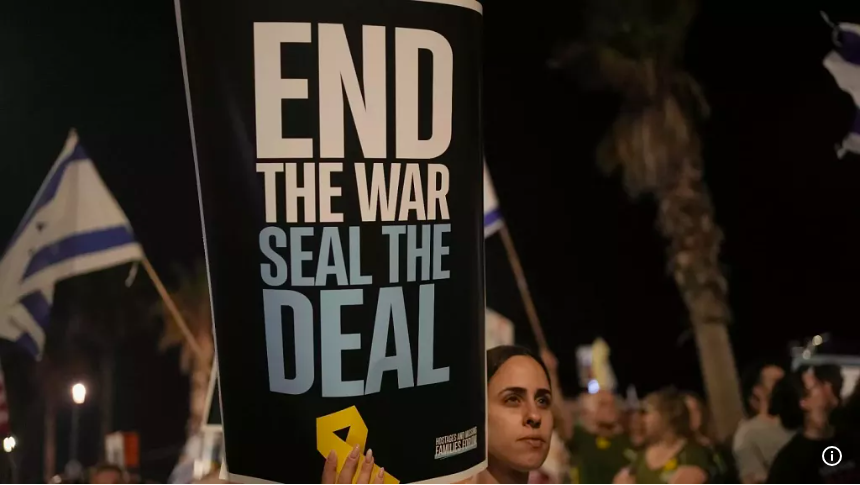
Ceasefire Talks Between Israel and Hamas Stall Again Amid Worsening Humanitarian Crisis
Ceasefire negotiations between Israel and Hamas have once again hit a wall after weeks of delicate, stop-start talks in Doha, Qatar. Despite earlier signs of cautious progress, Israel’s Prime Minister Benjamin Netanyahu announced on Friday that his government is now considering “alternative options” to the ongoing diplomatic efforts. The latest developments cast new uncertainty over hopes for a truce as both sides continue to blame each other for the deadlock.
Delegations Withdraw Amid Frustration
Register for Tekedia Mini-MBA edition 20 (June 8 – Sept 5, 2026).
Register for Tekedia AI in Business Masterclass.
Join Tekedia Capital Syndicate and co-invest in great global startups.
Register for Tekedia AI Lab.
Both the Israeli and U.S. delegations abruptly pulled out of Qatar on Thursday, raising questions about the future of the negotiation process. Steve Witkoff, President Donald Trump’s special envoy, stated that Hamas’ most recent response to ceasefire proposals demonstrated a “lack of desire” to reach a deal. Echoing this sentiment, Netanyahu emphasised that Hamas remains the primary obstacle to any agreement on hostage releases.
“Together with our U.S. allies, we are now considering alternative options to bring our hostages home, end Hamas’s terror rule, and secure lasting peace for Israel and our region,” Netanyahu said in a statement. However, no specifics were provided about what those alternatives might entail, and the Israeli government has not confirmed whether talks will resume in the near future.
Hamas Signals Willingness to Continue

Despite the abrupt withdrawal, Hamas appears intent on keeping diplomatic channels open. On Friday, senior Hamas official Bassem Naim claimed the group had been told the Israeli team left for consultations and would return early next week to resume talks. Naim suggested that Witkoff’s remarks were aimed more at political posturing than reflecting genuine diplomatic breakdown.
“Negotiations have made progress,” Naim insisted, adding that some previously contentious points were close to being resolved. These include the structure of the ceasefire timeline, mechanisms to ensure continued negotiations for a lasting peace, and guarantees for the delivery of humanitarian aid.
Sticking Points Remain Deeply Entrenched

The proposed deal under discussion is expected to start with a 60-day ceasefire during which Hamas would release 10 living hostages and the remains of 18 others, staggered over phases. In exchange, Israel would release Palestinian prisoners and allow a significant increase in humanitarian aid into Gaza. The second phase would include continued negotiations toward a permanent ceasefire.
However, the two sides remain deeply divided on fundamental terms.
Hamas insists that all hostages will only be released in exchange for a full Israeli withdrawal and an end to the war. Israel, on the other hand, has categorically rejected this demand, maintaining that the war will not end until Hamas is disarmed and removed from power. While Hamas has signalled a willingness to leave power, it refuses to relinquish its weapons—further complicating any compromise.
Another major challenge is the question of troop redeployment. Israel reportedly wants its military to remain in certain areas even after a ceasefire, while Hamas demands a complete withdrawal before moving forward.
Hostage Crisis Adds Emotional Pressure
Approximately 50 hostages are still believed to be held by Hamas in Gaza. Intelligence estimates suggest that fewer than half of them are still alive. Reports indicate they are being kept in multiple locations, including underground tunnels, and that Hamas has ordered their guards to kill them if Israeli forces come close.
For the families of the hostages, the on-again, off-again nature of the talks has been devastating.
“I thought that maybe something will come from the time that the negotiation team was in Doha,” said Yehuda Cohen, whose son, Nimrod, is one of the captives. “And when I heard that they’re coming back, I ask myself: When will this nightmare end?”
Mounting Humanitarian Catastrophe in Gaza
While the diplomatic gridlock continues, conditions in Gaza are deteriorating at an alarming rate. Israel has faced increasing international criticism over its blockade and its new aid delivery mechanisms, which rights groups say are making the situation worse.
More than two dozen Western-aligned governments and over 100 humanitarian organisations have demanded an end to the conflict. In a joint letter, the groups highlighted that even aid workers themselves are struggling to find enough food to survive. Malnutrition-related deaths are rising, and the threat of famine looms larger with each passing day.
The Israeli government has defended its approach, saying it is working to ensure that aid reaches civilians without strengthening Hamas. However, the volume and pace of aid have failed to meet the scale of the humanitarian crisis, according to multiple independent reports.
Looking Ahead: More Questions Than Answers
As Hamas claims the door remains open for further dialogue and Netanyahu hints at “alternative options” without providing clarity, the fate of the ceasefire talks remains uncertain. The recent pullout from Doha is a major setback in what was already a slow-moving and highly sensitive negotiation.
With hostages still in danger and Gaza’s humanitarian situation growing increasingly dire, the stakes could not be higher. Whether next week brings a revival of talks or a hard pivot to more aggressive military options, one thing is clear: time is running out for a peaceful resolution.
The coming days will be critical—not just for the immediate parties involved, but for the millions caught in the crossfire of a conflict that continues to defy diplomacy.
Conclusion
The collapse of ceasefire talks in Qatar underscores the fragility and complexity of negotiations between Israel and Hamas. While both sides claim to remain open to dialogue, deep divisions over core issues—hostage releases, military presence, and the future of Hamas—continue to stall progress. As Netanyahu and U.S. officials hint at "alternative options" without offering specifics, and Hamas signals limited optimism, the humanitarian situation in Gaza worsens by the day. With hostages still in peril and civilians facing starvation, the urgency for a genuine breakthrough has never been greater. Until both sides commit to real compromise, peace will remain elusive, and the human toll will continue to rise.
Meta Description:
Ceasefire talks between Israel and Hamas stall in Qatar as Netanyahu and the U.S. weigh alternative options. Meanwhile, Gaza’s humanitarian crisis worsens and hostages remain in peril.
Share this:
- Click to share on Facebook (Opens in new window) Facebook
- Click to share on X (Opens in new window) X
- Click to share on WhatsApp (Opens in new window) WhatsApp
- Click to share on LinkedIn (Opens in new window) LinkedIn
- Click to email a link to a friend (Opens in new window) Email
- Click to print (Opens in new window) Print