

Israel Rejects International Criticism Over Gaza City Takeover Plan

Quote from Alex Bobby on August 9, 2025, 7:44 AM
Israel has forcefully pushed back against mounting global criticism following its security cabinet’s approval of a controversial plan to take control of Gaza City — a move that has ignited fresh diplomatic tensions and drawn warnings of deepening humanitarian catastrophe.
A Defiant Response from Israeli Leadership
Defence Minister Israel Katz delivered a blunt message to countries and institutions condemning the decision, making clear that threats of sanctions or international pressure would not sway Israel’s course.
“Our enemies will find us as one strong, united fist that will strike them with great force,” Katz declared, emphasising that criticism from allies or adversaries alike would not undermine the government’s resolve to dismantle Hamas’s military and political influence in Gaza.
Prime Minister Benjamin Netanyahu echoed that sentiment, telling German Chancellor Friedrich Merz that Berlin’s decision to suspend arms exports amounted to “rewarding Hamas terrorism.”
The Five Principles Driving Israel’s Strategy
According to the Israeli security cabinet, the newly approved plan is built on five core objectives:
- Disarming Hamas – Eliminating the group’s military capabilities to prevent further attacks.
- Returning All Hostages – Securing the release of Israeli and foreign nationals still held in Gaza.
- Demilitarising the Gaza Strip – Ensuring no armed factions can operate freely in the territory.
- Taking Security Control – Establishing a sustained Israeli security presence in Gaza to prevent future threats.
- Setting Up an Alternative Administration – Creating a governing authority to replace both Hamas and the Palestinian Authority.
While the language frames the move as a security necessity, the specifics have alarmed international observers, especially regarding population displacement.
The Phased Approach: Gaza City First
Reports from Israeli media indicate that the initial stage will focus on taking full control of Gaza City — historically a stronghold for Hamas operations and political activity. The plan envisions relocating an estimated one million residents further south, ostensibly to facilitate military operations and reduce civilian casualties in the urban combat zone.
Israeli forces are also expected to target refugee camps in central Gaza and locations suspected of concealing hostages. A second wave of operations would follow weeks later, coinciding with an expansion of humanitarian aid deliveries.
Global Backlash Gains Momentum
The plan has triggered widespread condemnation from world leaders and institutions. The United Nations and major Western powers, including the United Kingdom, France, and Canada, have voiced strong opposition. Germany went a step further by halting all military exports to Israel, marking a significant shift in Berlin’s traditionally supportive stance.
UN human rights chief Volker Turk warned that the offensive would “result in more massive forced displacement, more killing, more unbearable suffering, senseless destruction and atrocity crimes.”
Other reactions included:
- Australia’s Foreign Minister Penny Wong urging Israel to reverse course, warning the plan would “only worsen the humanitarian catastrophe in Gaza.”
- Turkey’s foreign ministry calling for global intervention to prevent “forcible displacement of Palestinians from their own land.”
- China’s foreign ministry spokesperson declaring that “Gaza belongs to the Palestinian people and is an inseparable part of Palestinian territory.”
Even within Israel, the plan has faced opposition from some military officials and the families of hostages still held in Gaza, who fear that large-scale offensives could jeopardise negotiations and endanger the captives.
Hamas: “A New War Crime”
Hamas responded swiftly, branding Israel’s takeover strategy as a “new war crime” and warning that it would come at a steep cost. The group accused Israel of attempting to cement permanent occupation under the guise of security measures.
Hamas’s statement also aimed to rally regional and international actors to apply greater pressure on Israel, underscoring the political dimension of the conflict beyond the battlefield.
Strategic Motivations and Risks
For Israel, the push to seize Gaza City is as much about optics as it is about military strategy. Controlling the territory’s most populous and symbolic urban centre would deliver a significant psychological blow to Hamas and project strength to both domestic and international audiences.
However, the approach is fraught with risks:
- Humanitarian Fallout: The relocation of up to a million people would exacerbate an already dire humanitarian crisis, straining resources in southern Gaza and fuelling accusations of ethnic cleansing.
- Diplomatic Isolation: Alienating key allies, particularly in Europe, could have long-term strategic consequences, especially if arms embargoes widen.
- Protracted Conflict: Urban warfare in Gaza City could result in heavy casualties on both sides, prolonging the conflict and making post-war governance even more complicated.
What Comes Next?
While Israel insists the plan is essential for long-term security, the international community’s pushback suggests growing impatience with the war’s trajectory. Human rights groups are already warning that the proposed mass displacement could violate international law, setting the stage for potential legal challenges in global forums.
For now, the Israeli government appears unmoved by calls for restraint. Katz’s “united fist” rhetoric underscores a political environment in which backing down could be seen as weakness — a perception no Israeli leader wants to invite during wartime.
Whether the Gaza City takeover will achieve its stated goals or deepen the region’s instability remains uncertain. What is clear is that the move marks a new, more confrontational phase in the conflict, one that will test not only military capabilities but also Israel’s relationships with the rest of the world.
Final Thought
The path Israel has chosen with its Gaza City takeover plan underscores the complex intersection of security, politics, and morality in modern conflict. In pursuing military dominance, Israel is betting on force as the ultimate solution, but history shows that sustainable peace requires more than territorial control. Whether this move becomes a turning point toward resolution or a catalyst for deeper unrest will depend not only on Israel’s actions, but also on how the international community responds in this volatile moment.
Conclusion
Israel’s Gaza City takeover plan represents a decisive escalation in a war already defined by high civilian tolls, political fallout, and deepening regional divides. While the government frames the move as a necessary step to dismantle Hamas and secure Israel’s future, critics warn it risks triggering an unprecedented humanitarian disaster and further isolating the country diplomatically. As Israel presses forward under mounting international pressure, the coming weeks will reveal whether this bold, controversial strategy delivers security—or entrenches the cycle of violence and instability even further.
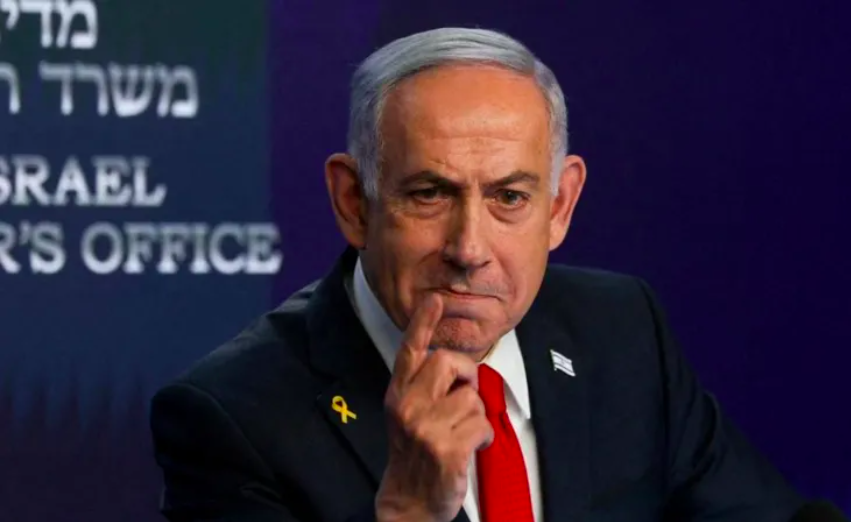
Israel has forcefully pushed back against mounting global criticism following its security cabinet’s approval of a controversial plan to take control of Gaza City — a move that has ignited fresh diplomatic tensions and drawn warnings of deepening humanitarian catastrophe.
A Defiant Response from Israeli Leadership
Defence Minister Israel Katz delivered a blunt message to countries and institutions condemning the decision, making clear that threats of sanctions or international pressure would not sway Israel’s course.
Register for Tekedia Mini-MBA edition 20 (June 8 – Sept 5, 2026).
Register for Tekedia AI in Business Masterclass.
Join Tekedia Capital Syndicate and co-invest in great global startups.
Register for Tekedia AI Lab.
“Our enemies will find us as one strong, united fist that will strike them with great force,” Katz declared, emphasising that criticism from allies or adversaries alike would not undermine the government’s resolve to dismantle Hamas’s military and political influence in Gaza.
Prime Minister Benjamin Netanyahu echoed that sentiment, telling German Chancellor Friedrich Merz that Berlin’s decision to suspend arms exports amounted to “rewarding Hamas terrorism.”
The Five Principles Driving Israel’s Strategy

According to the Israeli security cabinet, the newly approved plan is built on five core objectives:
- Disarming Hamas – Eliminating the group’s military capabilities to prevent further attacks.
- Returning All Hostages – Securing the release of Israeli and foreign nationals still held in Gaza.
- Demilitarising the Gaza Strip – Ensuring no armed factions can operate freely in the territory.
- Taking Security Control – Establishing a sustained Israeli security presence in Gaza to prevent future threats.
- Setting Up an Alternative Administration – Creating a governing authority to replace both Hamas and the Palestinian Authority.
While the language frames the move as a security necessity, the specifics have alarmed international observers, especially regarding population displacement.
The Phased Approach: Gaza City First

Reports from Israeli media indicate that the initial stage will focus on taking full control of Gaza City — historically a stronghold for Hamas operations and political activity. The plan envisions relocating an estimated one million residents further south, ostensibly to facilitate military operations and reduce civilian casualties in the urban combat zone.
Israeli forces are also expected to target refugee camps in central Gaza and locations suspected of concealing hostages. A second wave of operations would follow weeks later, coinciding with an expansion of humanitarian aid deliveries.
Global Backlash Gains Momentum
The plan has triggered widespread condemnation from world leaders and institutions. The United Nations and major Western powers, including the United Kingdom, France, and Canada, have voiced strong opposition. Germany went a step further by halting all military exports to Israel, marking a significant shift in Berlin’s traditionally supportive stance.
UN human rights chief Volker Turk warned that the offensive would “result in more massive forced displacement, more killing, more unbearable suffering, senseless destruction and atrocity crimes.”
Other reactions included:
- Australia’s Foreign Minister Penny Wong urging Israel to reverse course, warning the plan would “only worsen the humanitarian catastrophe in Gaza.”
- Turkey’s foreign ministry calling for global intervention to prevent “forcible displacement of Palestinians from their own land.”
- China’s foreign ministry spokesperson declaring that “Gaza belongs to the Palestinian people and is an inseparable part of Palestinian territory.”
Even within Israel, the plan has faced opposition from some military officials and the families of hostages still held in Gaza, who fear that large-scale offensives could jeopardise negotiations and endanger the captives.
Hamas: “A New War Crime”
Hamas responded swiftly, branding Israel’s takeover strategy as a “new war crime” and warning that it would come at a steep cost. The group accused Israel of attempting to cement permanent occupation under the guise of security measures.
Hamas’s statement also aimed to rally regional and international actors to apply greater pressure on Israel, underscoring the political dimension of the conflict beyond the battlefield.
Strategic Motivations and Risks
For Israel, the push to seize Gaza City is as much about optics as it is about military strategy. Controlling the territory’s most populous and symbolic urban centre would deliver a significant psychological blow to Hamas and project strength to both domestic and international audiences.
However, the approach is fraught with risks:
- Humanitarian Fallout: The relocation of up to a million people would exacerbate an already dire humanitarian crisis, straining resources in southern Gaza and fuelling accusations of ethnic cleansing.
- Diplomatic Isolation: Alienating key allies, particularly in Europe, could have long-term strategic consequences, especially if arms embargoes widen.
- Protracted Conflict: Urban warfare in Gaza City could result in heavy casualties on both sides, prolonging the conflict and making post-war governance even more complicated.
What Comes Next?
While Israel insists the plan is essential for long-term security, the international community’s pushback suggests growing impatience with the war’s trajectory. Human rights groups are already warning that the proposed mass displacement could violate international law, setting the stage for potential legal challenges in global forums.
For now, the Israeli government appears unmoved by calls for restraint. Katz’s “united fist” rhetoric underscores a political environment in which backing down could be seen as weakness — a perception no Israeli leader wants to invite during wartime.
Whether the Gaza City takeover will achieve its stated goals or deepen the region’s instability remains uncertain. What is clear is that the move marks a new, more confrontational phase in the conflict, one that will test not only military capabilities but also Israel’s relationships with the rest of the world.
Final Thought
The path Israel has chosen with its Gaza City takeover plan underscores the complex intersection of security, politics, and morality in modern conflict. In pursuing military dominance, Israel is betting on force as the ultimate solution, but history shows that sustainable peace requires more than territorial control. Whether this move becomes a turning point toward resolution or a catalyst for deeper unrest will depend not only on Israel’s actions, but also on how the international community responds in this volatile moment.
Conclusion
Israel’s Gaza City takeover plan represents a decisive escalation in a war already defined by high civilian tolls, political fallout, and deepening regional divides. While the government frames the move as a necessary step to dismantle Hamas and secure Israel’s future, critics warn it risks triggering an unprecedented humanitarian disaster and further isolating the country diplomatically. As Israel presses forward under mounting international pressure, the coming weeks will reveal whether this bold, controversial strategy delivers security—or entrenches the cycle of violence and instability even further.
Uploaded files:Share this:
- Click to share on Facebook (Opens in new window) Facebook
- Click to share on X (Opens in new window) X
- Click to share on WhatsApp (Opens in new window) WhatsApp
- Click to share on LinkedIn (Opens in new window) LinkedIn
- Click to email a link to a friend (Opens in new window) Email
- Click to print (Opens in new window) Print