

Kathleen Folbigg’s $2m Payout Branded “Profoundly Unfair” After 20 Years Wrongfully Jailed

Quote from Alex Bobby on August 8, 2025, 3:12 AM
Kathleen Folbigg’s $2m Payout Branded “Profoundly Unfair” After 20 Years Wrongfully Imprisoned
Once vilified as “Australia’s worst mother,” Kathleen Folbigg’s name is now synonymous with one of the country’s most shocking miscarriages of justice. Freed in 2023 after serving two decades for crimes she did not commit, the 58-year-old has been offered A$2 million (£975,580, $1.3m) in compensation by the New South Wales (NSW) government — an amount her lawyer has slammed as “woefully inadequate” and “ethically indefensible.”
The offer, revealed on Thursday, has reignited debate about how Australia compensates the wrongfully convicted and whether current systems truly reflect the scale of suffering endured by those exonerated.
From Infamy to Exoneration
Kathleen Folbigg’s ordeal began in 2003 when she was convicted of murdering three of her children — Sarah, Patrick, and Laura — and of the manslaughter of her firstborn, Caleb. The prosecution claimed she had smothered them between 1989 and 1999, when the children were aged between 19 days and 18 months. The case leaned heavily on circumstantial evidence, including entries from her personal diaries that prosecutors argued showed guilt.
Sentenced initially to 40 years in prison (later reduced to 30 on appeal), Folbigg became the subject of intense media scrutiny, vilified as the embodiment of maternal betrayal.
However, doubts about her guilt persisted, with scientific advancements eventually providing the key to her freedom. In 2023, a judicial review determined that all four children may have died from natural causes linked to rare genetic mutations, rather than any act of violence. The review overturned her convictions, and Folbigg walked free after 20 years behind bars.
The $2 Million Offer — And the Backlash
Given the unprecedented length of her wrongful imprisonment and the international attention her case attracted, legal experts predicted Folbigg could receive one of the largest compensation packages in Australian history — potentially A$10 million to A$20 million.
Instead, her legal team says the NSW government’s A$2 million offer is far below what justice demands.
“The sum offered is a moral affront – woefully inadequate and ethically indefensible,” said her lawyer, Rhanee Rego, in a statement. “The system has failed Kathleen Folbigg once again.”
Rego pointed out that Lindy Chamberlain — another Australian mother wrongly convicted of her baby’s death — received A$1.7 million in 1994 after serving just three years in prison. By comparison, Folbigg endured nearly seven times that period behind bars.
“If Lindy’s case warranted $1.7 million for three years, how can $2 million for 20 years be justified?” Rego asked.
Government’s Position: “Thorough and Extensive” Review
NSW Attorney General Michael Daley declined to comment on the specific reasoning behind the payout figure, citing Folbigg’s request for privacy.
“At Ms Folbigg’s request, the Attorney General and government have agreed to not publicly discuss the details of the decision,” Daley said, adding that the offer followed a “thorough and extensive” review of her application for compensation.
The confidential nature of the process has left many questions unanswered — particularly around how governments calculate payouts in such extraordinary cases.
Expectations vs. Reality
The gap between expectations and the government’s offer has stunned legal experts and observers. Forensic criminologist Dr. Xanthe Mallett, who closely followed Folbigg’s case, previously told the ABC she “wouldn’t be surprised” if compensation topped A$10 million.
Similarly, Professor Gary Edmond from the University of NSW told the Guardian Australia that such a payout “would have to be” the largest in the country’s history, given the duration of Folbigg’s imprisonment and the extent of the injustice.
Other media outlets speculated that damages could reach as high as A$20 million — making the A$2 million figure all the more surprising to the public.
Beyond the Money — The Human Cost
While the financial dispute dominates headlines, Folbigg’s experience highlights the deeper human toll of wrongful imprisonment. Two decades behind bars not only robbed her of freedom but also of personal relationships, career opportunities, and the chance to grieve her children away from public suspicion.
Her case also raises uncomfortable questions about Australia’s criminal justice system — particularly the reliance on circumstantial evidence and the weight given to subjective interpretations of personal writings in court.
For Folbigg, the payout debate is about more than money; it is about recognition of the harm inflicted and the systemic failures that allowed it to happen.
A Case That Changed the Law — and Lives
The Folbigg case has already left its mark on legal and scientific discourse in Australia. The role of genetic evidence in overturning her conviction has prompted renewed calls for closer collaboration between science and law. It has also underscored the need for more robust safeguards to prevent wrongful convictions, especially in cases involving complex medical and forensic evidence.
Her ordeal has drawn international attention, with some legal scholars suggesting it could influence compensation frameworks not only in Australia but in other common-law countries.
What Happens Next?
It remains unclear whether Folbigg will accept the government’s offer or pursue legal action to seek a higher amount. In some jurisdictions, rejecting a government payout can lead to lengthy and costly court battles, with uncertain outcomes. However, her legal team’s strong public stance suggests they may be preparing to challenge the figure.
If she does take the fight further, it could set a new precedent for compensation claims in Australia — one that future wrongful conviction cases will be measured against.
A Symbol of Justice Delayed — and Denied?
Kathleen Folbigg’s story is one of the most extraordinary legal turnarounds in modern Australian history. From being condemned as a child killer to being scientifically exonerated, she embodies both the failings and the potential for redemption within the justice system.
But as her lawyer points out, exoneration alone is not enough. For many, the question now is whether the government’s offer represents true justice — or whether, as Rego argues, it amounts to a second injustice for a woman who has already endured more than most could bear.
Conclusion
Kathleen Folbigg’s fight for justice did not end with her release from prison. While her exoneration was a victory for truth and science, the government’s A$2 million compensation offer raises serious questions about how Australia values two decades of lost freedom. For many, the payout is not just a financial figure — it’s a measure of the nation’s willingness to admit fault and make amends. Whether Folbigg accepts the offer or challenges it, her case will remain a powerful reminder that wrongful convictions leave scars that no amount of money can fully heal.
Meta Description
After 20 years wrongfully imprisoned, Kathleen Folbigg has been offered A$2m in compensation — far below the A$10m–$20m experts expected. Her lawyer calls it “ethically indefensible.”
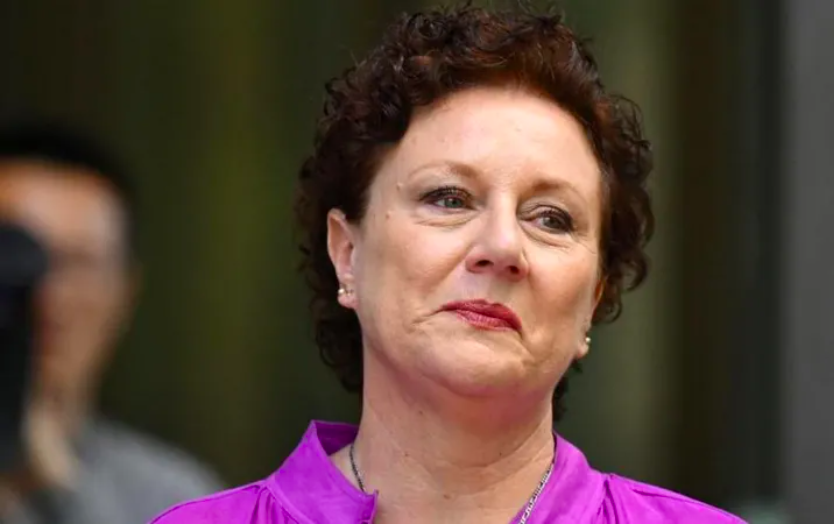
Kathleen Folbigg’s $2m Payout Branded “Profoundly Unfair” After 20 Years Wrongfully Imprisoned
Once vilified as “Australia’s worst mother,” Kathleen Folbigg’s name is now synonymous with one of the country’s most shocking miscarriages of justice. Freed in 2023 after serving two decades for crimes she did not commit, the 58-year-old has been offered A$2 million (£975,580, $1.3m) in compensation by the New South Wales (NSW) government — an amount her lawyer has slammed as “woefully inadequate” and “ethically indefensible.”
The offer, revealed on Thursday, has reignited debate about how Australia compensates the wrongfully convicted and whether current systems truly reflect the scale of suffering endured by those exonerated.
Register for Tekedia Mini-MBA edition 20 (June 8 – Sept 5, 2026).
Register for Tekedia AI in Business Masterclass.
Join Tekedia Capital Syndicate and co-invest in great global startups.
Register for Tekedia AI Lab.
From Infamy to Exoneration
Kathleen Folbigg’s ordeal began in 2003 when she was convicted of murdering three of her children — Sarah, Patrick, and Laura — and of the manslaughter of her firstborn, Caleb. The prosecution claimed she had smothered them between 1989 and 1999, when the children were aged between 19 days and 18 months. The case leaned heavily on circumstantial evidence, including entries from her personal diaries that prosecutors argued showed guilt.
Sentenced initially to 40 years in prison (later reduced to 30 on appeal), Folbigg became the subject of intense media scrutiny, vilified as the embodiment of maternal betrayal.

However, doubts about her guilt persisted, with scientific advancements eventually providing the key to her freedom. In 2023, a judicial review determined that all four children may have died from natural causes linked to rare genetic mutations, rather than any act of violence. The review overturned her convictions, and Folbigg walked free after 20 years behind bars.
The $2 Million Offer — And the Backlash
Given the unprecedented length of her wrongful imprisonment and the international attention her case attracted, legal experts predicted Folbigg could receive one of the largest compensation packages in Australian history — potentially A$10 million to A$20 million.

Instead, her legal team says the NSW government’s A$2 million offer is far below what justice demands.
“The sum offered is a moral affront – woefully inadequate and ethically indefensible,” said her lawyer, Rhanee Rego, in a statement. “The system has failed Kathleen Folbigg once again.”
Rego pointed out that Lindy Chamberlain — another Australian mother wrongly convicted of her baby’s death — received A$1.7 million in 1994 after serving just three years in prison. By comparison, Folbigg endured nearly seven times that period behind bars.
“If Lindy’s case warranted $1.7 million for three years, how can $2 million for 20 years be justified?” Rego asked.
Government’s Position: “Thorough and Extensive” Review
NSW Attorney General Michael Daley declined to comment on the specific reasoning behind the payout figure, citing Folbigg’s request for privacy.
“At Ms Folbigg’s request, the Attorney General and government have agreed to not publicly discuss the details of the decision,” Daley said, adding that the offer followed a “thorough and extensive” review of her application for compensation.
The confidential nature of the process has left many questions unanswered — particularly around how governments calculate payouts in such extraordinary cases.
Expectations vs. Reality
The gap between expectations and the government’s offer has stunned legal experts and observers. Forensic criminologist Dr. Xanthe Mallett, who closely followed Folbigg’s case, previously told the ABC she “wouldn’t be surprised” if compensation topped A$10 million.
Similarly, Professor Gary Edmond from the University of NSW told the Guardian Australia that such a payout “would have to be” the largest in the country’s history, given the duration of Folbigg’s imprisonment and the extent of the injustice.
Other media outlets speculated that damages could reach as high as A$20 million — making the A$2 million figure all the more surprising to the public.
Beyond the Money — The Human Cost
While the financial dispute dominates headlines, Folbigg’s experience highlights the deeper human toll of wrongful imprisonment. Two decades behind bars not only robbed her of freedom but also of personal relationships, career opportunities, and the chance to grieve her children away from public suspicion.
Her case also raises uncomfortable questions about Australia’s criminal justice system — particularly the reliance on circumstantial evidence and the weight given to subjective interpretations of personal writings in court.
For Folbigg, the payout debate is about more than money; it is about recognition of the harm inflicted and the systemic failures that allowed it to happen.
A Case That Changed the Law — and Lives
The Folbigg case has already left its mark on legal and scientific discourse in Australia. The role of genetic evidence in overturning her conviction has prompted renewed calls for closer collaboration between science and law. It has also underscored the need for more robust safeguards to prevent wrongful convictions, especially in cases involving complex medical and forensic evidence.
Her ordeal has drawn international attention, with some legal scholars suggesting it could influence compensation frameworks not only in Australia but in other common-law countries.
What Happens Next?
It remains unclear whether Folbigg will accept the government’s offer or pursue legal action to seek a higher amount. In some jurisdictions, rejecting a government payout can lead to lengthy and costly court battles, with uncertain outcomes. However, her legal team’s strong public stance suggests they may be preparing to challenge the figure.
If she does take the fight further, it could set a new precedent for compensation claims in Australia — one that future wrongful conviction cases will be measured against.
A Symbol of Justice Delayed — and Denied?
Kathleen Folbigg’s story is one of the most extraordinary legal turnarounds in modern Australian history. From being condemned as a child killer to being scientifically exonerated, she embodies both the failings and the potential for redemption within the justice system.
But as her lawyer points out, exoneration alone is not enough. For many, the question now is whether the government’s offer represents true justice — or whether, as Rego argues, it amounts to a second injustice for a woman who has already endured more than most could bear.
Conclusion
Kathleen Folbigg’s fight for justice did not end with her release from prison. While her exoneration was a victory for truth and science, the government’s A$2 million compensation offer raises serious questions about how Australia values two decades of lost freedom. For many, the payout is not just a financial figure — it’s a measure of the nation’s willingness to admit fault and make amends. Whether Folbigg accepts the offer or challenges it, her case will remain a powerful reminder that wrongful convictions leave scars that no amount of money can fully heal.
Meta Description
After 20 years wrongfully imprisoned, Kathleen Folbigg has been offered A$2m in compensation — far below the A$10m–$20m experts expected. Her lawyer calls it “ethically indefensible.”
Uploaded files:Share this:
- Click to share on Facebook (Opens in new window) Facebook
- Click to share on X (Opens in new window) X
- Click to share on WhatsApp (Opens in new window) WhatsApp
- Click to share on LinkedIn (Opens in new window) LinkedIn
- Click to email a link to a friend (Opens in new window) Email
- Click to print (Opens in new window) Print